




Pewter Serving Dish
A pewter serving dish offers a heavy, metallic presence for the table, rooted in centuries of dining tradition.

What these pieces are
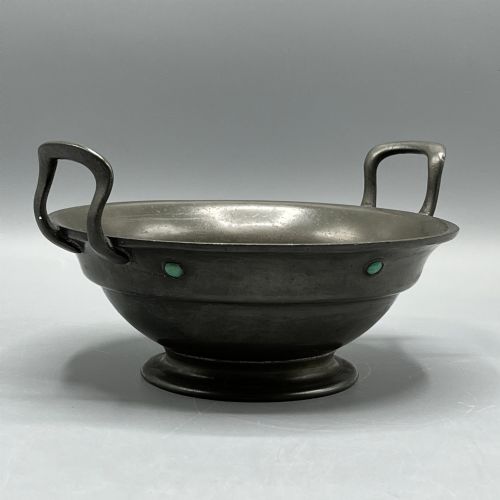
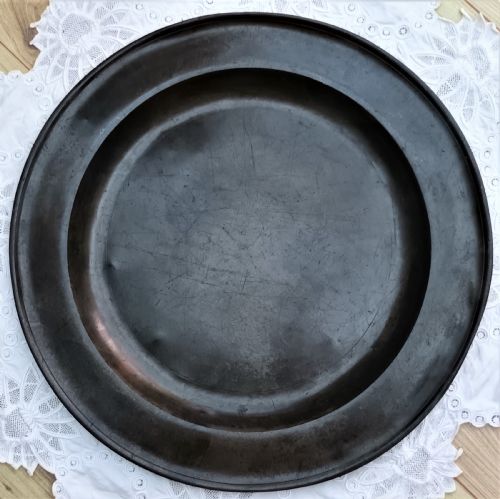
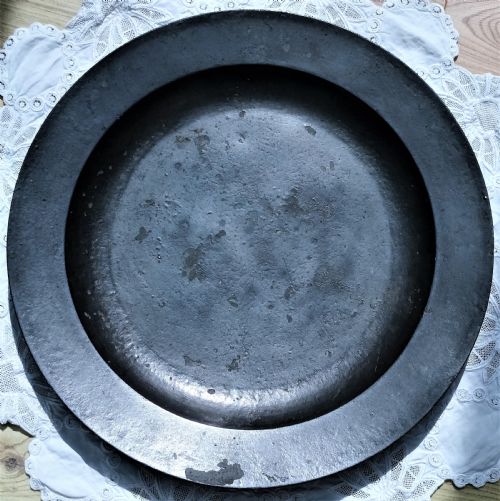
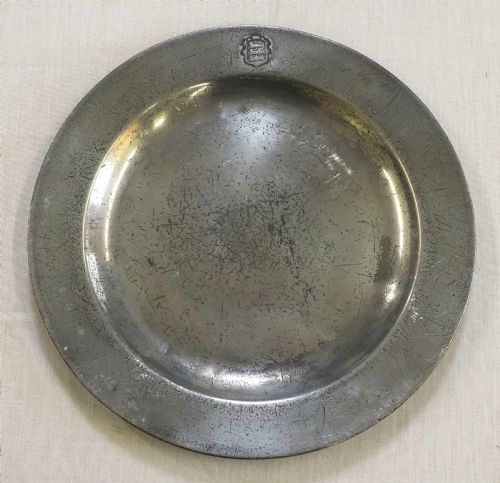
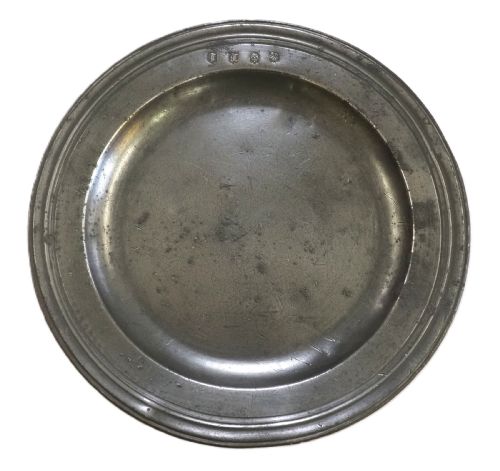
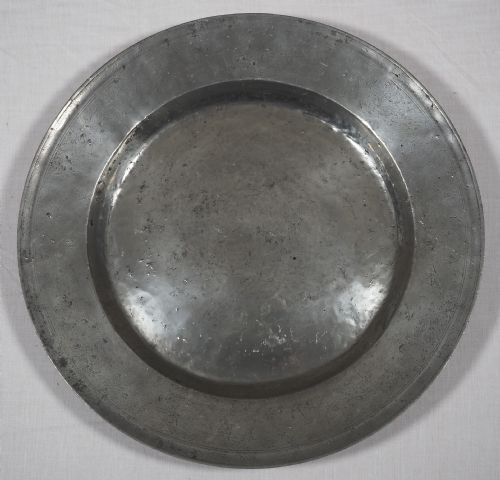
A pewter serving dish appears in forms such as platters, chargers, and oval serving dishes. These items date from the seventeenth and eighteenth centuries, including William and Mary, Queen Anne, and Georgian periods.
English country house examples dominate the selection, spanning plain rims, incised rims, and multiple reeded designs. Buyers encounter large chargers alongside dedicated serving pieces bearing maker touches.
How they were made
Craftsmen shaped these items entirely from pewter, often hammering the metal all over to achieve surface texture and structural rigidity. Rims received decorative treatment through turning on a lathe to cut multiple reeds or incised lines.
Makers struck their touchmarks directly into the metal surface to certify quality and workshop origin. Edges remained plain or featured cast profiles suited to formal and domestic service.
Retail Price Guide 2026
Typical UK retail prices for pewter serving dish, calculated from the Sellingantiques database of over a million retail prices indexed since 2003. This retail price guide relies exclusively on Sellingantiques data; no external sources or auction records are used, so the figures do not describe the wider market.
What varies in quality
Quality rests in the weight of the metal and the crispness of the reeding or hammering across the surface. Thicker gauge pewter retains its flat form better over centuries of use.
Distinction also lies in the clarity of the maker touchmark and the presence of engraved crests on the rim. Early examples with documented maker attributions command greater interest among collectors.
John Duncomb·Thomas Alderson·Thomas Powell·Edward Leapidge I·Nehemiah Cloudesley·John Barlow·S Duncomb·Orivit·Liberty and Co·Carpenter and Hamberger
The Pewter Serving Dish Glossary
- Charger
- A large large plate or dish used traditionally for ceremonial dining or as an under-plate for multiple courses. These large circular vessels form the backbone of early pewter survival.
- Reeded
- A rim decoration featuring parallel raised bands or moulding lines. Multiple reeded rims require precise lathe work.
- Touchmark
- The stamped signature or symbol of the pewterer pressed into the metal. These marks identify the maker and workshop.
- Platter
- A wide, shallow serving vessel designed for presenting joints of meat or large portions at the table. Platters share many characteristics with chargers but often feature oval rather than circular formats.
Frequently Asked Questions
What is a pewter serving dish used for?
These dishes served central roles in historic dining, holding large joints of meat or serving as decorative chargers beneath smaller plates.
Today, collectors utilise them as decorative wall plates, table centrepieces, or functional serving items for cold foods.
How old are these antique dishes?
The available selection spans from the late seventeenth century through the Georgian era and into the eighteenth century.
Earlier pieces often display hammered surfaces and multiple reeded rims, while later examples tend towards plain rims or oval serving shapes.
How do I identify the maker?
Makers struck small stamped symbols, known as touchmarks, directly into the soft pewter surface near the rim or well of the dish.
These touchmarks record the name of the pewterer and sometimes their working dates, allowing comparison with historic records.
How do I care for antique pewter?
Pewter requires gentle cleaning with mild soap and water to preserve the dark historic patina that builds over centuries.
Harsh metal polishes and abrasive cloths should be avoided because they strip away the surface character accumulated over hundreds of years.