

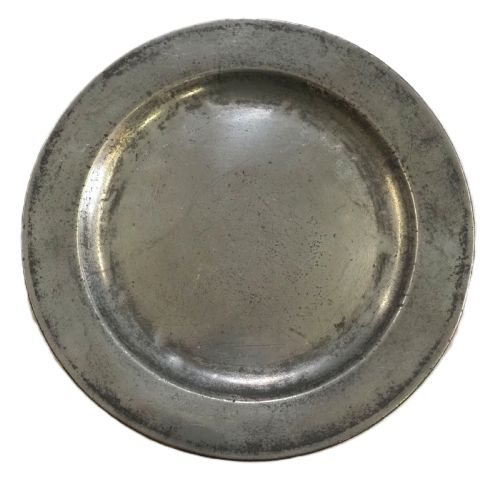


English Pewter Platter
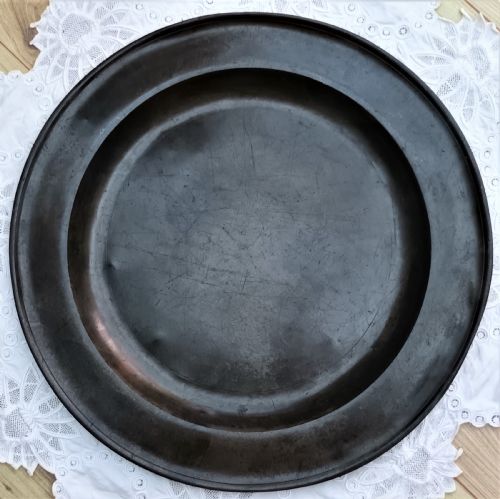
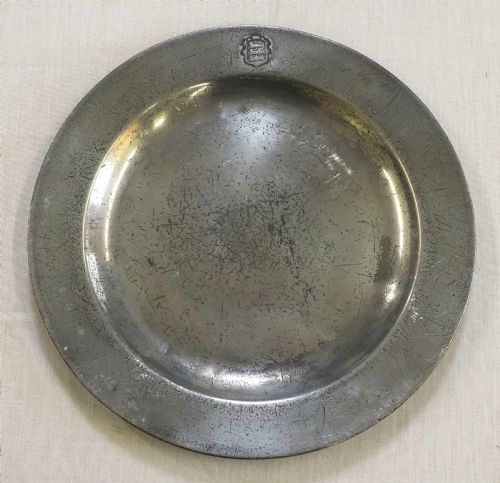
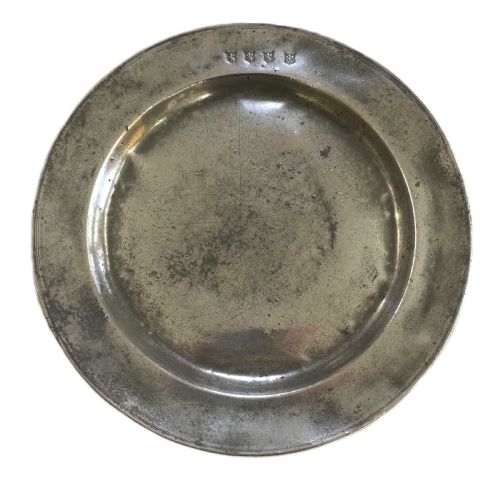
An English pewter platter carries the quiet heft of centuries past, offering a tangible link to domestic life in Georgian and Stuart times.
English Pewter Platter
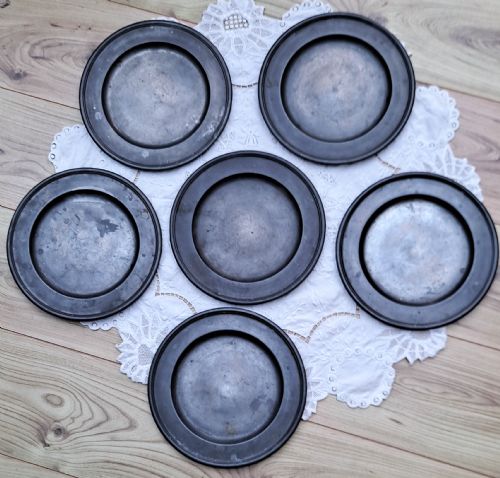
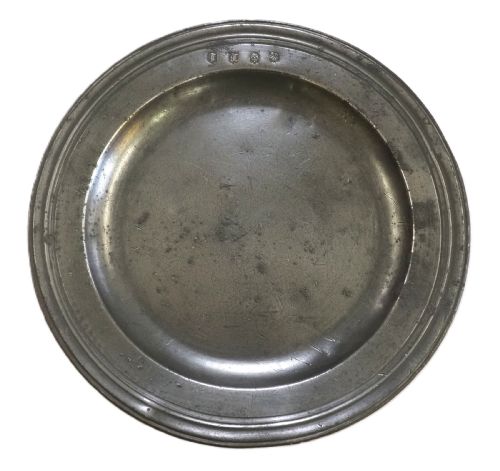
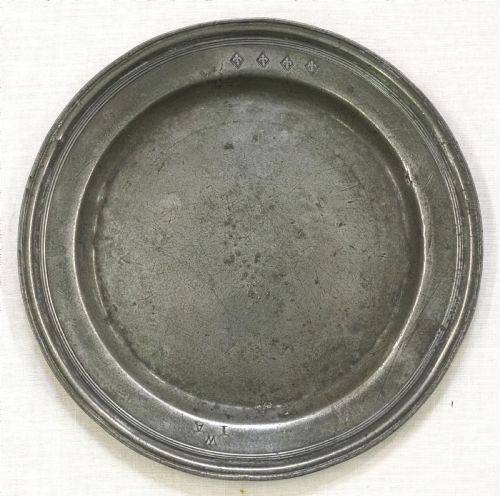
An English pewter platter encompasses a range of serving vessels, from broad chargers down to smaller plates and dishes.
The selections available run from late seventeenth century Stuart examples through the Georgian era and into later Arts and Crafts pieces.
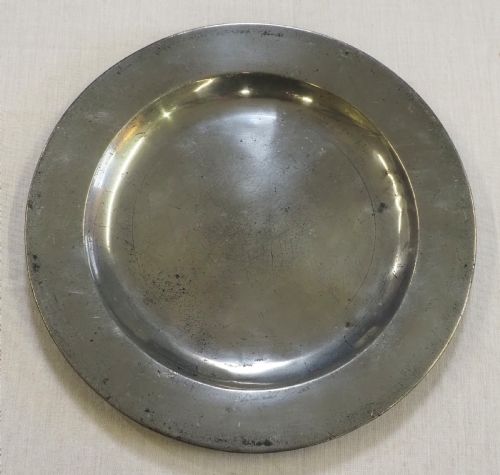
Most items you encounter belong to the eighteenth century or the closing decades of the seventeenth, featuring plain or reeded rims.
Materials and technique
These items are cast entirely from pewter, a traditional metal alloy shaped by hammering and turning on a lathe.
Makers added decorative details such as incised lines, multiple reedings, and occasional coats of arms directly onto the metal surface.
English Pewter Platter Retail Price Guide 2026
Typical asking prices for english pewter platter among the pieces listed under this phrase on Sellingantiques today, from the lower quarter to the upper quarter. They describe what is for sale here now, not the wider market.
The inventory includes items spanning the seventeenth, eighteenth, and nineteenth centuries, executed entirely in pewter.
Judging the work
Quality rests on the crispness of touchmarks, the weight of the metal, and the survival of original surface hammering.
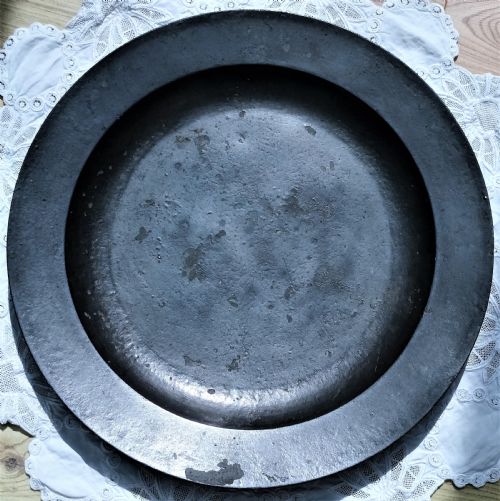
Early chargers with broad rims and distinct maker stamps command greater attention than standard later plates.
John Duncomb·William Wright·T and H Compton·Richard King·Wood and Michell·John Trapp II·John Tubb·Robert Moulins II·Humphrey Evans II·Liberty and Co·Thomas Templeman·Edward Leapidge I·Nehemiah Cloudesley·John Barlow·S Duncomb
The English Pewter Platter Glossary
- Charger
- A large circular dish used for serving food or as a base for smaller plates at the dining table. They form some of the largest surviving pieces.
- Reeded rim
- A border decorated with parallel raised bands or moulding. These mouldings add structural rigidity and visual depth.
- Touchmark
- An official stamp impressed by a maker or pewterer into the metal to certify quality and workshop origin. These marks help historians date the piece.
- Plain rim
- A border finished with a simple flat or slightly sloping edge devoid of decorative mouldings. This style appears across multiple centuries.
English Pewter Platter: Frequently Asked Questions
What is an English pewter platter?
An English pewter platter is a metal dining dish or charger made primarily during the seventeenth and eighteenth centuries.
These pieces were standard domestic items used for serving meals before ceramic wares became universal.
How do I date an old pewter plate?
Dating relies on stylistic clues like rim shape, hammer marks, and the specific touchmarks stamped into the metal.
Earlier seventeenth century examples often feature broad rims and multiple reedings, whereas eighteenth century pieces frequently adopt plain rims.
Can you eat off antique pewter?
Older pewter compositions sometimes contained lead, making modern food use inadvisable for daily dining.
Collectors generally treat these platters as decorative objects or display pieces rather than active tableware.
How should I clean pewter?
Pewter develops a dark grey oxide layer over centuries that collectors prize as a natural patina.
Aggressive polishing ruins this historic surface, so gentle dusting with a soft cloth remains the preferred method of care.