

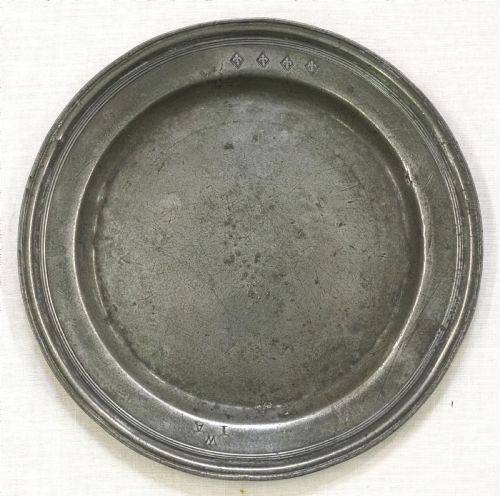
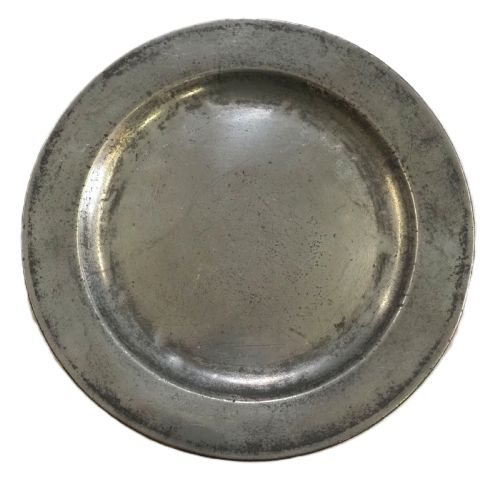


Antique Pewter Charger
When you handle an antique pewter charger, you touch a heavy, utilitarian dish that once anchored grand dining tables and country houses alike.

Antique Pewter Charger
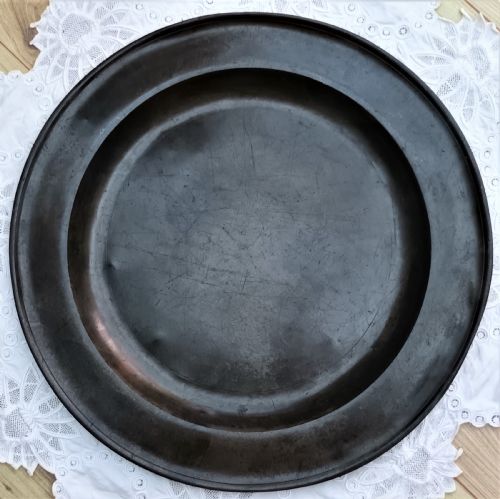
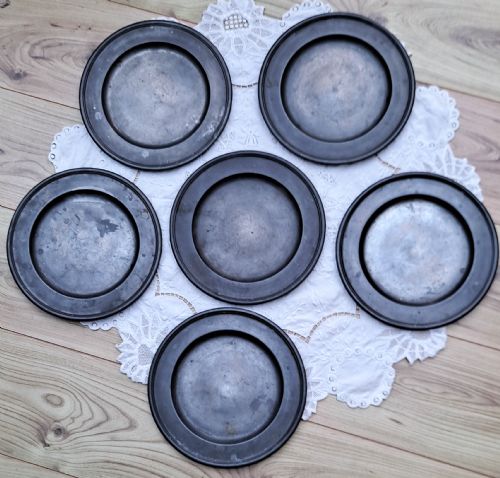
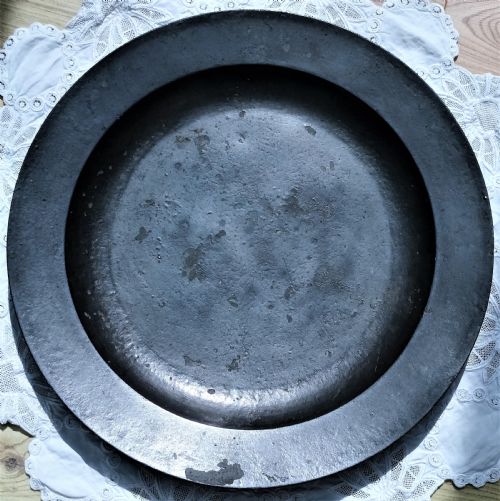
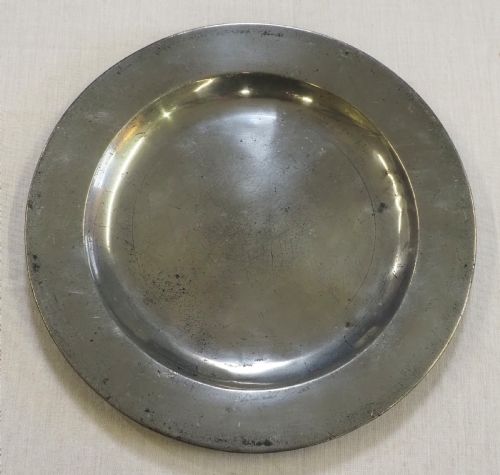
An antique pewter charger is a large circular serving dish designed for formal dining or display in English and European households from the seventeenth century onward. These heavy metal vessels served as the foundation for the dining service before ceramic platters largely replaced them in domestic life.
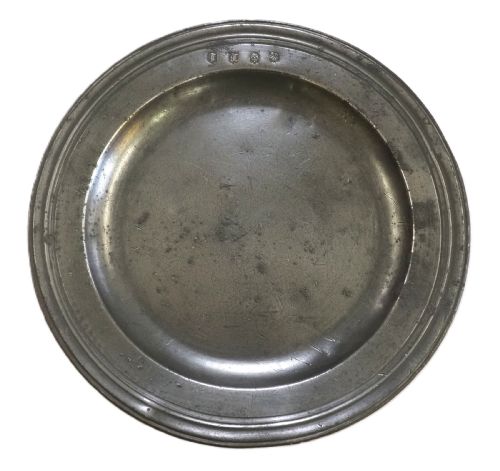
You will most frequently encounter eighteenth-century Georgian examples and earlier seventeenth-century styles on this page, ranging from plain rims to broad rims and multi-reeded borders. The selection also includes smaller plates, dishes, and wall plates spanning the Stuart, William and Mary, and Arts and Crafts periods.
How they were made
Pewterers cast these large discs in metal alloys primarily composed of tin combined with lead, copper, or antimony to achieve durability and weight. Craftsmen then hammered the surfaces all over to harden the metal, finishing the edges with plain, reeded, or incised mouldings.
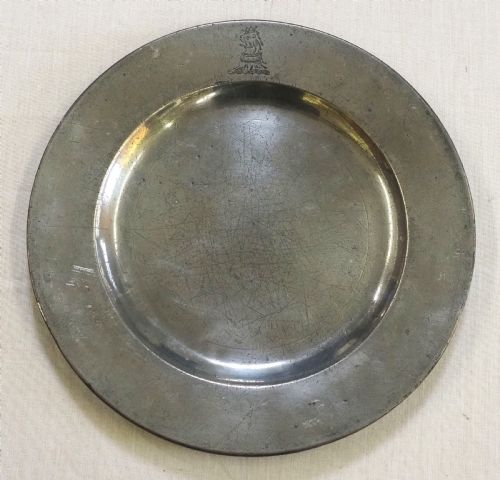
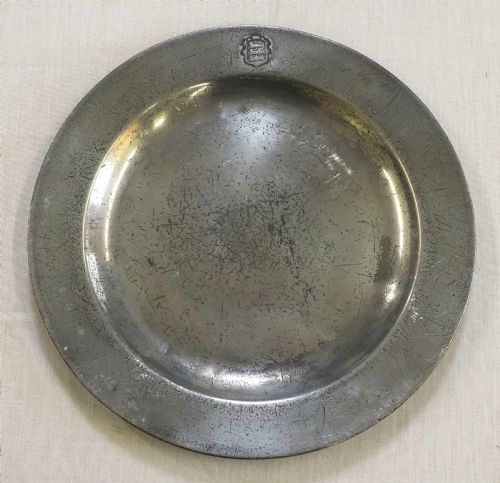
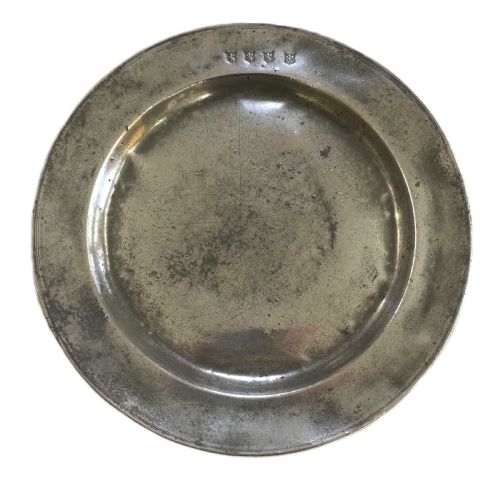
Makers struck their personal touchmarks and hallmarks directly into the soft metal surface to identify their workshops. Engravers often added family crests, coats of arms, or initials to signify ownership.
Antique Pewter Charger Retail Price Guide 2026
Typical asking prices for pewter charger among the pieces listed under this phrase on Sellingantiques today, from the lower quarter to the upper quarter. They describe what is for sale here now, not the wider market.
The listings span from the seventeenth century through the Arts and Crafts period, uniting heavy seventeenth-century broad-rim chargers with Georgian plates.
What varies in quality
The weight and thickness of the metal plate dictate its initial grade, with heavier seventeenth-century broad-rim chargers demanding higher regard than thinner later examples. A wider rim proportion relative to the well signals superior proportion and manufacturing ambition.
The clarity and legibility of touchmarks pressed into the back elevate a piece's standing among collectors. Crisp armorial engraving and overall hammer texturing further distinguish the finest specimens from standard utilitarian tableware.
John Duncomb·William Wright·Samuel Smith·T & H Compton·James Spackman·Richard King·Wood & Michell·John Trapp II·John Tubb·Robert Moulins II·Humphrey Evans II·Thomas Alderson·Thomas Templeman·Lawrence Dyer·Thomas Haward·Thomas Powell·Edward Leapidge I·Nehemiah Cloudesley·John Barlow·S Duncomb·Yates Birch & Spooner·Russell Laugher·Robert Gregge·Henry Wiggin·William Banckes
The Antique Pewter Charger Glossary
- Charger
- A large circular plate or platter used primarily for serving meat or as an under-dish for smaller courses at formal meals. These substantial pieces often measured over sixteen inches across.
- Touchmark
- A small stamped impression applied by the pewterer to identify their workshop and compliance with guild standards. These marks serve as the primary signature for dating and attribution.
- Broad rim
- A wide, flat outer border characteristic of seventeenth-century chargers. This generous expanse often featured engraved heraldry or ownership initials.
- Reeded rim
- A border decorated with parallel raised rings or mouldings encircling the well of the plate. Triple and multiple reeded edges appear frequently on seventeenth-century English pieces.
- Basin
- A deep, bowl-like vessel used for washing or toilet purposes rather than flat dining service. These rarer forms share the same alloy composition and manufacturing techniques as standard chargers.
Antique Pewter Charger: Frequently Asked Questions
What is the difference between a plate and an antique pewter charger?
Plates were designed for individual diners to eat from during a meal, measuring under ten inches in diameter across most tables. Chargers are significantly larger platters that sat beneath smaller dishes or served communal joints of meat.
Because of their grand scale, chargers occupied a more decorative and ceremonial role in the dining room. Their broader rims also provided a canvas for engraved coats of arms and family crests.
How do you date an antique pewter charger?
Collectors date these items by examining the rim style, overall weight, and maker touchmarks pressed into the metal. Seventeenth-century pieces typically feature very broad rims and multiple reeded borders, while eighteenth-century examples lean toward plain rims.
Matching stamps against historical records provides specific working dates for the craftsmen. Additional clues come from engraved ownership initials and commemorative inscriptions recorded on the surface.
Can you use antique pewter chargers for serving food?
Historical pewter contained varying amounts of lead alongside tin, making modern food safety standards difficult to meet for acidic meals. Most collectors preserve these pieces as display items or decorative wall plates rather than functional tableware.
Gentle washing with mild soap and water suffices for maintenance without scrubbing away the historic surface patina. Avoiding abrasive cleaners protects the soft metal and any surviving maker marks.
Why do some antique pewter chargers have family crests?
Wealthy households commissioned engravers to apply their family coats of arms or crests onto the broad rims of their dining silver and pewter. This personalization asserted social status and prevented theft within large domestic staffs.
Over time, these armorial engravings help trace the provenance of individual chargers through successive generations. Initials of husband and wife often appear alongside the crests on marriage pieces.