

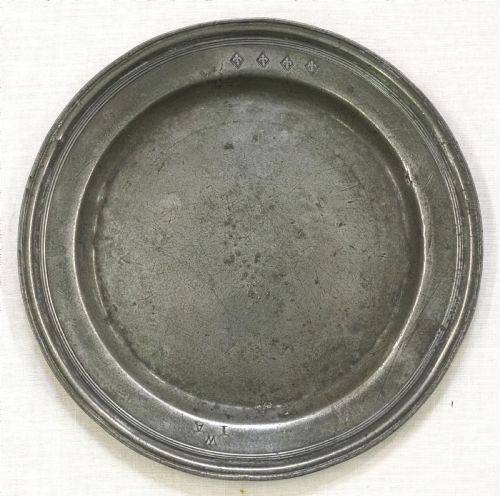
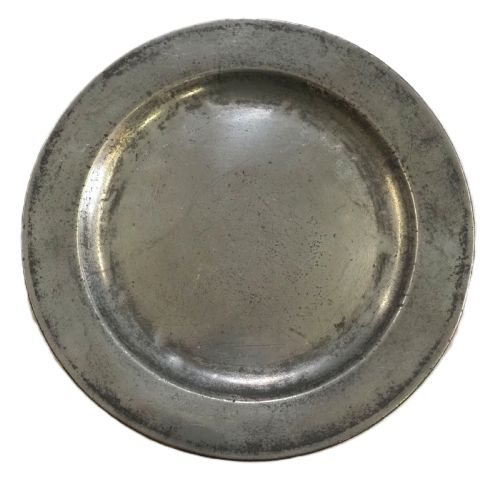


Grey Pewter Charger
These heavy grey pewter charger plates carry centuries of plain English dining history right into your room.

What grey pewter chargers are
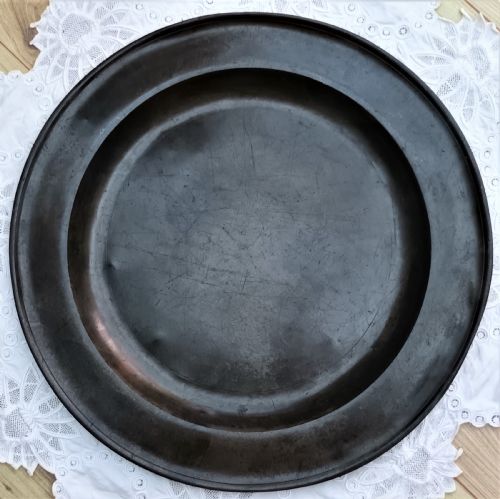
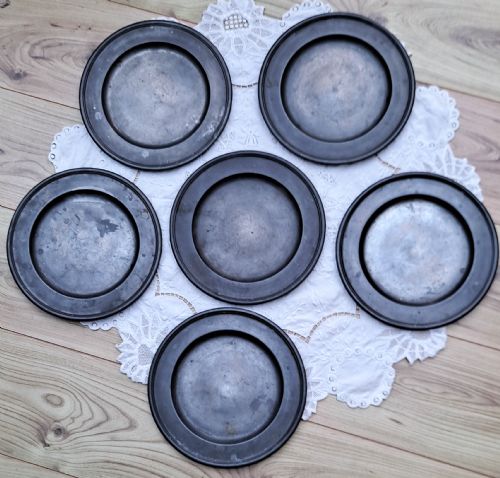
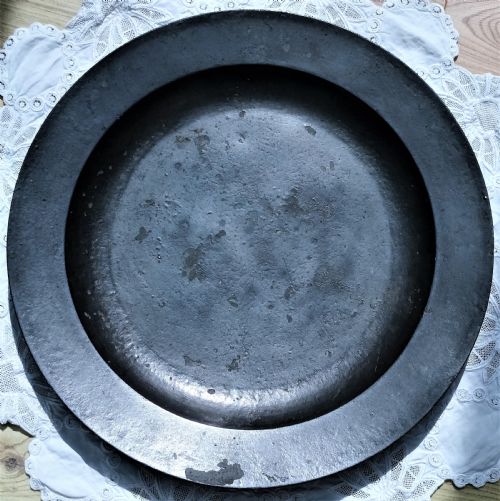
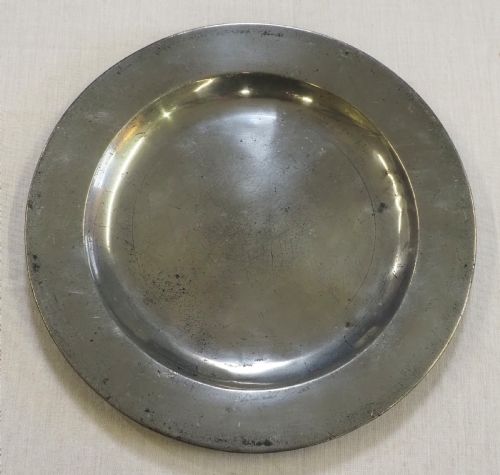
A grey pewter charger represents the substantial metal plates and large platters that formed the backbone of formal and domestic tables from the seventeenth century through to the mid-eighteenth century. When buyers search for a grey pewter charger, they find large circular serving vessels made entirely from tin-alloy metal that developed deep grey patinas over hundreds of years of age and oxidation.
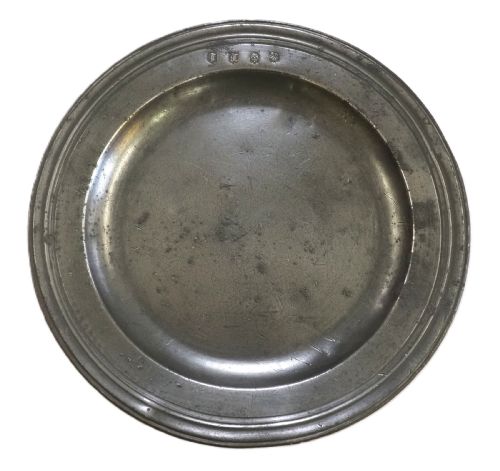
The pieces available here span specific historical eras including the Charles II period, the late seventeenth century, and around seventeen-fifty. Common forms include broad rim plates, triple reeded edge designs, and massive twenty-inch platters that originally served meats at grand feasts.
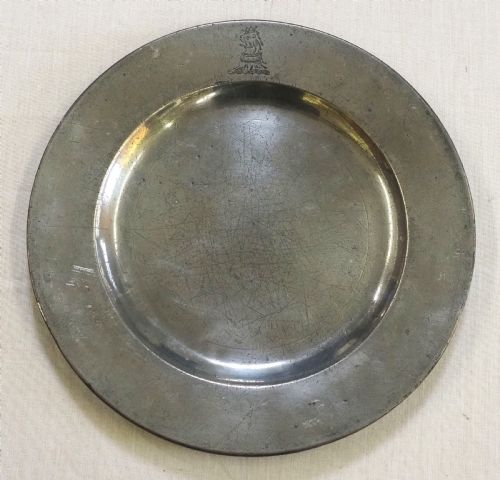
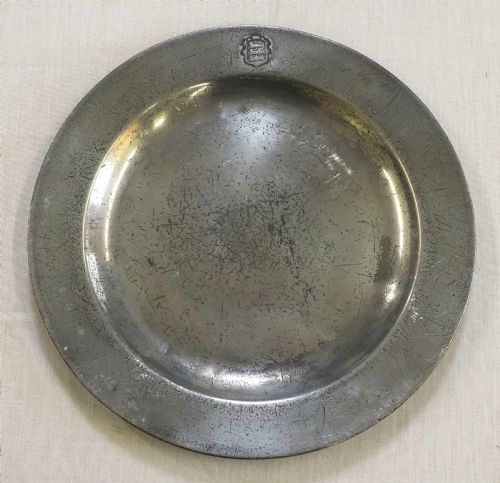
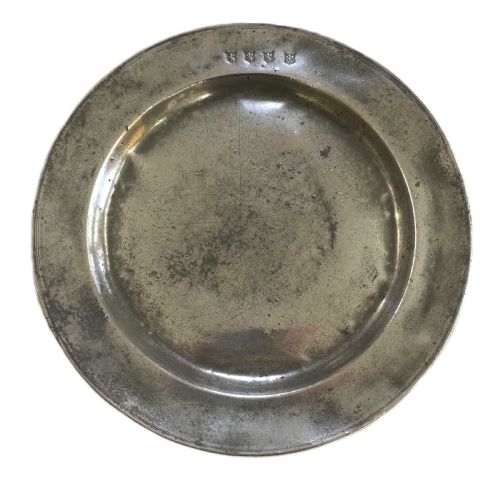
Makers stamp their work directly into the soft metal, leaving touchmarks that identify individual pewterers working in English workshops. Buyers encounter family crests and civic coats of arms engraved upon the broad rims of these early metal dishes.
How they were made
These chargers were cast from pewter, a malleable metal alloy consisting primarily of tin mixed with lead or copper to give it strength and weight. Pewterers poured the molten metal into moulds and hammered the cooled surfaces by hand to harden the plate and achieve the desired thickness.
Lathes were utilised to turn the rims and smooth the surfaces, leaving subtle concentric tool marks visible across the grey metal. Engravers then cut family crests and coats of arms into the broad rims using sharp steel burins.
Retail Price Guide 2026
Typical UK retail prices for grey pewter charger, calculated from the Sellingantiques database of over a million retail prices indexed since 2003. This retail price guide relies exclusively on Sellingantiques data; no external sources or auction records are used, so the figures do not describe the wider market.
Some chargers bear the scars of medieval carving knives, showing where roast meats were hacked apart right at the dining table.
What varies in quality
The distinction between ordinary plates and superior chargers rests in the scale, the width of the rim, and the crispness of the maker touchmarks stamped into the metal. Broader rims with multiple reeded lines require greater skill from the pewterer and indicate a more expensive original commission.
Surface preservation defines the upper tier of these pieces, where the original grey metal retains a soft, unpolished sheen rather than a heavily scrubbed finish. Engraved heraldry executed by skilled hands elevates a plain service dish into a documented family heirloom.
Lawrence Dyer·Thomas Haward·John Tubb·Nehemiah Cloudesley·Thomas Alderson·Wood & Michell
The Grey Pewter Charger Glossary
- Charger
- A large decorative or serving plate, typically measuring sixteen to over twenty inches across, used for grand dining or beneath smaller course plates.
- Broad rim
- The wide flat border surrounding the central well of a plate or charger, frequently engraved with armorial crests.
- Triple reeded
- A decorative rim moulding featuring three parallel raised concentric rings circling the perimeter of the plate.
- Touchmark
- The stamped signature or personal mark of the pewterer, beaten into the metal to certify the purity and maker of the vessel.
- Armorial
- A heraldic design, crest, or coat of arms engraved onto the rim to denote the noble family who owned the charger.
Frequently Asked Questions
What is a grey pewter charger?
A grey pewter charger is a large metal dining plate or platter cast from tin alloy during the seventeenth or eighteenth centuries. These substantial vessels display a muted grey tone resulting from centuries of oxidation.
Originally designed for serving food at communal tables or displaying wealth on sideboards, they now serve as wall or table displays.
How do I date a pewter charger?
Dating relies on the width of the rim, the style of the edge moulding, and the maker touchmarks stamped into the metal surface. Seventeenth-century examples often feature very broad rims and simple hammered textures.
Later eighteenth-century pieces shift toward thinner rims and standardised manufacturing techniques, often aided by inscribed dates or known maker operating years.
How were pewter chargers used?
These large metal dishes served as the main platters for joint meats at substantial dining tables before ceramic dinner services became widespread. They also sat beneath smaller individual plates to catch drips and frame the meal.
In wealthy households, they doubled as decorative display pieces on buffets to show off polished metal and engraved family crests.
Can I display these chargers on walls?
Many collectors hang these plates on walls using specialist non-scratch wire hangers designed to secure heavy metal dishes safely. Their large diameters and engraved armorial crests make them striking focal points in traditional dining rooms.
Ensure any wall fixing supports the substantial weight of seventeenth-century tin-alloy metal properly.