



Vintage Pewter Charger
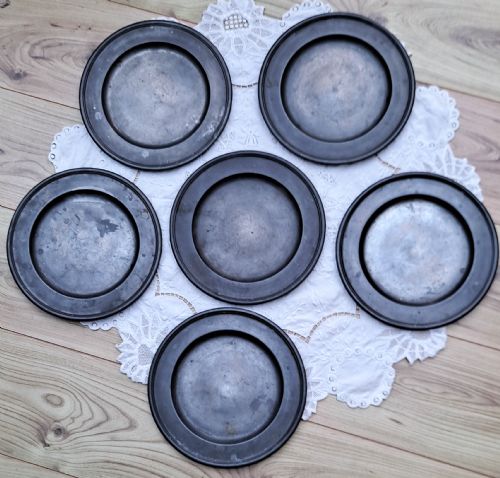
These vintage pewter chargers are broad circular dining plates and decorative platters valued for their rich metallic lustre and historic weight.
Vintage Pewter Charger
When you search for a vintage pewter charger, you are looking at heavy metal plates and broad dishes designed primarily for dining or grand display. The examples on this page span several centuries, including seventeenth century English pieces and later nineteenth century Arts and Crafts plates.
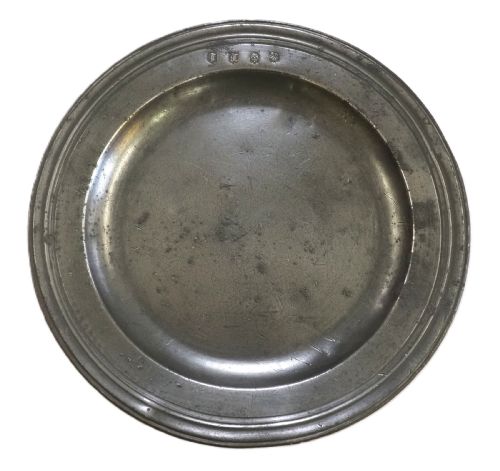
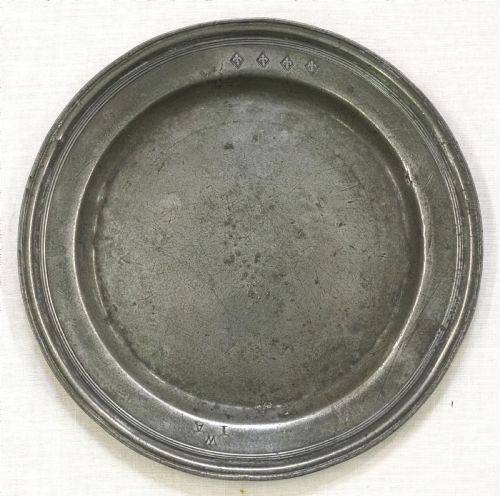
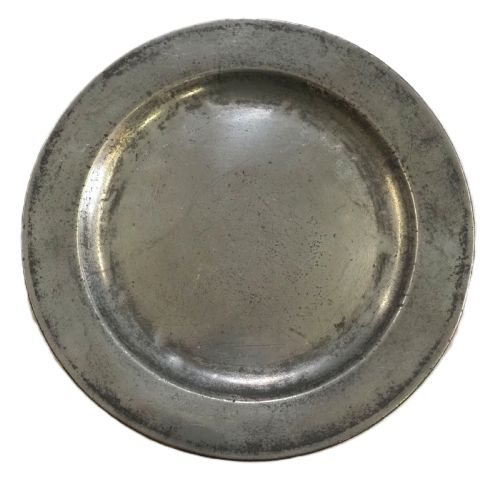
The forms range from plain rim plates to massive twenty two inch chargers and decorative wall platters. You meet simple eighteenth century Georgian dishes alongside heavily reeded seventeenth century plates bearing early touchmarks.
These items bring a tactile sense of history to a room through their dull silver surfaces and subtle surface wear. They function equally well mounted on a wall or laid flat on a timber table.
How they were made
The pieces listed on this page are formed from traditional pewter alloys cast in moulds and finished by hand. Makers shaped the metal into plates and chargers using techniques passed down through generations of metalworkers.
Makers added structural detail and decoration through reeding along the rims, beating the metal surface by hand, or casting low relief motifs. Artisans applied maker touchmarks directly onto the metal surface to certify the alloy standard.
What varies in quality
Quality in these chargers rests upon the crispness of the original casting and the preservation of the metal's thickness over centuries of use. Early plates with deep triple reeding and legible maker touchmarks command attention for their survival.
The skill of the hand beating and the subtlety of the rim profile distinguish standard utilitarian plates from ambitious decorative chargers. Weight and balance also signal a superior object, as thin metal compromises the structural integrity of larger platters.
William Wright·T & H Compton·John Tubb·Robert Moulins II·Humphrey Evans II·Nehemiah Cloudesley·S Duncomb·Olof Ahlberg
The Vintage Pewter Charger Glossary
- Charger
- A large broad dish used historically for serving meat or for display beneath smaller plates. These substantial platters form the focal point of many early table settings.
- Reeded plate
- A metal plate featuring parallel raised mouldings along the rim. Triple reeded borders provide extra rigidity and decorative depth to seventeenth century pieces.
- Touchmark
- An official stamp pressed into the metal by a pewterer to register their name and standard of work. These tiny marks allow historians to date individual plates.
- Plain rim
- A plate design featuring a flat undecorated rim surrounding the central well. This minimalist style appears across eighteenth century English workshops.
Vintage Pewter Charger: Frequently Asked Questions
How do I clean a pewter charger?
Wash the metal gently with warm soapy water and dry it immediately with a soft cloth to protect the surface. Avoid harsh commercial metal polishes that strip away the dark historical patina.
Leaving a natural dull finish preserves the age and character of early seventeenth and eighteenth century pieces. Regular dusting is usually all that is required for wall mounted platters.
Can I use these chargers for food?
Many historical pewter pieces contain varying amounts of lead depending on their manufacturing date and origin. It is safest to treat antique chargers as decorative objects rather than functional tableware.
Enjoy them mounted on walls or displayed on sideboards where their heavy metal presence can be appreciated safely.
How do I date an old pewter plate?
Examine the rim style, weight, and any maker touchmarks stamped into the front or back of the metal. Triple reeded rims often point towards the seventeenth century, while plain rims frequently indicate Georgian production.
Matching touchmarks against historical pewterer records provides the most accurate date range for an individual piece.
Why are some plates so heavy?
Early chargers were cast with thick walls to withstand daily dining use and prevent warping during the casting process. Larger platters required substantial amounts of metal to maintain their flat shape under heavy food.
This generous use of material gives surviving seventeenth and eighteenth century pieces their characteristic heft when lifted.