




Metal Serving Platter
A metal serving platter brings substance to the table, uniting practical service with centuries of metalworking traditions.
Metal Serving Platter
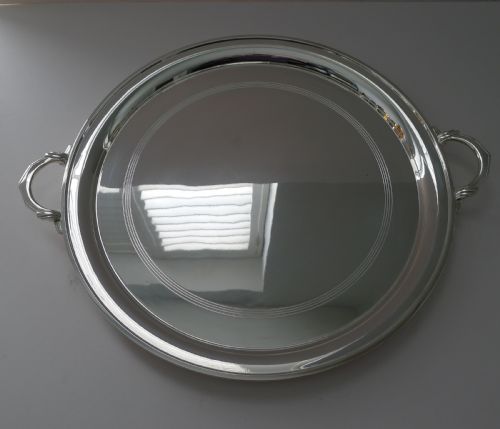
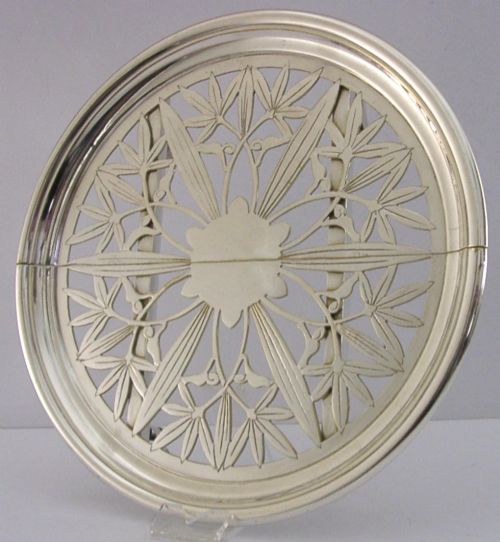
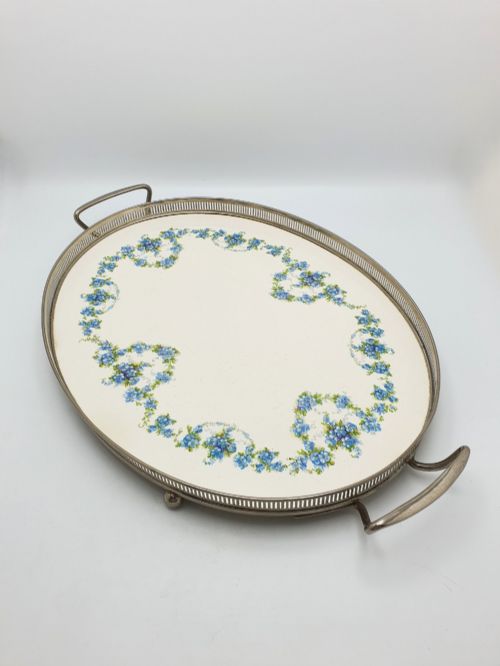
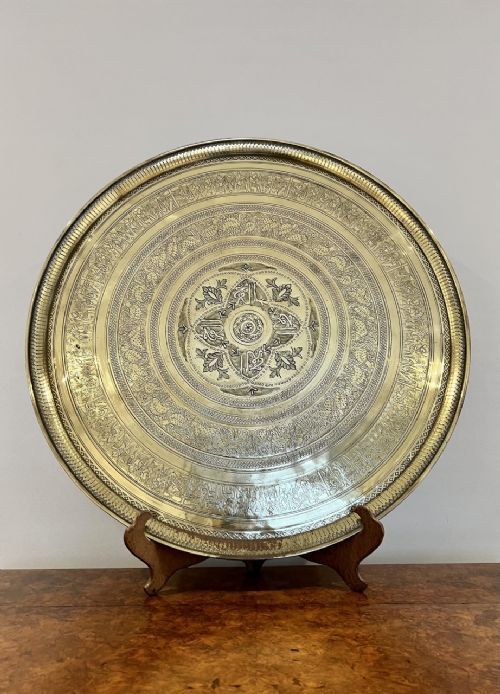
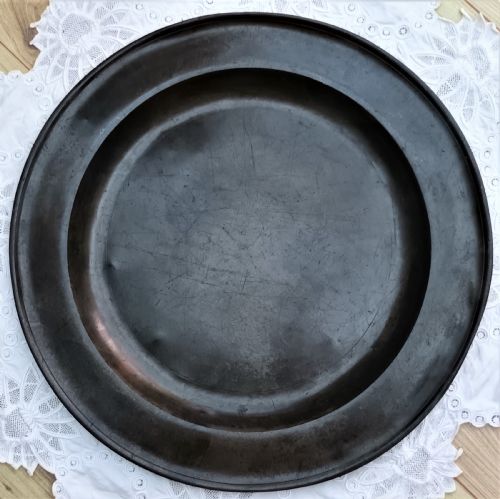
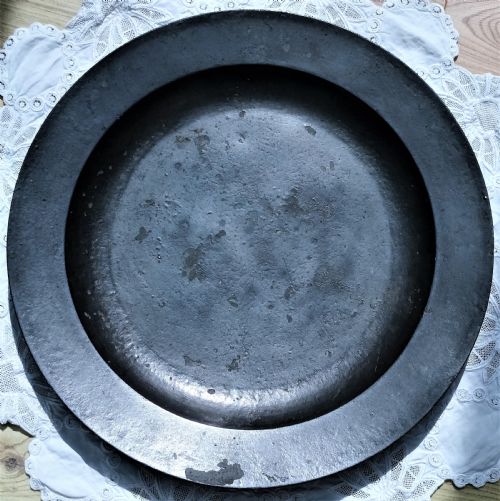
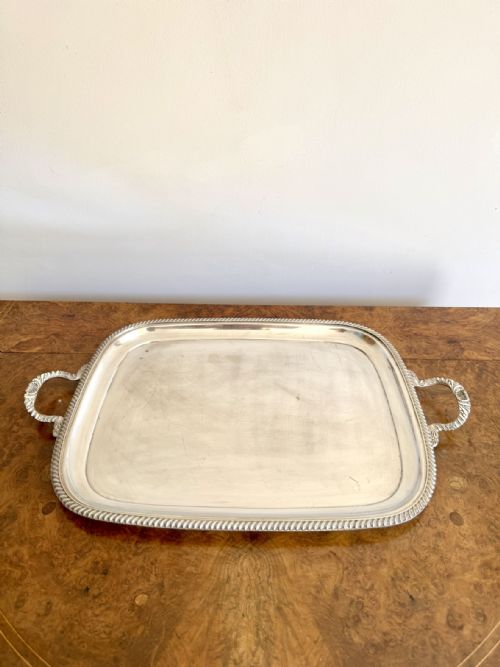
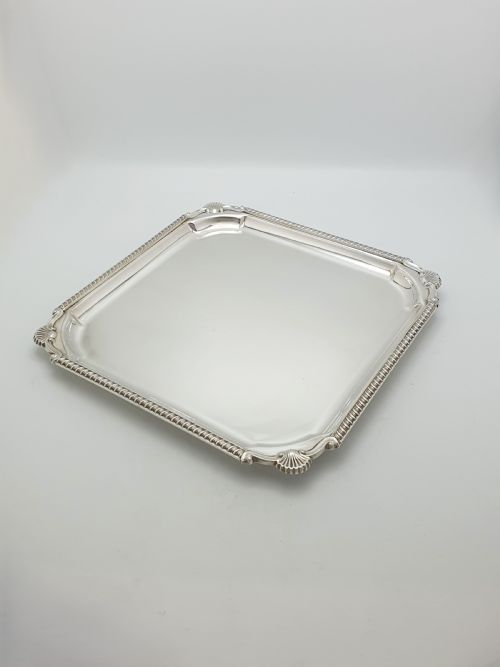
When you search for a metal serving platter, you encounter a diverse range of forms including large chargers, circular trays, and cocktail trays spanning from the seventeenth century through the Art Deco period. These items were originally fashioned for domestic service, dining, and presentation across English, continental, and Asian workshops.
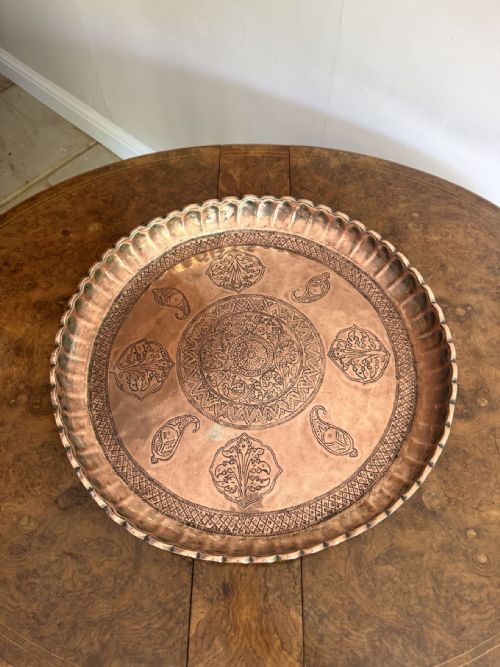
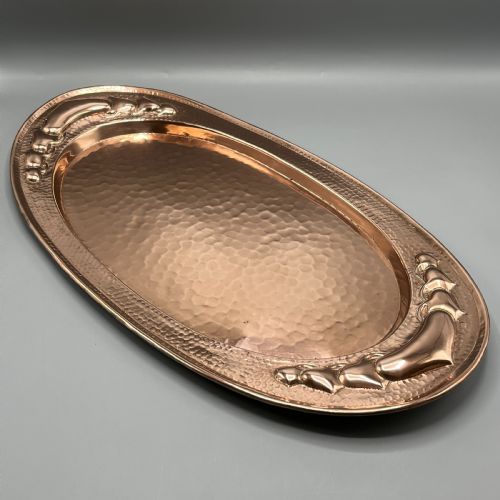
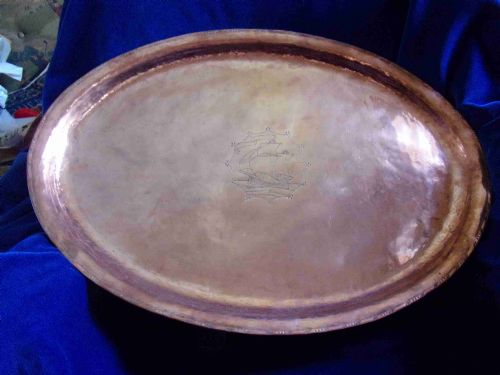
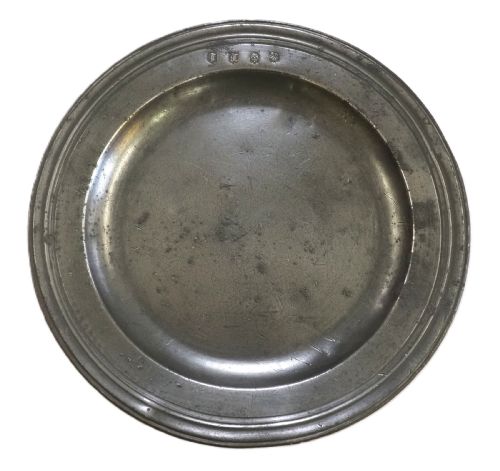
The selections on this page are most commonly represented by silver plate and pewter examples from the Georgian, Victorian, and Edwardian eras, alongside copper and mixed metal pieces from the Arts and Crafts and Art Nouveau movements. You will also find specialised items such as game covers, extending dish stands, and Japanese cloisonne enamel trays.
Makers ranging from individual pewterers to major firms such as Mappin & Webb and Hukin & Heath contributed to this rich array of serving wares. The materials vary widely, reflecting the shifting domestic tastes and metallurgical capabilities of their respective periods.
How they were made
Makers shaped these platters using foundational techniques such as hammering, casting, and spinning, working with metals including pewter, copper, brass, and base metal. Silver plating methods, including Old Sheffield Plate and later electroplating, allowed makers to achieve the lustre of solid silver on a base metal core.
Decoration was frequently applied by hand through repoussé work, chasing, and detailed engraving, producing textured borders and pictorial scenes. Enamelling and lacquer techniques appear on specific regional pieces, adding coloured decoration directly to the metal surface.
Listings feature items spanning the seventeenth to the twentieth century, showcasing silver plate, pewter, copper, and cloisonne enamel.
What varies in quality
The distinction between standard utility wares and exceptional pieces rests upon the crispness of the hand-chased detail, the weight of the metal, and the integrity of the construction. Superior platters display balanced proportions, substantial gauge metal that resists flexing, and well-executed relief work on the rims and surfaces.
Attribution to documented makers or specific guilds elevates certain pieces, as does the retention of original plating without heavy re-silvering. The complexity of the design, such as intricate pierced work or multi-metal inlays, marks the division between everyday utilitarian items and pieces created by master craftsmen.
Keith Murray For Mappin & Webb·John Duncomb·Samuel Smith·Hugh Wallis·John Tubb·Padley Parkin·Hukin & Heath·Thomas Alderson
The Metal Serving Platter Glossary
- Charger
- A large decorative or serving plate, often positioned beneath other courses or used independently for display.
- Repoussé
- A metalworking technique where the metal is hammered from the reverse side to form a raised design on the front.
- Old Sheffield Plate
- An early fusing method where a thin sheet of silver is fused to a thicker copper core by heat and pressure.
- Salver
- A tray, typically with feet, used for presenting food, drinks, or documents.
- Toleware
- Tinplate items coated with lacquer or japanned finishes, often hand-painted with detailed scenes or floral motifs.
Metal Serving Platter: Frequently Asked Questions
What is a metal serving platter used for?
These items served a variety of functions in historical households, from presenting roasts and game at the dining table to carrying cocktails and afternoon tea.
Today, they are utilised both for serving food and drinks or displayed flat on surfaces as decorative room accents.
How do I care for silver plated items?
Silver plate requires gentle cleaning with non-abrasive cloths and dedicated silver care products to preserve the thin metal layer.
Regular, careful dusting and avoiding harsh chemical dips will maintain the original finish over decades of use.
What is the difference between a tray and a charger?
Chargers are traditionally larger, heavier plates designed for formal table presentation or standing beneath other dishes.
Trays generally feature raised rims or handles specifically intended for carrying items from room to room.
How can I tell pewter from silver plate?
Pewter has a darker, muted grey tone with a softer lustre and contains no silver content.
Silver plate exhibits a brighter, reflective metallic sheen that reveals a base metal underneath only if the outer layer wears through.