

Vintage Silver Platter
A vintage silver platter brings weight and polish to a table, offering a functional surface shaped by decades of dining traditions.
Vintage Silver Platter
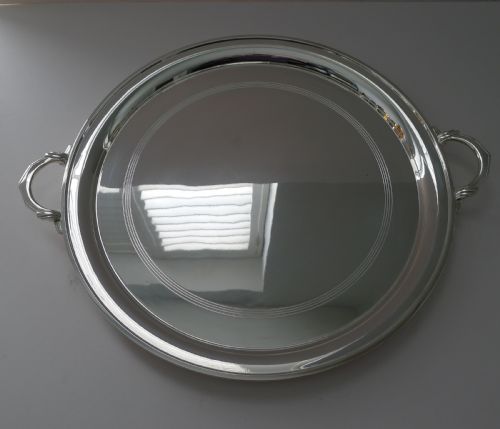
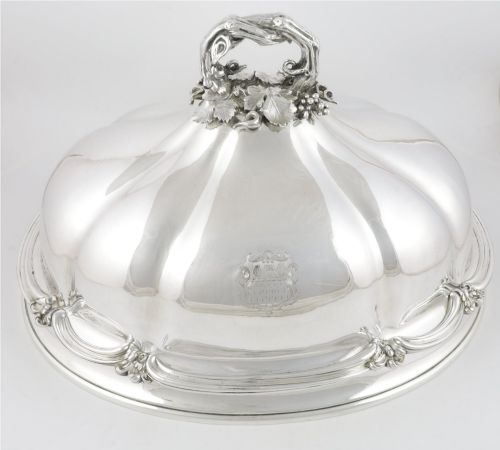
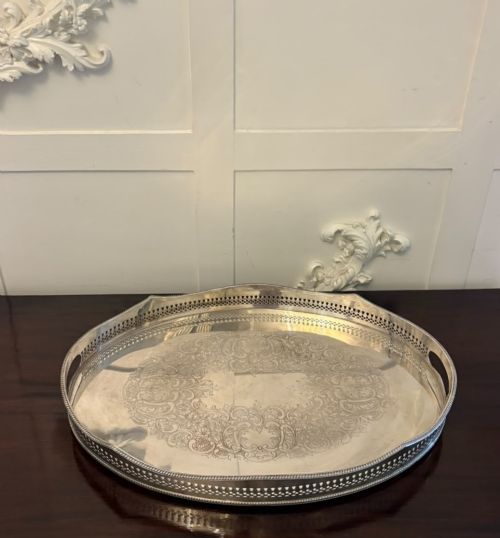
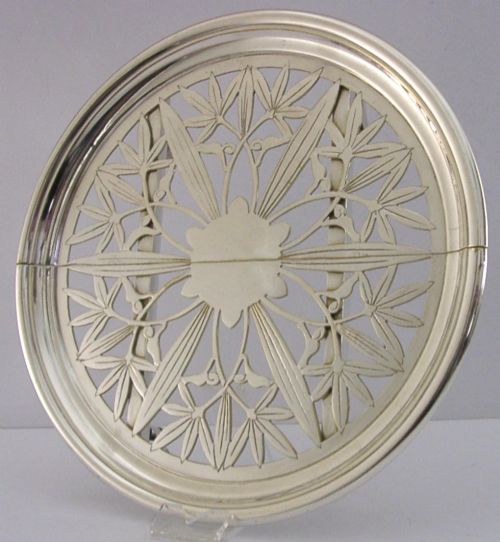
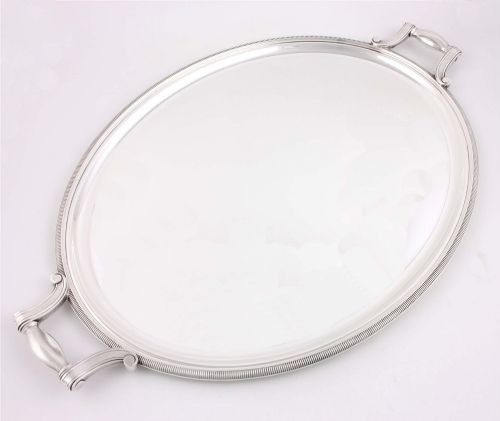
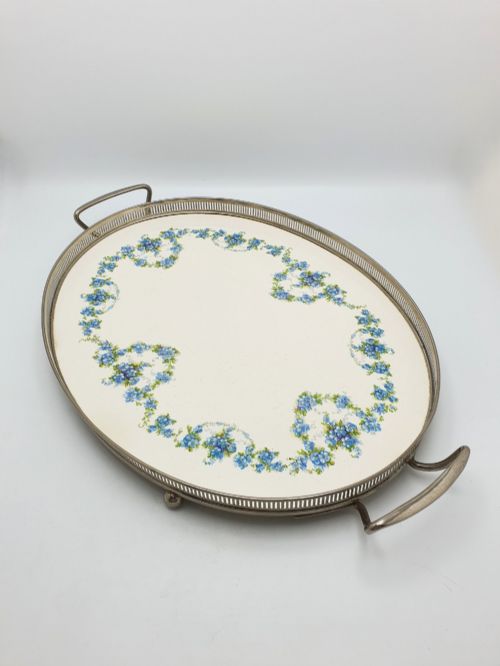
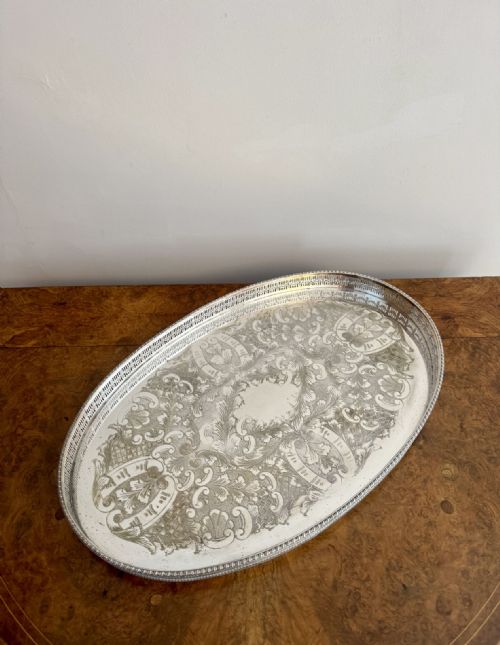
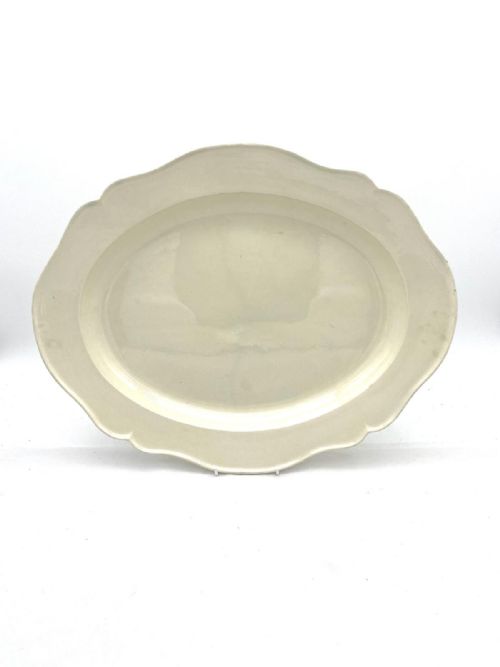
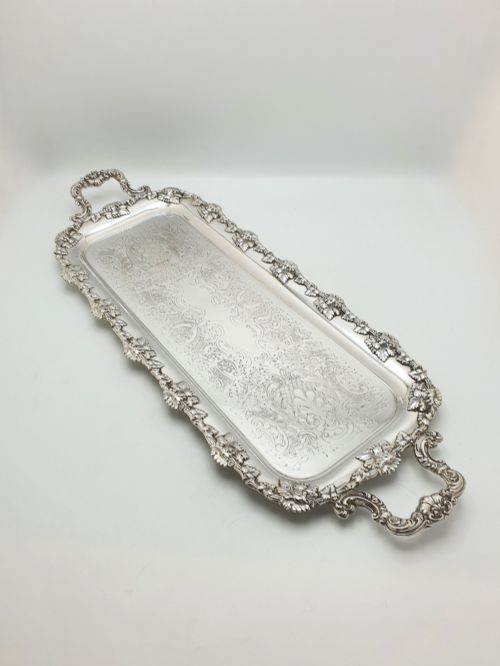
A vintage silver platter serves as a formal serving surface for drinks, tea, or meat courses, appearing across diverse historic periods from the Georgian era to the mid-century modern decades. These pieces take many forms, including large butler trays, circular salvers, octagonal gallery trays, and specialised cocktail servers.
The selections available here rely heavily on silver plate, electroplated nickel silver, and old Sheffield plate, alongside copper and solid silver variants. Makers shaped these metals into serving dishes and chargers with handles, galleries, and decorative borders.
Originating from domestic and international workshops, these trays reflect specific stylistic movements such as Edwardian elegance, Art Deco geometry, and Victorian ornamentation. Buyers encounter everything from simple engraved serving surfaces to complex pieces featuring wood inlays and glass mirror inserts.
Crafting the metal
Makers produced these pieces using base metals like copper and nickel silver, applying a layer of silver through traditional plating techniques or old Sheffield methods. Artisans then shaped the forms by hand or machine, incorporating cast borders and applied handles.
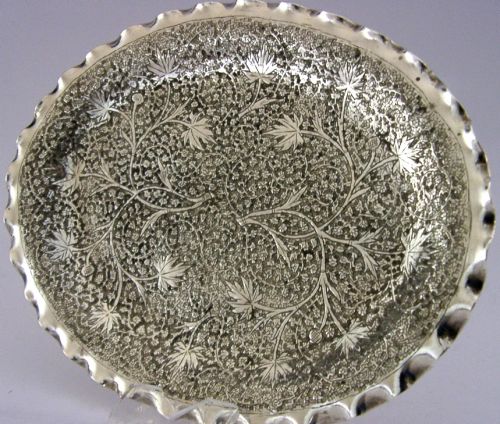
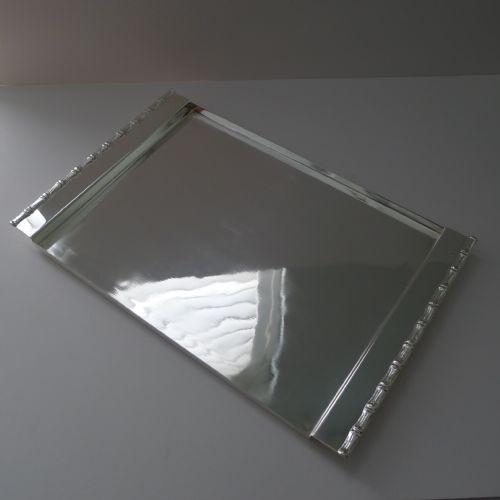
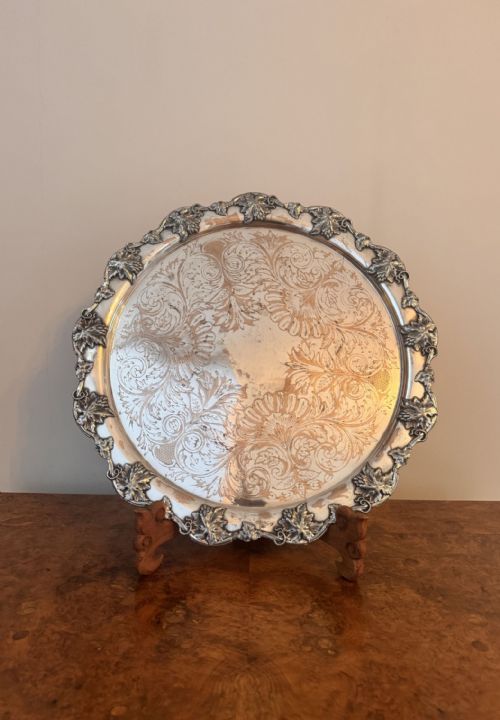
Decoration required specialised skills such as piercing, repoussé work, and crisp surface engraving to create floral motifs or geometric patterns. Elements like wood inlays, shell borders, and bamboo handles reveal diverse material combinations within the manufacturing process.
Listings span periods from the Georgian era through Victorian, Edwardian, and Art Deco, up to mid-century modern designs.
Judging the work
Quality rests upon the weight of the metal and the precision of the applied decoration, distinguishing heavy cast pieces from lighter stamped alternatives. Superior examples show crisp detail in engraved floral motifs and secure joints where handles meet the tray body.
The integrity of the plating layer and the retention of the underlying copper or nickel silver determine the durability of the surface. Maker marks from established firms indicate higher standards of production and workshop supervision.
Mappin And Webb·James Deakin·William Hutton And Sons·Roberts Cadman·Christofle·Henry Wilkinson·Padley Parkin·Keith Murray
The Vintage Silver Platter Glossary
- Old Sheffield plate
- An early method of fusing a thin sheet of silver to a thicker copper base before rolling them together into sheets for fabrication. This technique creates a distinctive edge where the copper core shows through wear.
- EPNS
- Electroplated nickel silver, a common base material used underneath a silver coating during later manufacturing periods. It provides a stable and durable foundation for plated tableware.
- Salver
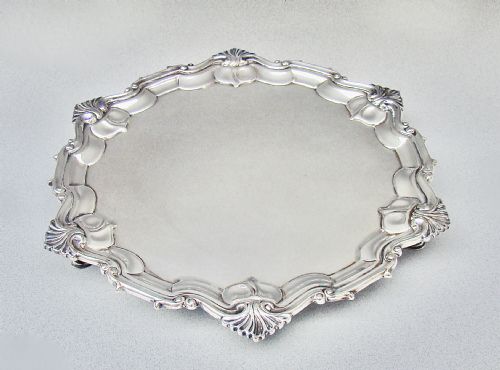
- A flat serving tray typically raised on small feet, traditionally used for presenting glasses or letters. These circular or shaped pieces anchor formal table settings.
- Gallery tray
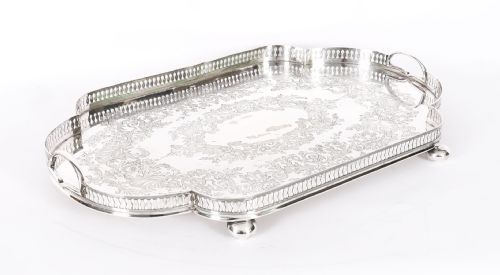
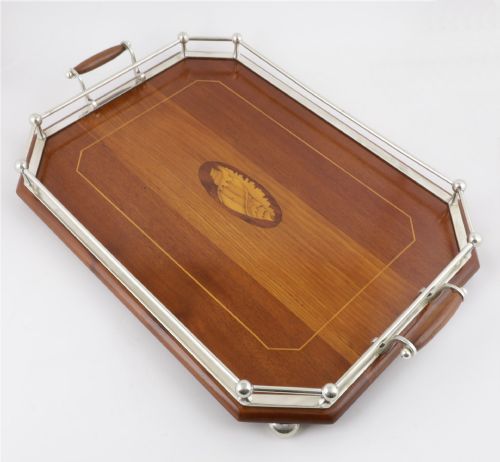
- A serving tray fitted with a pierced or solid upright metal gallery around its perimeter to keep items from sliding off. They frequently incorporate wooden bases.
- Repoussé
- A metalworking technique where the artisan hammers the design from the reverse side to form raised patterns on the front. This creates textured borders and pictorial panels.
Vintage Silver Platter: Frequently Asked Questions
How were these platters used?
These pieces served practical roles in domestic dining, carrying tea sets, decanters, or carved meats from the kitchen to the table. Larger versions functioned as butler trays for drinks and presentation.
Over time, their roles shifted from active dining room service to decorative display pieces on sideboards and coffee tables.
How do I clean old silver plate?
Regular maintenance requires a gentle silver polish and a soft cloth to remove tarnish without wearing through the thin plated surface. Avoid harsh abrasive cleaners that strip the silver layer from the base metal.
Store the items in dry environments and use tarnish-resistant cloths if keeping them enclosed for extended periods.
What is old Sheffield plate?
Old Sheffield plate is an early fusion material made by heating a sheet of silver and a block of copper until they bonded together. Craftsmen then rolled the combined metal into sheets for cutting and forming.
This technique predates modern electroplating and leaves a subtle copper line along exposed edges.
How do I date a silver tray?
Dating relies on maker marks, style markers such as Art Deco geometry or Victorian flourishes, and construction methods. Examining the underside and the nature of the handles often reveals the manufacturing era.
Comparing the piece with documented workshop timelines helps narrow down the decade of production.