



Silver Plated Serveware
Silver plated serveware brings nineteenth and twentieth century dining tables to life with practical serving pieces in silver plate, glass, and wood.

Silver Plated Serveware
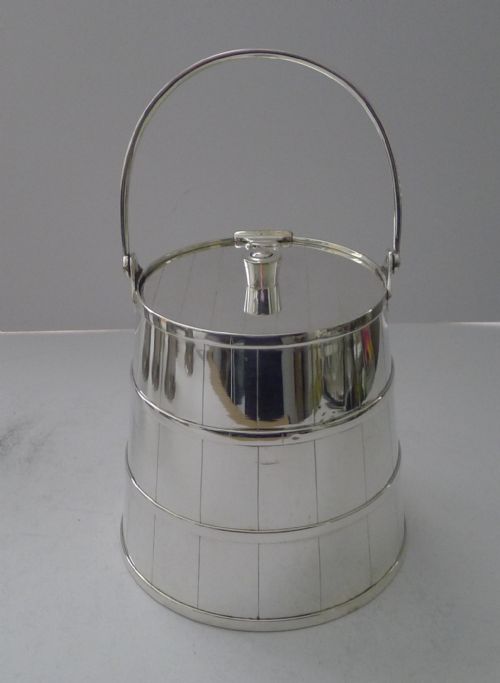
Silver plated serveware encompasses functional table items designed for nineteenth and twentieth century dining rooms, spanning periods from the Georgian era through to French mid-century design. Buyers exploring this category encounter specialised forms created for specific courses, including entree dishes, sauce boats, toast racks, and biscuit barrels.
The selections on this page lean heavily toward Victorian and Edwardian pieces alongside French examples, reflecting diverse styles from late Victorian ornamentation to Art Deco geometry. These items range from simple toast racks to elaborate revolving breakfast dishes and spoon warmers, utilising metals paired with glass or ceramic liners.
Makers such as Mappin and Webb, Elkington, and Walker and Hall frequently appear alongside continental manufacturers like Christofle, showing the broad geographic spread of workshops producing quality plate. Each object reveals the domestic rituals of its period, whether serving asparagus, strawberries, or roasted meats.
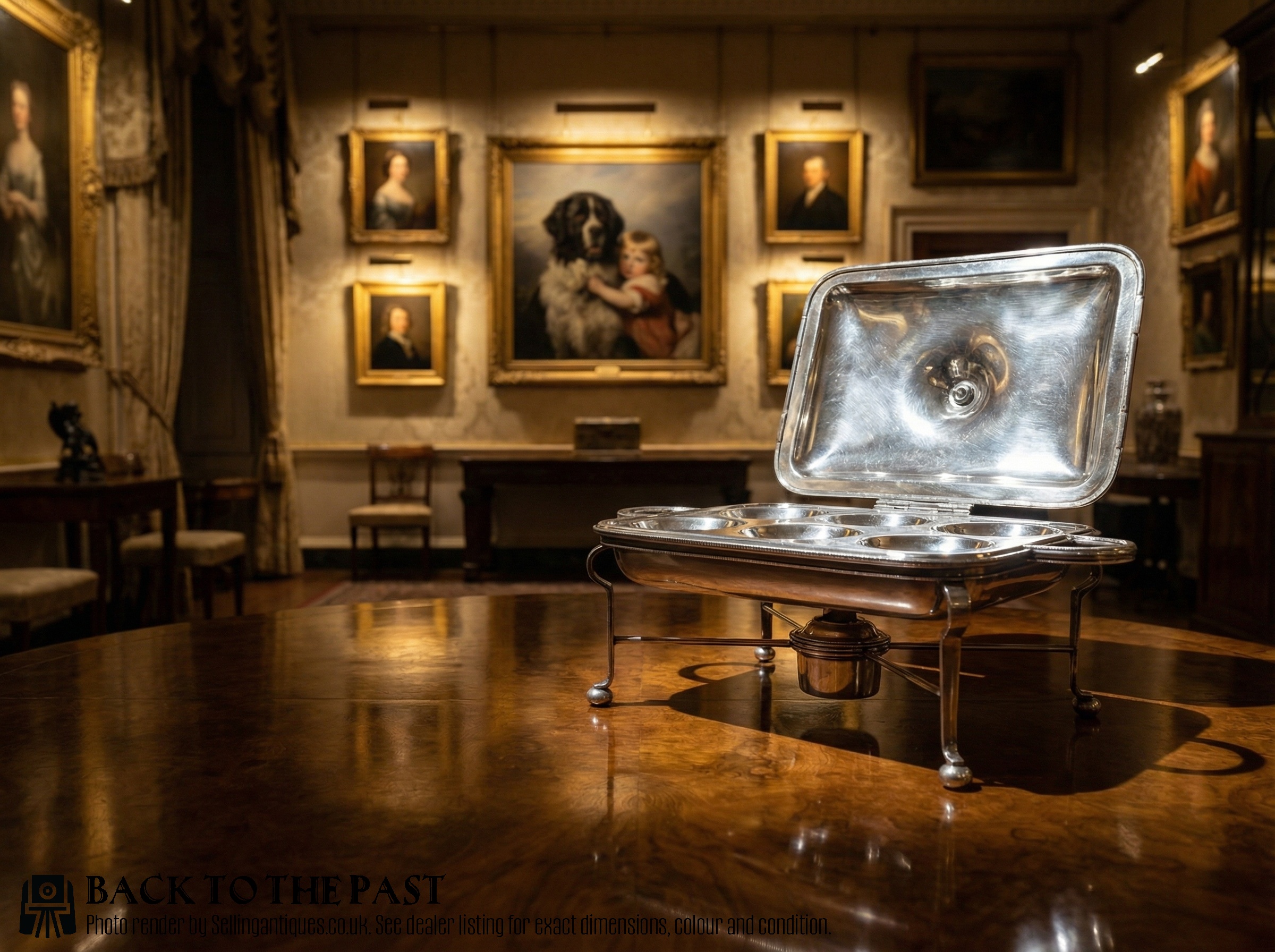
Materials and construction methods
Makers relied primarily on silver plate and electroplated nickel silver, often abbreviated as EPNS, laid over base metals to achieve the lustre of solid silver without the prohibitive cost. Old Sheffield Plate appears in earlier Georgian pieces, using a process where a thin sheet of silver was fused to a copper core.
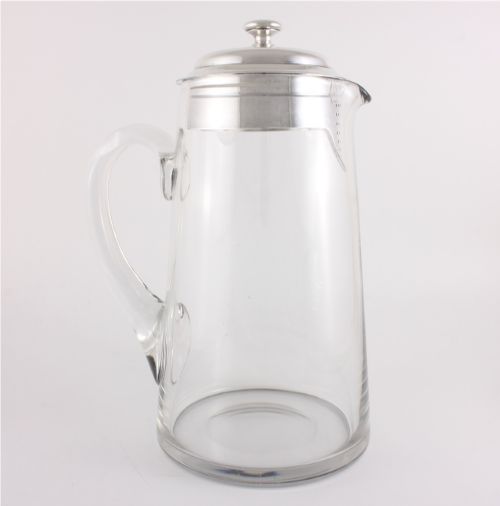
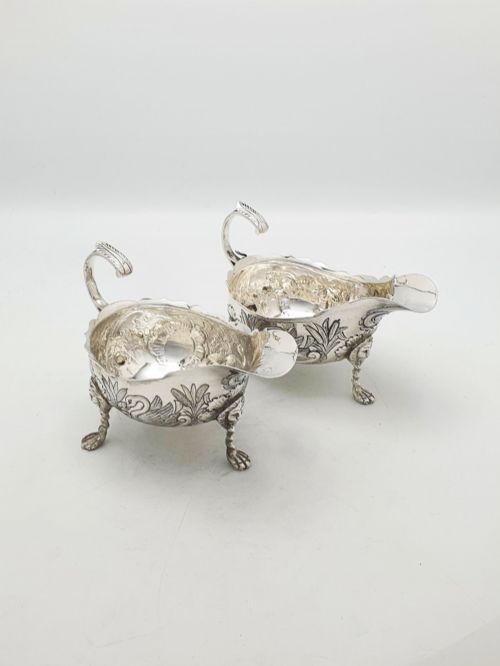
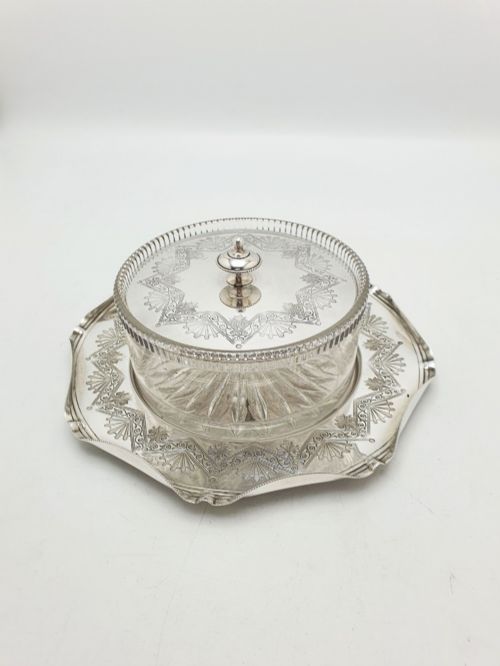
Many serveware pieces combine metal frames with fitted glass liners, ceramic plates, or polished oak bowls, requiring careful assembly by skilled artisans. Engraved decoration, applied cast borders, and gilt interiors add textural contrast and visual depth to items like butter dishes and sauce boats.
Silver Plated Serveware Retail Price Guide 2026
Typical asking prices for silver plated serveware among the pieces listed under this phrase on Sellingantiques today, from the lower quarter to the upper quarter. They describe what is for sale here now, not the wider market.
Nineteenth-century dining tables required specialised vessels just to keep serving spoons warm for guests.
Distinguishing quality in serveware
Quality rests in the weight of the base metal, the crispness of applied cast borders, and the retention of the original silver plating across high-friction areas. Superior pieces show substantial heft and careful balance, particularly in hinged mechanisms like revolving breakfast dishes or folding biscuit boxes.
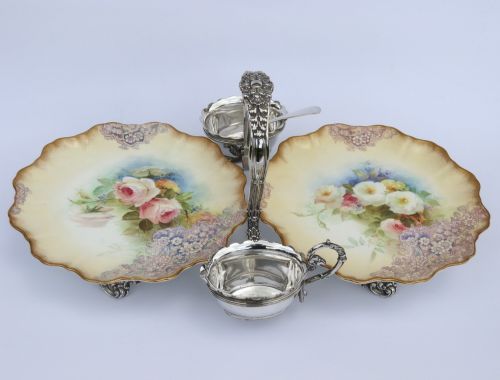
The integrity of associated components, such as original glass liners, ceramic Doulton Burslem inserts, or matching servers, separates standard examples from exceptional survivals. Maker marks from established firms like Elkington or Mappin and Webb often denote higher standards of workshop execution and heavier plating thickness.
Christofle·Walker and Hall·Mappin and Webb·Padley Parkin and Staniforth·Elkington·Roberts and Belk·Durand
The Silver Plated Serveware Glossary
- Silver plate
- A thin layer of pure silver bonded to a base metal such as copper or nickel silver. This technique democratised dining table presentation during the nineteenth century.
- EPNS
- Electroplated nickel silver, a durable base alloy introduced in the nineteenth century that became the standard substrate for silver plating.
- Old Sheffield plate
- An early method of fusing a sheet of silver to a copper ingot before rolling them into sheets. Edges often reveal the underlying copper core upon close inspection.
- Entree dish
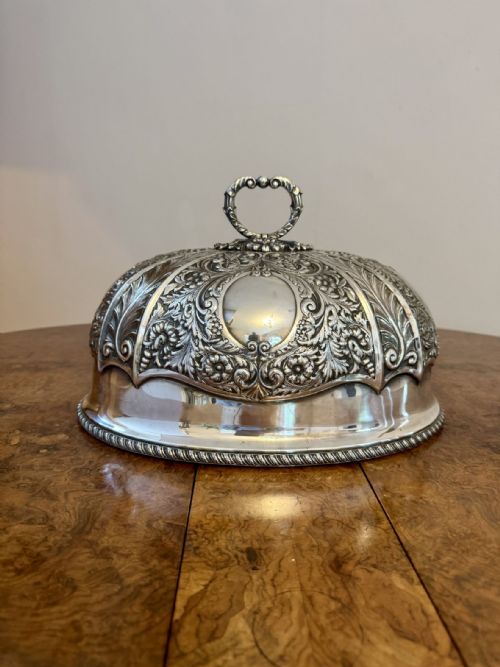
- A covered serving vessel intended for the second course of a formal meal. These often feature removable handles allowing the base to double as an open platter.
- Spoon warmer
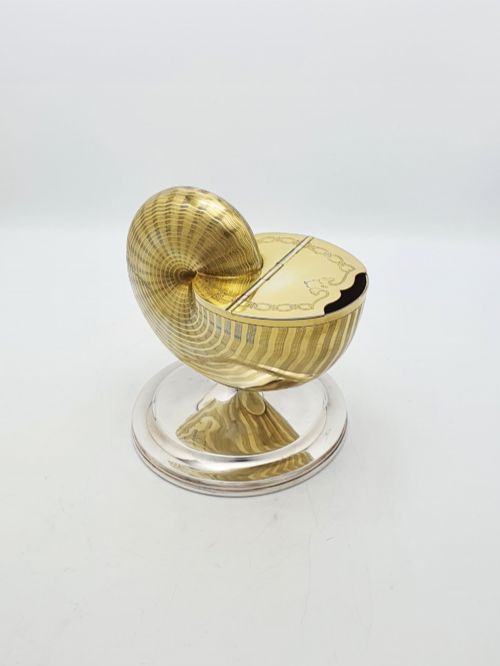
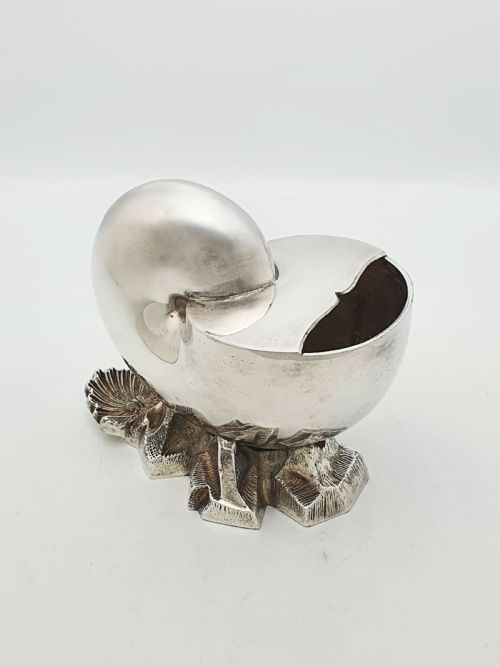
- A Victorian table accessory designed to hold hot water, keeping silver spoons warm for serving guests. They often take whimsical forms such as nautilus shells.
Silver Plated Serveware: Frequently Asked Questions
What is an entree dish used for?
Entree dishes served hot courses during formal Victorian and Edwardian dinners, keeping food warm at the table with fitted covers.
Their versatile design often allowed the cover to be removed and used as a secondary serving dish.
How do I clean silver plated serveware?
Gentle washing with warm water and mild soap removes daily dust without harming the plated surface.
A specialised silver polish applied lightly helps maintain the shine when tarnish builds up.
What is Old Sheffield Plate?
Old Sheffield Plate is an early technique where silver is mechanically fused to copper before shaping.
This method predates electroplating and often shows subtle copper hints along high-wear edges.
Are glass liners original?
Many butter dishes and preserve pots retain their original blown or pressed glass liners.
Exact fits and period manufacturing traits help distinguish original glass from later replacements.