


Silver Table Hollowware
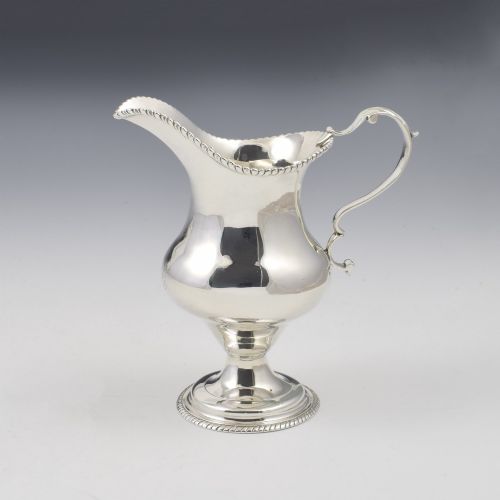
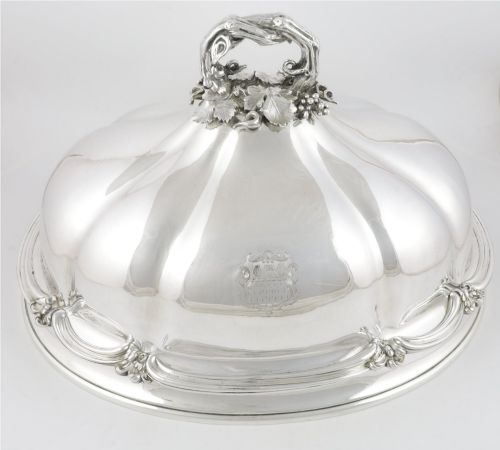
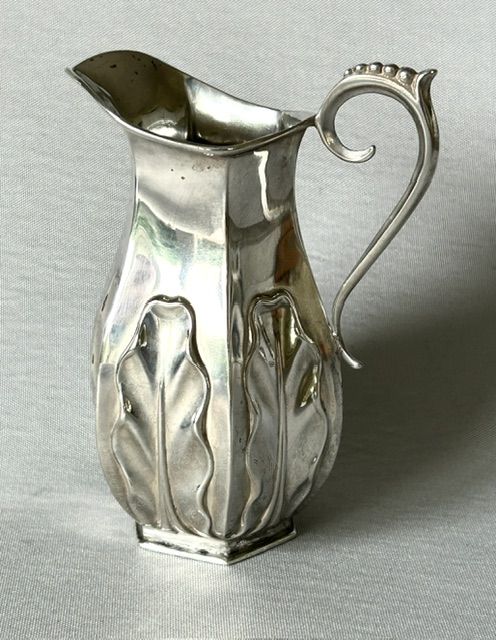
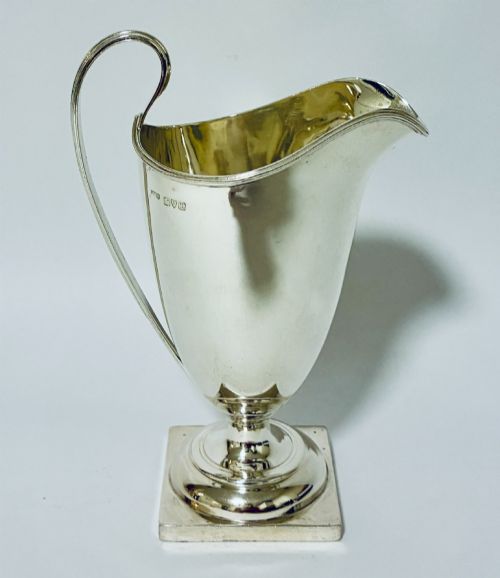
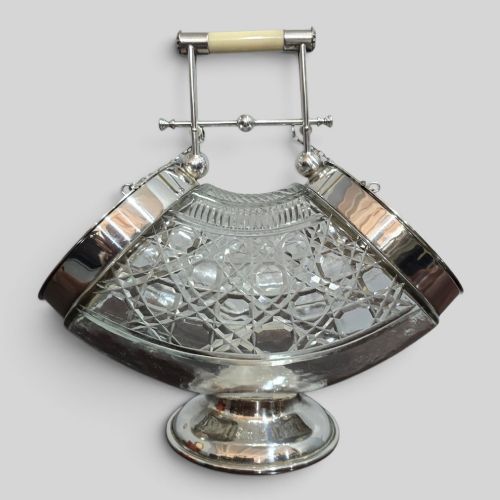
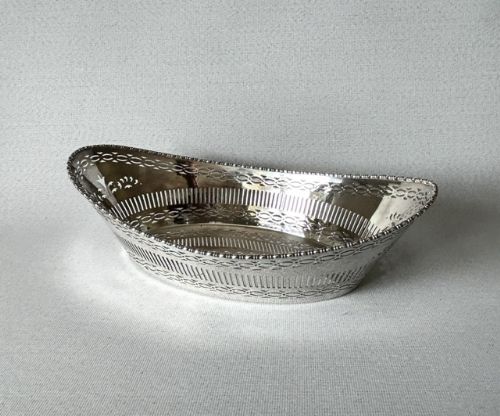
Silver table hollowware encompasses domestic vessels and serving pieces like cream jugs, sauce boats, and baskets designed to grace dining and tea tables.
Silver Table Hollowware
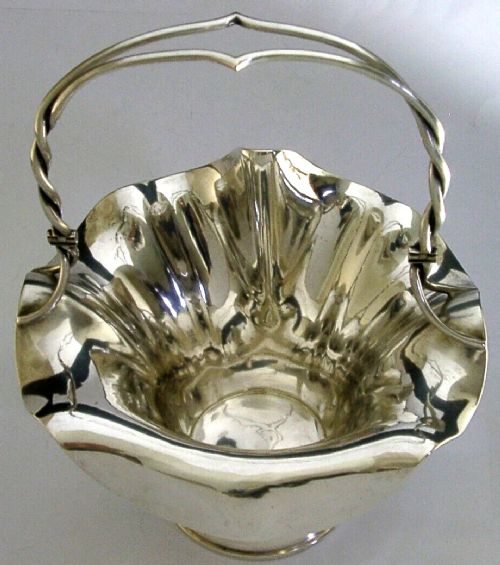
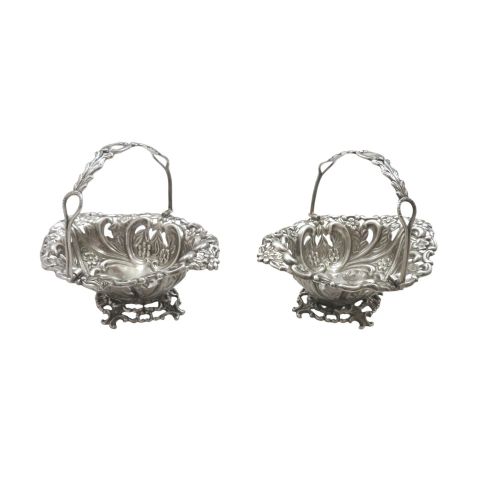
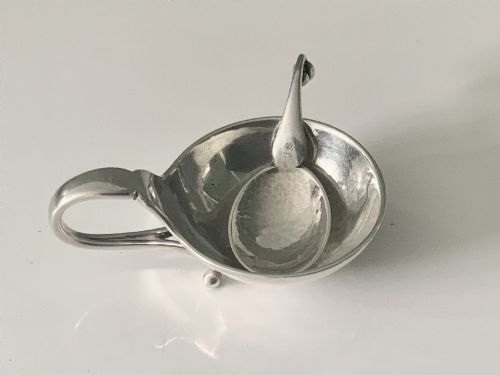
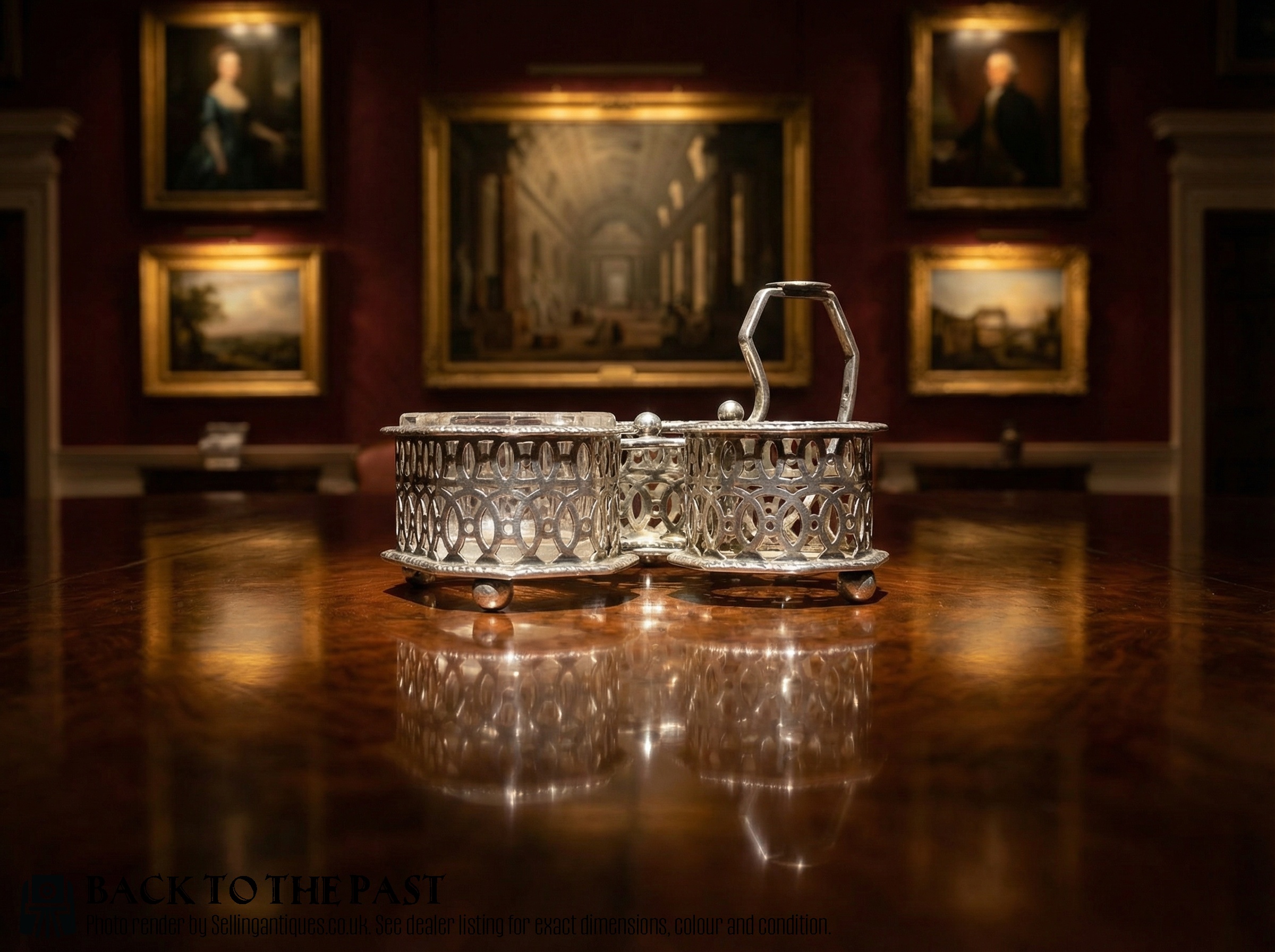
Silver table hollowware covers the practical vessels used in food and drink service across the dining room, tea table, and sideboard. When searching for silver table hollowware, buyers encounter forms ranging from Georgian mustard pots and cream jugs to Victorian biscuit boxes, Edwardian bread baskets, and sauce boats.
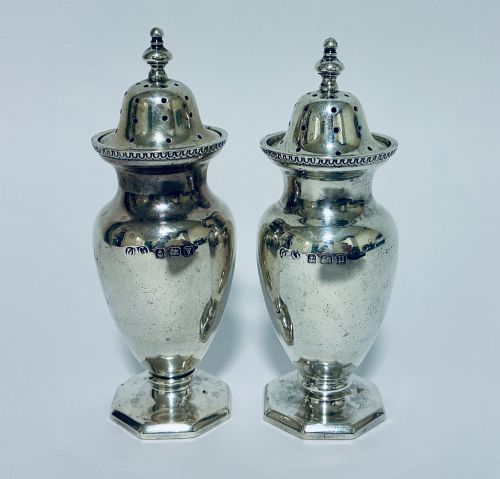
The pieces on this page span several centuries, with particular representation from the Georgian, Victorian, and Edwardian eras. Common functional categories include salt cellars, pepper pots, gravy warmers, and serving dishes created for everyday domestic use or formal dining.
Origins vary across British, European, and American makers, utilising traditional forms shaped by changing dining fashions. Buyers find both solid sterling silver constructions and silver plated alternatives, reflecting the diverse manufacturing approaches of each period.

Factors of quality
Quality rests upon the crispness of chased or cast decoration, the weight of the metal, and the integrity of structural joins such as handles and feet. Pieces displaying hand-finished details like naturalistic foliage show superior craftsmanship compared to mass-produced equivalents.
The preservation of original components, such as matching liners or spoons, influences the standing of an item. Maker marks and hallmarks provide clear attribution, while the retention of original plating thickness on silver plate pieces marks a higher standard of preservation.
Silver Table Hollowware Retail Price Guide 2026
Typical asking prices for silver table hollowware among the pieces listed under this phrase on Sellingantiques today, from the lower quarter to the upper quarter. They describe what is for sale here now, not the wider market.
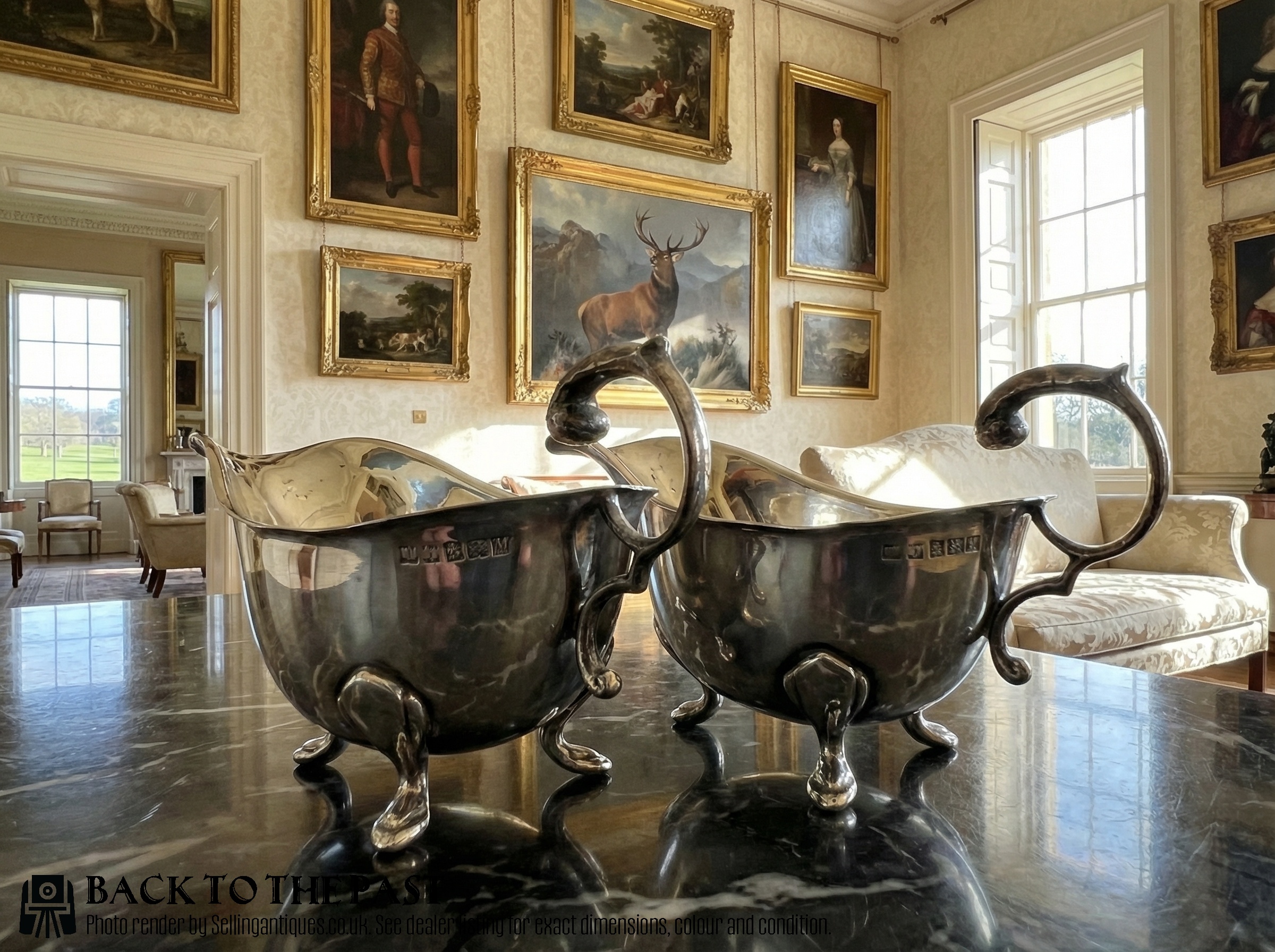
Some nineteenth century sauce boats feature naturalistic acorn designs, bringing a touch of the oak forest straight to the gravy boat.
Stalker and Mitchison·Roberts Cadman·Georg Jensen·Mappin and Webb·Padley Parkin and Staniforth·Theodore B Starr·Charles Stuart Harris·William Hutton and Sons·Elkington
The Silver Table Hollowware Glossary
- Hollowware
- Table vessels such as bowls, jugs, pots, and baskets that are hollow in construction, distinguishing them from flatware like spoons and forks.
- Old Sheffield Plate
- An early form of plated metal produced by fusing a layer of silver to a copper base, often showing subtle traces of copper visible at the edges.
- Quaich
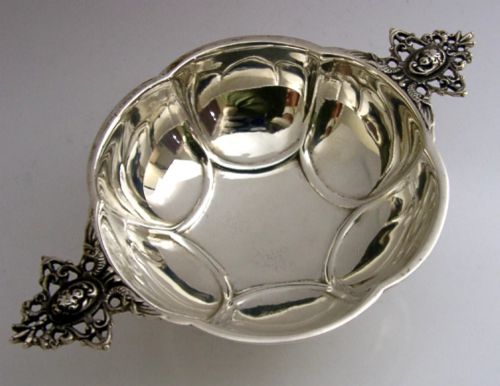
- A traditional shallow two-handled drinking vessel originating in Scotland, frequently utilised for whisky or as a small decorative bowl.
- Cruet stand
- A frame designed to hold multiple condiment bottles, mustard pots, or castors together for use at the dining table.
- Argyle
- A specialised gravy warmer featuring an internal compartment for hot water to keep sauces from cooling during meals.
Silver Table Hollowware: Frequently Asked Questions
What is silver table hollowware?
Silver table hollowware refers to three-dimensional vessels used for serving food and beverages at the table. This category includes items such as cream jugs, sauce boats, bowls, and baskets.
These pieces were essential components of formal dining and tea service in past centuries. Today, collectors use them to add functional elegance to modern dining tables.
How do I clean silver hollowware?
Cleaning requires a soft cloth and a specialised silver polish formulated to remove tarnish without scratching the metal surface. Avoid harsh abrasives that can wear away thin plating on silver-plated items.
Wash pieces in warm soapy water and dry them thoroughly immediately after cleaning. Proper storage in anti-tarnish cloths helps maintain the finish between uses.
How can I tell solid silver from silver plate?
Solid silver items typically bear hallmarks indicating the standard of silver, such as the lion passant for British sterling. These marks often include assay office symbols and date letters.
Silver-plated pieces usually display maker marks that denote plating methods or alternative standards rather than sterling hallmarks. Examination of edges can sometimes reveal the underlying base metal where plating has worn.
How were sauce boats used?
Sauce boats served gravy, melted butter, or culinary sauces during dining services. They were placed on the table alongside meat dishes for guests to serve themselves.
Their spouts and handles allowed for controlled pouring during formal meals. Many included matching ladles or rested upon dedicated underplates.
Can I use antique hollowware daily?
Many pieces of silver hollowware remain entirely functional for everyday use in modern homes. Cream jugs, sugar bowls, and serving dishes easily adapt to contemporary dining routines.
Careful hand washing and sensible handling protect delicate components like glass liners and soldered handles. Regular use actually prevents tarnish accumulation on active serving pieces.