

Vintage Silver Jug
A vintage silver jug brings solid weight and polished reflection to a table, combining practical service with enduring metalwork.
Vintage Silver Jug
When you search for a vintage silver jug, you encounter a varied selection of vessels designed for pouring water, wine, cream, or sauce. The pieces appearing here span from heavy nineteenth-century examples to crisp twentieth-century designs.
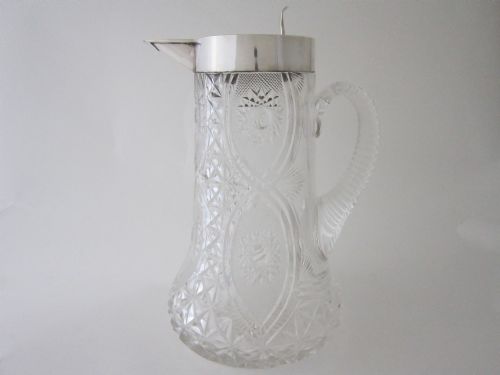
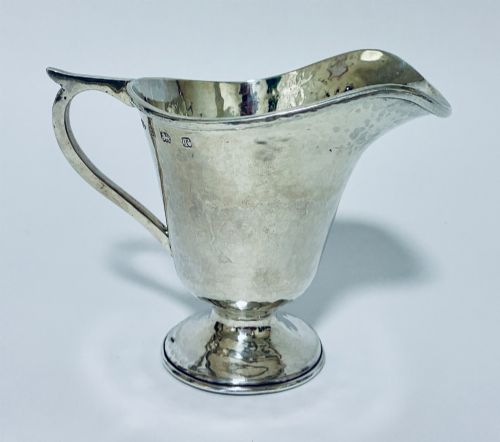
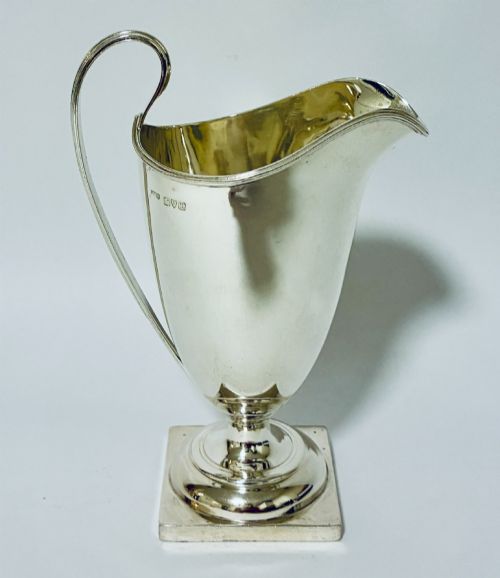
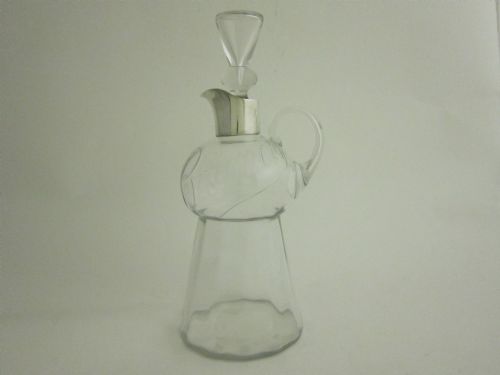
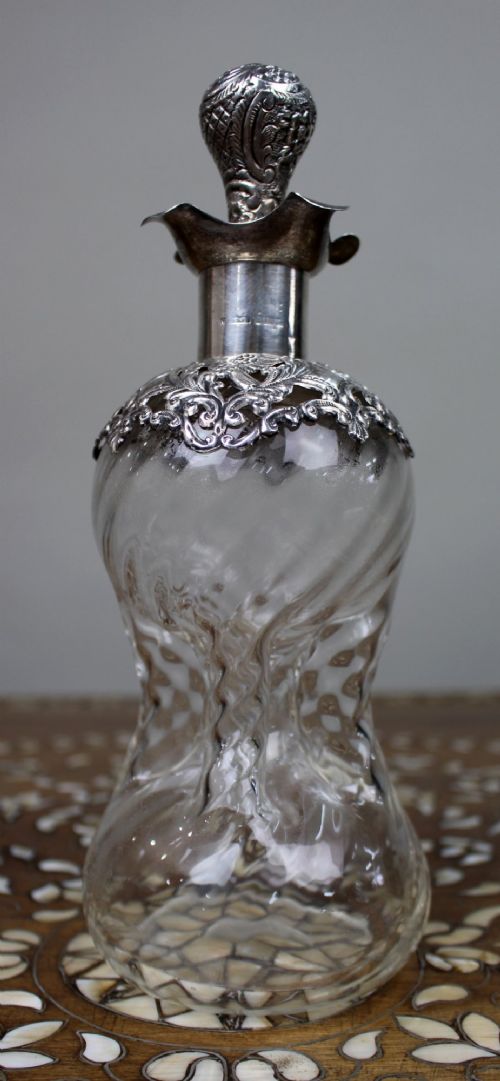
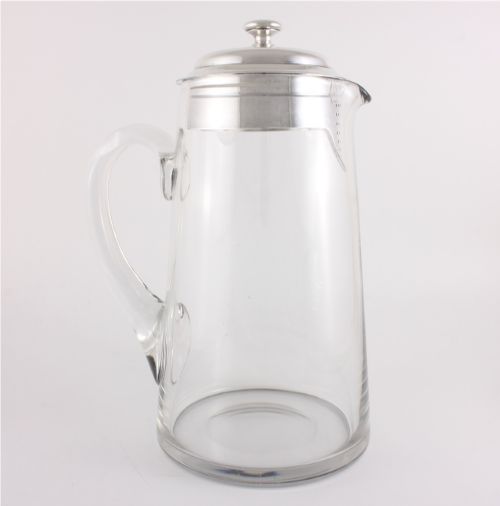
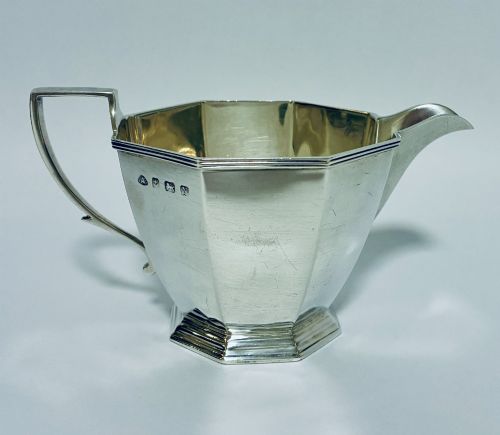
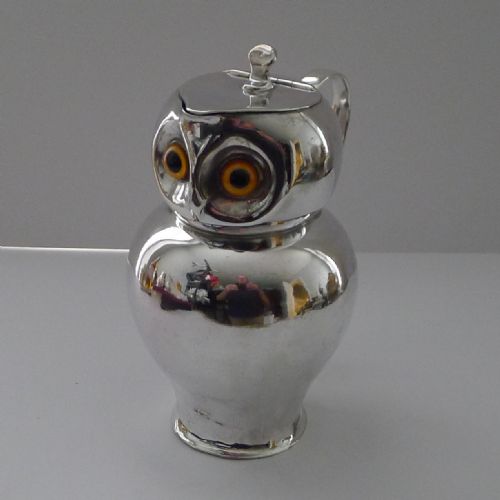
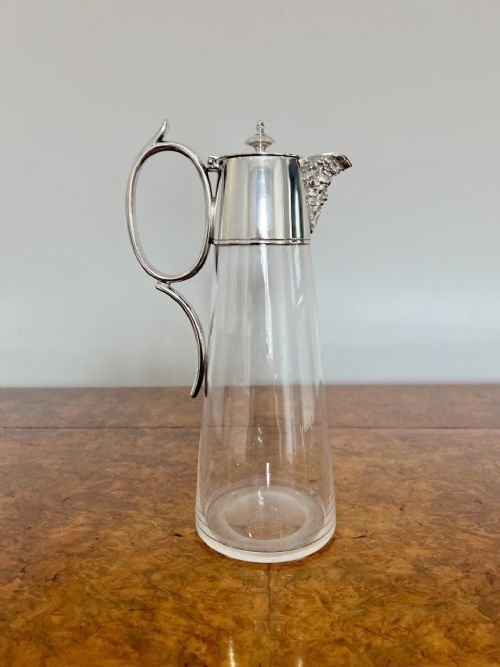
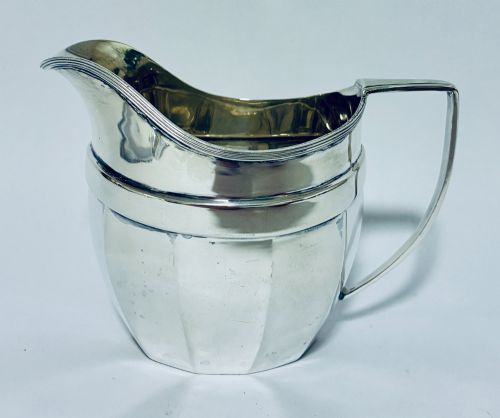
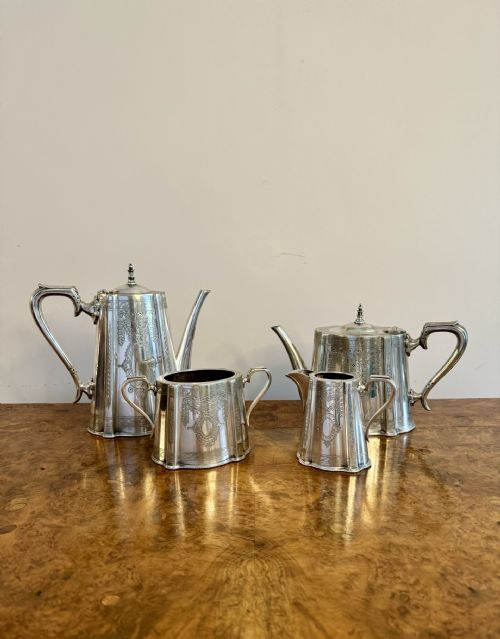
The forms include tall claret jugs with cut glass bodies, compact cream jugs for tea service, and wide-bellied sauce boats. Many combine sterling silver or silver plate with clear crystal, glass, or occasional wooden handles.
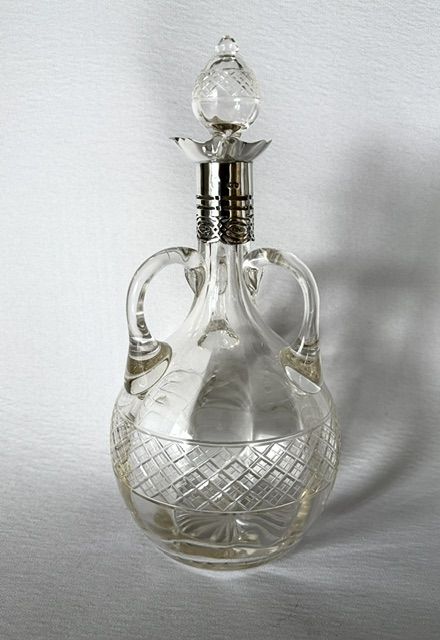
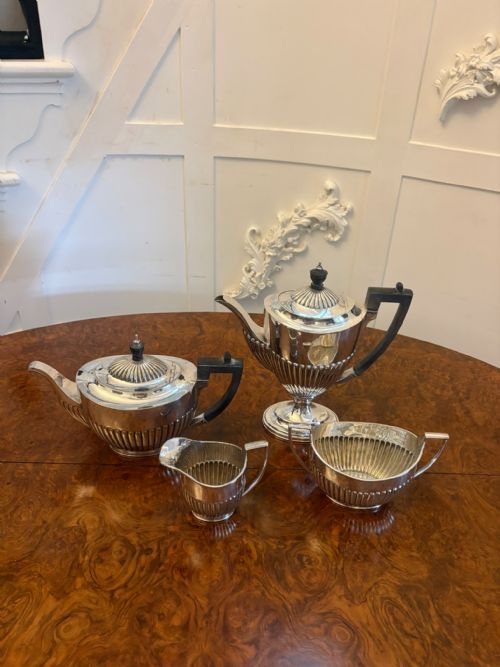
Originating across Victorian, Edwardian, and Art Deco periods, these items reflect domestic rituals centred on dining, tea, and spirits. You are most likely to meet silver-mounted glass decanters and solid metal cream jugs in this collection.
How they were made
Silversmiths utilised traditional methods such as hammering, casting, and spinning to shape sterling silver and silver plate into sturdy bodies and crisp handles. Mounts and collars were meticulously fitted to glass and crystal bodies, securing spouts and rims with pins or collars.
Glass components were often heavily cut or moulded into geometric and floral patterns to catch the light alongside the polished metal. Plated items relied on depositing silver layers over base metals like copper or pewter, resulting in durable domestic wares.
Listings feature periods from the Georgian era through to mid-century French design, utilising sterling silver, cut crystal, and pewter.
What varies in quality
The distinction between ordinary and exceptional pieces rests upon the crispness of the metalwork and the weight of the glass. Superior examples display sharp casting detail, balanced proportions, and tight integration between glass bodies and silver mounts.
Subtle differences in handle comfort, hinge movement on lids, and the depth of cut crystal distinguish workshop standards. Better pieces retain unblemished silver surfaces and clear, heavy glass free from cloudiness.
Walker and Hall·Mappin and Webb·Liberty and Co·Christofle·Archibald Knox
The Vintage Silver Jug Glossary
- Claret jug
- A tall vessel intended for serving red wine, typically featuring a glass body with a silver-plated or sterling silver mount and hinged lid. These often display intricate cut crystal patterns.
- Whisky noggin
- A small spirit jug or decanter, frequently supplied with a matching label, designed for a single measure of whisky. They appear with star-cut bases and sturdy silver handles.
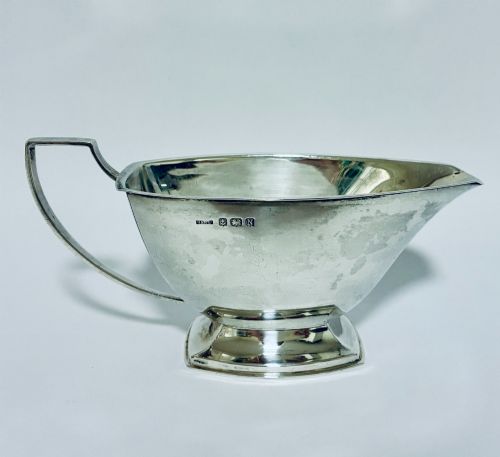
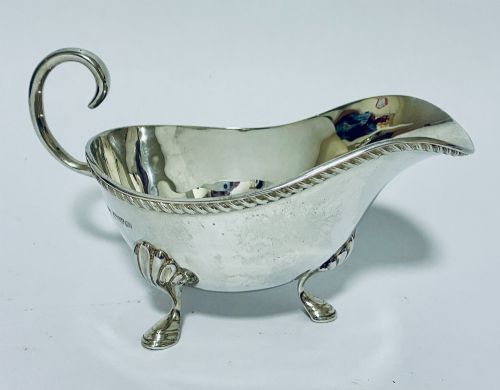
- Sauce boat
- An open boat-shaped vessel used for serving gravies and sauces, usually raised on three feet or an attached tray. They date across Georgian, Victorian, and later periods.
- Sterling silver
- An alloy containing a high proportion of pure silver combined with other metals to ensure durability for tableware. Items bear hallmarks indicating their standard and assay office.
- Silver plate
- A manufacturing method where a thin layer of silver is bonded to a base metal such as copper or nickel brass. This technique provided an accessible alternative to solid silver.
Vintage Silver Jug: Frequently Asked Questions
How do I clean tarnished silver?
Use a soft cloth and a specialised silver polish, rubbing gently to avoid removing thin plating layers. Wash away residue with warm soapy water and dry thoroughly.
Avoid abrasive pads or harsh chemical dips that strip away the fine surface details and historical patina accumulated over decades.
Can I use these jugs daily?
Solid silver and glass vessels handle regular use well if washed by hand rather than placed in a dishwasher. Modern dining benefits from the sturdy build of these domestic antiques.
Take care with silver-plated items to protect the underlying metal from aggressive scrubbing or prolonged exposure to acidic liquids like lemon juice.
What is a claret jug?
A claret jug is a serving pitcher specifically designed for red wine, combining a glass or crystal chamber with a metal pouring spout and hinged lid. They were staples of nineteenth-century dining.
Many examples feature decorative mounts depicting natural motifs or geometric cuts that refract light across the dinner table.
How do I identify the date?
Look for hallmarks stamped into the silver surface, which indicate the assay office, standard mark, and date letter for solid pieces. Stylistic cues like Art Deco geometry or Victorian ornamentation also help.
Unmarked silver plate often relies on maker marks, design registration numbers, or the overall manufacturing technique to suggest an approximate decade.