


Silver Water Pitcher
These silver water pitchers bring weight and polish to a table, offering both Georgian restraint and later decorative flair.
Defining silver water pitchers
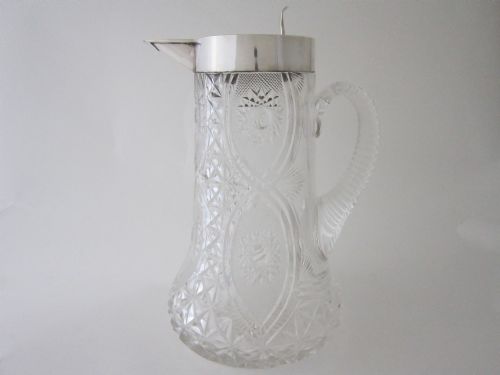
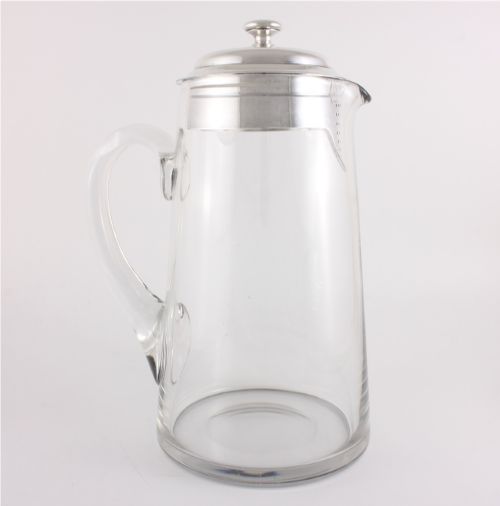
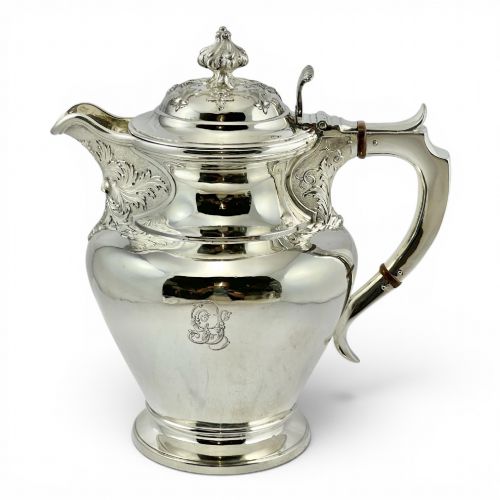
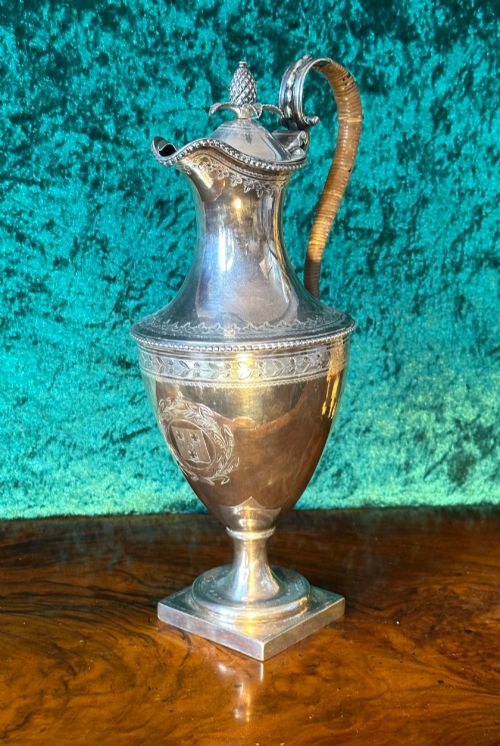
A silver water pitcher serves liquid refreshment with substance and style, appearing across domestic settings in various historical periods. When exploring silver water pitchers on this page, buyers encounter domestic vessels spanning the Georgian era, the nineteenth century, and the nineteen-thirties. Forms range from classical ewers to sturdy jugs, shaped by periods such as the William IV reign, the Neoclassical movement, Rococo ornamentation, and Art Deco design.
The pieces listed now and in the archive demonstrate how makers adapted these vessels for everyday dining and formal presentation alike. Scottish provincial workshops, English makers, and transatlantic manufacturers all contributed to this diverse category of servingware. Buyers frequently meet sterling silver and silver-plated examples, occasionally paired with organic materials like oak or glass.
Materials and construction
Silversmiths utilised sterling silver and heavy silver plate over base metals, shaping the body through hammering, spinning, or casting. Handles often incorporate insulating materials or wooden elements to protect the hand from chilled contents.
Decorative techniques recorded in the evidence include Neoclassical restraint, ornate Rococo scrolling, and the geometric clean lines of Art Deco. Detail work ranges from crisp cut crystal combinations to sturdy wooden mounts and traditional hallmarks.
Retail Price Guide 2026
Typical UK retail prices for silver water pitcher, calculated from the Sellingantiques database of over a million retail prices indexed since 2003. This retail price guide relies exclusively on Sellingantiques data; no external sources or auction records are used, so the figures do not describe the wider market.
Listings span multiple centuries, uniting Georgian sterling silver with nineteen-thirties modernist forms.
Distinguishing quality
Quality rests in the harmony of proportion, the crispness of the chased or cast ornament, and the weight of the metal itself. Heavier gauge silver provides structural integrity and a balanced feel in the hand, whereas lighter vessels lack that substantial presence.
The distinction between solid sterling silver and silver plate marks a fundamental division in value and material honesty. Furthermore, the clarity of hallmarks and the refinement of regional craftsmanship elevate certain works above standard commercial production.
Elkington·Mappin and Webb·Meriden·Gorham
The Silver Water Pitcher Glossary
- Ewer
- A large pitcher with a flared spout and curved handle, historically used for pouring water. These vessels often carry more elaborate, decorative forms than standard domestic jugs.
- Sterling silver
- An alloy containing a high proportion of pure silver combined with other metals for durability. British pieces typically display a lion passant hallmark to confirm this standard.
- Silver plate
- A thin layer of silver bonded to a base metal core, such as copper or nickel brass. This technique allowed manufacturers to produce substantial vessels at a lower cost.
- Hallmark
- An official stamp impressed into precious metal indicating the maker, assay office, and date of testing. These marks provide a reliable anchor for provenance and dating.
Frequently Asked Questions
How do I clean an antique silver water pitcher?
Use a soft cloth and a specialised silver polish designed to remove tarnish without abrading the surface detail. Avoid harsh chemical dips, which can strip away the aged patina.
Rinse the vessel thoroughly with warm water and dry immediately with a lint-free cloth to prevent water spots on the polished finish.
Can I use these pitchers for serving water today?
Solid sterling silver pieces are generally safe for serving cold water, provided the interior is clean and free of harmful residues. Silver-plated vessels require inspection to ensure the underlying base metal is not exposed.
Silver naturally conducts temperature, so adding ice water will quickly chill the exterior of the jug for a pleasant tactile experience at the table.
How do I distinguish Georgian from later styles?
Georgian pieces often display cleaner classical lines, Neoclassical symmetry, or restrained Rococo curves, usually accompanied by legible town and date letter hallmarks. Later nineteenth and twentieth-century examples frequently employ silver plating and adopt heavier Victorian ornamentation or streamlined Art Deco geometries.
Examining the construction methods and any stamped registry marks helps clarify the exact decade of manufacture.
What does silver plate mean for durability?
Silver plate consists of a robust base metal coated with a layer of pure silver, offering the visual appeal of solid silver at a different scale of production. Over decades of polishing, the underlying metal may occasionally show through at high points.
Careful handling ensures that a well-plated antique maintains its bright reflective surface across generations of use.