

Vintage Silver Tableware
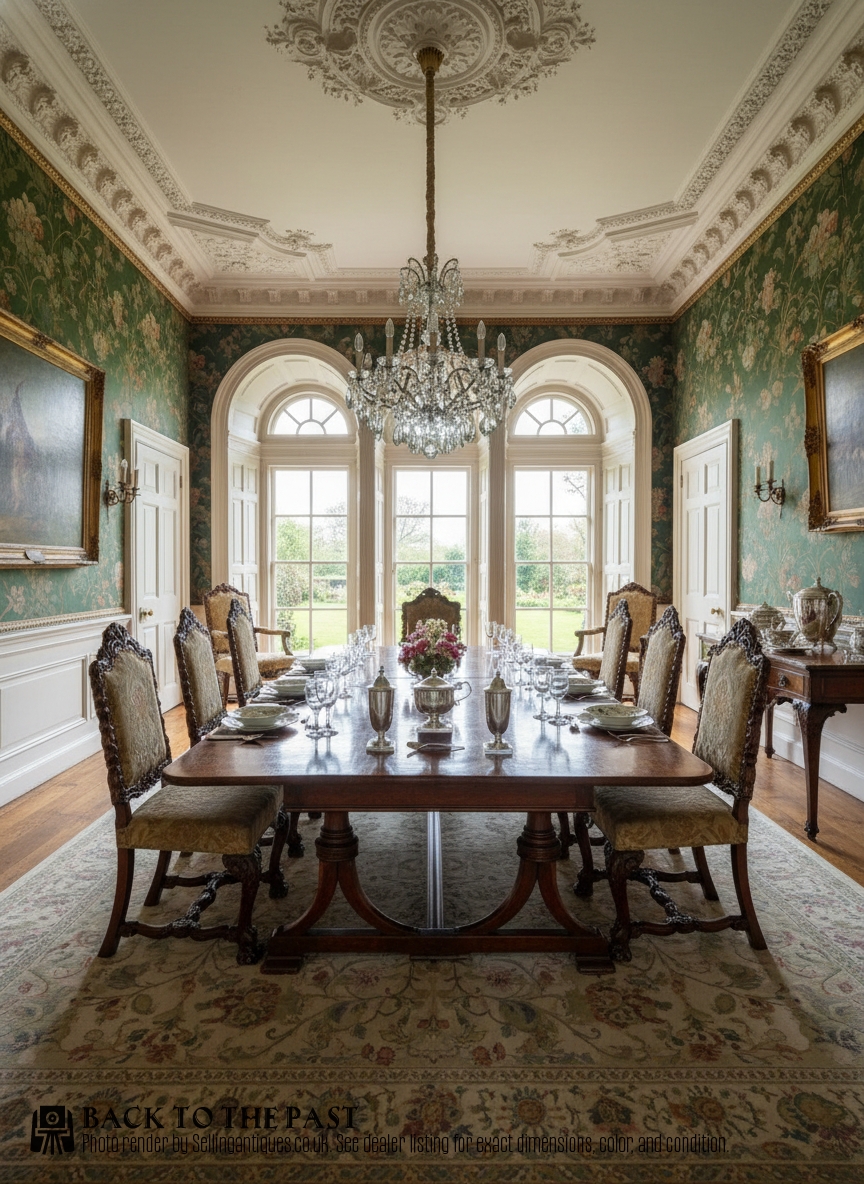
Vintage silver tableware brings twentieth-century dining traditions to the table through functional items crafted in solid sterling silver and plated metals.
Vintage Silver Tableware
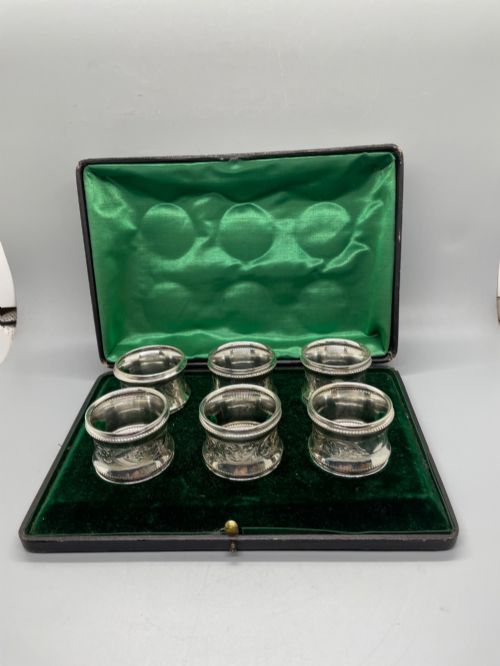
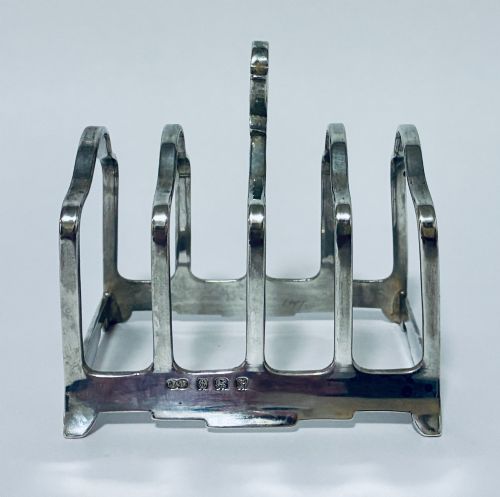
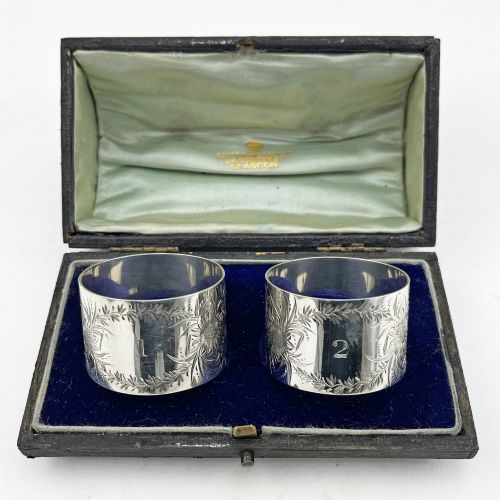
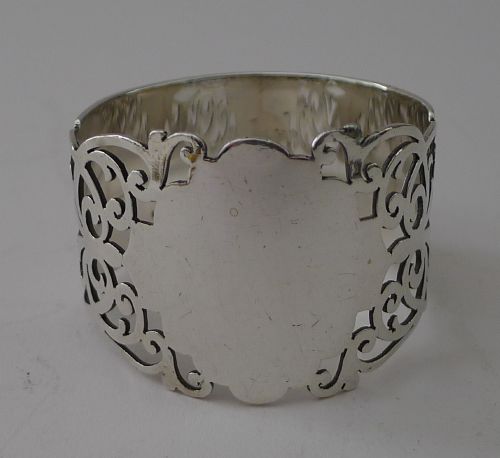
Vintage silver tableware encompasses a wide variety of dining accessories, including napkin rings, cruet sets, pepper pots, sauce boats, and cream jugs. These objects span several decades of the twentieth century, reflecting shifting domestic habits and formal dining customs from the Edwardian period through to the mid-century modern era.
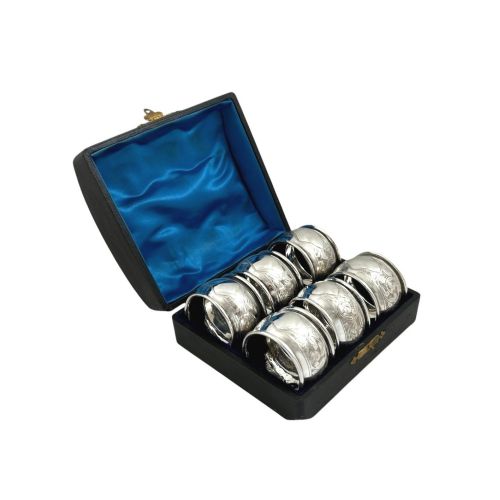
Napkin rings and cruet sets represent the most common forms encountered within this selection. Pieces frequently originate from British workshops, though items from continental Europe and the Ottoman Empire also appear, offering diverse stylistic influences from Art Deco geometric lines to Arts and Crafts hammered textures.
Materials and Techniques
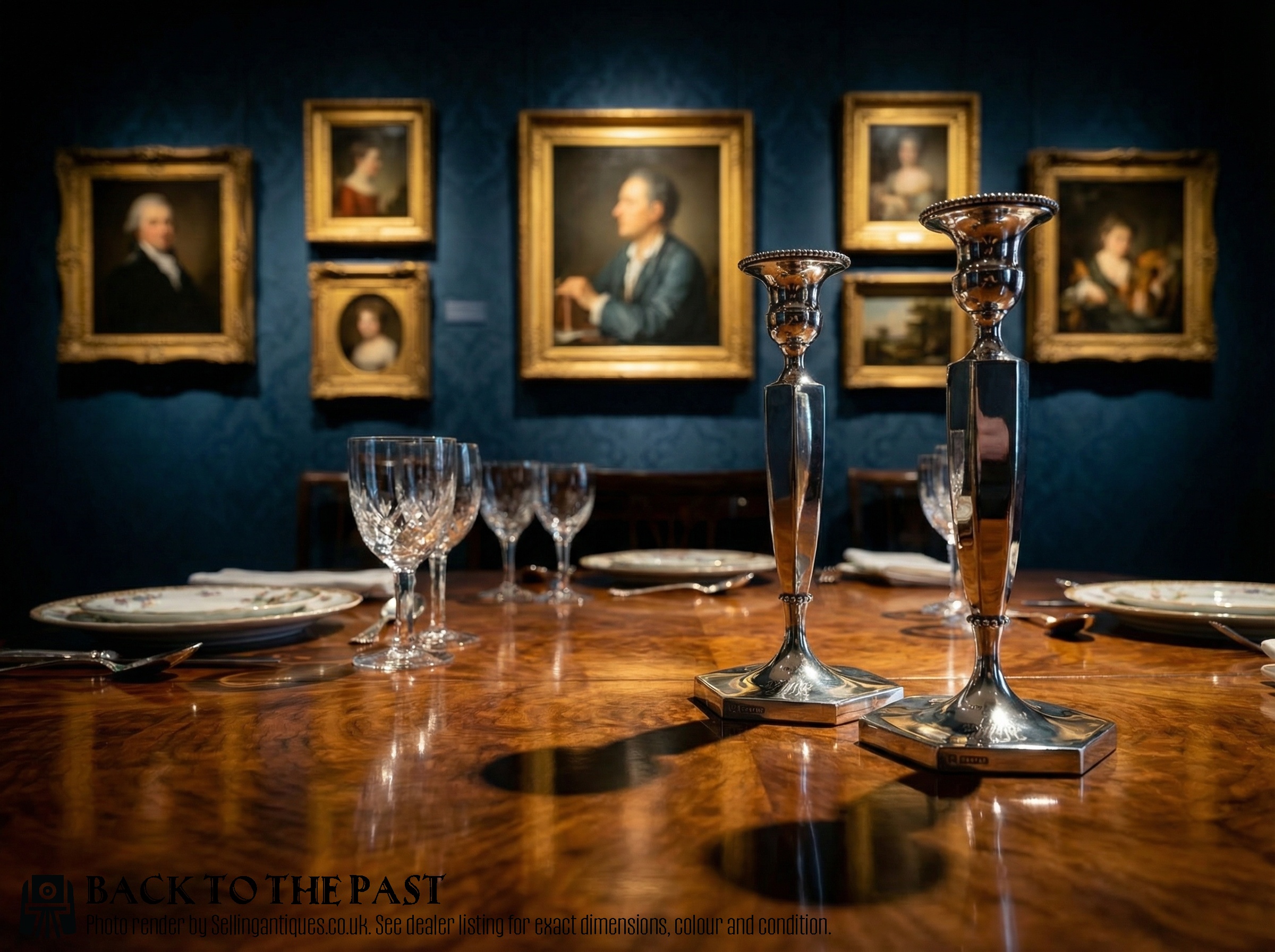
Silversmiths utilised solid sterling silver and silver plate as the primary structural materials for these pieces. Construction techniques combined traditional hand-hammering with mechanical forming, often pairing the metal with contrasting elements such as blue glass liners, crystal, agate, velvet, and silk.
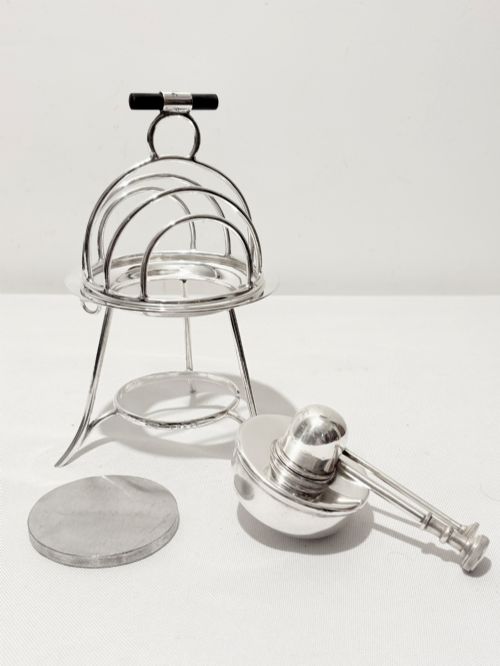
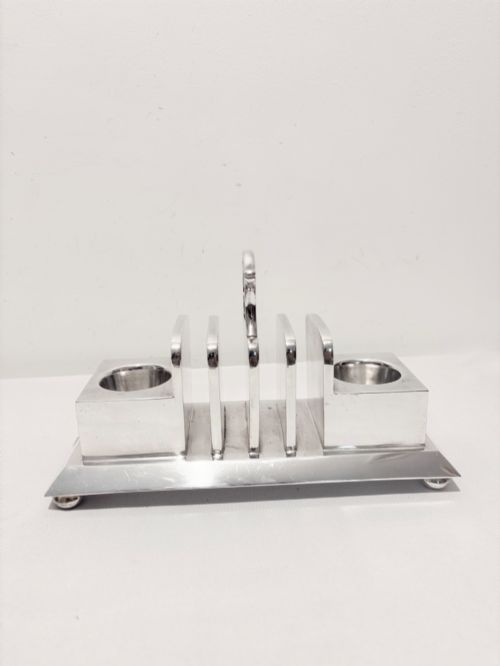
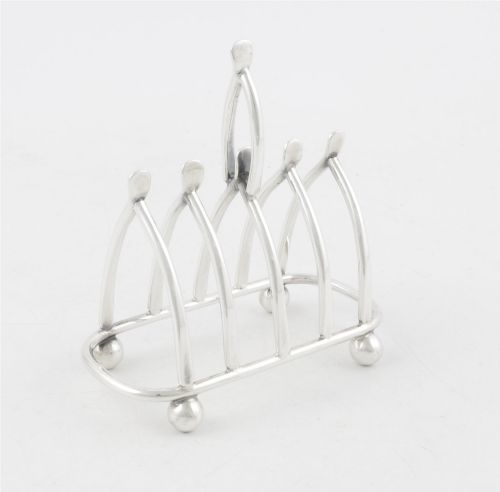
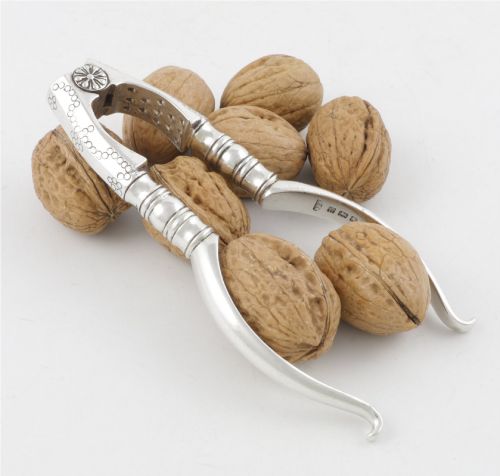
Specialised items integrate moving components, such as the hinged wings on crystal swan salt cellars or extending frames on toast racks. Makers applied gilding, known as vermeil, to specific surfaces, while other objects relied on simple cast or pierced designs to achieve their final form.
Vintage Silver Tableware Retail Price Guide 2026
Typical asking prices for vintage silver tableware among the pieces listed under this phrase on Sellingantiques today, from the lower quarter to the upper quarter. They describe what is for sale here now, not the wider market.
Keep an eye out for the life-size bird chick pepper pot, ready to add a cheerful ornithological presence to the dining table.
Assessing Craftsmanship
Quality in these items rests upon the weight of the metal, the precision of the maker's mark, and the integrity of any secondary materials like glass or crystal liners. Heavier gauges of silver impart a substantial feel in the hand that lighter stamped metal simply cannot replicate.
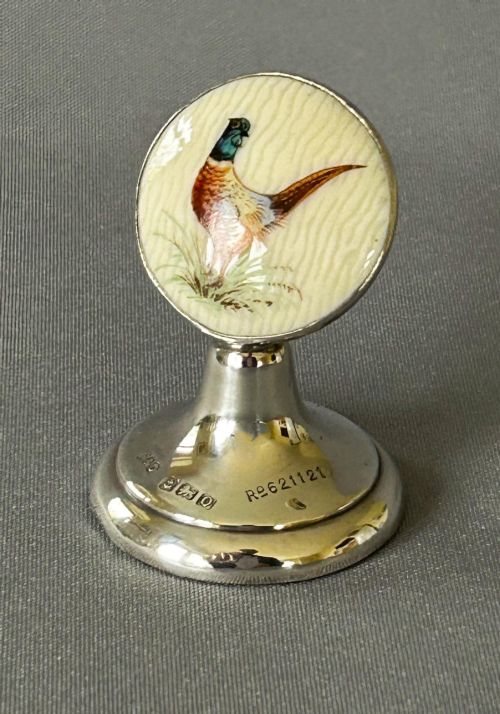
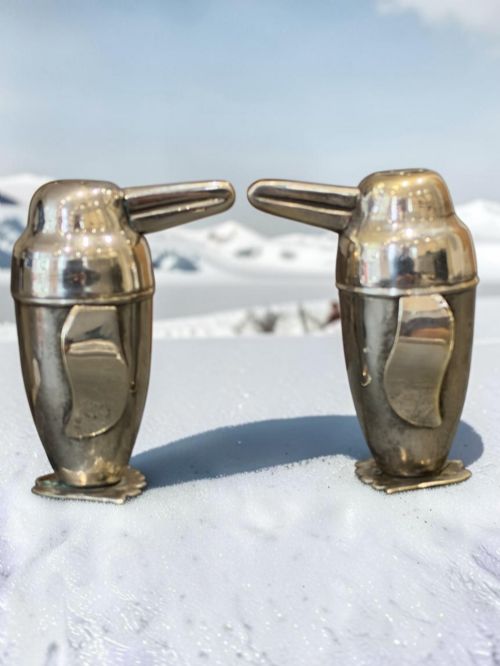
The sophistication of the design execution distinguishes standard production pieces from exceptional works. Novelty items featuring detailed animal motifs, such as birds or owls, demonstrate a higher degree of sculptural skill than plain geometric tableware.
Albert Edward Jones·Levi and Salaman·Georg Jensen·R. E. Stone·Hermes Paris·Christofle Gallia·Elkington
The Vintage Silver Tableware Glossary
- Sterling silver
- An alloy containing a high proportion of pure silver combined with other metals to ensure durability in domestic items. This standard is denoted by specific hallmarks impressed into the metal.
- Cruet set
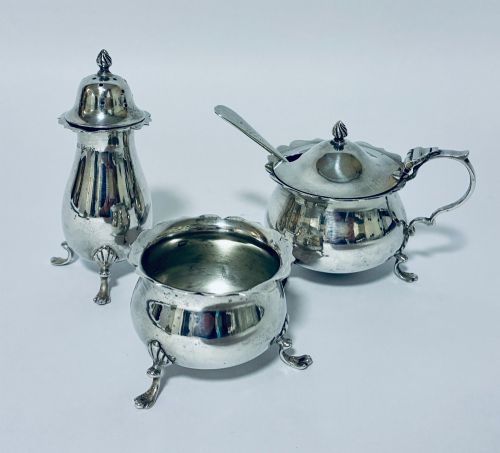
- A matched assembly of small containers designed to hold condiments like mustard, pepper, and salt at the dining table. These sets often sit within a dedicated frame or cased presentation box.
- Vermeil
- Sterling silver that has been plated with a thin layer of gold. This technique provides the rich appearance of solid gold while maintaining a silver core.
- Hallmark
- A series of official marks stamped onto precious metal items to guarantee their purity, origin, and year of manufacture. These stamps serve as an essential tool for dating historical pieces.
- Caddy spoon
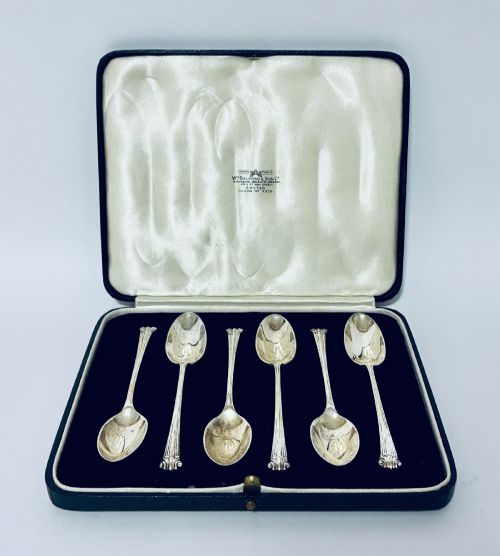
- A short-handled spoon originally designed for measuring loose tea from a caddy into a teapot. Many vintage examples exhibit decorative novelty handles.
Vintage Silver Tableware: Frequently Asked Questions
How do I clean vintage silver?
Use a soft microfiber cloth and a mild silver polish designed specifically to remove tarnish without scratching the metal surface. Avoid harsh chemical dips that can damage integrated components like glass liners or agate inlays.
Store pieces in dry conditions away from direct sunlight and humidity to minimise future oxidation and preserve the polished finish.
What is the difference between solid silver and silver plate?
Solid silver, including sterling standard, consists of precious metal right through to the core. Silver plate involves a thin layer of silver bonded to a base metal substructure.
Weight, hallmarks, and wear patterns generally help distinguish between the two categories during inspection.
Can I use these items for everyday dining?
Many pieces, such as napkin rings and butter dishes, remain entirely practical for modern meals. Hand washing protects delicate elements like glass inserts and moving hinges from damage.
Avoid abrasive scrubbers and dishwasher cycles to maintain the historical surface texture and finish.
How do I identify the date of a piece?
Examine the stamped hallmarks to find date letters, town marks, and standard symbols that correspond to official assay office records. Stylistic markers such as Art Deco geometric patterns or Edwardian flourishes also provide broad chronological context.