
Silver Cutlery Set
A silver cutlery set brings a refined weight to the table, uniting practical service with enduring metalwork from the Victorian era onward.
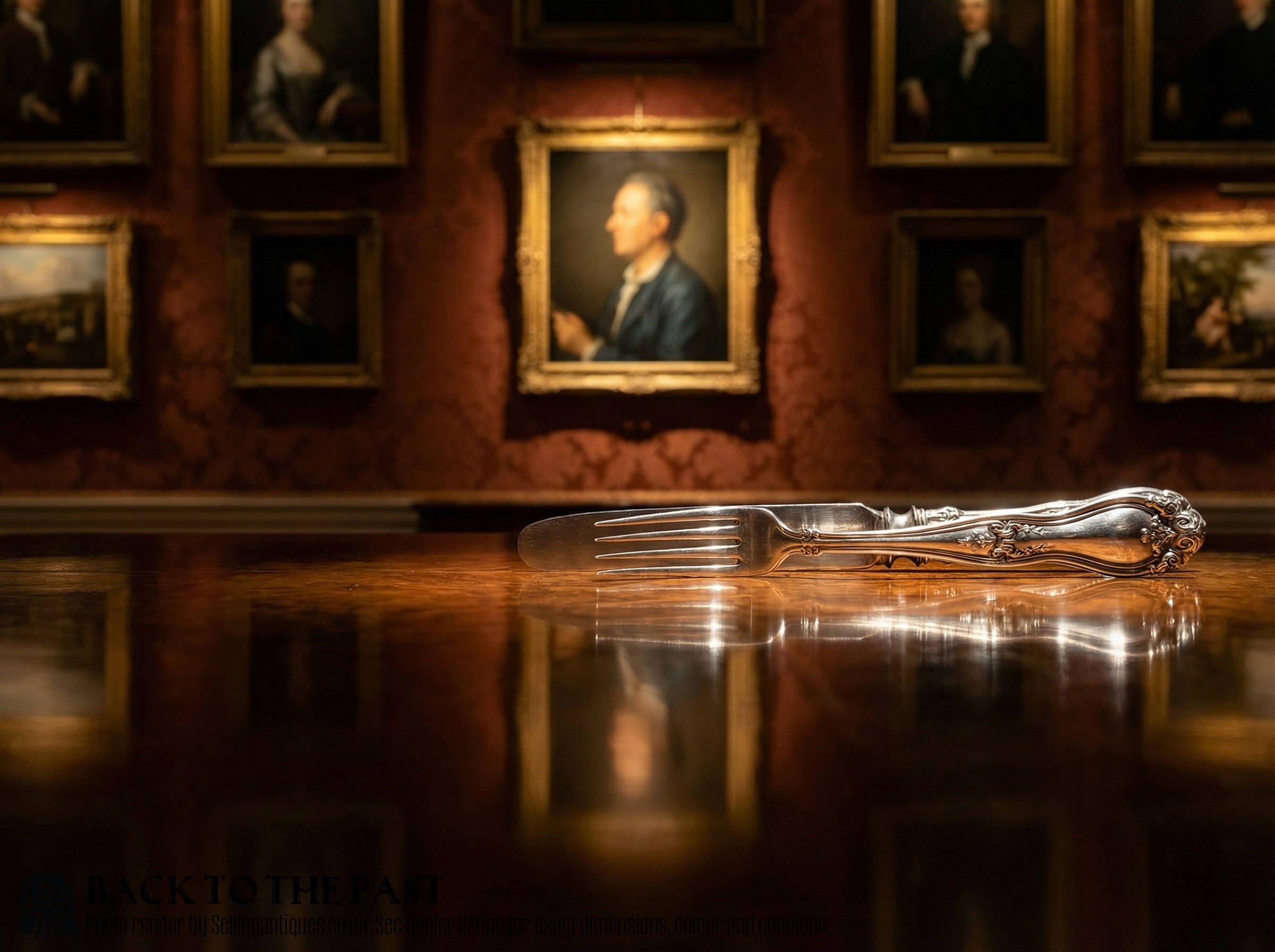
What a silver cutlery set includes
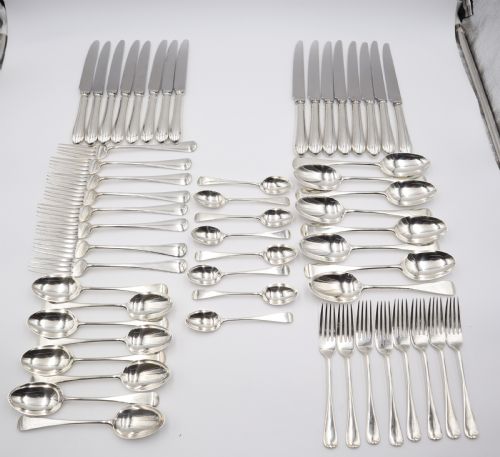
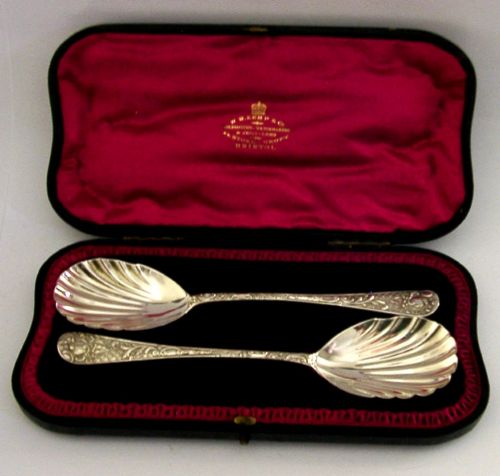
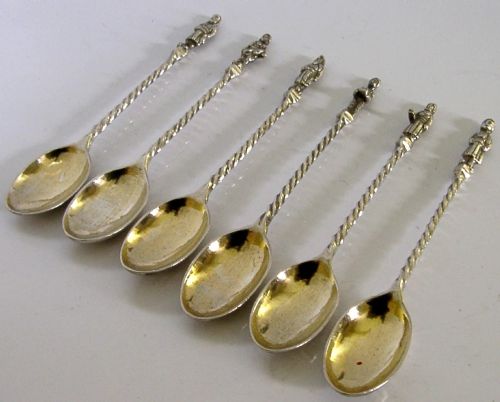
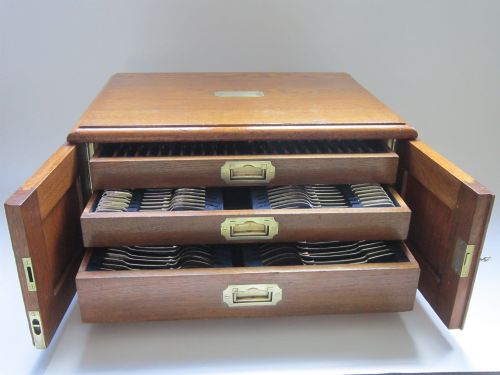
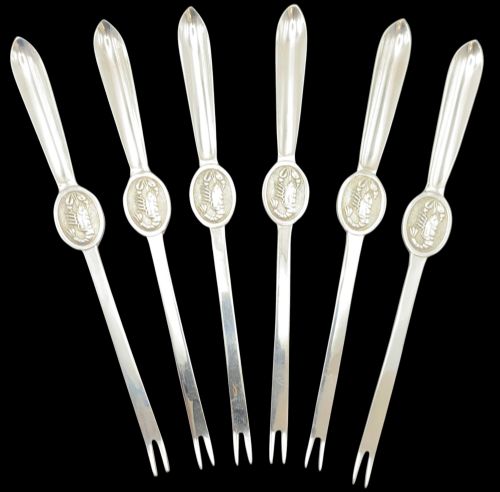
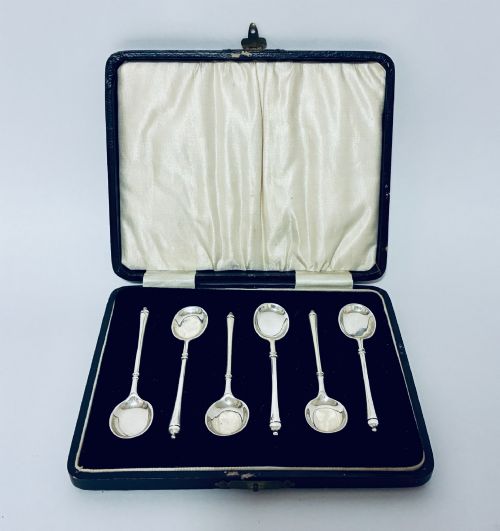
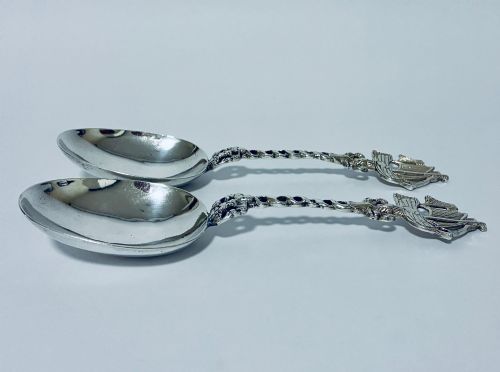
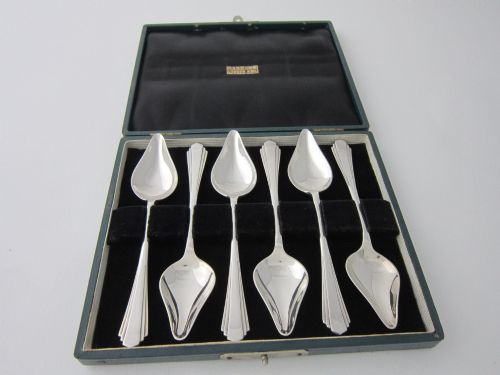
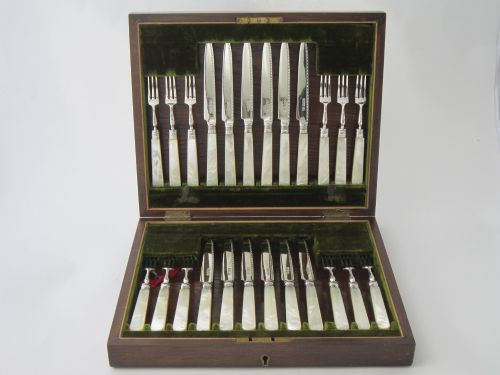
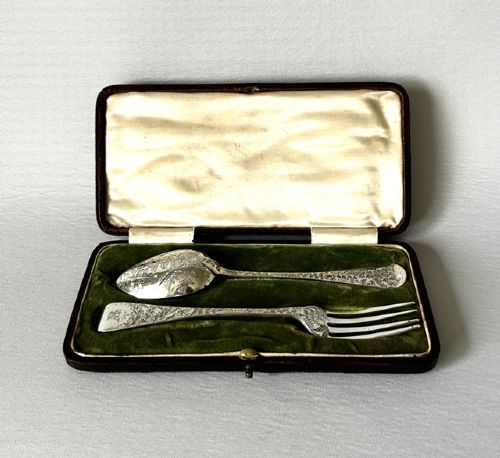
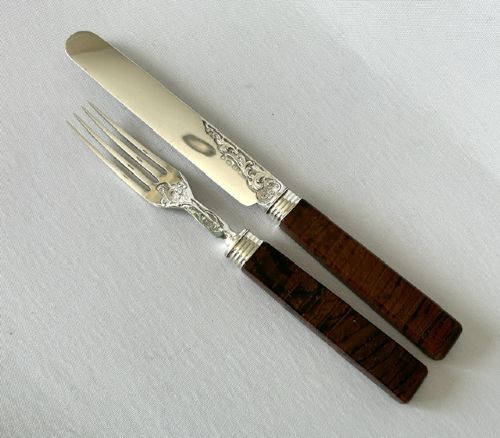
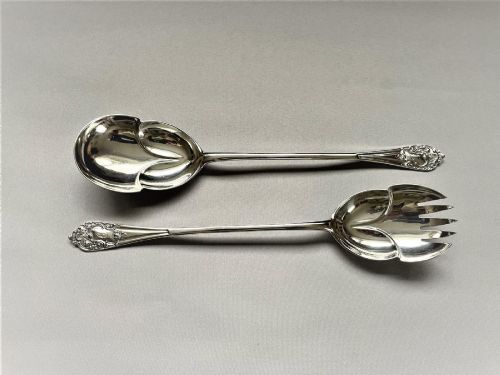
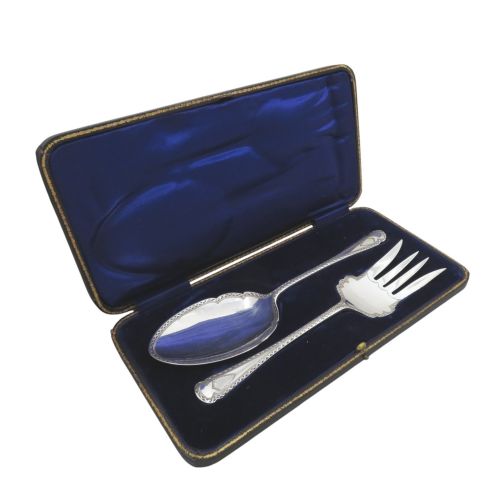
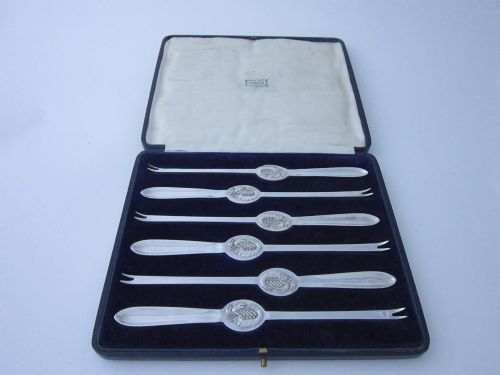
A silver cutlery set encompasses everything from modest tea spoons and dessert forks to extensive canteens housing dozens of matching implements. When exploring this phrase, buyers commonly encounter service pieces destined for formal dining, afternoon tea, or fish courses, often housed in fitted wooden boxes.
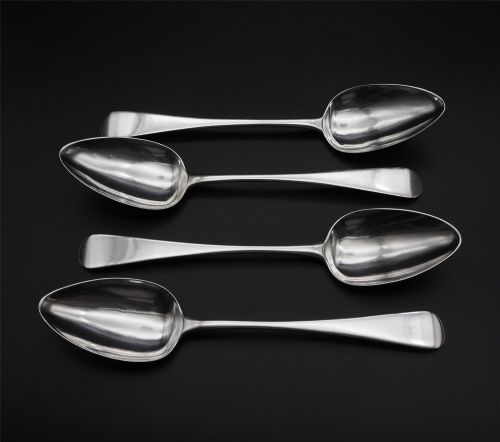
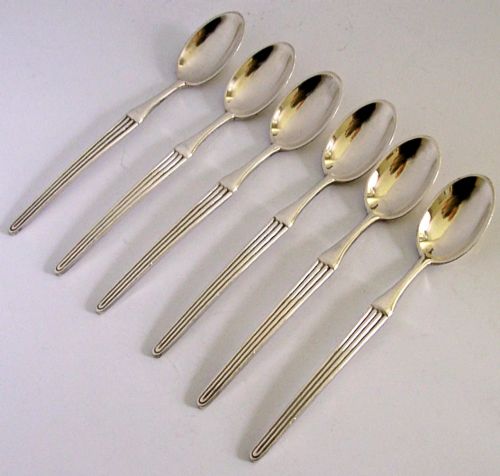
The selections span distinct periods, running from Victorian and Edwardian services through to Art Deco designs and mid-century Scandinavian work. Traditional forms predominate, utilising classic patterns like Fiddle, Kings, and Queens alongside mother-of-pearl handled dessert services.
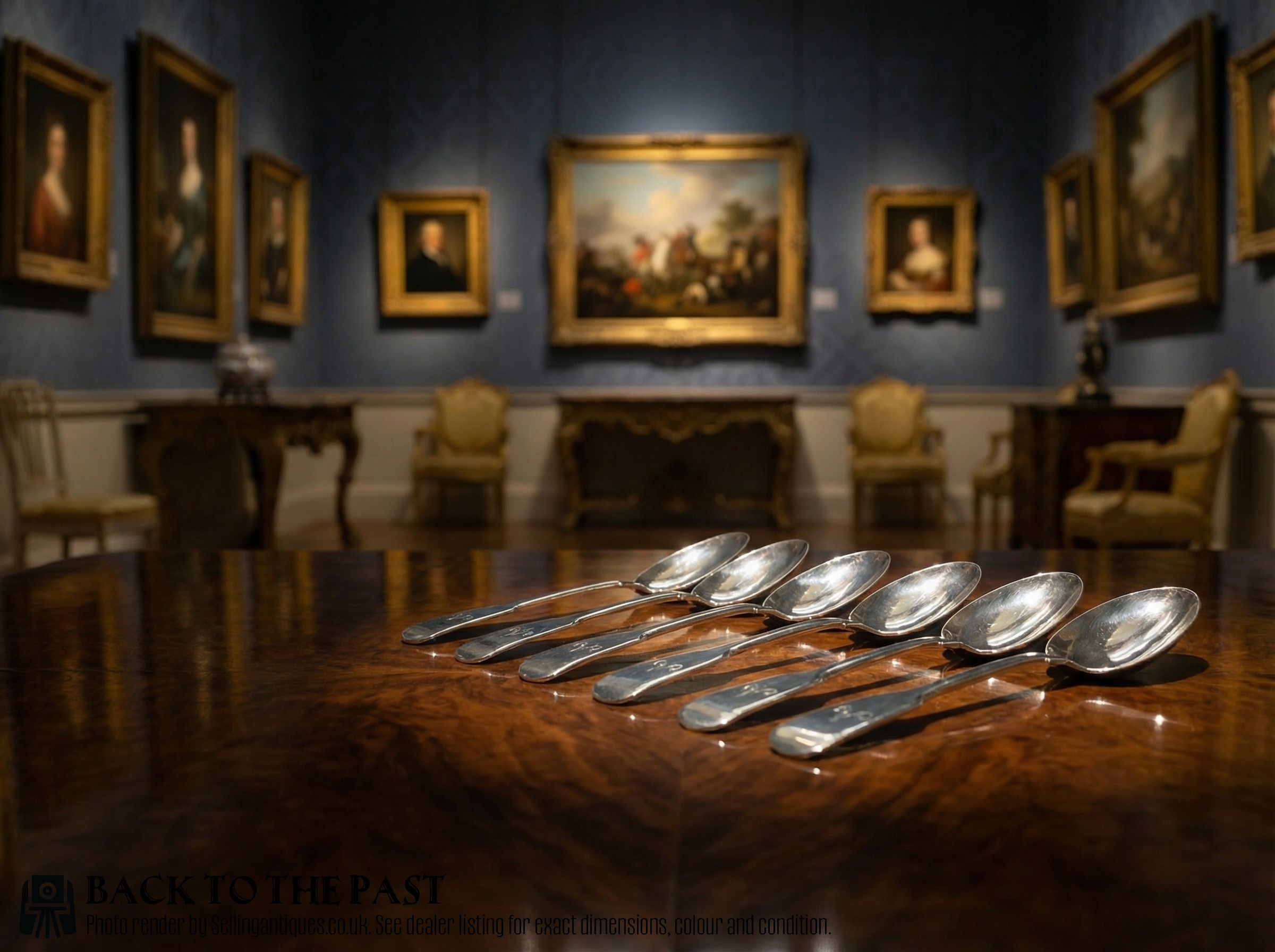
Materials and construction
Items in this category rely primarily on sterling silver or silver plating over base metal, frequently paired with ancillary materials such as steel for knife blades, mother-of-pearl for handles, and gilt washes for fruit or dessert services. Fitted storage relies on hardwoods like mahogany and oak, lined with felt or velvet.
Manufacturing methods combine traditional silversmithing techniques like hammering, casting, and piercing with specialised pattern stamping. Makers construct fitted canteens and cases specifically contoured to secure each fork, spoon, and knife safely inside.
Retail Price Guide 2026
Typical UK retail prices for silver cutlery set, calculated from the Sellingantiques database of over a million retail prices indexed since 2003. This retail price guide relies exclusively on Sellingantiques data; no external sources or auction records are used, so the figures do not describe the wider market.
The documented periods span the Victorian, Edwardian, and Art Deco eras, alongside mid-century Danish design.
Evaluating distinction in dining silver
Quality rests heavily on the harmony of the service and the crispness of the pattern stamping, whether in Fiddle, Rococo Revival, or Art Deco styles. Complete matching sets that retain their original fitted wooden canteens command greater cohesion than assembled or mixed lots.
The choice of secondary materials also elevates a service, such as lustrous mother-of-pearl handles on dessert sets or substantial gauge sterling silver rather than plated alternatives. Maker attribution further distinguishes the work, connecting pieces to established silversmiths and firms.
International Silver Co·Walter and John Barnard·Egon Lauridsen·Souche-Lapparra·Georg Jensen·Mappin and Webb·Jules Albrecht Geneve·Martin Hall and Co·Aaron Hadfield·Elkington
The Silver Cutlery Set Glossary
- Canteen
- A fitted box, chest, or cabinet designed specifically to store a complete set of cutlery securely. These wooden containers often feature multiple tiers or slotted trays.
- Flatware
- Dining utensils such as spoons and forks that lie flat on the table, as distinguished from cutlery comprising items with blades like knives and carvers.
- Fiddle Pattern
- A traditional nineteenth-century handle shape featuring a narrow stem that widens gracefully near the terminal into a distinct shoulder resembling a fiddle.
- Gilt
- A thin layer of gold applied to the surface of silver items, frequently seen on the bowls of dessert or fruit spoons.
- Mother-of-pearl
- The iridescent internal layer of certain mollusc shells, utilised extensively for decorative and tactile knife and fork handles.
Frequently Asked Questions
What is a silver cutlery set?
A silver cutlery set comprises a coordinated collection of dining implements, ranging from small dessert forks to large multi-place canteens.
These collections provide matching utensils for specific courses or complete table service.
How do I date a silver cutlery set?
Dating relies on hallmark stamps, assay office symbols, and stylistic indicators such as Victorian fiddle patterns or Art Deco geometries.
Maker marks and fitted case styles also offer reliable clues to the exact decade of manufacture.
How were silver cutlery sets stored?
Many sets come in dedicated wooden canteens lined with felt or velvet to prevent scratching and tarnishing.
Mahogany and oak boxes were custom-fitted with precise slots for every knife, fork, and spoon.
What is the difference between flatware and cutlery?
Strictly speaking, flatware refers to non-bladed items like spoons and forks, whereas cutlery includes items with cutting edges like knives.
In modern usage, the terms are frequently combined to describe an entire dining service.
How do I care for antique silver cutlery?
Gentle cleaning with specialised silver polish preserves the metalwork without wearing away delicate details or hallmarks.
Storing pieces in their original fitted canteens protects them from dust and atmospheric tarnish.