




Antique Silver Teaspoons
Antique silver teaspoons are small, elegant items of tableware that bring historical charm and refined detail to afternoon tea.

Antique Silver Teaspoons
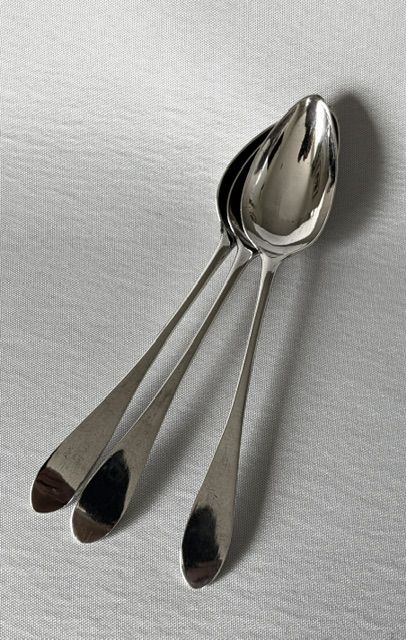
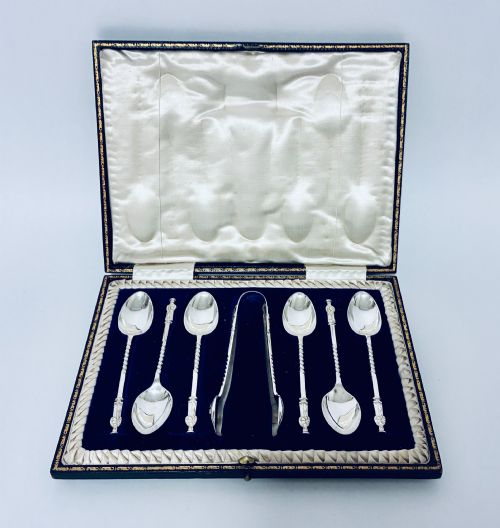
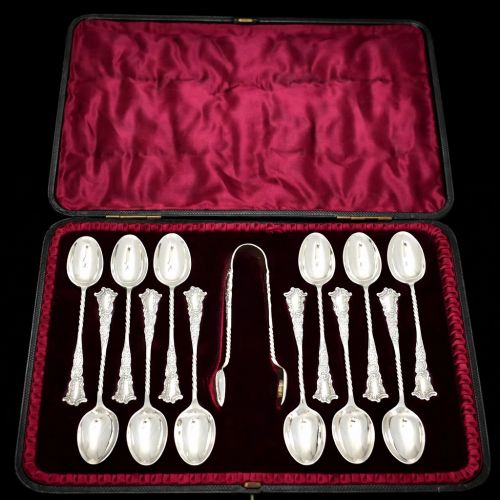
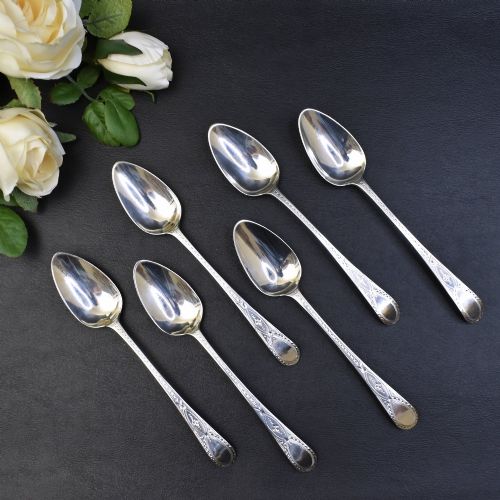
When searching for antique silver teaspoons, buyers encounter a diverse array of flatware spanning the Georgian, Victorian, and Edwardian eras through to the mid-twentieth century. These pieces appear as individual items, pairs, or complete matched sets, often accompanied by matching sugar tongs.
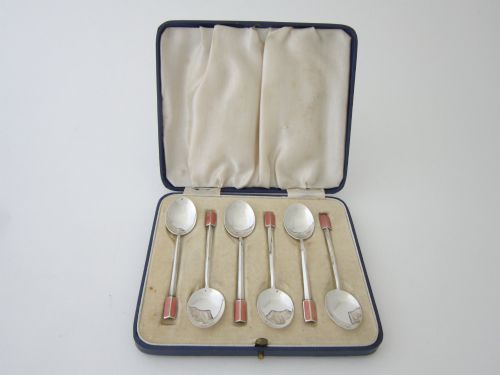
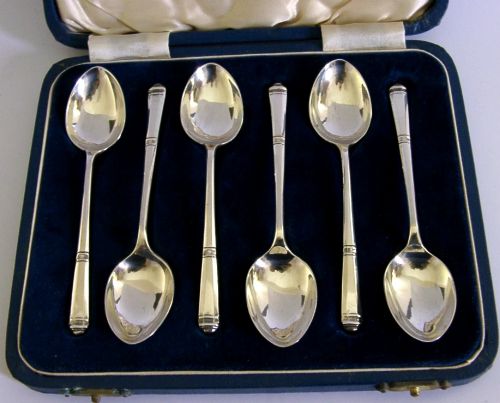
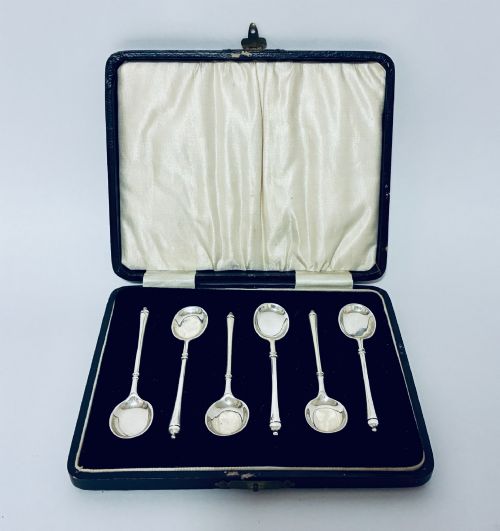
The selection frequently includes specialised forms such as demi-tasse spoons, coffee spoons, and apostle spoons, alongside decorative sets featuring bright-cut engraving or card suit motifs. Many surviving sets are housed in their original fitted presentation cases lined with silk, satin, or velvet.
Originating from various British assay offices as well as international makers, these spoons reflect the shifting domestic habits and social rituals of their respective periods.
Materials and construction
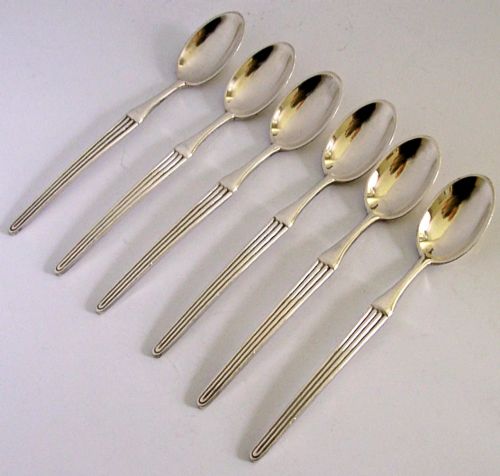
The pieces are fashioned predominantly from sterling silver and solid silver, occasionally finished with a layer of silver gilt or vermeil to impart a rich golden lustre. Crafting techniques involve traditional silversmithing methods, ranging from hand-hammered Arts and Crafts designs to precise bright-cut engraving.
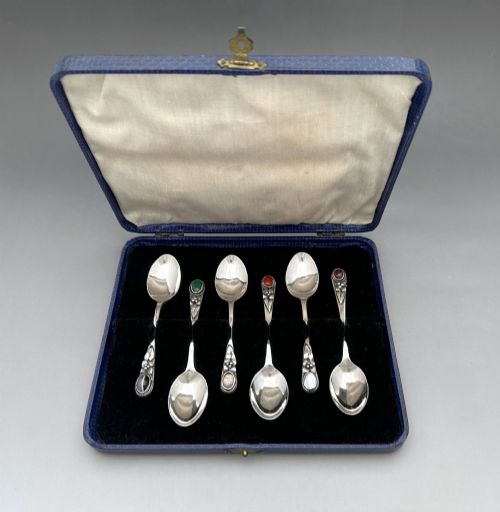
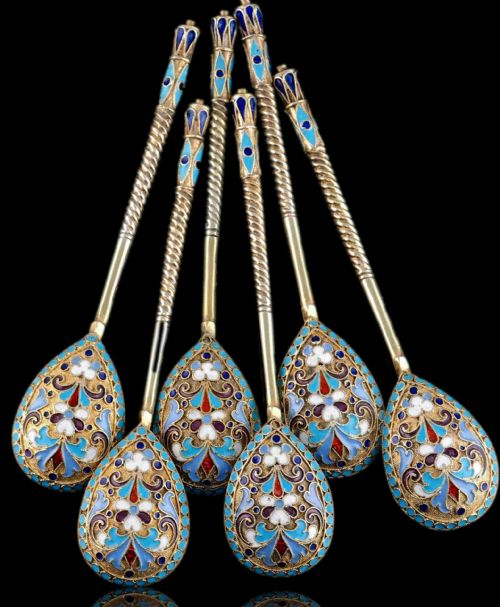
Surface decoration frequently incorporates vibrant vitreous enamel work, cloisonné techniques, or the setting of semi-precious stones into the handles. Presentation boxes utilise materials like leatherette, silk, and velvet to protect the delicate metalwork.
Antique Silver Teaspoons Retail Price Guide 2026
Typical asking prices for silver teaspoons among the pieces listed under this phrase on Sellingantiques today, from the lower quarter to the upper quarter. They describe what is for sale here now, not the wider market.
Materials span sterling silver, silver gilt, enamel, and velvet, reflecting diverse manufacturing traditions across Britain, Russia, and Scandinavia.
Assessing craftsmanship and distinction
Quality in these items is determined by the crispness of the hallmarks, the precision of decorative engraving, and the structural integrity of applied elements like enamel or gilding. Pieces produced by notable makers or retailed through established luxury houses generally display superior finishing and weight.
The presence of an original fitted case lined with intact fabric significantly enhances the completeness and desirability of a set. Regional provenance also plays a role, with provincial assay offices and distinct stylistic movements adding historical depth to individual spoons.
Dmitrii Nikolaevich Nikolaev·Vasily Agafonov·Evald Nielsen·David Andersen·Georg Jensen·Robert Stebbings·Walker and Hall·Cooper Brothers and Sons·Charles Boyton
The Antique Silver Teaspoons Glossary
- Bright-cut
- A style of engraving characterised by faceted cuts made with a sharp graving tool, creating a shimmering geometric or floral pattern on the silver surface. This technique was particularly popular during the Georgian period.
- Silver Gilt
- Silver that has been coated with a thin layer of gold, also known as vermeil. This treatment provides a warm golden tone while maintaining the underlying silver structure.
- Assay Office
- An official body charged with testing the purity of precious metals and stamping items with hallmarks. Towns such as London, Sheffield, Birmingham, and Chester operated historical offices.
- Apostle Spoon
- A spoon featuring the figure of an apostle or saint cast or engraved on the terminal of the handle. These traditional designs often appear in boxed sets alongside matching tongs.
- Cloisonné
- An enamelling technique where thin metal wires are soldered to the metal base to create compartments filled with coloured glass paste. It is frequently seen on Russian and Scandinavian examples.
Antique Silver Teaspoons: Frequently Asked Questions
How were antique silver teaspoons used?
These spoons served primarily for stirring sugar or milk into tea and coffee during formal afternoon gatherings and domestic dining. They were also utilised with specialised caddy spoons or sugar tongs as part of a complete tabletop service.
Over time, smaller versions became associated specifically with demi-tasse cups or specialised dessert courses, reflecting evolving dining customs.
How do I care for silver spoons?
Regular, gentle cleaning with a specialist silver cloth helps maintain the polished finish without abrading delicate engravings or hallmarks. Avoiding harsh chemical dips preserves any applied gilding, niello, or vitreous enamel.
Storing the spoons in their original lined cases or anti-tarnish rolls protects the soft metal from unnecessary surface scratches and atmospheric oxidation.
How can I identify the date of a spoon?
British pieces typically feature a series of stamped hallmarks that indicate the assay office, the standard of silver purity, and a specific date letter corresponding to the year of manufacture. Examining these tiny marks with a loupe reveals the exact year and location of production.
Stylistic indicators, such as the geometric lines of Art Deco or the flowing motifs of Art Nouveau, provide further context when hallmarks are worn or absent.
Are cased sets more desirable?
Original fitted presentation cases generally enhance the appeal of a set by keeping the matching spoons together and protected over decades of use. The interior linings of silk or velvet offer a glimpse into period retail presentation.
Loose spoons remain popular for mixing and matching across different styles, but a complete cased set with matching tongs represents a more cohesive historical package.