


Danish Silver Flatware
These danish silver flatware pieces bring refined Scandinavian craftsmanship to the table, combining sterling silver with enduring forms.
What these pieces are
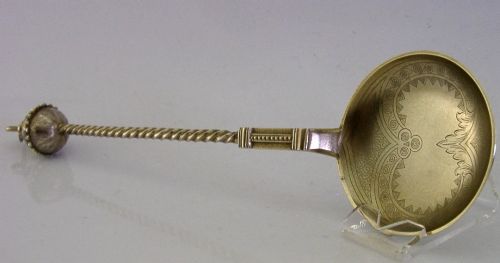
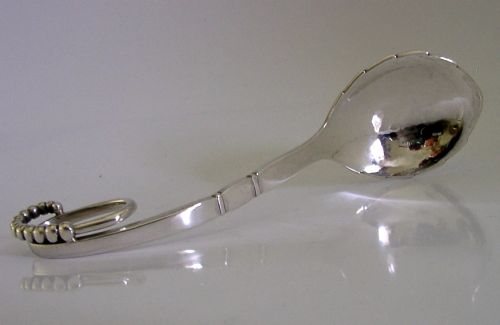
The objects span the early to mid-twentieth century, specifically emerging from the periods around 1920 and 1950. These dates align with notable stylistic movements including Art Nouveau and Art Deco.
How they were made
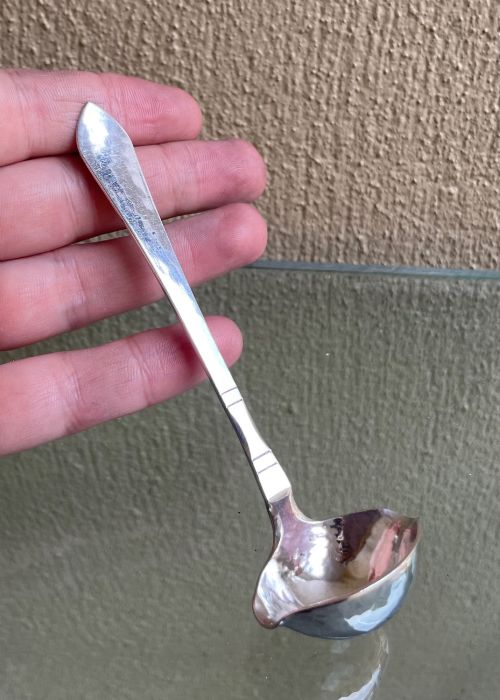
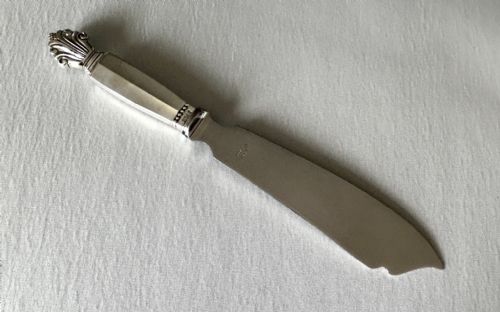
Every piece recorded in the evidence is fashioned from sterling silver, offering a consistent metallic standard across the available forms. This high-grade material supports both delicate botanical motifs and clean geometric lines.
Makers utilised traditional silversmithing techniques to shape the metal into functional utensils, incorporating fitted presentation boxes where noted.
Current listings span two distinct decades, featuring items produced around 1920 and 1950 in sterling silver.
What varies in quality
Distinction across the range rests upon the intricacy of the decorative motifs and the fidelity of the period style. Pieces featuring detailed naturalistic ornamentation or complex sculptural elements represent the higher tier of design.
The presence of original packaging, such as fitted boxes, adds a further dimension to the completeness and desirability of an individual utensil.
Georg Jensen
The Danish Silver Flatware Glossary
- Sterling silver
- A silver alloy containing 92.5 percent silver by mass and 7.5 percent other metals, usually copper. This standard ensures durability while maintaining a bright, reflective finish.
- Art Nouveau
- An international style of art, architecture, and applied art popular from the late nineteenth century to the early First World War. It is characterised by motif-driven, curving lines inspired by natural forms.
- Tea caddy spoon
- A short-handled spoon specifically designed for measuring loose tea leaves from a caddy. These often feature decorative bowls and handles suited to display.
- Cocktail fork
- A small, multi-tined fork used for spearing garnishes in drinks or small appetisers. They frequently showcase specialised craftsmanship matching larger flatware sets.
Frequently Asked Questions
What periods do these pieces date from?
The available items date from the early and mid-twentieth century, specifically represented by the years 1920 and 1950.
These dates correspond to distinct shifts in design aesthetics, moving from flowing natural motifs toward more streamlined modernism.
What specific forms are available?
The inventory comprises focused items rather than complete dining services, including teaspoons, tea caddy spoons, and cocktail or pickle forks.
Certain pieces may also include their original protective boxes.
Which styles influence these utensils?
The designs reflect both Art Nouveau and Art Deco movements.
Art Nouveau introduces organic, botanical lines, whereas Art Deco emphasises geometric precision and structured elegance.