


Silver Serving Fork
When you search for a silver serving fork, you uncover substantial dining implements designed to transfer portions from platter to plate during formal meals.
Silver Serving Fork
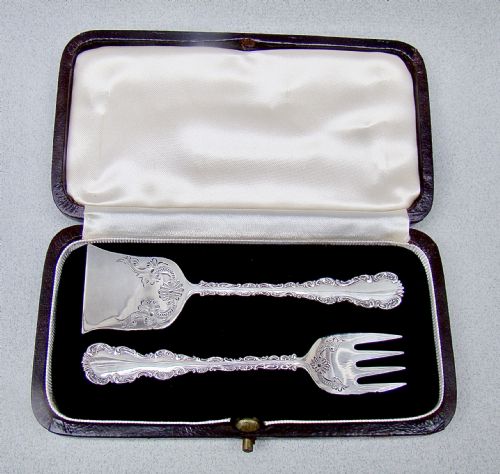
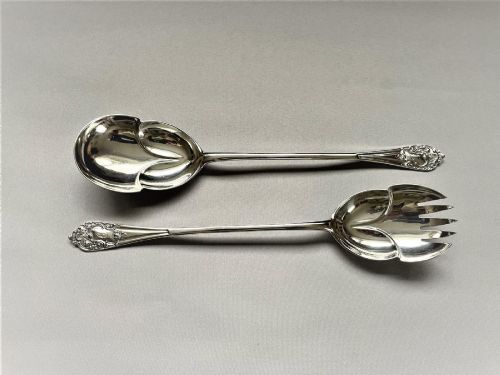
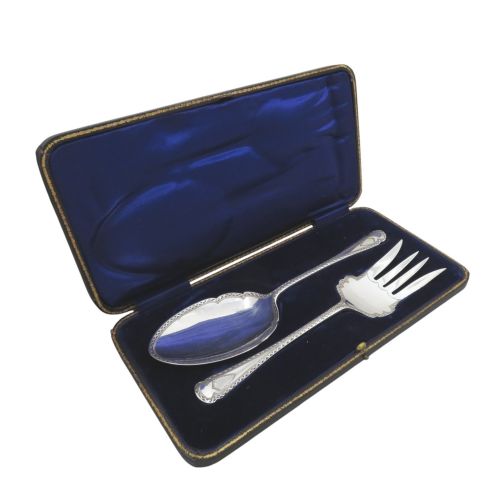
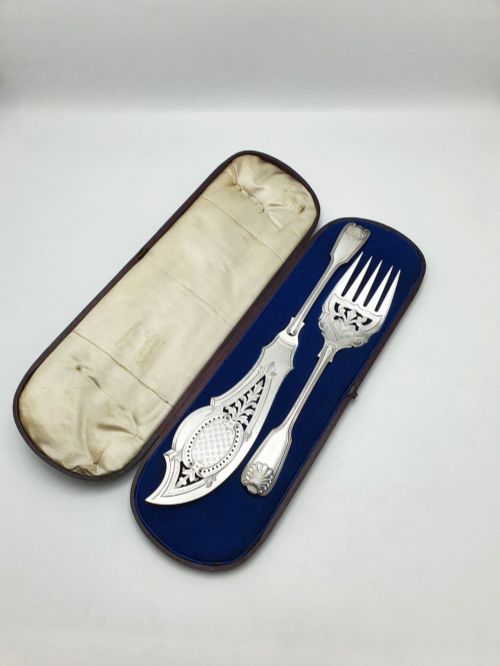
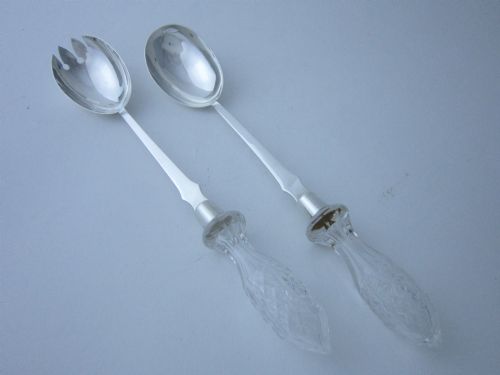
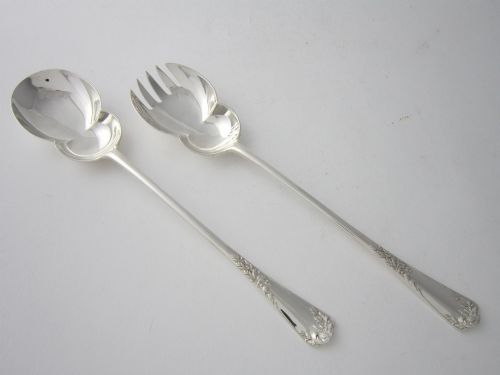
A silver serving fork is a specialised utensil created to handle specific courses, frequently appearing alongside matching spoons, knives, or secondary pieces within fitted presentation cases.
The selections available range from large Georgian and Victorian examples intended for meats or fish to delicate Edwardian iterations designed for bread, cake, or pickles.
Makers often fashioned these implements as part of larger canteens or as standalone presentation pieces decorated with cast patterns, piercing, or engraving.
How they were made
Silversmiths utilised sterling silver or silver plate, shaping metal through casting, piercing, and hand engraving to ornament the tines and terminals.
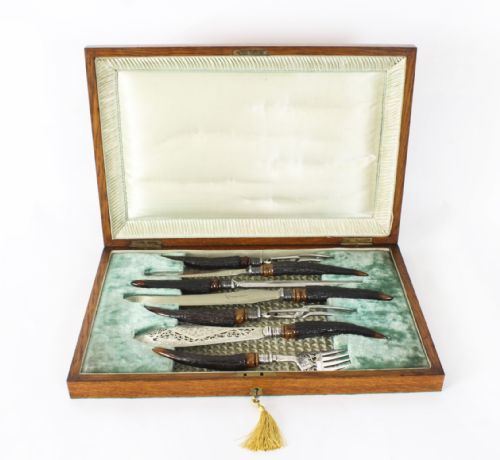
Handles frequently incorporated organic materials such as antler horn, mother of pearl, ivory, or wood, secured with pins to metal shanks.
Some nineteenth-century versions feature detailed hound or hunting dog engravings upon the metal alongside natural antler horn handles for outdoor enthusiasts.
What varies in quality
The standard of a silver serving fork depends on the weight of the metal utilised, the depth and crispness of any cast ornamentation, and the integrity of its construction.
Pieces featuring matched original cases, maker marks from notable silversmiths, and well-preserved natural handle materials represent the higher tiers of production.
Henry Wilkinson·William Devenport·Georg Jensen·Walter and John Barnard·Cooper Brothers·Tiffany and Co·Jackson and Fullerton·Thomas Bradbury and Sons
The Silver Serving Fork Glossary
- Sterling silver
- An alloy containing a high proportion of pure silver combined with other metals to ensure durability for tableware.
- Silver plate
- A base metal substrate coated with a thin layer of silver, offering the appearance of solid silver at a different cost point.
- Rat tail
- A traditional strengthening ridge down the back of the bowl or fork junction, deriving from earlier silversmithing techniques.
- Trefid end
- A flat, three-lobed fork or spoon terminal style popular in the late seventeenth century and later revived.
- Fiddle, thread and shell
- A decorative nineteenth-century cutlery pattern featuring a fiddle-shaped stem, a raised thread border, and shell motifs.
Silver Serving Fork: Frequently Asked Questions
What was a silver serving fork used for?
These forks were utilised at the dining table or sideboard to transfer specific portions of meat, fish, bread, or cakes from communal platters to individual plates.
Larger versions handled heavy roasts or fish courses, while smaller variants managed afternoon tea items or pickles.
How do I care for silver serving forks?
Wash them gently by hand in warm soapy water and dry them thoroughly with a soft cloth to maintain the finish of the metal.
Avoid abrasive cleaners and store pieces with organic handles like horn or mother of pearl away from extreme temperature shifts.
Are cased sets intended for storage?
Fitted presentation boxes lined with velvet, silk, or leatherette were designed to protect the implements from tarnish and damage when not in active use.
Many Victorian and Edwardian examples retain their original fitted cases, which often indicate the retailer or maker.
How can I tell the period of a piece?
Hallmarks stamped onto the metal provide official assay office symbols, date letters, and maker marks that pinpoint the exact year of manufacture.
Stylistic cues such as Art Nouveau curves or Georgian proportions also offer strong indicators of the era of production.