

Vintage Silver Tea Spoons
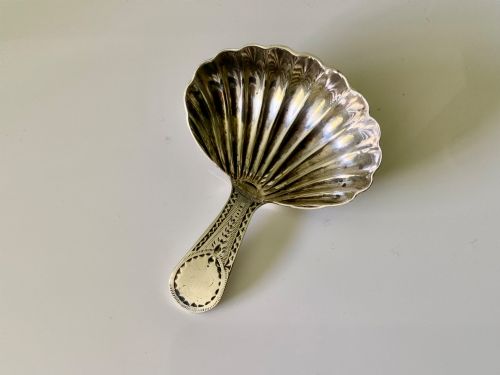
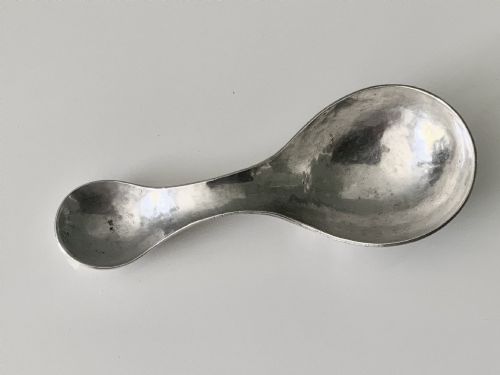
These vintage silver tea spoons bring genuine charm to the table, offering solid metal construction and classic forms that collectors prize.
What these pieces are
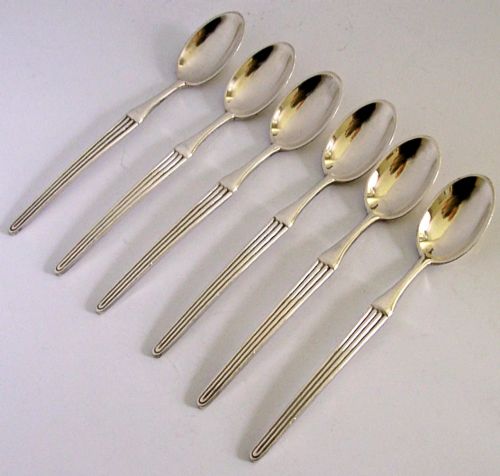
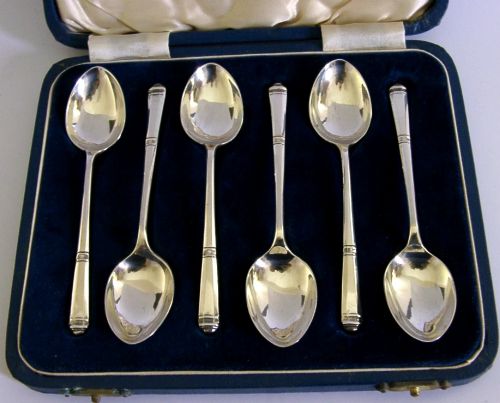
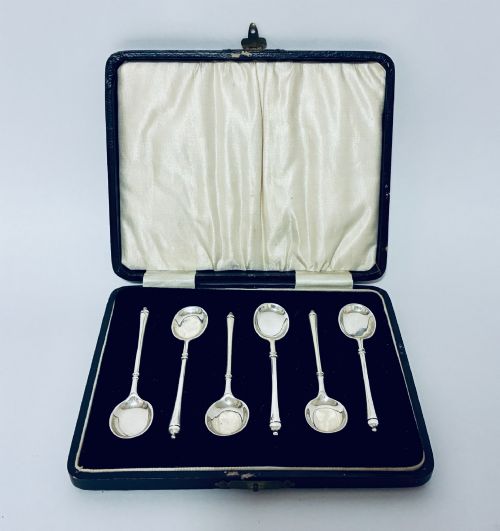
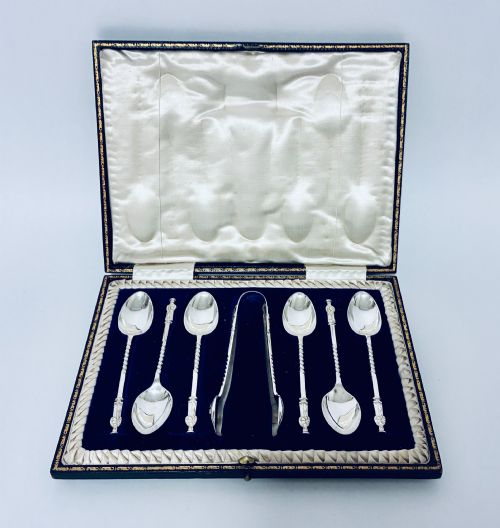
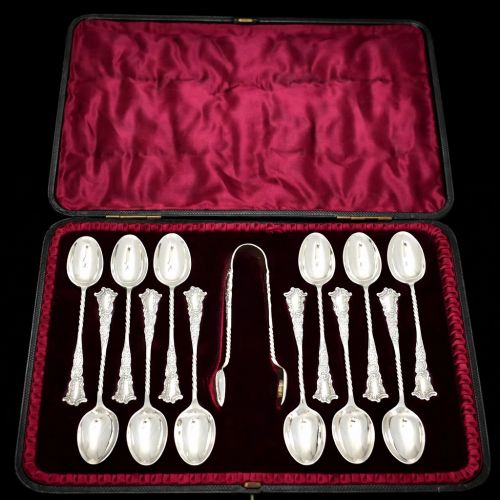
When searching for vintage silver tea spoons, you encounter small sets and collections spanning the Edwardian era to the mid-century period. These items include matched sets of teaspoons, occasionally accompanied by sugar tongs, housed in fitted presentation boxes lined with silk or velvet.
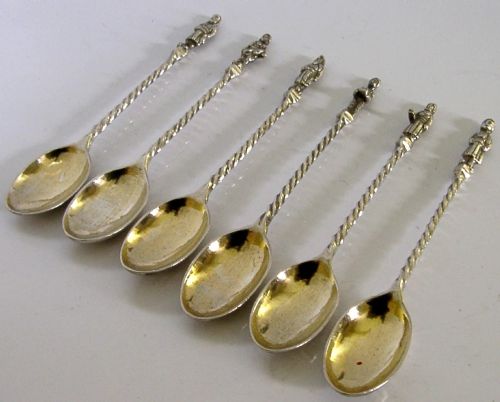
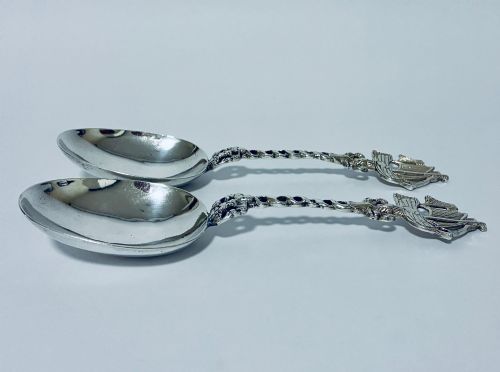
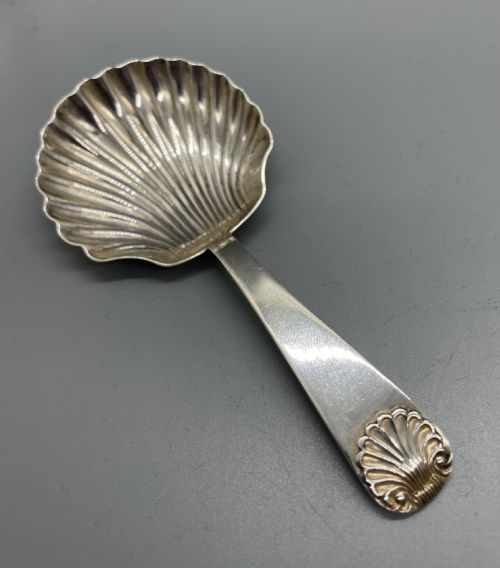
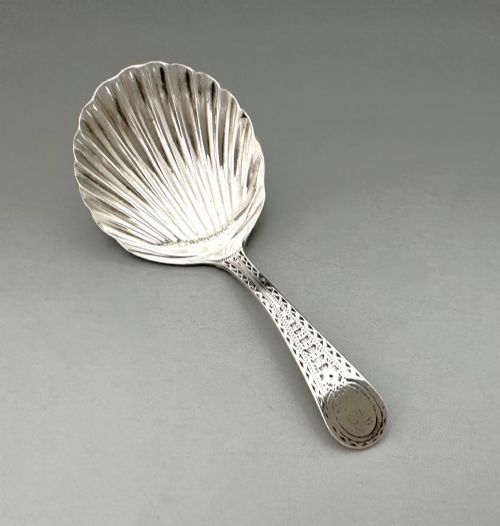
The pieces on this page originate from diverse mid-century and Edwardian workshops, reflecting domestic dining habits of the twentieth century. You are most likely to meet sets of six teaspoons, forged from solid silver or sterling silver, often carrying hallmarks from London or international silversmiths.
How they were made
Makers shaped these spoons from solid silver and sterling silver using traditional metalworking techniques, sometimes applying decorative enamel finishes such as guilloché. The results are robust yet delicate eating utensils designed for daily service or formal tea tables.
Cased sets required careful tailoring of internal partitions, wrapping wooden or cardboard carcasses in leatherette, velvet, and silk to protect the silver surfaces from tarnishing and abrasion during storage.
Many Edwardian teaspoons arrived paired with velvet-lined sugar tongs, ensuring no lump of sugar ever faced an uncoordinated reception.
What varies in quality
The distinction between ordinary spoons and superior examples rests on the crispness of the hallmarks, the weight of the silver, and the presence of specialised decorative techniques like guilloché enamel. Finer sets retain their original fitted boxes lined with intact silk and velvet, whereas lesser examples lose their packaging over time.
Design ambition separates mass-market items from distinctive mid-century modern or Edwardian productions, where handle profiles and bowl proportions show greater care. Heavier gauge silver provides a more satisfying balance in the hand compared to lighter, more flexible alternatives.
Turner & Simpson Ltd
The Vintage Silver Tea Spoons Glossary
- Solid Silver
- An alloy containing a high proportion of pure silver, valued for its durability and bright lustre in tableware. It forms the primary material for quality teaspoons.
- Guilloché
- A decorative technique involving intricate, repetitive mechanical patterns engraved beneath a translucent enamel layer. It creates depth and visual interest on spoon handles.
- Hallmark
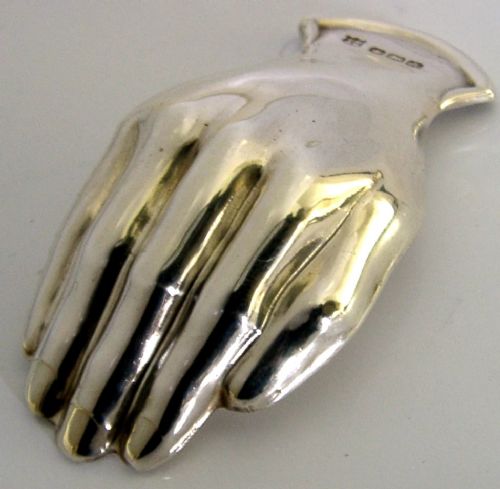
- An official stamp applied by an assay office indicating the purity of the silver, the maker, and the year of manufacture. It serves as the primary tool for dating antique items.
- Sugar Tongs
- Small spring-action implements designed for lifting sugar lumps, frequently paired with antique teaspoon sets in fitted presentation boxes.
Frequently Asked Questions
How do I clean vintage silver tea spoons?
Use a soft microfiber cloth specifically formulated for silver to gently remove tarnish without scratching the metal surface. Avoid harsh abrasive dips that can strip away original patination and fine detail.
Store the spoons in dry conditions away from direct sunlight, ideally inside lined boxes or anti-tarnish rolls to preserve their finish between uses.
Can I use these spoons every day?
Solid silver tea spoons are durable enough for daily service, provided you wash them by hand in warm soapy water rather than putting them in a dishwasher. Hand washing protects delicate enamel work and prevents premature wear on antique metal.
Dry the spoons thoroughly with a soft cloth immediately after washing to prevent water spots and minimise the formation of dark tarnish.
What does sterling silver mean?
Sterling silver refers to an alloy comprising ninety-two point five percent silver and seven point five percent other metals, usually copper, added for strength. This standard has been used for centuries to ensure tableware withstands handling.
Most quality vintage spoons carry a lion passant or equivalent purity mark confirming they meet this specific metallic standard.
How do I date an Edwardian teaspoon?
Edwardian spoons date from the reign of King Edward the Seventh, spanning the early years of the twentieth century specifically between nineteen hundred and nineteen ten. You identify them by examining the assay office marks and date letters stamped onto the reverse of the stem.
Stylistic cues such as Edwardian floral motifs or accompanying sugar tongs also help narrow down the period of manufacture.