
Antique Silver Spoon Set
An antique silver spoon set brings centuries of dining heritage to the table, offering matched groupings designed for tea, fruit, berries, or formal service.
Understanding the antique silver spoon set
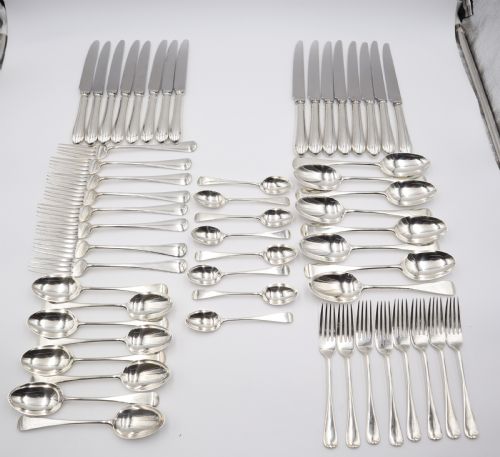
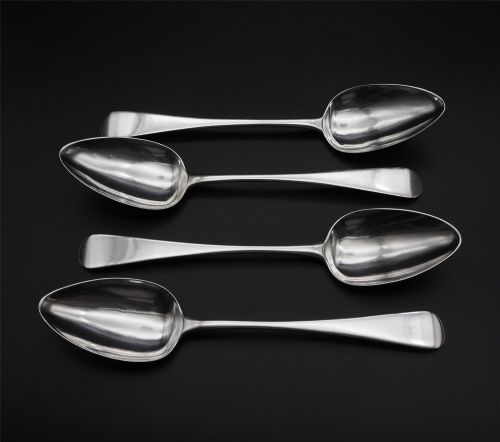
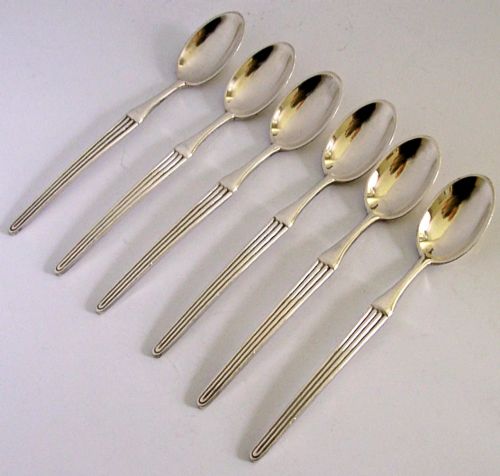
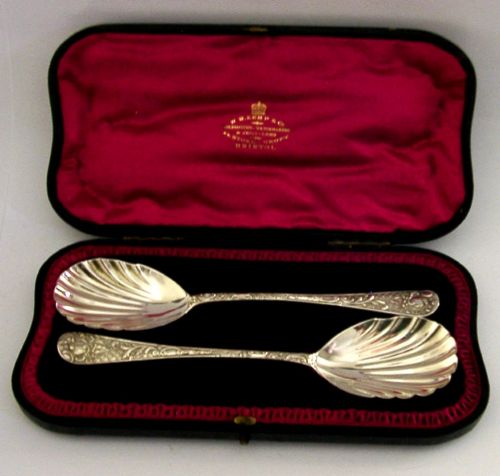
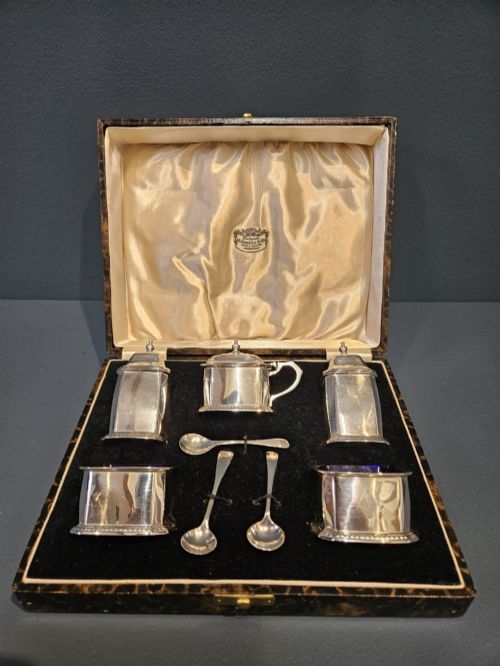
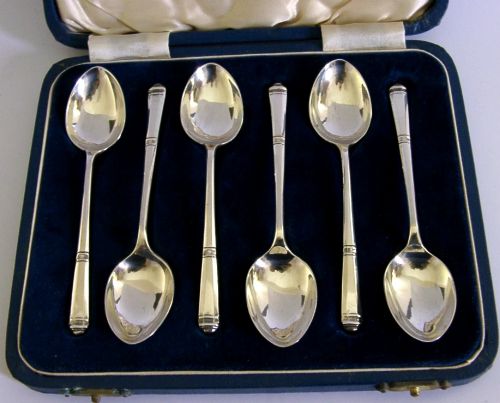
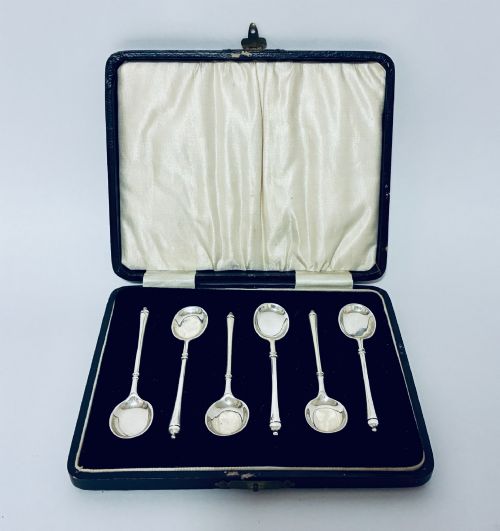
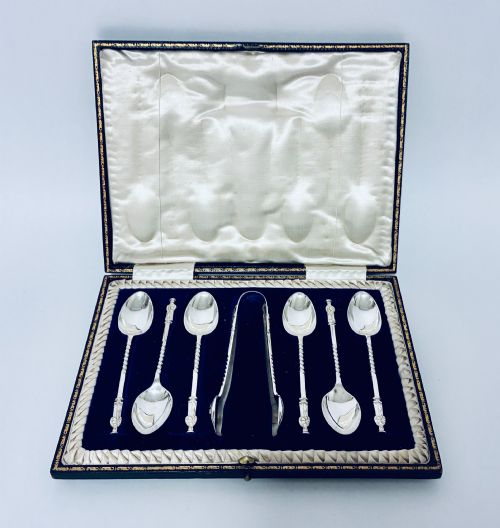
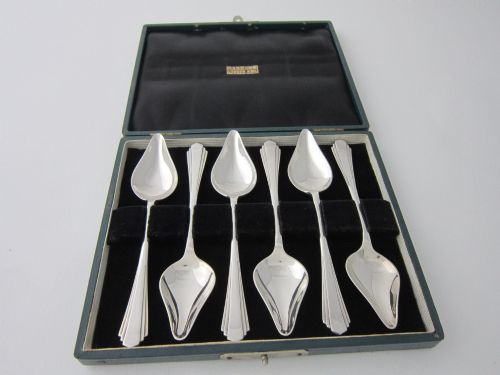
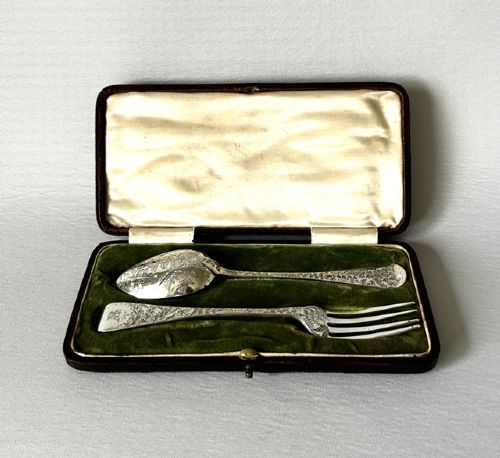
An antique silver spoon set encompasses everything from matched sets of six Edwardian teaspoons with sugar tongs to cased Victorian berry spoons and christening sets. Buyers searching for an antique silver spoon set most frequently encounter cased tea sets, dessert sets, and serving groupings produced during the Victorian and Edwardian periods.
The evidence shows diverse regional origins and styles, including Dutch Regional and Neo-Renaissance designs, alongside English sterling, Scottish provincial, and continental European pieces. Forms range from specialised golf spoons and fruit serving sets to standard teaspoons housed in fitted boxes lined with velvet, silk, or leatherette.
Sets often include auxiliary pieces such as sugar tongs, sifters, butter knives, or pickle forks alongside the main spoons. Whether intended for formal dining or afternoon tea, these collections reflect the social rituals of the nineteenth and early twentieth centuries.
Materials and construction methods
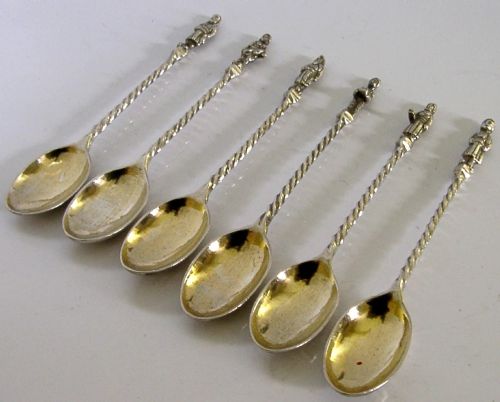
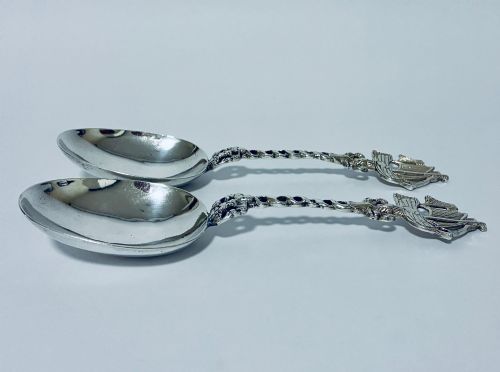
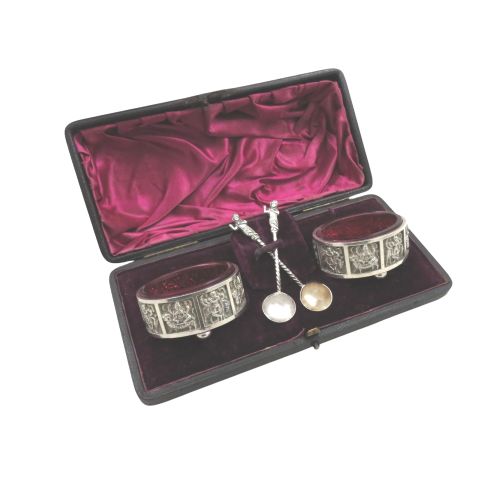
The pieces recorded in the evidence utilise solid silver, sterling silver, and silver plate, frequently enhanced with gold gilt, silver gilt, or vermeil finishes. Many sets incorporate decorative techniques such as hand engraving on handles and bowls, applied enamel work, or cast ornamentation like apostle figures and floral motifs.
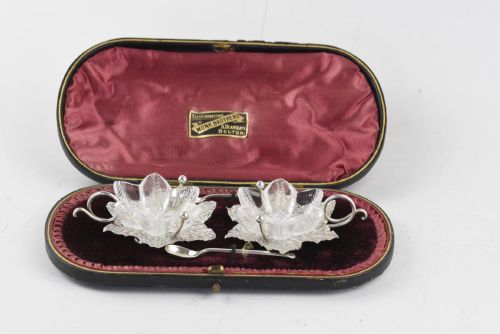
Workshops utilised traditional silversmithing methods including casting, hammering, and die-stamping to shape bowls and handles. Fitted presentation cases lined with silk, velvet, or leatherette were constructed specifically to house these matched sets.
Retail Price Guide 2026
Typical UK retail prices for silver spoon set, calculated from the Sellingantiques database of over a million retail prices indexed since 2003. This retail price guide relies exclusively on Sellingantiques data; no external sources or auction records are used, so the figures do not describe the wider market.
Golf enthusiast sets complete with miniature club handles cater to sporting collectors from the early twentieth century.
Distinctions in grade and execution
Quality in these sets rests upon the crispness of cast or engraved details, such as the depth of floral chasing on berry spoons or the precision of enamel work. Finer sets display harmonious proportions across all matched items and retain their original fitted presentation cases in sound condition.
The weight of the metal and the integrity of the gilding or silver plating differentiate standard production items from masterwork commissions. Complete cased sets with matching assay marks or maker's marks across every individual implement command greater regard than assembled groupings.
Walter & John Barnard·Philippe Berthier Paris·Simon Groth·Liberty & Co
The Antique Silver Spoon Set Glossary
- Berry spoon
- A large serving spoon with a heavily chased or engraved bowl depicting fruit, produced primarily during the Victorian era. These spoons were often retrofitted to older bowls or made specifically for serving dessert fruits.
- Sterling silver
- An alloy containing 92.5 percent silver by weight, combined with other metals to increase durability. Most British pieces of this standard bear specific hallmarks indicating the assay office and year.
- Silver gilt
- Silver objects that have been coated with a thin layer of gold on the surface. This technique protects the underlying metal from tarnishing while providing a rich two-tone decorative effect.
- Assay office
- An official body responsible for testing the purity of precious metals and stamping them with hallmark symbols. These marks provide definitive evidence of origin and date.
- Sifter spoon
- A specialised spoon featuring a pierced or perforated bowl designed for dusting sugar over fruit or pastries. They frequently appear within cased Victorian and Edwardian service sets.
Frequently Asked Questions
What is an antique silver spoon set used for?
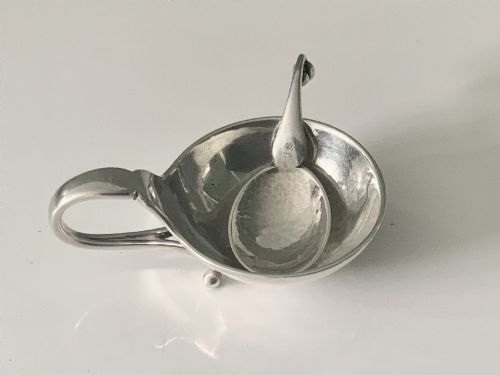
These sets served various dining functions, from daily afternoon tea to formal dessert courses and celebratory occasions like christenings. Specialised groupings were dedicated to specific foods such as berries, fruit, or salt.
Over time, many of these sets transitioned from active dining implements to decorative display items or preserved keepsakes housed within their original fitted presentation boxes.
How do I identify the period of a set?
Dating relies primarily upon official hallmarks stamped into the metal, which indicate the assay office and the exact year of manufacture. Stylistic indicators, such as Art Nouveau curves or Victorian floral chasing, also point to specific decades.
The presence of original fitted cases lined with silk or velvet often aligns with late nineteenth and early twentieth-century manufacturing standards.
Are cased sets more desirable?
Cased sets offer a complete historical package, preserving the spoons alongside their original velvet, silk, or leatherette-lined presentation boxes. The fitted interior protected the silver from daily wear and kept the matched pieces together.
Collectors generally prize sets that retain their matching fitted housing, as it indicates the pieces were retailed and kept as a unified set from the beginning.
What is the difference between sterling and silver plate?
Sterling silver is a solid alloy containing 92.5 percent pure silver throughout the entire object, marked with official assay office symbols. Silver plate consists of a base metal core coated with a thin layer of silver.
Both materials appear across nineteenth and twentieth-century tableware, with solid sterling commanding higher regard among traditional silver collectors.