

Silver Plate Tableware
Silver plate tableware brings the brilliance of silver to the dining table through durable plated metal, offering elegance for everyday dining and formal entertaining alike.
Silver Plate Tableware
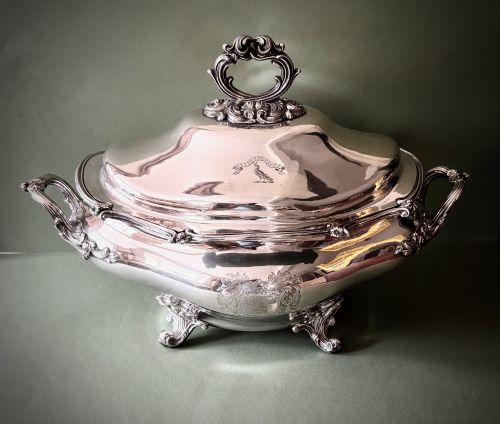
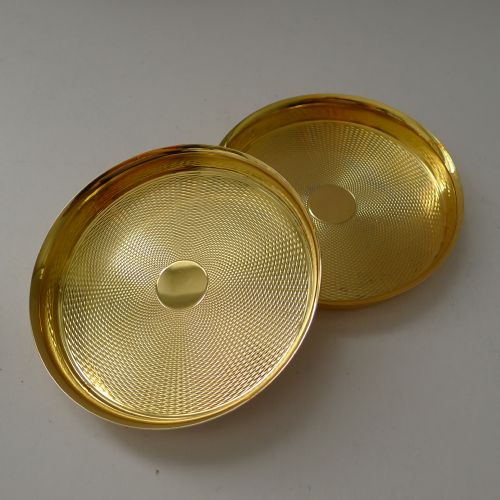
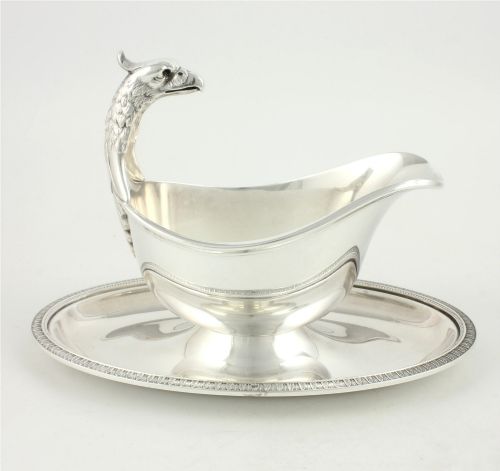
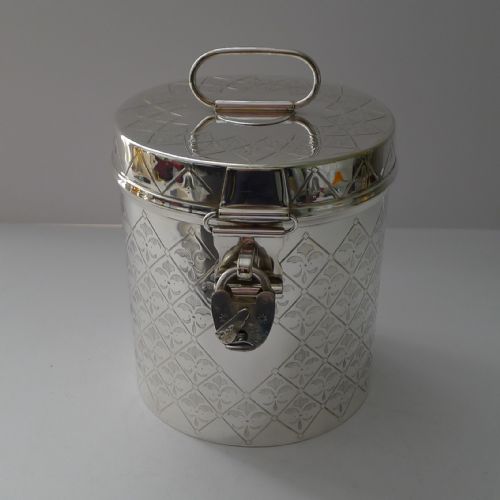
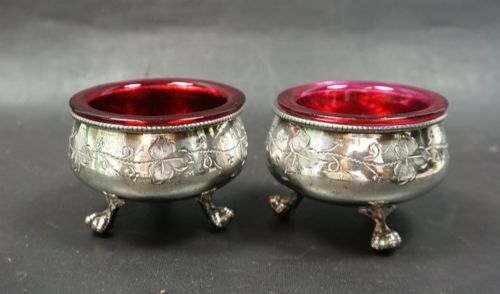
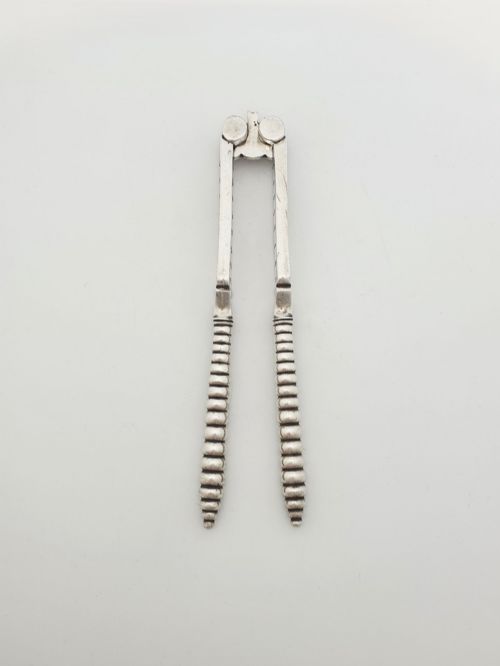
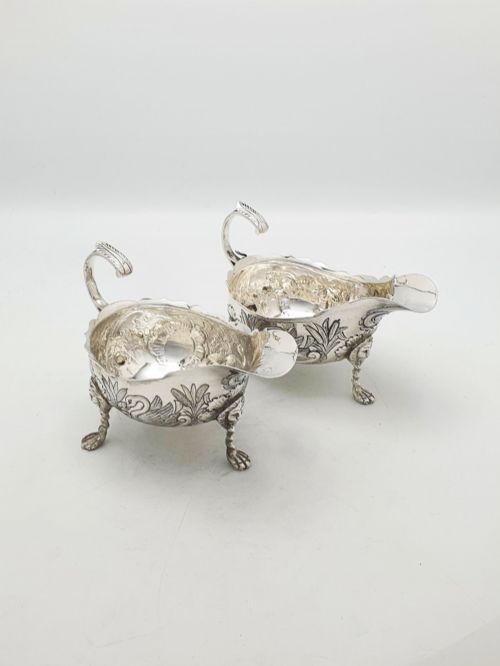
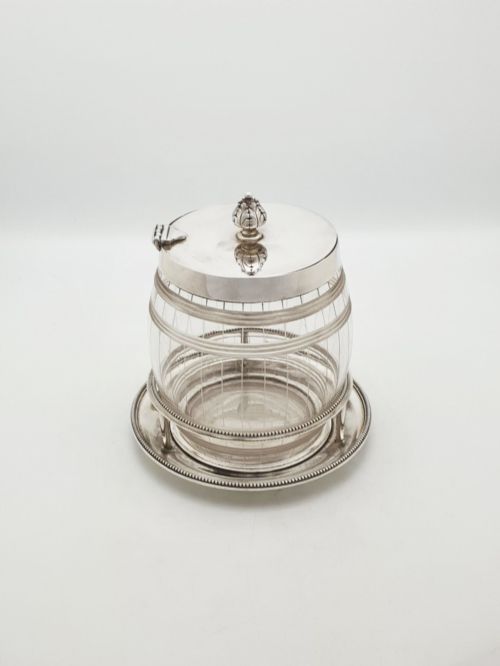
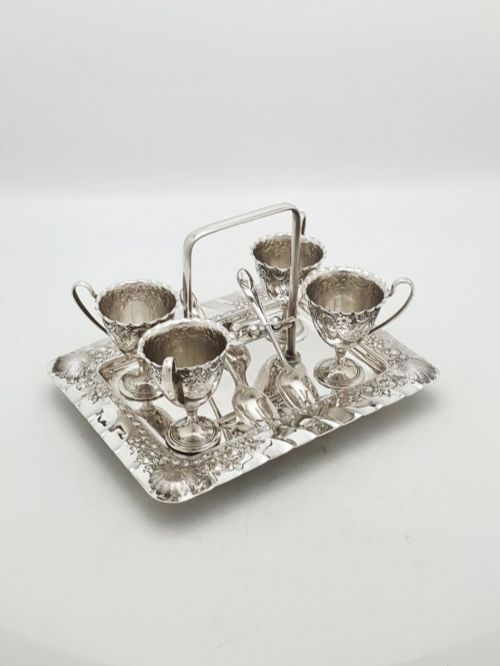
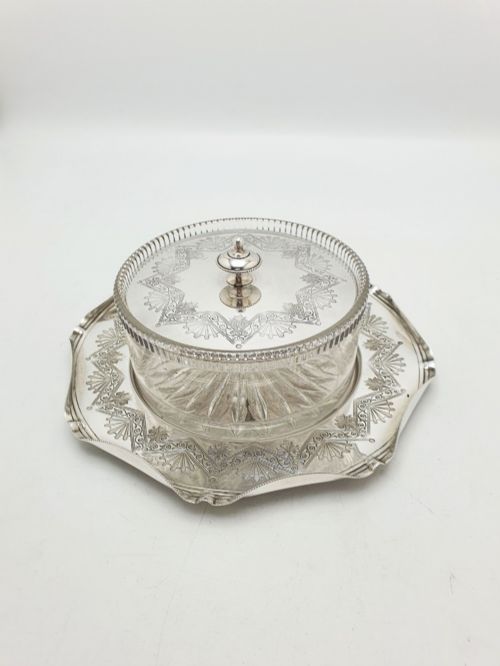
Silver plate tableware encompasses a diverse range of dining accessories and serving vessels produced primarily during the Victorian and Edwardian periods, alongside later mid-century examples. The selection includes practical items such as sauce boats, biscuit barrels, toast racks, and cruet sets designed to organise and serve food with style.
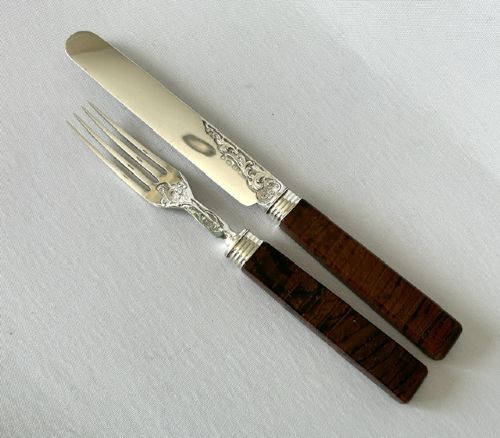
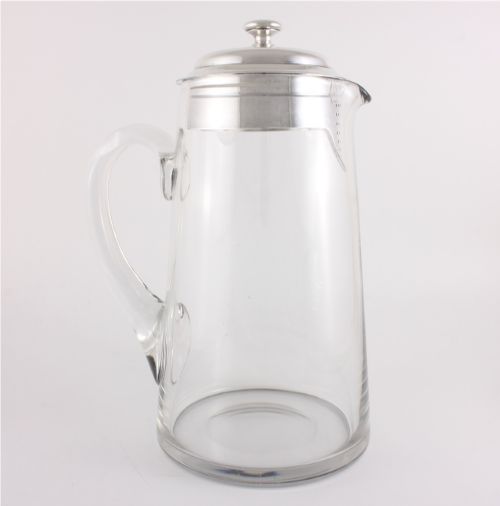
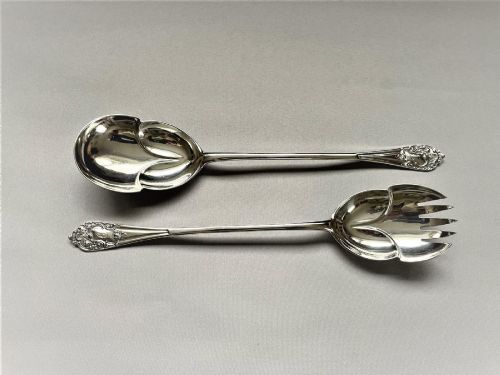
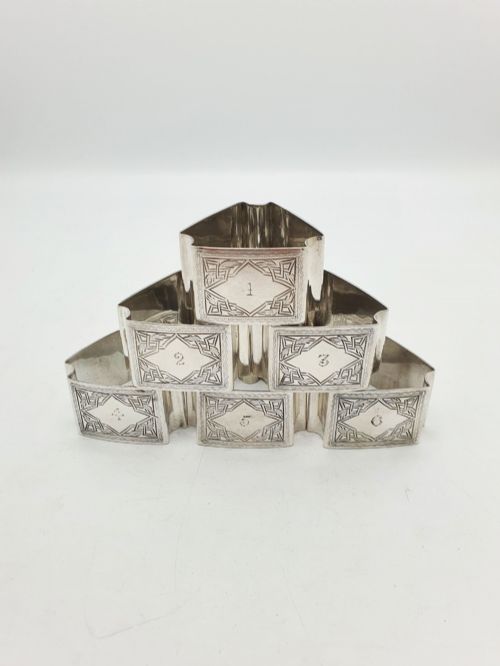
Buyers will encounter functional items like napkin rings and cutlery sets alongside decorative centrepieces including fruit baskets and water jugs. These pieces often incorporate mixed media, combining metal plating with cut glass liners, ceramic plates, or wooden bases.
Originating largely from English and French workshops, these items reflect historical shifts in dining customs from the Georgian era through to the Art Deco period. The inventory ranges from plain, utility-focused pieces to ornate novelty items modelled as shells or animal heads.
How they were made
Makers applied thin layers of silver over base metals such as copper or electroplated nickel silver, a technique that developed significantly with the invention of electroplating in the nineteenth century. Earlier items often utilised Old Sheffield Plate, fusing a sheet of silver to a copper ingot before shaping.
Manufacturers integrated supplementary materials including cut glass, porcelain plates, and oak barrels to create functional cruet stands, butter dishes, and biscuit boxes. Skilled artisans engraved surface patterns, embossed decorative borders, and cast detailed handles and feet.
Materials combined with silver plate across these items include cut glass, oak, copper, porcelain, and agate.
What varies in quality
The durability and preservation of the silver plating dictate the overall standard of a piece, with superior examples retaining their complete metallic coating across high-use areas. The thickness of the original application and the skill of the underlying metalwork determine longevity.
Refinement in decorative detailing separates standard production items from superior pieces, particularly in cast elements such as handles, feet, and figural mounts. The quality of associated components, including cut glass liners and hand-painted ceramic inserts, contributes to the distinction.
Elkington·Christofle·Mappin and Webb·Daniel Arter·Walker and Hall
The Silver Plate Tableware Glossary
- Old Sheffield Plate
- An early method of fusing silver to a copper base before rolling them into sheets together. This process creates a distinct appearance where the underlying copper occasionally shows through areas of wear.
- Electroplated Nickel Silver
- A base alloy of copper, nickel, and zinc coated with a layer of silver using an electrical current. This technique became widely utilised in the nineteenth century for producing durable tableware.
- Cruet Set
- A matched collection of bottles, castors, or cruets for holding condiments, vinegar, oil, or spices, typically housed in a dedicated metal frame. These sets sit centrally on the dining table for easy access during meals.
- Sauce Boat
- A vessel shaped like a small boat with a lip and handle, designed for serving gravies and sauces. They frequently rest on matching fixed or separate drip trays.
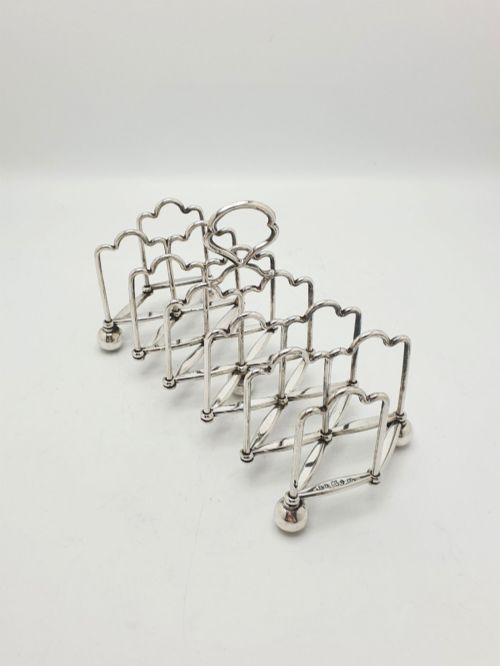
- Toast Rack
- A table accessory featuring parallel metal loops designed to hold slices of toast upright. This construction keeps the toast crisp by preventing condensation between the pieces.
Silver Plate Tableware: Frequently Asked Questions
How do I clean silver plate tableware?
Wash pieces gently in warm soapy water using a soft cloth, avoiding harsh abrasive cleaners that can wear away the thin silver layer.
Dry thoroughly with a lint-free towel and use a dedicated silver polish sparingly only when necessary to maintain the shine.
Can I use these items daily?
Many silver plated items were built for practical dining use and handle regular service well, provided they receive proper care.
Hand washing is essential, as dishwashers will damage the plating and any integrated glass or wooden components.
What is Old Sheffield Plate?
Old Sheffield Plate is an early form of plating created by fusing a thin sheet of silver to a copper core.
Items made this way date generally to the eighteenth and early nineteenth centuries and hold particular interest for collectors.
How do I identify the maker?
Makers and manufacturers typically stamped their specific trade marks, initials, or symbols onto the underside or rims of the metalwork.
Consulting historical maker mark reference guides helps determine the origin and approximate production period of the piece.