



Victorian Dining Table Accessories
Victorian dining table accessories bring the layered splendour of nineteenth-century hospitality directly to the modern home.
Understanding Victorian dining table accessories
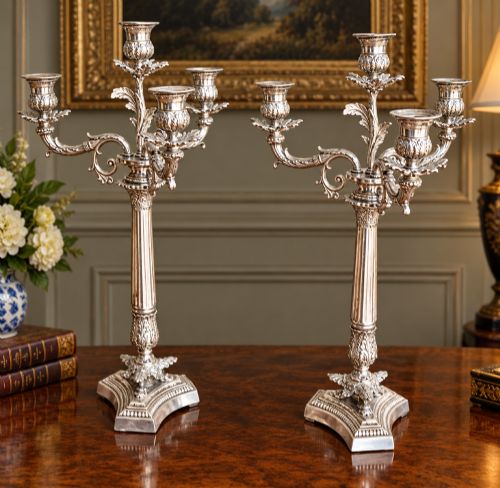
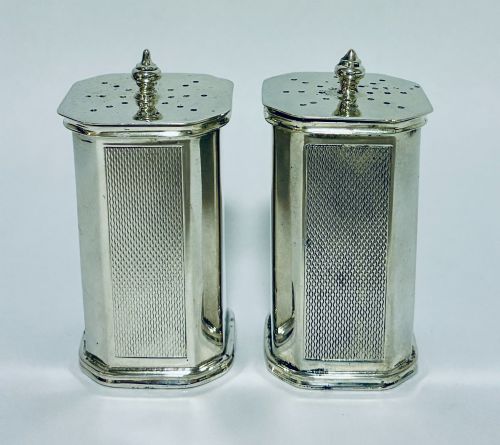
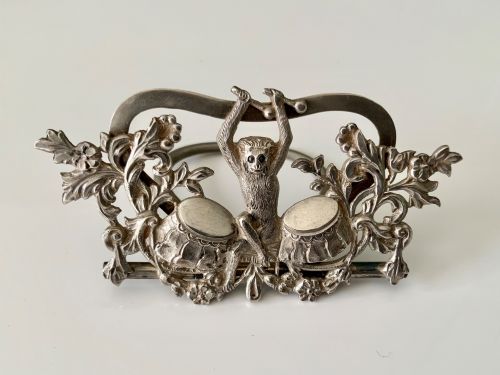
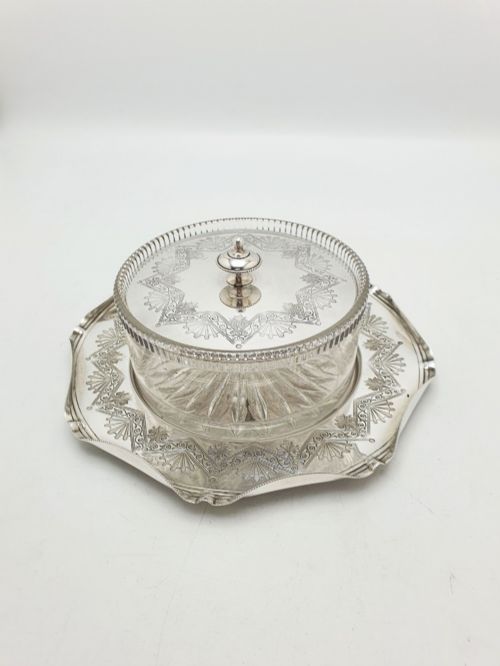
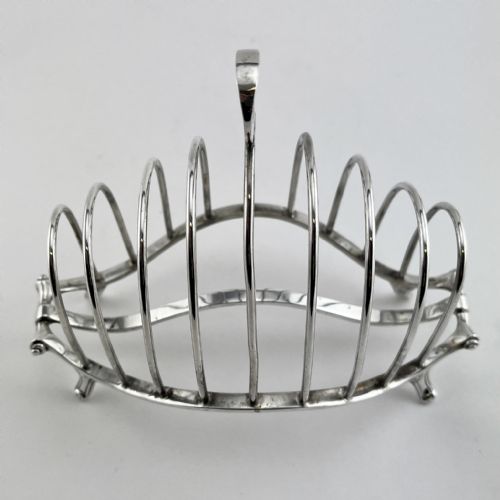
Victorian dining table accessories encompass the elaborate silver plated and ceramic objects that populated formal dining rooms during the nineteenth century. These pieces include cruet sets, spoon warmers, butter dishes, knife rests, and candelabras produced across the Victorian era.
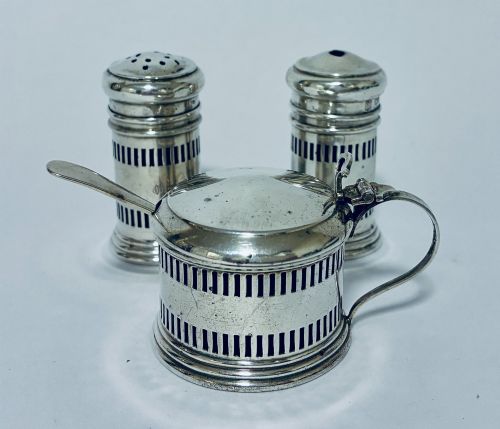
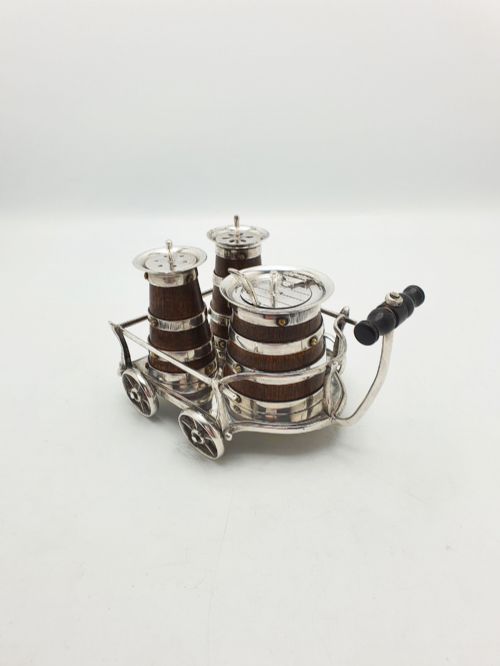
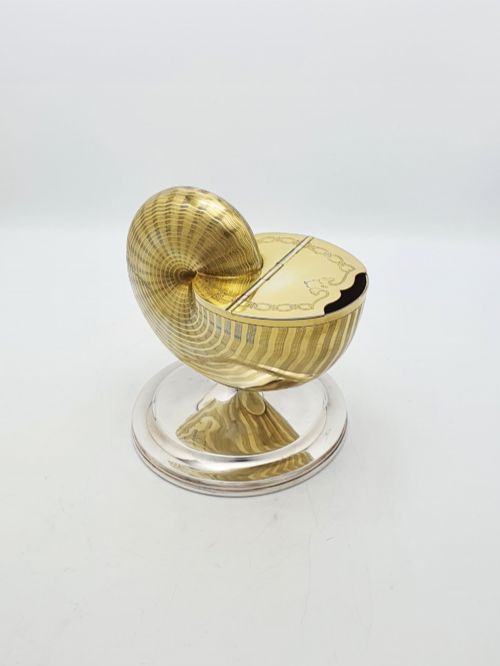
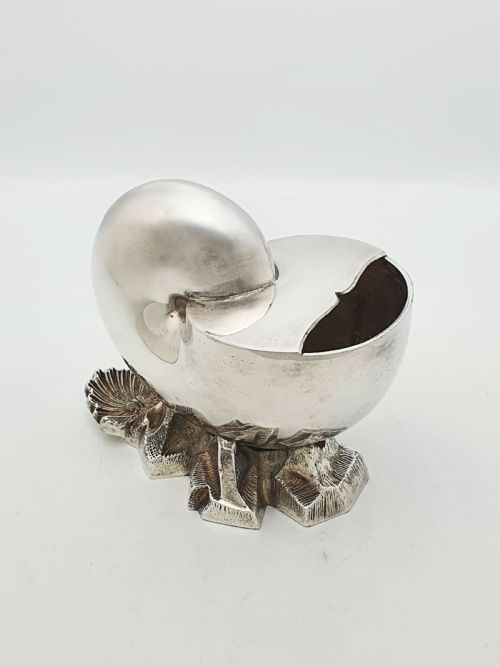
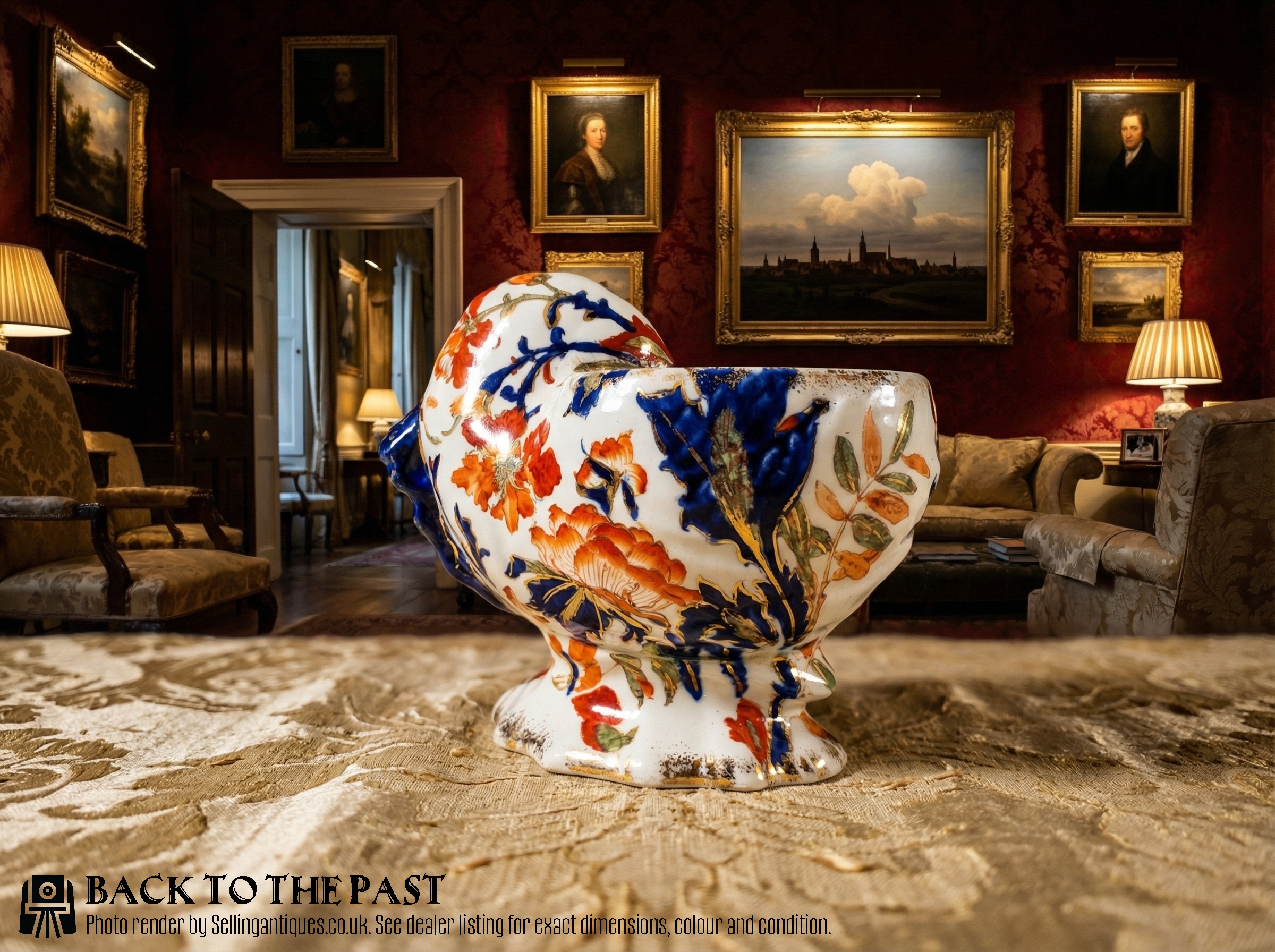
Cruet sets and spoon warmers dominate the available forms, reflecting the structured rituals of nineteenth-century dining. Condiment sets featuring glass liners and oak barrels sit alongside china spoon warmers from makers such as Ridgways.
The objects date from the eighteen-sixties through to nineteen hundred, capturing both mid-Victorian ornate styling and later nineteenth-century manufacturing shifts. Most pieces combine silver plate with functional elements like glass liners, mother of pearl, and ceramic bodies.
Materials and construction
Silver plating forms the primary structural and decorative coating across the majority of these pieces, applied over base metals to achieve a polished finish. Gilding often highlights specific design elements, adding contrast to the plated surfaces.
Makers integrated natural materials such as oak wood, mother of pearl, and china ceramic bodies to create textured contrast against the polished metal. Cut glass liners and bottles were precision-moulded to fit securely within silver plated cruet frames and butter dish surrounds.
Retail Price Guide 2026
Typical UK retail prices for victorian dining table accessories, calculated from the Sellingantiques database of over a million retail prices indexed since 2003. This retail price guide relies exclusively on Sellingantiques data; no external sources or auction records are used, so the figures do not describe the wider market.
Materials recorded in current inventory include silver plate, cut glass, oak, gilt metal, china, and mother of pearl.
Distinguishing quality
Quality reveals itself in the crispness of the casting and the integration of mixed materials like oak and mother of pearl. Superior examples maintain intact gilding and well-preserved silver plate without thinning across high-wear areas.
The sophistication of the mechanism or novelty form dictates the upper tier of the range, seen in complex revolving cruet frames or sculptural spoon warmers. Maker attribution, such as the involvement of established firms like Wade Wingfield Wilkins, further elevates a piece through documented provenance.
Wade Wingfield Wilkins·Ridgways
The Victorian Dining Table Accessories Glossary
- Cruet set
- A matched collection of bottles or jars held in a frame for holding condiments, vinegars, and sauces at the table. These sets typically feature silver plated stands with cut glass vessels.
- Spoon warmer
- A vessel designed to hold hot water for warming silver spoons before serving semi-liquid foods like mustard or gravy. They appear in diverse ceramic and plated metal novelty shapes.
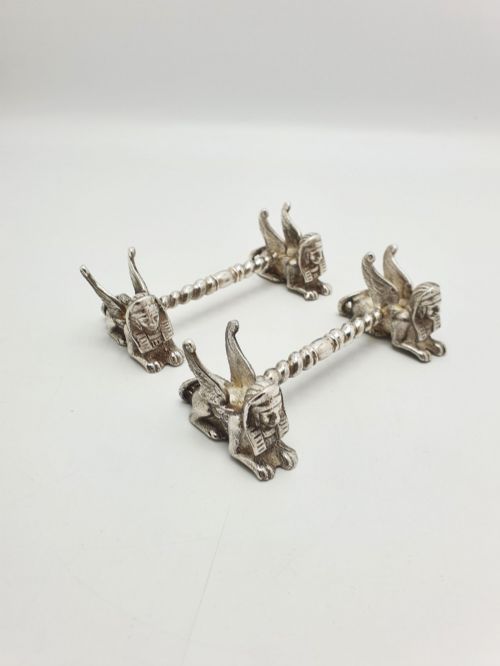
- Knife rest
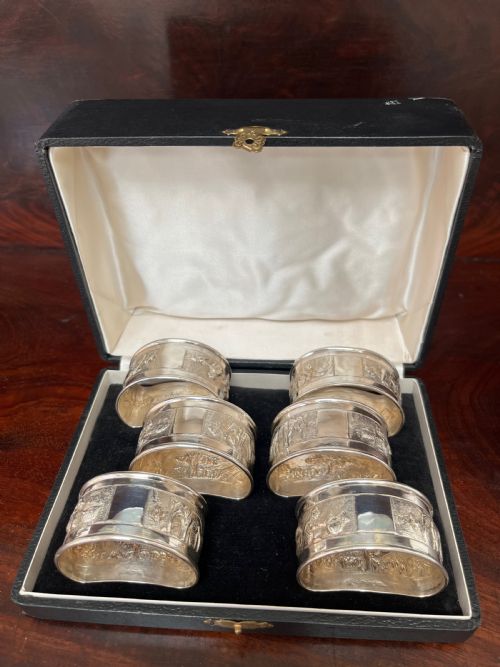
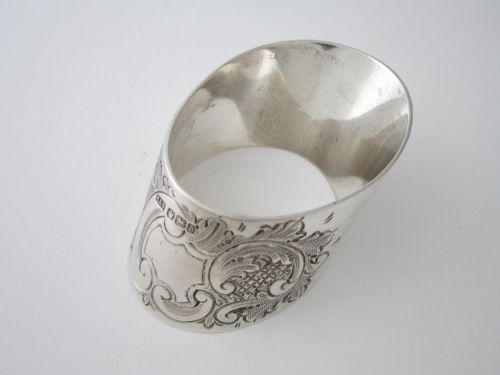
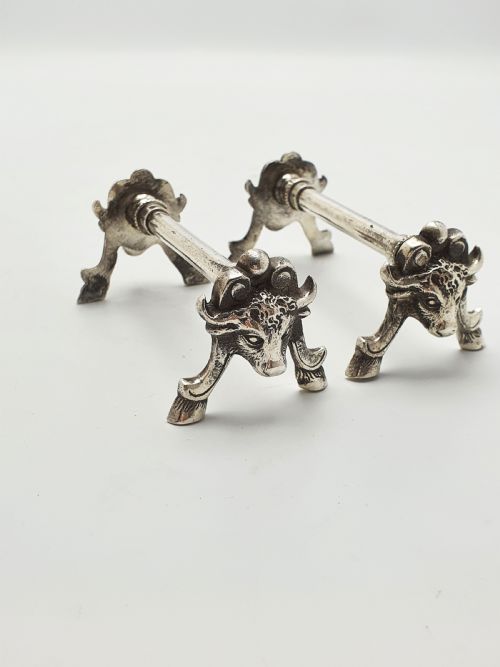
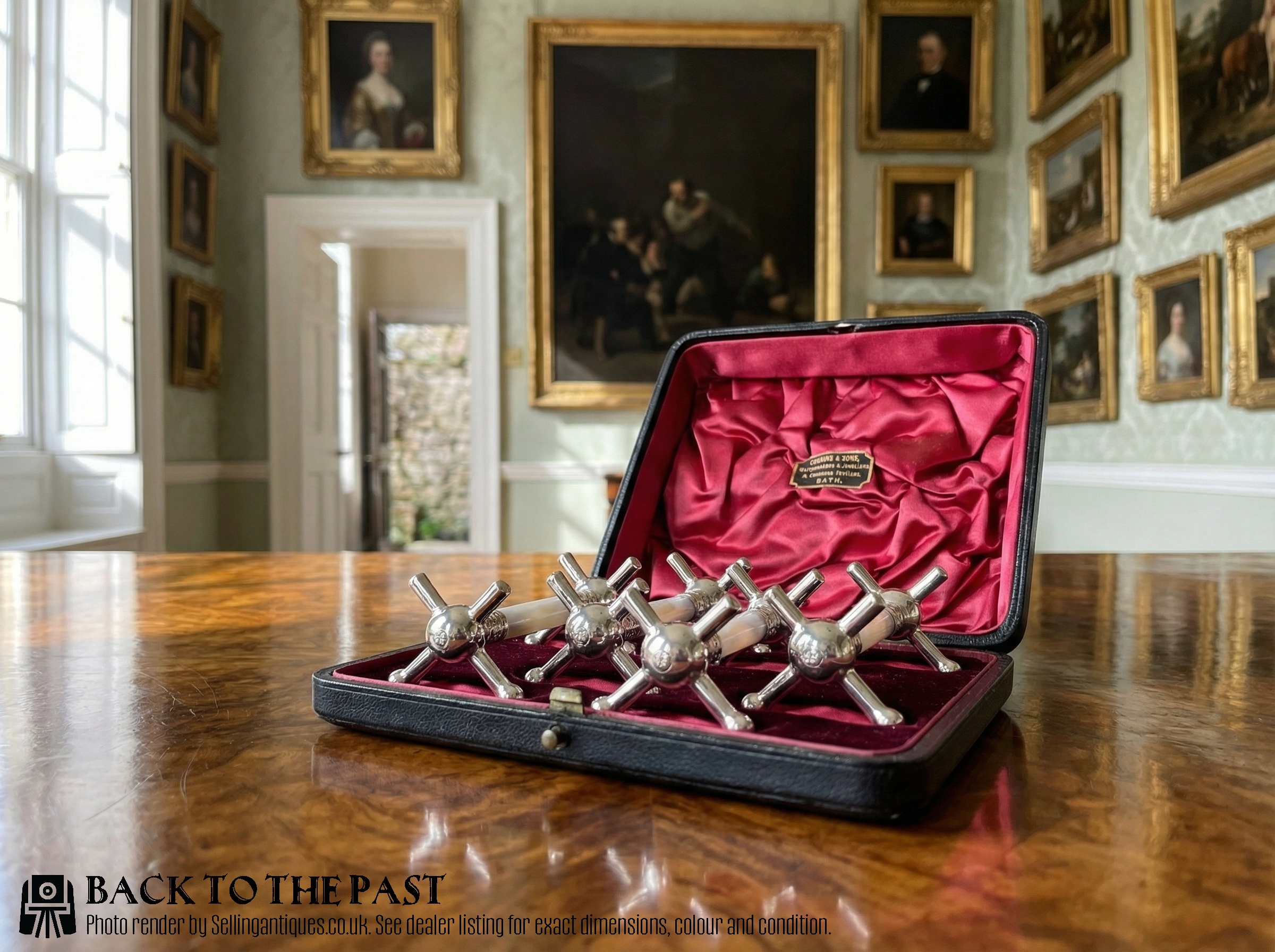
- A small support used to keep carving or dining knives elevated above the tablecloth between courses. Sets are often matched and may incorporate mother of pearl detailing.
- Silver plate
- A thin layer of silver fused to a base metal foundation through various electroplating or manufacturing methods. This technique allowed nineteenth-century makers to achieve the appearance of solid silver at a lower cost.
Frequently Asked Questions
What is a cruet set used for?
A cruet set held essential seasonings, oils, and sauces within reach of diners during formal meals. The glass bottles kept the contents visible and secure.
These sets were passed along the table or maintained in a central position for guests to season their food according to individual taste.
How do I date a spoon warmer?
Dating relies on stylistic markers, ceramic backstamps, and the manufacturing technique of the body. Mid-Victorian examples often favour heavier metal forms.
Later nineteenth-century pieces frequently utilise china bodies from known potteries, matching the stylistic shifts observed around eighteen ninety.
What are knife rests for?
Knife rests kept greasy or stained knife blades elevated away from fine linen tablecloths during pauses in a meal. They sat beside each place setting.
Sets were frequently boxed and incorporated decorative materials like mother of pearl to complement the dining room decor.
How should I clean silver plated accessories?
Silver plate requires gentle cleaning with non-abrasive cloths and specialist silver care products to preserve the underlying metal layer. Harsh scrubbing will wear away the thin silver coating.
Careful handling ensures that integrated materials like wood, glass liners, and china remain undamaged during maintenance.