
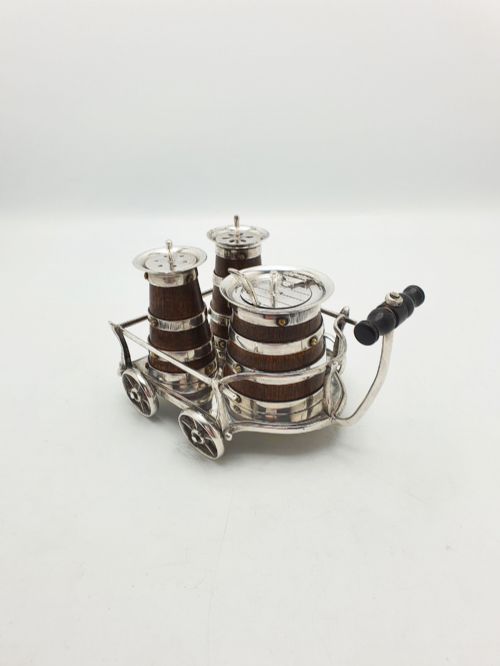
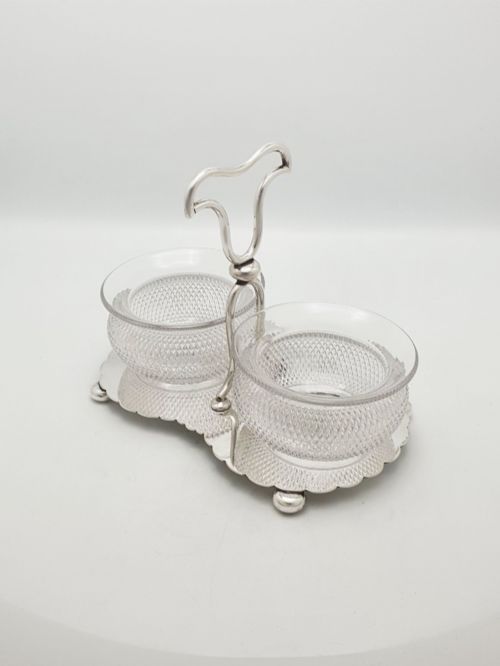
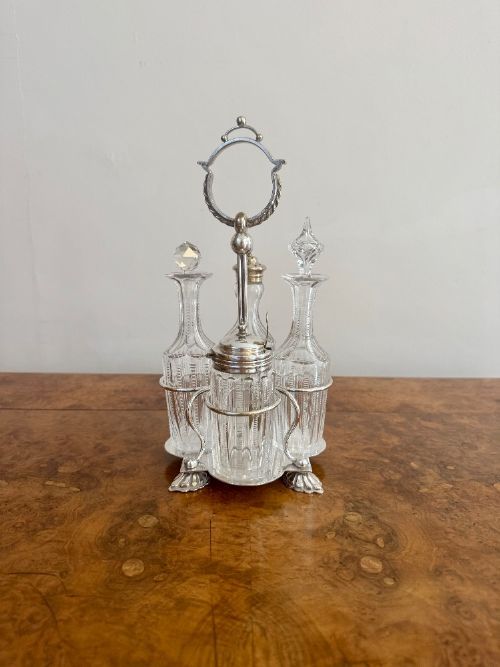
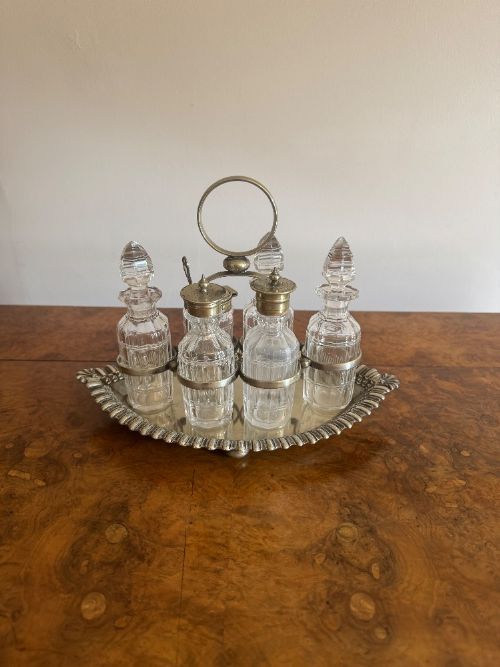
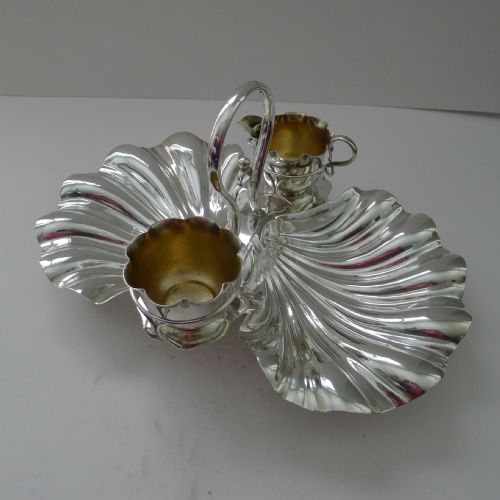
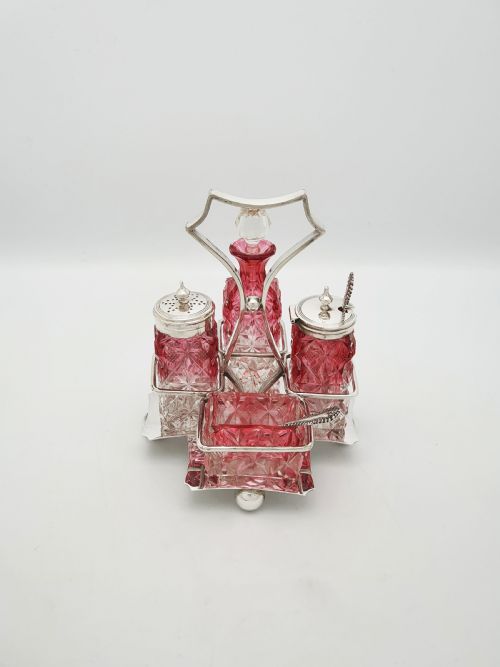
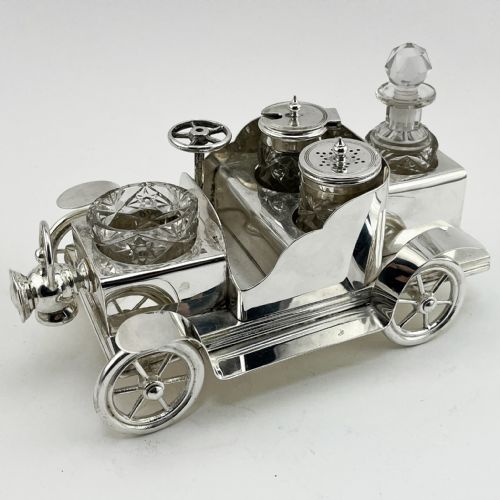


Silver Plated Condiment Set
A silver plated condiment set gathers the table dressings together in style, offering a brilliant centrepiece for dining with period charm.
Understanding the Silver Plated Condiment Set
When searching for a silver plated condiment set, collectors and diners alike look at complete table groupings designed to hold mustard, pepper, salt, and various sauces. These collections arrive from the Victorian and Edwardian eras, spanning the late nineteenth century through to nineteen hundred.
Materials extend beyond standard metalwork to include cut glass bottles, oak bases, velvet linings, and gold washes. Each piece reflects the dining habits of nineteenth and early twentieth century households, combining utility with decorative metalwork.
Materials and Manufacture
The foundation of these pieces relies on electroplated nickel silver, providing a sturdy base metal coated in a bright layer of silver plate. Many items incorporate clear cut glass bottles and jars, sometimes fitted with sterling silver mounts or enhanced by a warm internal gold wash.
Specialist presentation cases and stands often utilise oak woodwork, occasionally lined with velvet and silk to cradle the glass vessels securely. Silversmiths employed detailed casting and stamping techniques, particularly visible in novelty farmyard and violin designs from the Victorian period.
Retail Price Guide 2026
Typical UK retail prices for silver plated condiment set, calculated from the Sellingantiques database of over a million retail prices indexed since 2003. This retail price guide relies exclusively on Sellingantiques data; no external sources or auction records are used, so the figures do not describe the wider market.
Listings feature items from the Victorian, Late Victorian, and Edwardian periods, utilising silver plate, cut glass, oak, and velvet.
Assessing Quality and Distinction
Quality in a silver plated condiment set rests on the crispness of the casting and the integrity of the silver coating over the nickel silver base. Novelty items with intricate moving parts or whimsical themes demonstrate superior workshop skill compared to standard utilitarian stands.
The presence of matching cut glass bottles, original gold wash interiors, and branded maker marks elevates a set above ordinary examples. Sets featuring fitted wooden bases with intact velvet or silk linings likewise represent higher manufacturing tiers from the period.
Daniel Arter·Roberts & Belk·John Grinsell & Son
The Silver Plated Condiment Set Glossary
- Cruet set
- A matched group of small bottles or containers for holding vinegar, oil, salt, pepper, or mustard at the dining table. These are usually held together in a fitted silver plated frame or stand.
- Electroplated nickel silver
- A base alloy of copper, nickel, and zinc coated with a thin layer of pure silver using an electrical current. This technique became widespread in the nineteenth century for producing affordable tableware.
- Gold wash
- A thin layer of gold applied to the interior of silver plated spoons or bottle mounts to prevent acidic condiments from tarnishing the metal. It adds a warm, rich tone to the inside of cruet spoons.
- Novelty cruet
- A condiment set designed in a playful or pictorial shape, such as a farmyard animal, a car, or a violin. These imaginative pieces were popular conversation starters at Victorian dinner parties.
- Sheffield
- A city in England renowned for its metalworking and silversmithing industries. Items marked from here often indicate established manufacturing traditions.
Frequently Asked Questions
What is included in a typical cruet set?
A standard cruet set usually contains multiple glass bottles or jars intended for condiments like vinegar, oil, pepper, and mustard. These vessels rest inside a metal frame fitted with a handle for easy transport around the dining table.
Many examples also incorporate matching spoons, while some larger configurations add specific compartments for dry spices or sauces.
How do I date a silver plated condiment set?
Dating relies on stylistic clues, maker marks, and material combinations seen across the Victorian and Edwardian periods. Designs span from elaborate late nineteenth-century stands to cleaner Edwardian configurations.
Novelty shapes often carry specific registration numbers or design characteristics tied to the eighteen seventies through to nineteen hundred.
How should I clean silver plated tableware?
Silver plate requires gentle cleaning with a soft cloth and a specialised polish formulated for plated items. Avoid aggressive scrubbing or abrasive materials that can wear away the thin silver layer over the nickel base.
Glass bottles and stoppers can be washed separately in warm soapy water, ensuring they are dried thoroughly before returning to the metal stand.