

Victorian Silver Condiment Set
A victorian silver condiment set brings dining table elegance through crafted salt cellars, mustard pots, and pepperettes.

What a Victorian Silver Condiment Set Is
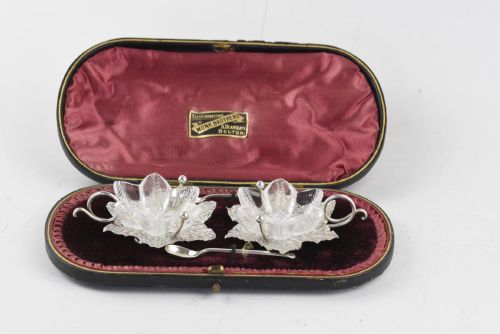
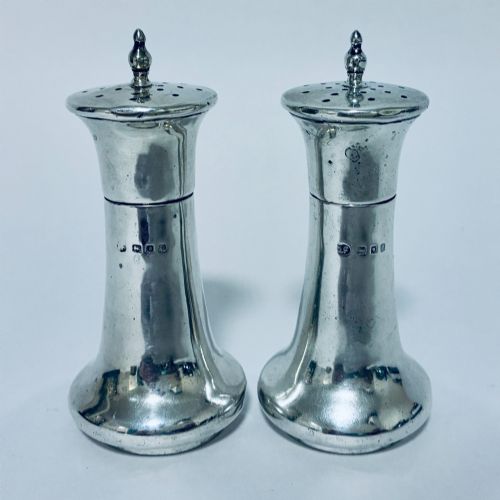
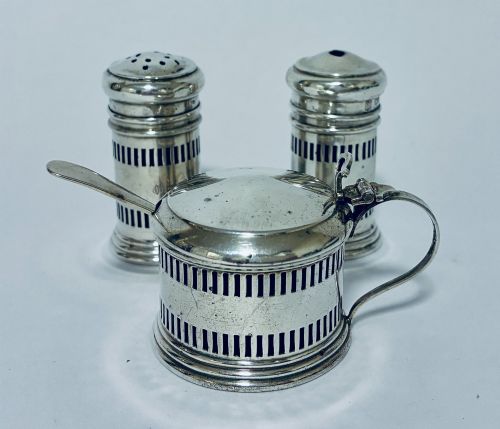
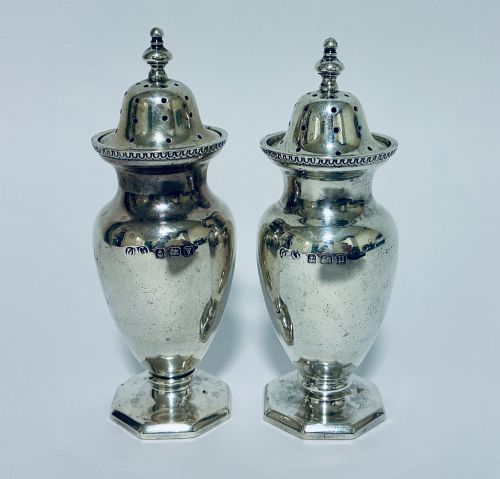
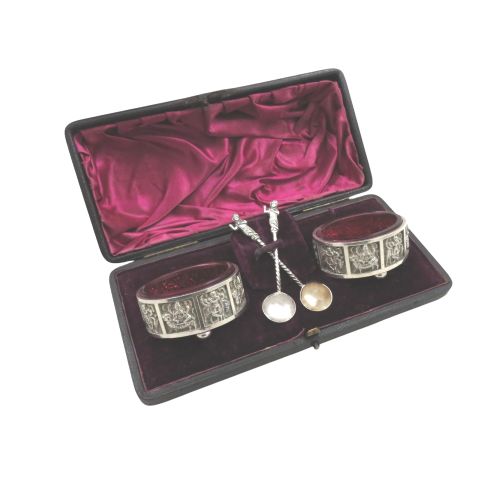
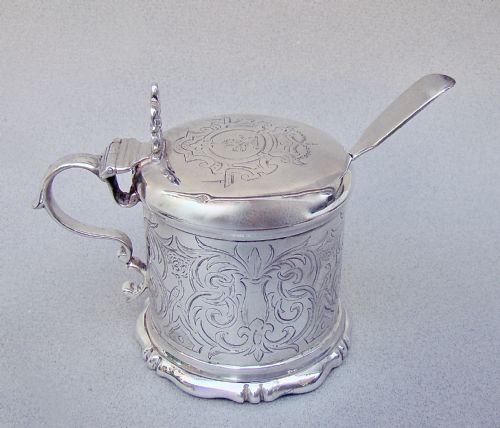
A victorian silver condiment set brings together essential table vessels such as salt cellars, mustard pots, and pepperettes for formal dining. Buyers examine combinations of sterling silver, silver plate, and 800 silver alongside glass elements.
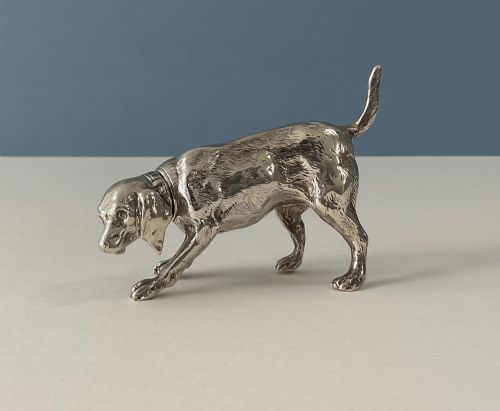
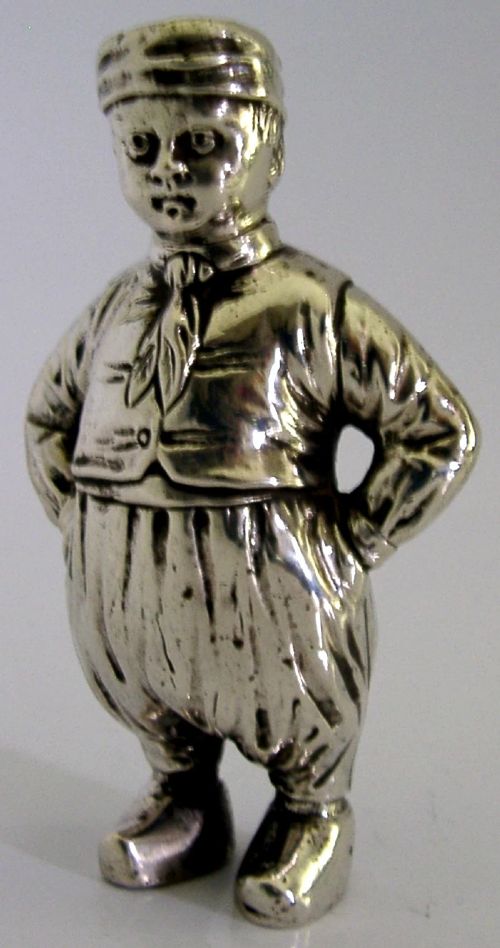
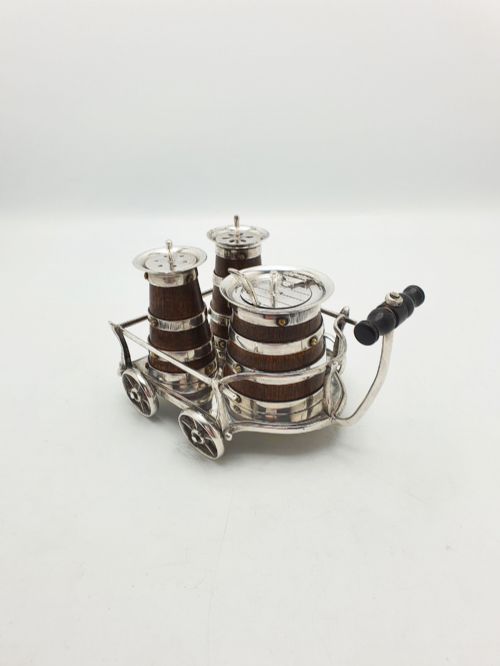
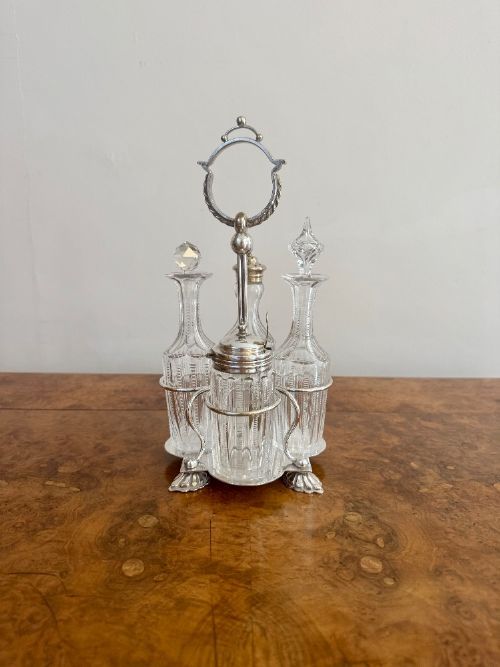
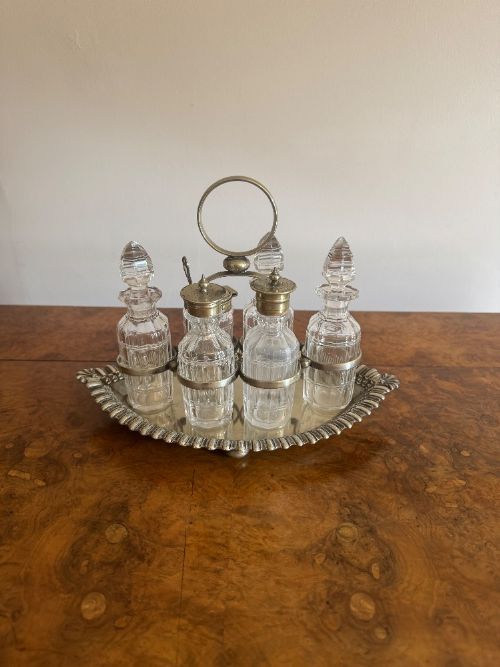
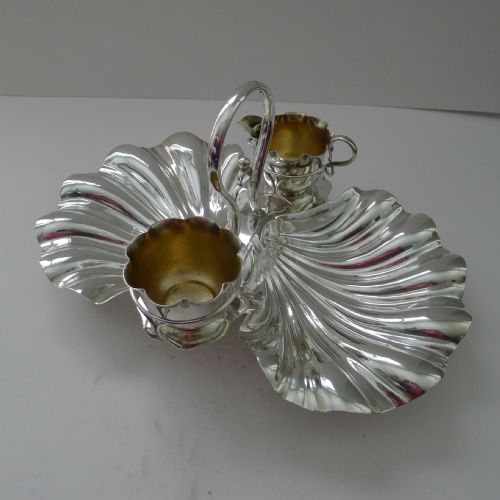
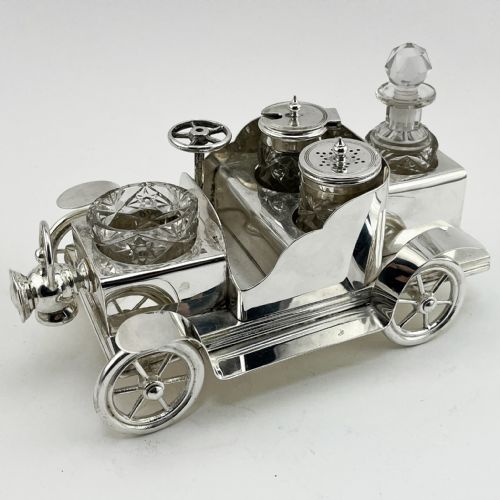
Cruet sets and standalone pepper pots appear frequently across the periods, reflecting late nineteenth-century dining customs. Pieces range from matched silver frames holding cut glass bottles to individual novelty designs like cockatoos and boys.
The selection encompasses English silver alongside continental examples and Irish condiment shovels. Oak frames and silk-lined presentation containers occasionally accompany the silverware.
How They Were Made
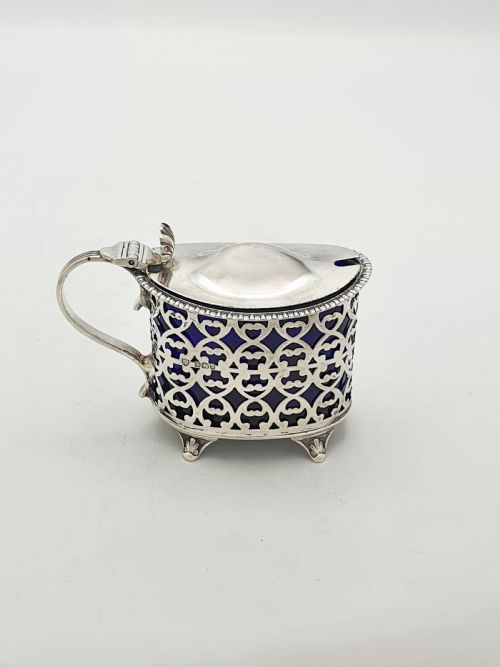
Silversmiths utilised sterling silver and silver plate over supportive structures, incorporating fitted glass liners in cobalt or clear tones. Cutting techniques shaped the heavy glass bottles designed to fit securely into metal frames.
Ornate casting and piercing created openwork frames for salt cellars and cruet stands. Novelty forms required detailed shaping to render figures like cockatoos, musical instruments, and human characters with functional cavities for seasoning.
Retail Price Guide 2026
Typical UK retail prices for victorian silver condiment set, calculated from the Sellingantiques database of over a million retail prices indexed since 2003. This retail price guide relies exclusively on Sellingantiques data; no external sources or auction records are used, so the figures do not describe the wider market.
Listings feature items dated across the nineteenth century, with materials spanning sterling silver, silver plate, cobalt glass, and oak.
What Varies in Quality
The distinction between standard production and top-tier execution lies in the crispness of chased ornament and the weight of the metal. Finer sets display substantial gauge sterling silver and precise piercing rather than thin plating over base metal.
Makers known for exceptional retail presentation, such as Asprey or Mappin Brothers, demonstrate superior finish in their hinges, spoons, and glass fittings. Complete matched sets with original liners and bespoke spoons command greater regard than assembled groups.
Mappin Brothers·John Grinsell And Son·Asprey·Leuchars
The Victorian Silver Condiment Set Glossary
- Cruet set
- A fitted stand holding multiple bottles, jars, or shakers for vinegar, oil, mustard, salt, and pepper. These frames often feature a central carry handle.
- Salt cellar
- An open vessel or small bowl used to hold salt at the dining table before the invention of the shaker. They frequently incorporate cobalt glass liners to protect the silver from corrosion.
- Pepperette
- A small shaker or pot designed specifically for dispensing ground pepper. Victorian examples often take imaginative novelty shapes.
- Sterling silver
- An alloy containing a high proportion of pure silver combined with other metals for durability. British items typically carry hallmarks confirming this standard.
- Silver plate
- A layer of silver fused to a base metal core. This technique provided a bright finish at a lower cost than solid silver.
Frequently Asked Questions
What pieces belong in a complete condiment set?
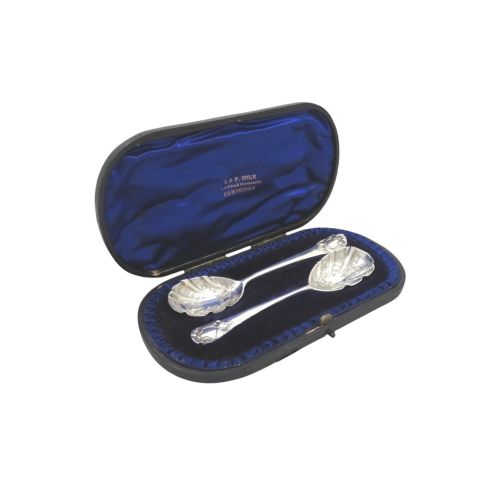
A standard cruet configuration includes vessels for salt, mustard, and pepper, often housed within a fitted frame. Additional pieces like condiment shovels and spoons complete the ensemble.
Fittings may also comprise vinegar and oil bottles paired with smaller open salt cellars and mustard pots.
How do I identify a Victorian condiment piece?
Examination of hallmarks, styles, and associated storage boxes reveals the period of manufacture. British sterling pieces often bear date letters and maker marks characteristic of the nineteenth century.
Stylistic cues range from heavy Gothic influences to elaborate floral chasing and novelty animal forms.
Why are glass liners used in salt cellars?
Salt is highly corrosive and can pit or damage silver over prolonged contact. Glass liners create a protective barrier between the seasoning and the metal frame.
Cobalt glass was a popular choice, providing a rich contrast against pierced silver galleries.
How should I clean antique silver condiment sets?
Gentle washing with warm water and mild soap removes daily dust and residue. Specialised silver cloths maintain the polished surface without abrasive rubbing.
Harsh chemical dips can strip desirable patination and damage delicate glass liners or fitted wooden bases.