
Victorian Silver Salts
Victorian silver salts are small, open table vessels designed to hold seasoning, combining solid metals and coloured glass liners.
Victorian silver salts
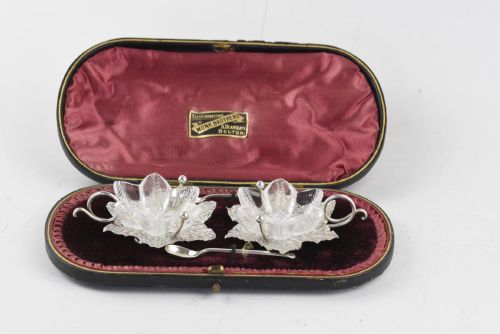
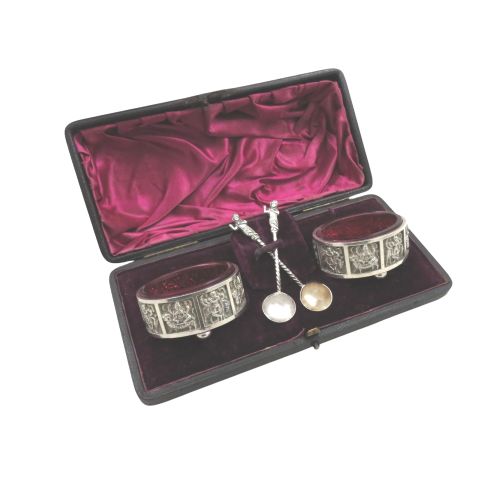
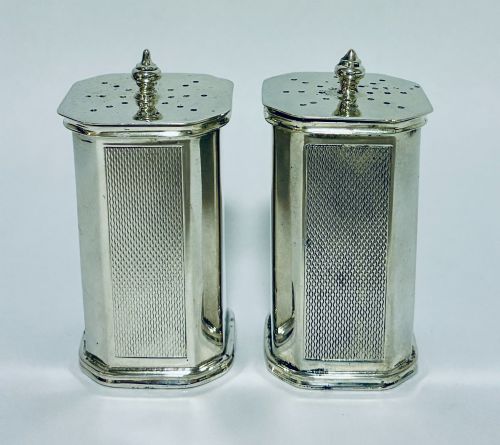
Victorian silver salts comprise small open vessels and cellars used to hold salt for dining tables during the nineteenth century. Buyers encounter these pieces most frequently in pairs or matched sets, often complete with their original spoons and fitted presentation cases.
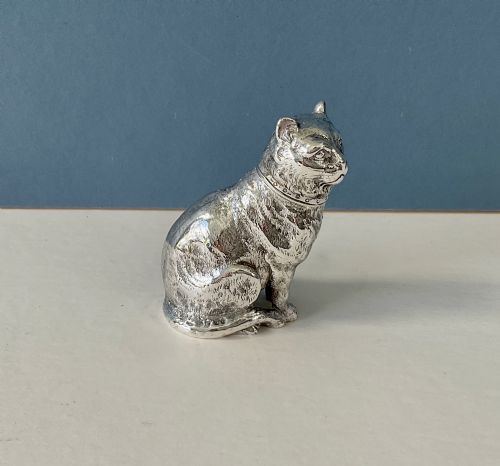
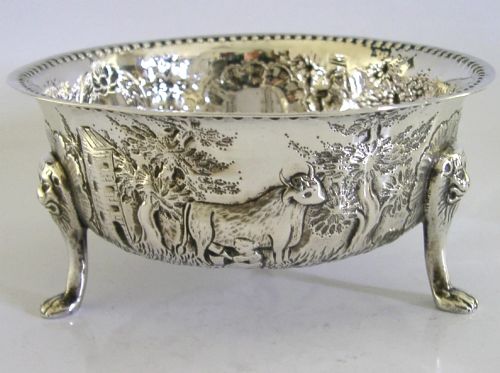
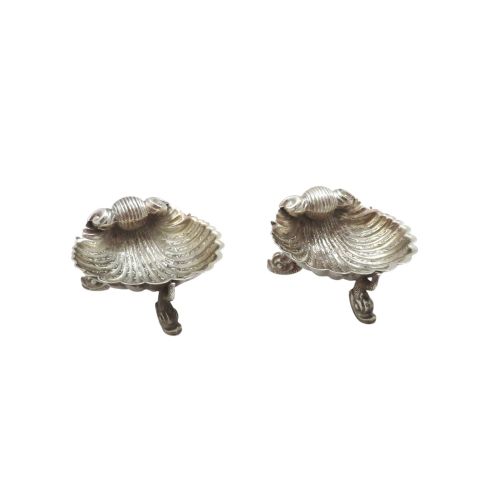
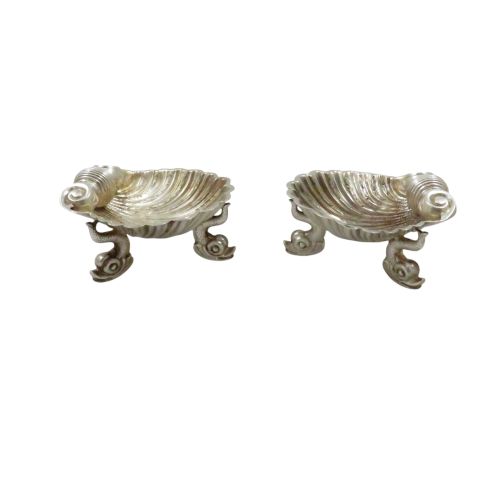
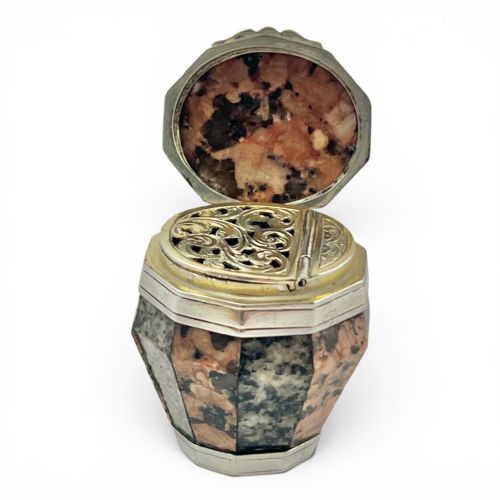
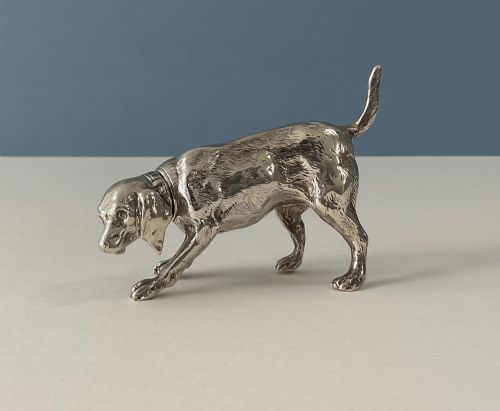
The forms range from simple round dishes and boat shapes to novelty designs shaped like swans, birds, top hats, baskets, and oriental heads. Makers produced table salts, double-headed cellars, and miniature two-handled oval bowls across various regional assay offices.
Materials and Techniques
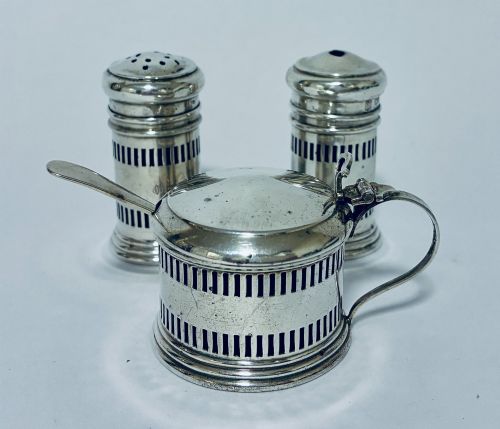
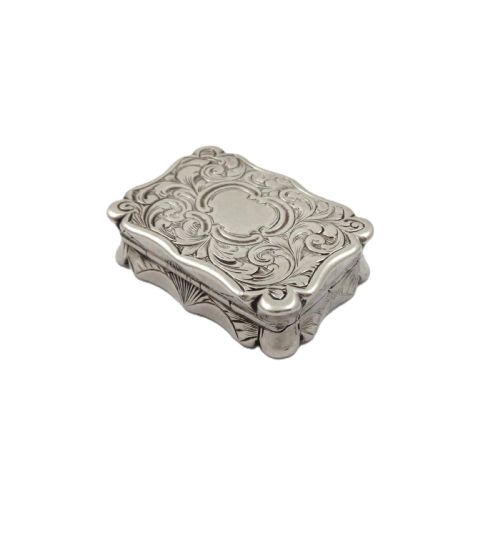
Silversmiths utilised sterling silver, solid silver, and silver gilt to shape the bodies, frequently applying piercing, basket weave stamping, or naturalistic cast detailing. Interiors often received a gilt wash to protect the metal from the corrosive nature of salt.
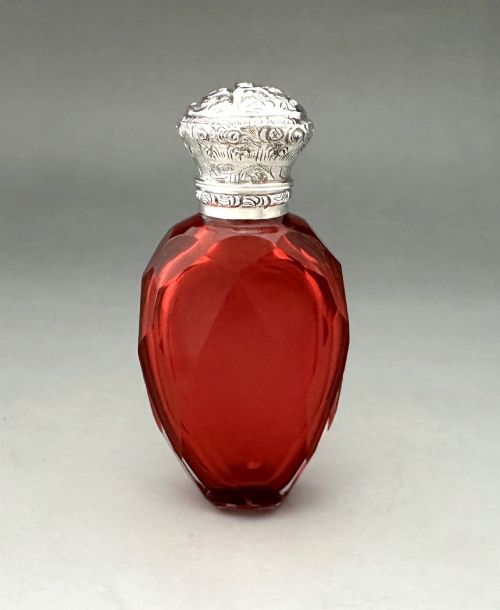
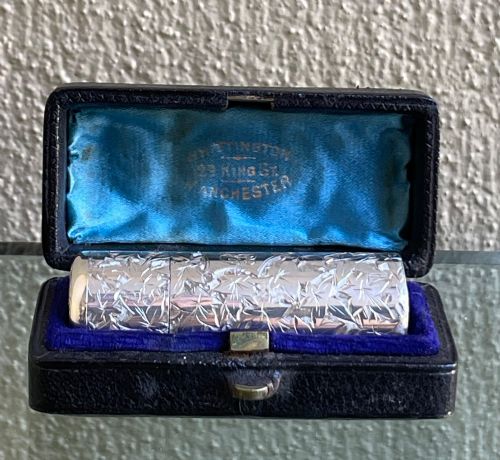
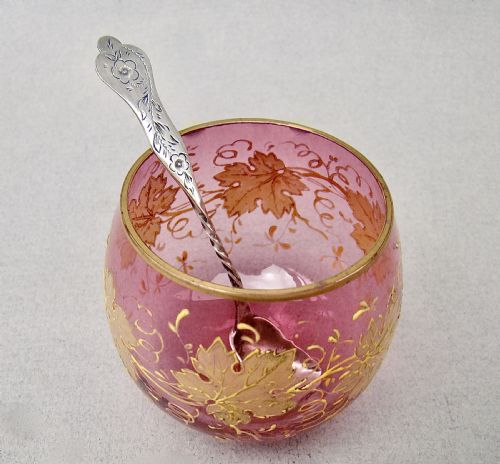
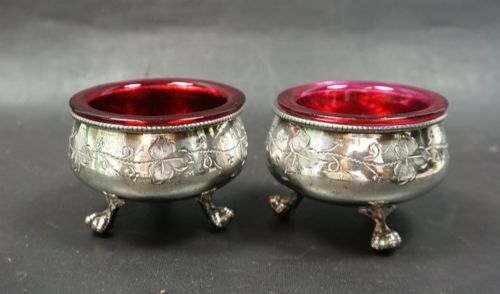
Many open cellars incorporated removable glass liners in cobalt blue, cranberry, or amethyst hues to protect the silver further. Fitted presentation boxes lined with silk, velvet, or leather accommodated these sets alongside matching salt spoons.
Retail Price Guide 2026
Typical UK retail prices for victorian silver salts, calculated from the Sellingantiques database of over a million retail prices indexed since 2003. This retail price guide relies exclusively on Sellingantiques data; no external sources or auction records are used, so the figures do not describe the wider market.
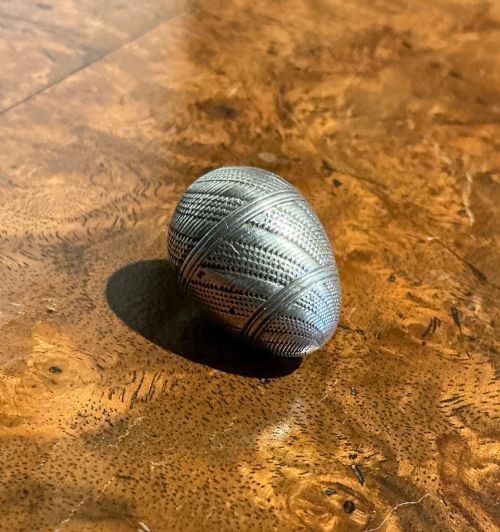
Novelty forms seen in the archive include swan shapes, birds, top hats, oriental heads, and basket weave designs.
Assessing the Range
Quality rests in the precision of the silversmith's hand, distinguishing standard circular cellars from intricate novelty animal forms, bird figures, and pierced serpentine designs. Crispness in hallmark stamps and detailed chasing elevate specific examples above plain utility pieces.
The survival of matching sets, original fitted boxes, accompanying spoons, and undamaged coloured glass liners heavily influences the standing of a piece. Finer items exhibit robust gauge silver and undamaged gilding to the interior surfaces.
Thomas Hart Stone·John Round·Robert Hennell·Martin Hall And Co·John Grinsell And Sons
The Victorian Silver Salts Glossary
- Salt cellar
- An open vessel placed on the dining table to hold salt before the invention of shaker bottles. These containers are typically small and rest directly on the dining surface.
- Gilt silver
- Silver that has been coated with a thin layer of gold on the interior surface. This application prevented the corrosive salt from pitting the underlying silver.
- Cobalt glass
- A deep blue glass used to create removable liners for open salt cellars. The vibrant colour contrasts sharply with the polished silver exterior.
- Assay mark
- A stamped symbol indicating the purity of the silver metal and the office where it was tested. These marks help determine the town and year of manufacture.
- Salt spoon
- A miniature spoon specifically proportioned to serve salt from an open cellar. They frequently accompany cased sets of Victorian table salt dishes.
Frequently Asked Questions
How were Victorian silver salts used at the table?
These open vessels sat upon the dining table so guests could spoon salt onto their individual plates. They predated modern shakers and required small dedicated spoons.
Wealthy households used matching sets placed at intervals along the table. The salt served was coarse rather than free-flowing.
Why do some salts have coloured glass liners?
Salts corrode unplated silver over extended periods of contact. Removable glass liners protected the metal while adding a splash of colour.
Cobalt blue, cranberry, and amethyst glass were popular choices. These liners lifted out easily for cleaning after meals.
How can I date Victorian silver salts?
Hallmarks stamped onto the silver provide the exact year of assay and the maker's mark. Date letters change yearly according to the testing office.
Stylistic cues also help, as naturalistic and novelty shapes gained popularity during the middle and late nineteenth century.
How do I care for antique silver salts?
Wash the silver gently in warm soapy water and dry with a soft cloth. Avoid abrasive polishes that wear away crisp chasing and hallmarks.
Remove glass liners before cleaning to prevent moisture trapping underneath. Store cased sets away from direct sunlight to protect the silk and velvet linings.