
Silver Open Salts
Silver open salts are miniature table vessels designed to hold loose salt, bringing glittering Georgian and Victorian elegance to any dining table.
What silver open salts are
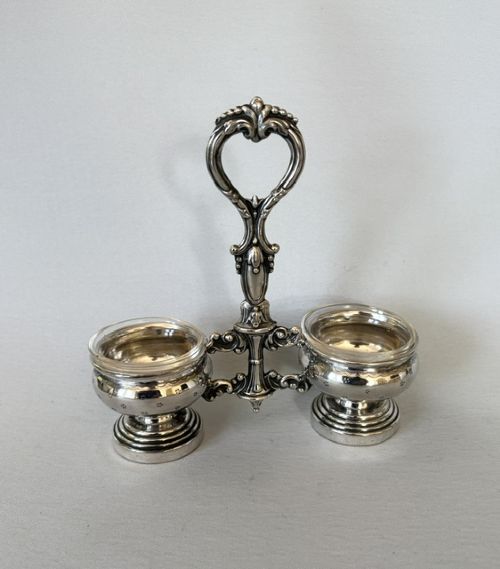
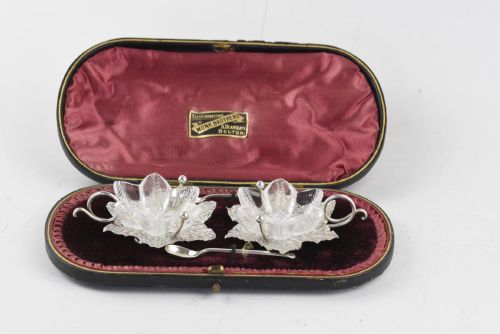
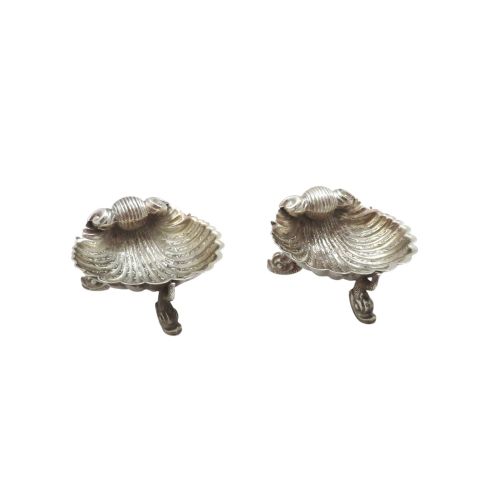
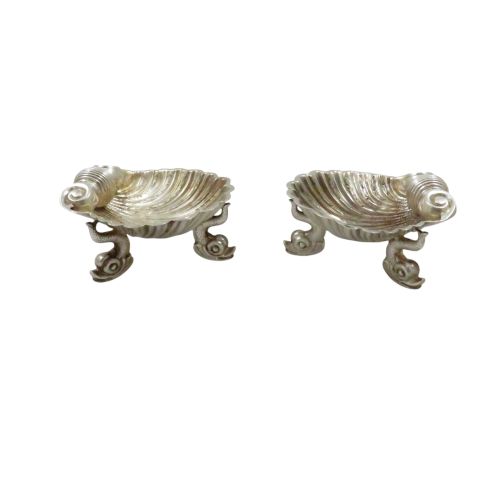
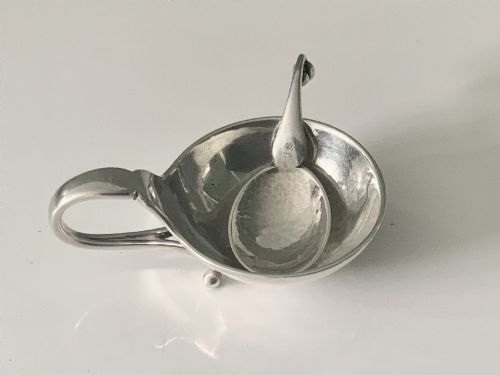
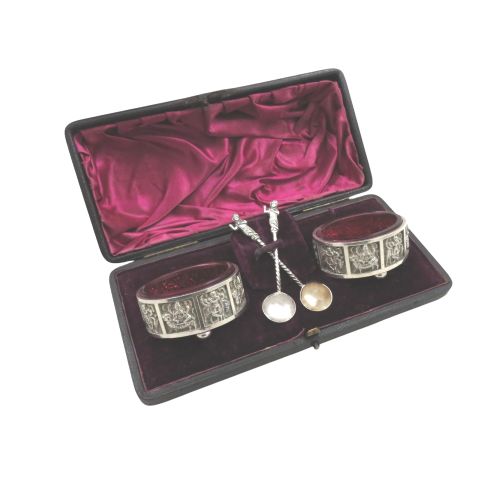
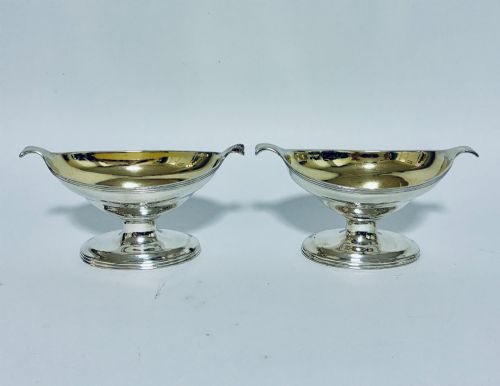
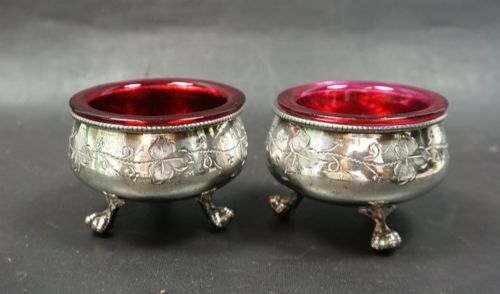
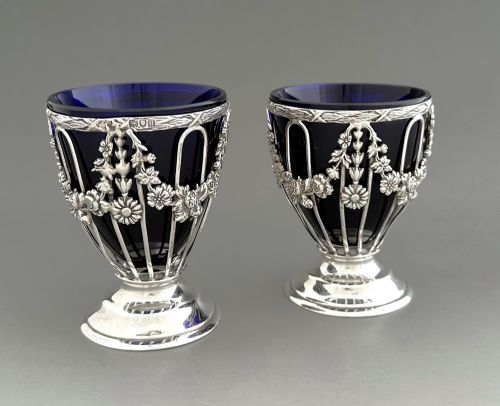
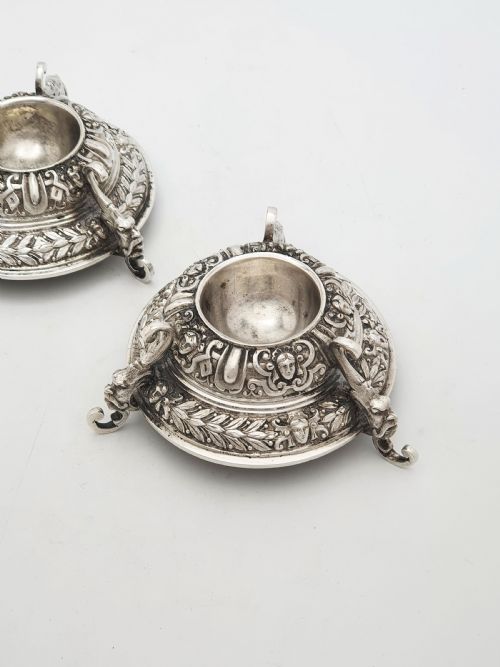
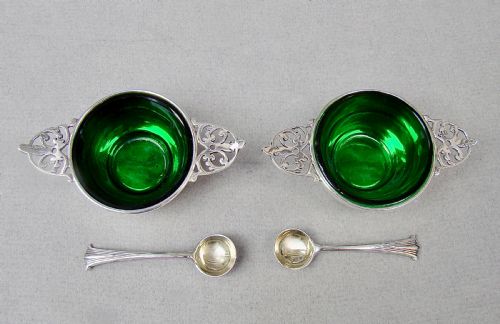
The most common forms you meet on this page include pairs and sets of small open bowls, often accompanied by their original matching spoons. These pieces range from simple round containers to ornate pedestal designs and cauldron shapes supported by miniature feet.
How they were made
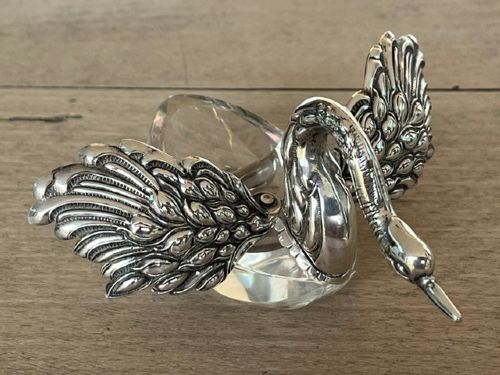
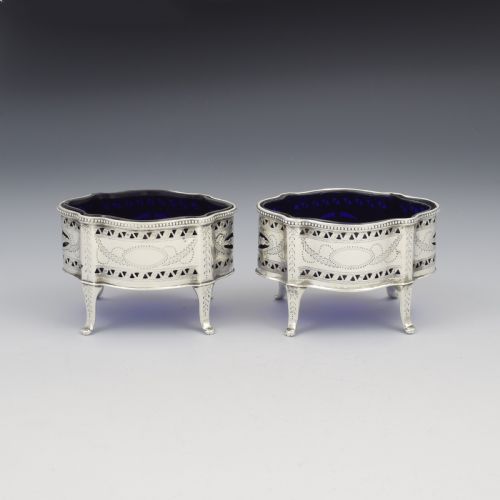
Silversmiths constructed these vessels using sterling silver, standard silver, and silver plate, frequently employing die-stamping techniques to shape the metal into decorative forms. Many examples feature intricate pierced work or embossed foliage trimming the outer edges.
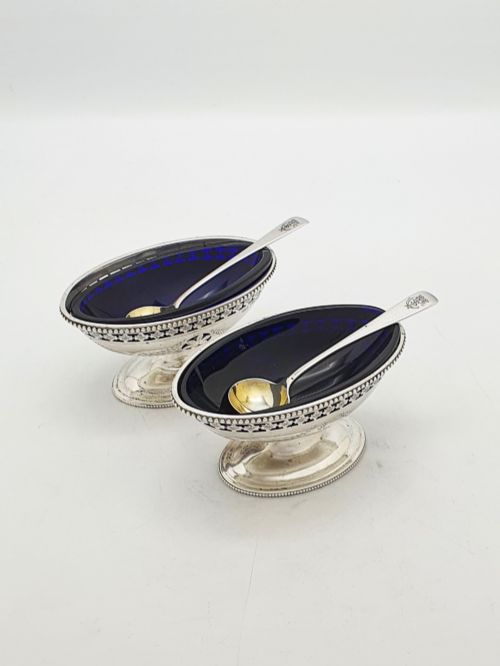
To protect the silver from the corrosive nature of salt, makers inserted fitted cobalt glass or crystal liners inside the metal frames. Interiors were also frequently gilt with a thin layer of gold wash, adding a warm contrast to the polished exterior.
Retail Price Guide 2026
Typical UK retail prices for silver open salts, calculated from the Sellingantiques database of over a million retail prices indexed since 2003. This retail price guide relies exclusively on Sellingantiques data; no external sources or auction records are used, so the figures do not describe the wider market.
Listings feature solid silver, silver plate, and sterling silver pieces paired with cobalt glass.
What varies in quality
Quality rests upon the crispness of the silversmith's chasing and the presence of fully struck hallmarks denoting the city, date, and maker. Finer examples retain their original matching spoons and hand-fitted cobalt glass liners intact.
The weight of the metal and the sophistication of the form, such as cast lion paw feet or detailed foliage trim, separate standard production pieces from masterwork creations by renowned silversmiths.
John Edmonstone·Vale Brothers and Sermon·Rebecca Emes·Samuel Hennell and John Terry·Joseph Angell I
The Silver Open Salts Glossary
- Open salt
- A small tabletop container used for serving loose salt, distinct from a shaker. Diners pinch salt from the open vessel using a miniature spoon or their fingers.
- Salt cellar
- Another term for a salt container used at the dining table. These pieces sit directly upon the linen during a meal.
- Cobalt glass liner
- A rich blue glass insert placed inside a silver salt to hold the salt and prevent chemical corrosion of the metal. These liners lift out easily for washing.
- Gilt interior
- A thin layer of gold applied to the inside of a silver vessel. This process protects the silver from tarnishing when in direct contact with salt.
- Cauldron salt
- A small salt cellar shaped like a traditional cooking pot, typically standing on three miniature feet. This form enjoyed particular popularity during the Victorian era.
Frequently Asked Questions
What are silver open salts?
Silver open salts are small decorative dishes placed on dining tables to hold loose salt before modern shakers existed. Guests used tiny spoons to take a pinch of salt for their food.
These pieces reflect the shifting styles of British silversmithing across the Georgian and Victorian eras, ranging from plain round bowls to ornate pedestal designs.
How do I use them today?
You can use silver open salts on your dining table for serving sea salt flakes or coarse salt during dinner parties. They also make charming small containers for holding rings or trinkets on a dressing table.
When using them with salt, ensure the glass liner is intact to protect the silver metal from direct corrosion.
How do I date a silver salt?
Dating a silver salt relies on reading the assay office hallmarks stamped into the metal, which indicate the exact city and year of creation. Stylistic clues such as piercing, pedestal bases, or cauldron shapes also point toward specific periods like the 18th Century or Victorian era.
Maker marks further narrow down the production window to the working dates of the silversmith.
Why do some salts have blue glass?
Silver reacts chemically and corrodes when left in direct contact with salt over long periods. Cobalt glass liners were fitted inside the open salts to act as a protective barrier while adding a striking splash of blue colour.
These glass inserts lift out of the silver frame for easy cleaning after meals.