
Sterling Silver Salts
These sterling silver salts are practical dining table vessels designed to hold seasoning, combining solid metal work with historical forms.
Understanding sterling silver salts
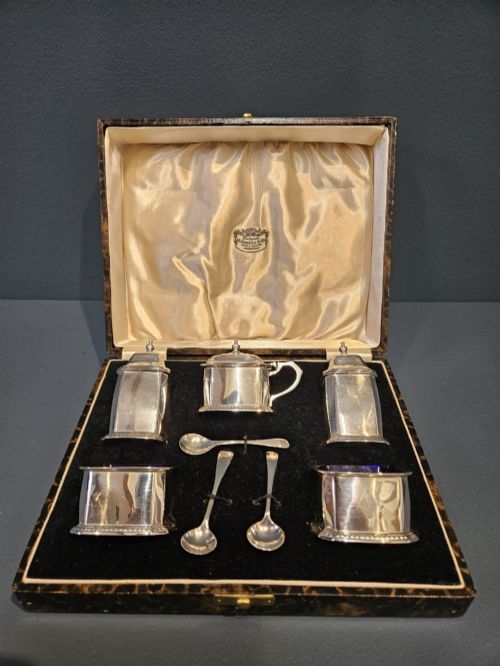
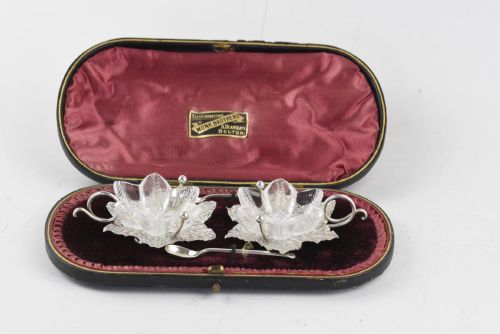
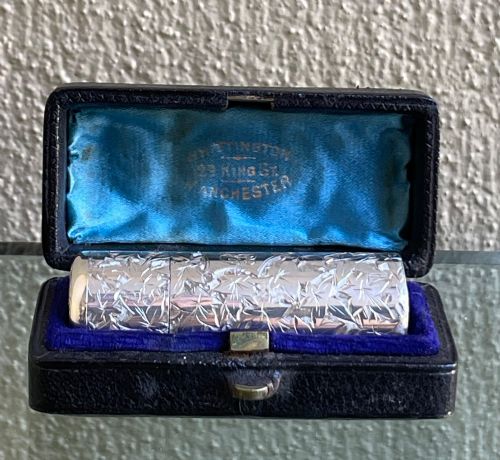
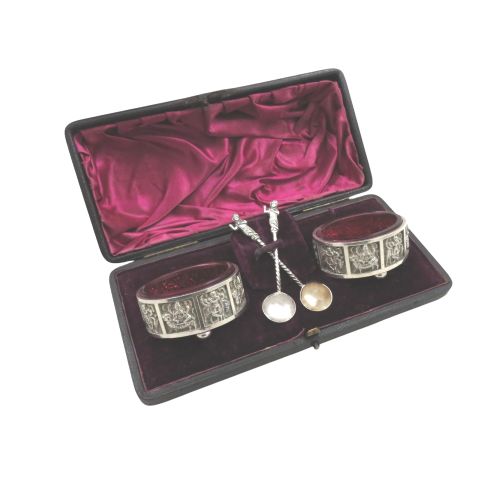
Sterling silver salts appear in various forms across the Georgian, Victorian, and early twentieth century periods, serving as essential tableware on formal dining tables. Buyers often encounter matched pairs or sets housed in fitted cases, frequently accompanied by matching spoons.
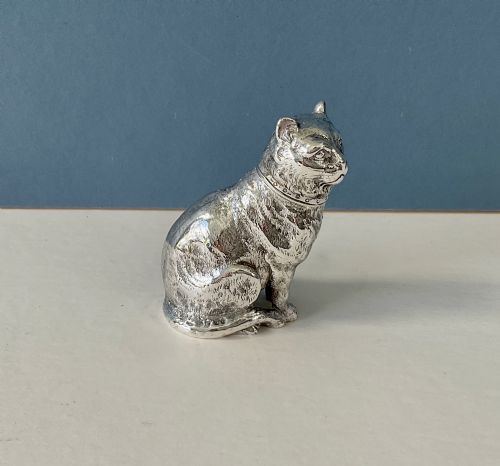
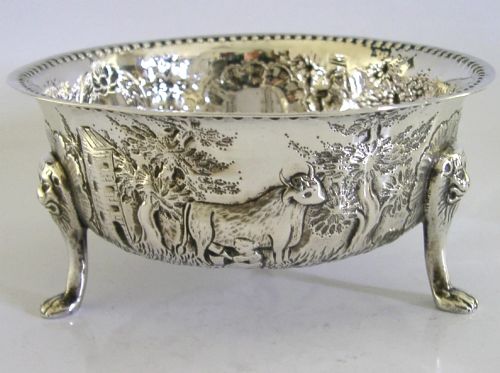
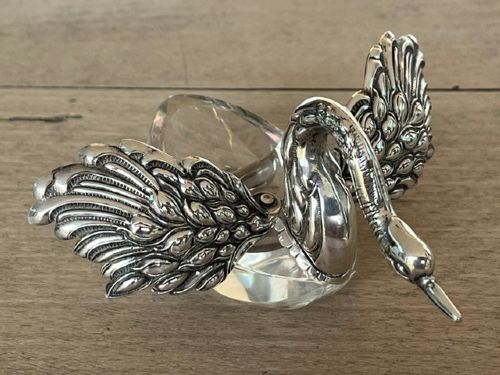
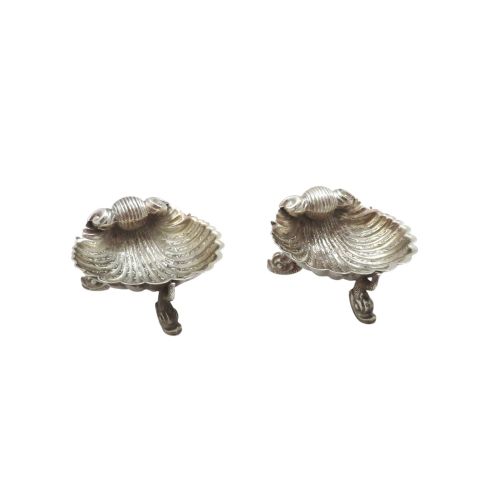
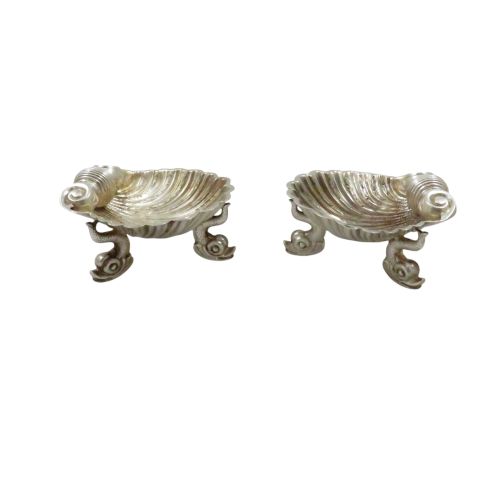
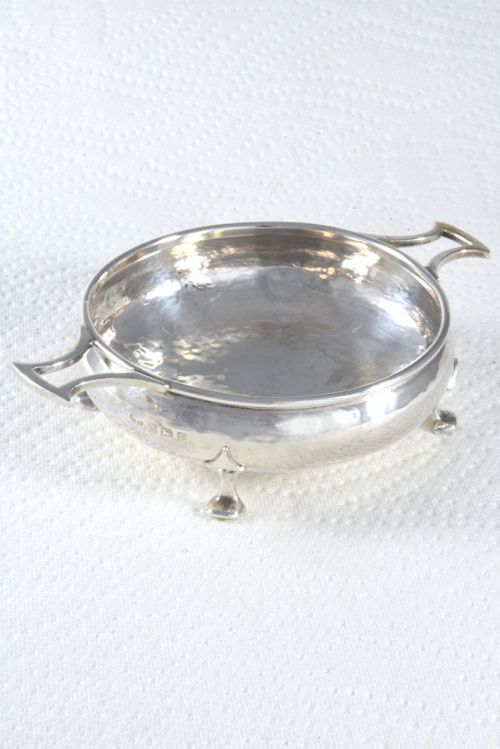
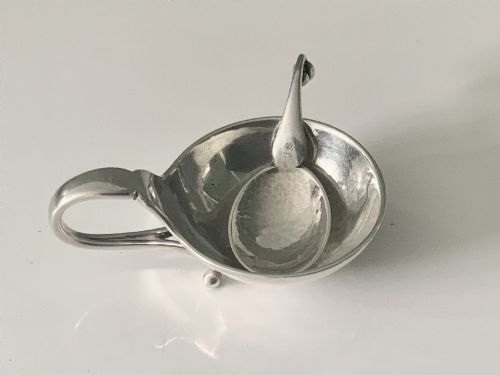
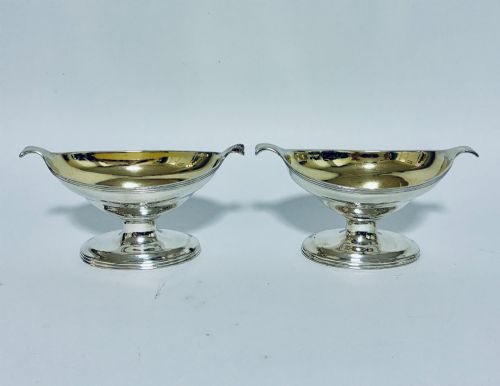
The recorded designs range from simple open bowls and salt boats to elaborate urn-shaped pedestal vessels, cauldron forms on tripod feet, and novelty shapes such as top hats and baby cradles. Many pieces incorporate decorative motifs including foliate chasing, crests, and figurative elements like Hindu deities or cherub handles.
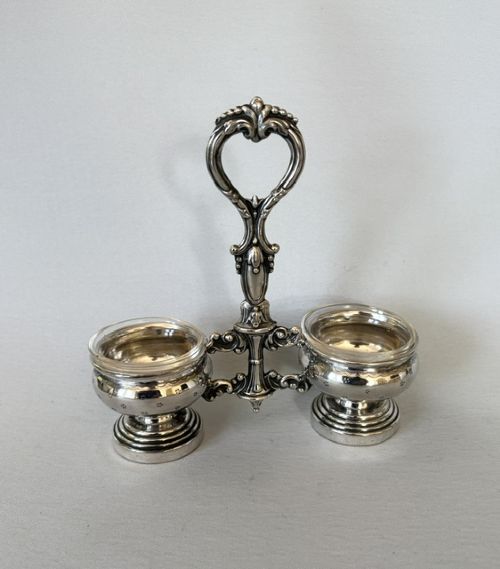
Originating from British workshops, these table salt cellars often include functional elements such as glass liners or gilt interiors, reflecting the changing dining habits and interior aesthetics of their respective eras.
Materials and construction
Makers utilised sterling silver as the primary medium, frequently enhancing the interiors with gilding or pairing the metal with clear glass liners to protect the silver from corrosive contents. Additional materials like velvet appear within fitted presentation cases.
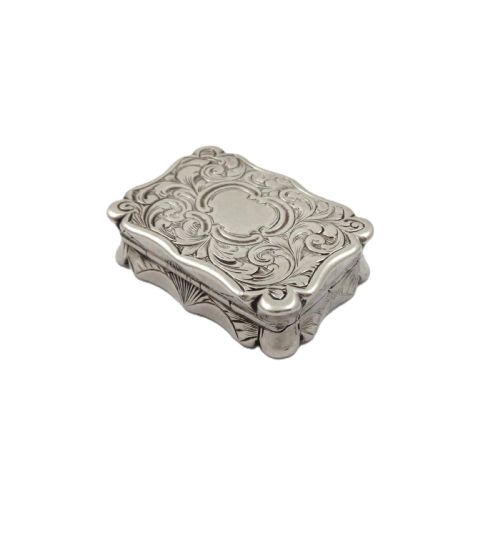
Craftsmen shaped the metal using techniques such as casting, repousse, and detailed chasing to produce high-relief foliate patterns, gadrooned trims, and sculptural elements like shell and thistle designs.
Retail Price Guide 2026
Typical UK retail prices for sterling silver salts, calculated from the Sellingantiques database of over a million retail prices indexed since 2003. This retail price guide relies exclusively on Sellingantiques data; no external sources or auction records are used, so the figures do not describe the wider market.
Victorian silversmiths occasionally shaped salt cellars into miniature top hats and baby cradles.
Evaluating quality and execution
Quality rests upon the crispness of the chased decoration and the proportional balance of the form, whether dealing with a pedestal urn, a cauldron on tripod legs, or a structured navette shape. Finer examples display precise detailing in figural handles, crests, and repousse foliage.
The survival of original components, such as matching salt spoons, fitted presentation cases, and internal glass liners, elevates the completeness of a set. Well-executed maker marks and clear hallmarks also contribute to the standing of an individual piece.
Barnards·John Edmonstone·Rebecca Emes·Edward Lowe·J T Younge, Walker & Crowder·William H Leather·HJ Lias & Son
The Sterling Silver Salts Glossary
- Salt cellar
- A small open bowl or vessel placed on the dining table to hold salt before the introduction of individual shakers. They frequently rest on three feet or a pedestal base.
- Gilt
- A thin layer of gold applied to the interior surface of the silver salt to prevent the salt from tarnishing the metal. This finish provides a warm contrast to the outer sterling silver.
- Chasing
- A metalworking technique where the silversmith punches and hammers the front of the metal to raise decorative patterns such as foliage and scrolls. It creates low relief ornamentation without removing material.
- Liners
- Removable glass inserts placed inside open silver salts to hold the salt crystals securely. These protect the underlying sterling silver from chemical erosion.
Frequently Asked Questions
What are sterling silver salts used for?
These vessels held loose salt on the dining table prior to the invention of shaker bottles, allowing diners to pinch or spoon salt onto their plates.
They functioned as both practical tableware items and decorative centrepieces, often matched in pairs or larger sets.
How do I clean sterling silver salts?
Cleaning requires a soft microfibre cloth and specialised silver polish applied gently to avoid flattening any fine chased details or rubbed hallmarks.
Pieces with gilt interiors or glass liners need careful handling to protect the internal finishes and removable components.
How can I tell Georgian from Victorian salts?
Georgian examples often favour neoclassical urn shapes, tripod cauldron forms, and restrained lines, reflecting eighteenth-century design principles.
Victorian pieces frequently display heavier, more exuberant ornamentation, including deep foliate chasing, novelty shapes like top hats, and fitted presentation cases.
Why do some salts have glass liners?
Salt is corrosive and can pit or stain sterling silver over extended periods of direct contact during use.
Removable glass liners provided a protective barrier while maintaining the visual appearance of an open silver vessel.