
Victorian Tableware Silver
Victorian tableware silver brings functional elegance to the dining table through practical serving pieces and decorative accessories crafted during the nineteenth century.
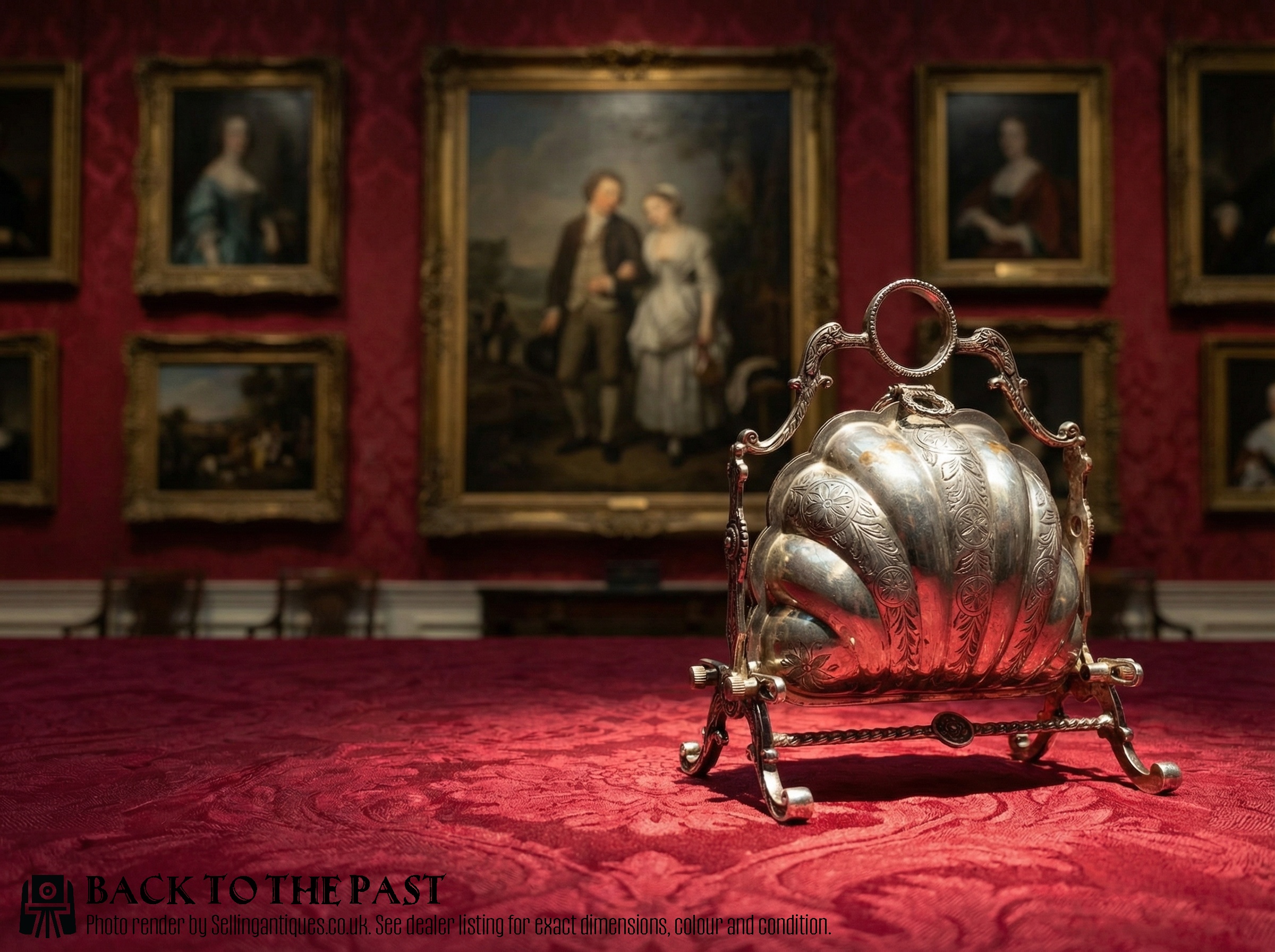
What Victorian tableware silver is
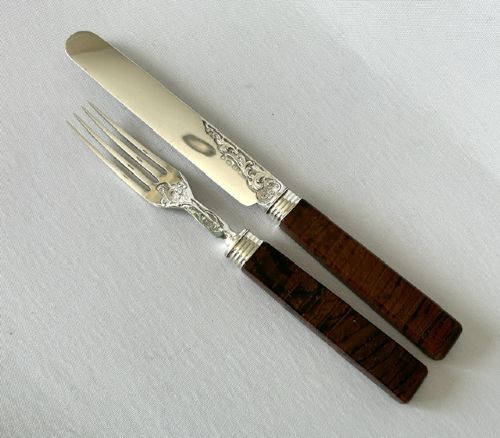
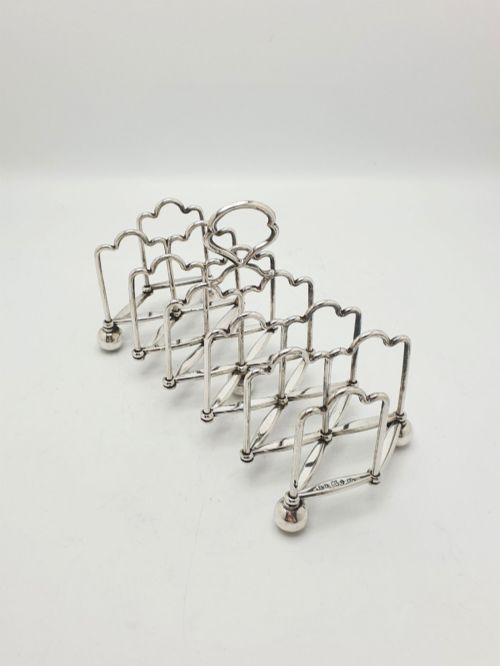
Victorian tableware silver encompasses a specialised group of dining accessories designed for formal and domestic meals during the nineteenth century. Buyers searching for victorian tableware silver encounter functional items created to serve food and adorn the table during this period.
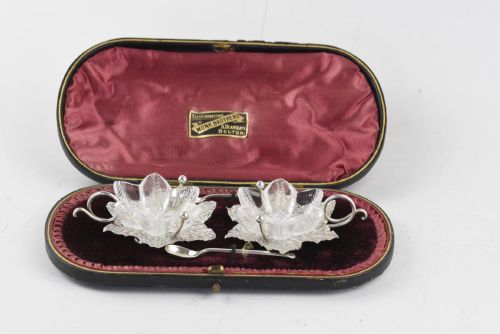
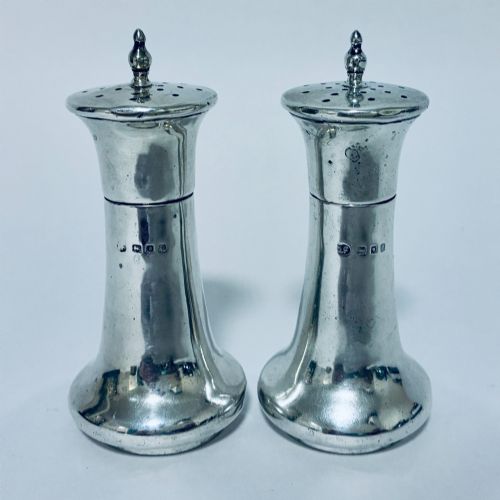
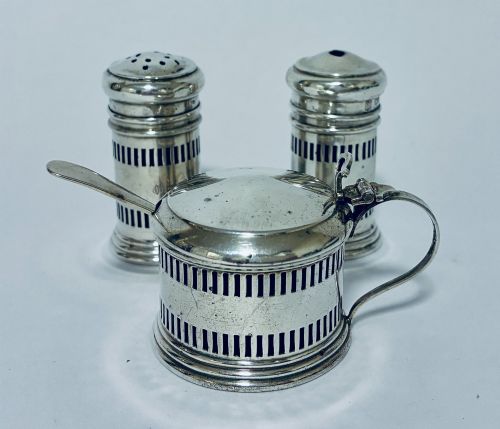
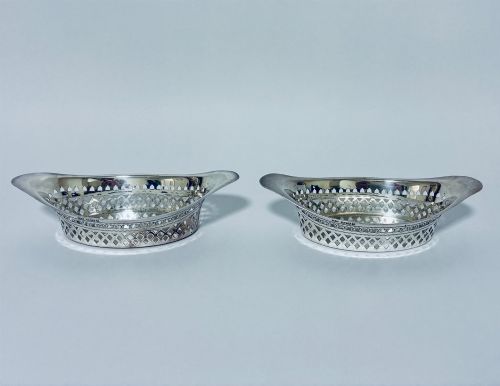
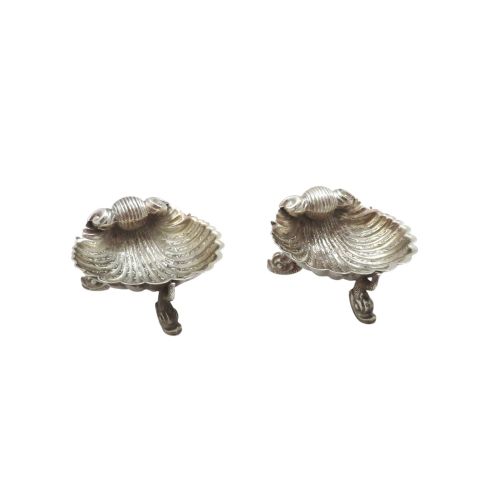
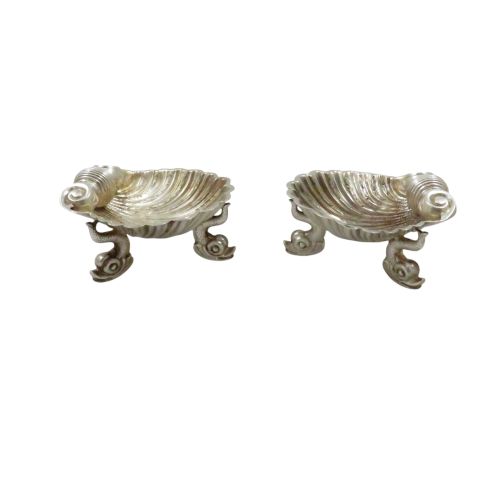
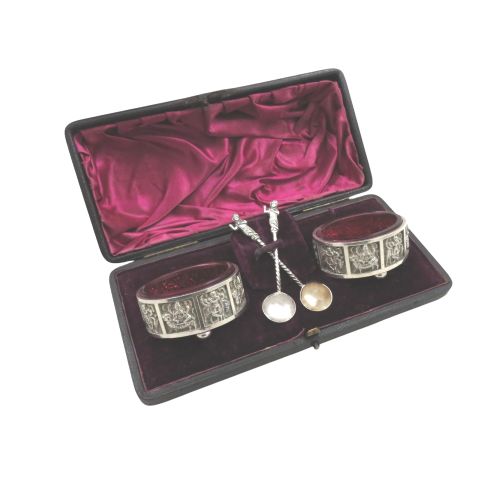
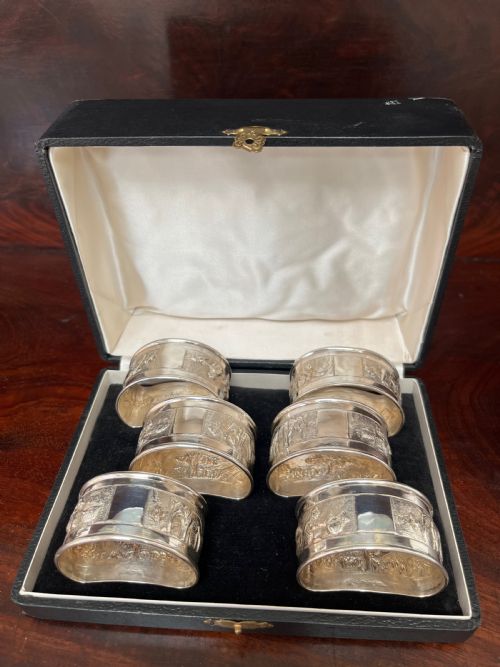
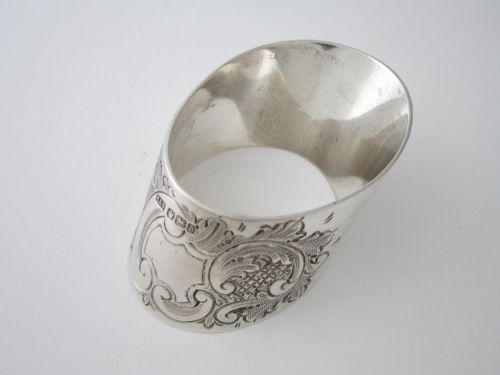
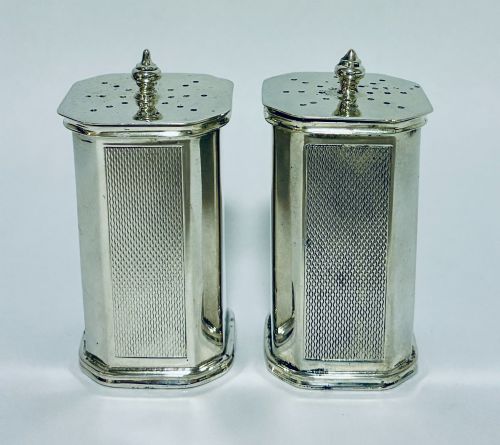
The selections available include biscuit boxes, napkin rings, salt cellars, cruet sets, and spoon rests. These pieces originate from the Victorian era, spanning decades such as the eighteen thirties, eighteen seventies, and eighteen eighties.
Forms range from simple folding shell biscuit boxes and locking biscuit containers to figural napkin rings and chased salt dishes. Each object reflects the dining habits and decorative tastes of nineteenth-century households.
What varies in quality
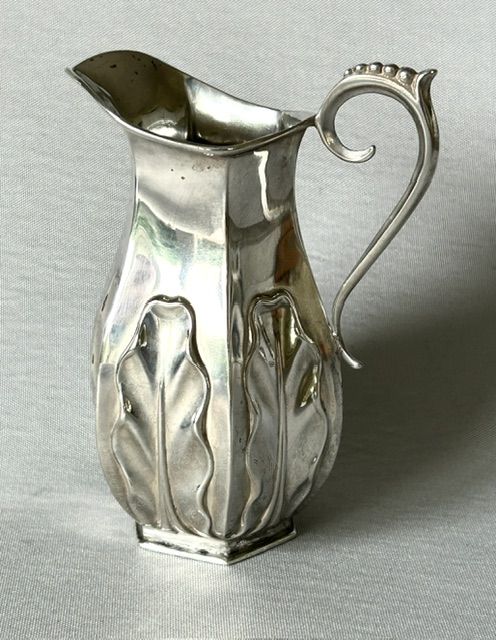
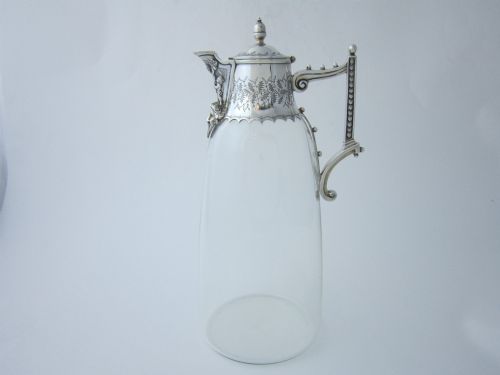
Quality differences emerge in the depth and precision of surface ornamentation, particularly in chased foliage and figural casting details. Pieces featuring crisp, hand-worked decoration distinguish themselves from simpler or more heavily worn items.
The choice of material also dictates the character of the piece, with solid sterling silver and vermeil representing a different tier of production compared to silver-plated metal. Additionally, the complexity of mechanical elements, such as functional locks on biscuit boxes or folding shell hinges, alters the sophistication of the design.
Retail Price Guide 2026
Typical UK retail prices for victorian tableware silver, calculated from the Sellingantiques database of over a million retail prices indexed since 2003. This retail price guide relies exclusively on Sellingantiques data; no external sources or auction records are used, so the figures do not describe the wider market.
Victorian diners required specialist silver spoon rests so their cutlery could take a brief, elegant pause between courses.
Mappin and Webb·Barnards
The Victorian Tableware Silver Glossary
- Biscuit Box
- A container specifically designed for storing and serving dry biscuits at the dining table. These often feature hinged lids, locking mechanisms, or folding shell designs.
- Salt Cellar
- A small open dish or container used to hold salt for individual diners before the widespread use of salt shakers. They are frequently paired with small spoons.
- Cruet Set
- A matched collection of bottles or containers for holding condiments such as vinegar, oil, mustard, and pepper. These are typically held within a metal frame or stand.
- Foliate Chasing
- A surface decoration technique where metal is pushed and shaped with hammers and punches from the front to create leaf and plant motifs. This adds tactile texture and visual depth to the piece.
- Silver Plate
- A base metal substrate coated with a thin layer of pure silver. This method allowed makers to produce visually impressive tableware at a more accessible cost than solid silver.
Frequently Asked Questions
What is victorian tableware silver used for?
These items serve functional roles during dining, such as holding condiments, storing biscuits, securing napkins, or containing salt for individual places at the table.
Today, collectors use them both as decorative dining accessories and as practical display pieces that reflect nineteenth-century dining customs.
How do I identify a Victorian piece?
Identification relies on stylistic cues, manufacturing techniques, and any accompanying hallmarks or registration dates stamped into the metal.
Objects from this era often display specific design motifs, such as foliate chasing or figural elements, typical of nineteenth-century aesthetics.
What is the difference between solid silver and silver plate?
Solid silver consists entirely of precious silver alloy throughout the entire object, whereas silver plate applies a layer of silver over a different base metal.
Both materials were utilised during the nineteenth century to create tableware, influencing the weight and composition of the piece.
How should I care for these silver items?
Care involves gentle cleaning with appropriate silver polishing cloths to remove tarnish without damaging the underlying metal or plating.
Storing pieces in dry environments helps preserve delicate details like foliate chasing and mechanical hinges on items such as biscuit boxes.