
19th Century Silver Plate
These pieces of 19th century silver plate bring the solid weight and decorative flourish of Victorian dining and display straight to the modern table.
What 19th century silver plate represents
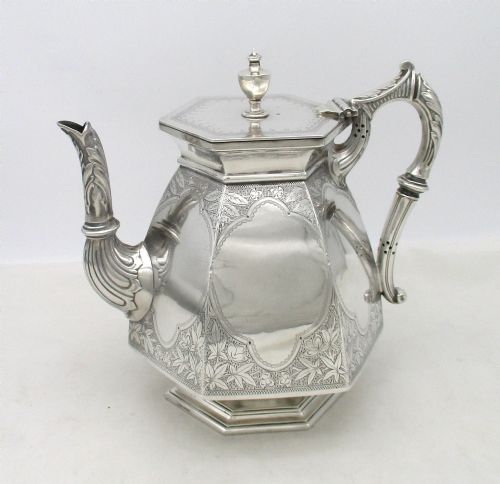
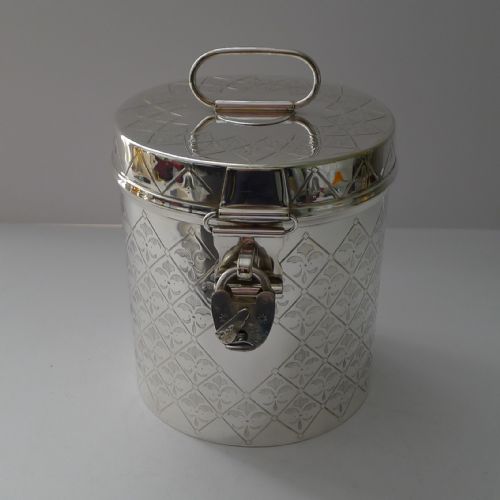
When you search for 19th century silver plate, you are looking at items produced primarily during the Victorian period, spanning table wares, lighting, and decorative accessories. These objects range from heavy wine coolers and entree dishes to small salt cellars, cruet sets, and figural novelties.
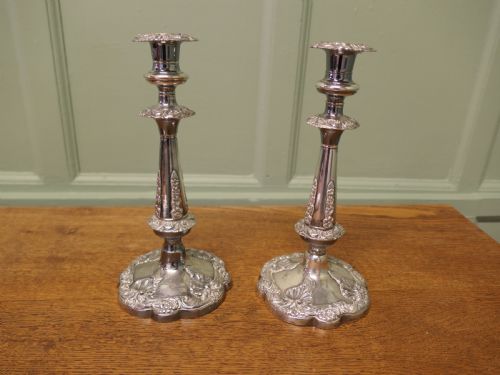
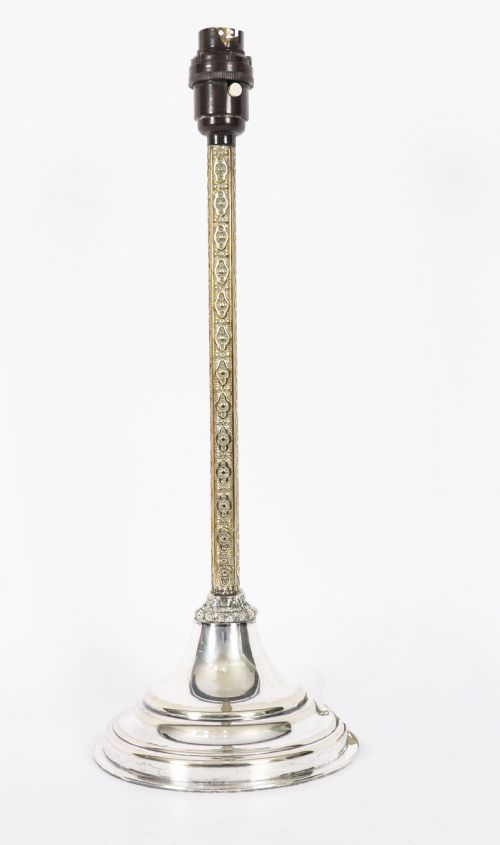
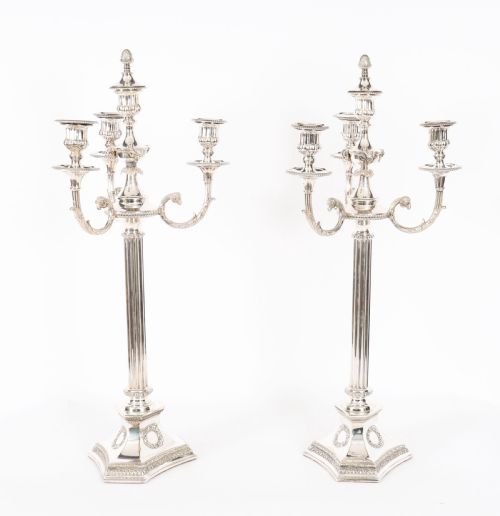
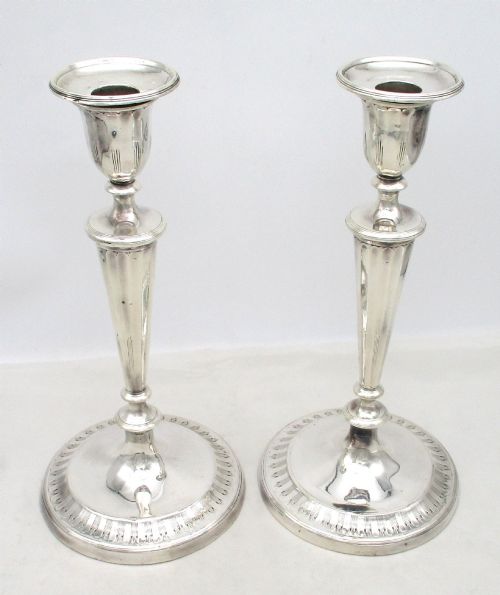
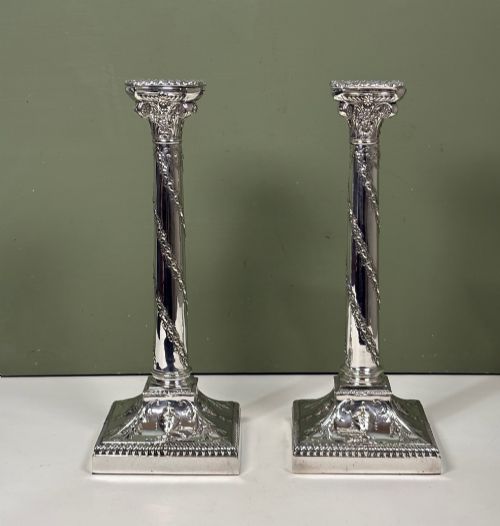
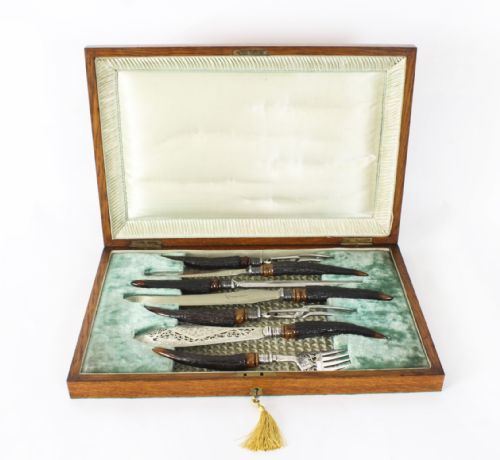
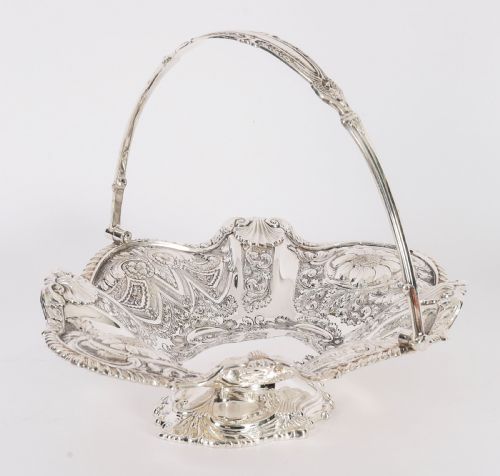
The versions you are most likely to meet on this page include Victorian candelabra, fruit baskets, and patterned cutlery sets. Alongside these practical items, the records show specialised pieces like table lamps, chamber candlesticks, and chatelains.
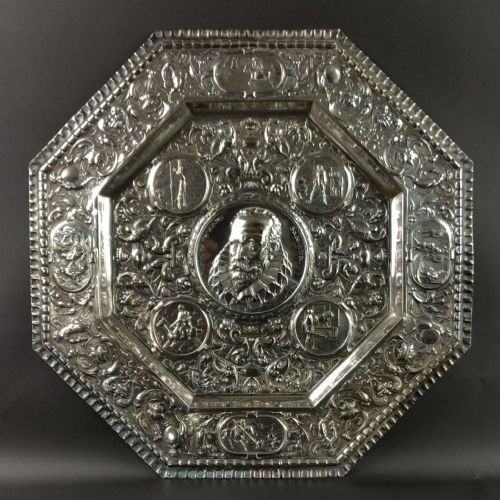
Makers and manufacturers utilised this medium to replicate the appearance of solid sterling silver at a lower cost, satisfying a growing domestic market. The forms follow the tastes of the period, incorporating revival styles and figurative motifs.
Materials and construction methods
The underlying foundation is typically electroplated nickel silver or base metal, coated with a thin layer of silver using electrochemical techniques developed during the era. This process allowed workshops to apply durable metallic surfaces over complex, shaped metal bodies.
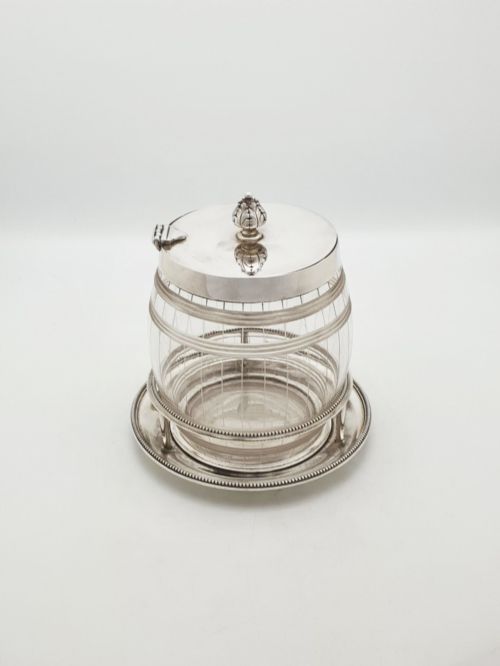
Many items incorporate secondary materials such as cut glass, amber or cranberry glass inserts, gilt accents, and velvet or silk linings. Candelabra, cruet sets, and fruit baskets frequently combine metal frames with fitted glass vessels or ceramic components.
Retail Price Guide 2026
Typical UK retail prices for 19th century silver plate, calculated from the Sellingantiques database of over a million retail prices indexed since 2003. This retail price guide relies exclusively on Sellingantiques data; no external sources or auction records are used, so the figures do not describe the wider market.
Materials appearing across the inventory include electroplated nickel silver, cut glass, gilt, velvet, and silk.
Distinctions in standard and finish
The distinction between standard output and finer items rests in the crispness of the chasing, the weight of the underlying metal, and the intactness of the plating. Superior pieces retain their original detail in high-relief ornament and figural modelling without thinning of the surface metal.
Maker marks and registration dates indicate the level of workshop supervision, with recognised firms maintaining stricter standards in assembly and finishing. The integration of components, such as tightly fitted glass inserts in silver plated frames, separates utilitarian items from more ambitious commissions.
Elkington and Co·James Dixon·Thomas Harwood and Co·Christofle and Cie·Mappin Bros·Asprey London·Martin Hall·Smith Sissons·Mappin and Webb·William Hutton·Henry Bourne
The 19th Century Silver Plate Glossary
- Electroplated nickel silver
- A base metal alloy of copper, nickel, and zinc coated with a layer of pure silver through an electrolytic process. This technique became the standard method of production during the Victorian era.
- Entree dish
- A covered serving vessel used for presenting courses at formal dinners. These pieces often feature removable handles and compartmented liners.
- Cruet set
- A matched collection of glass bottles or jars held within a metal frame, used for dispensing condiments at the table. They frequently incorporate silver plated stands with central carrying handles.
- Candelabra
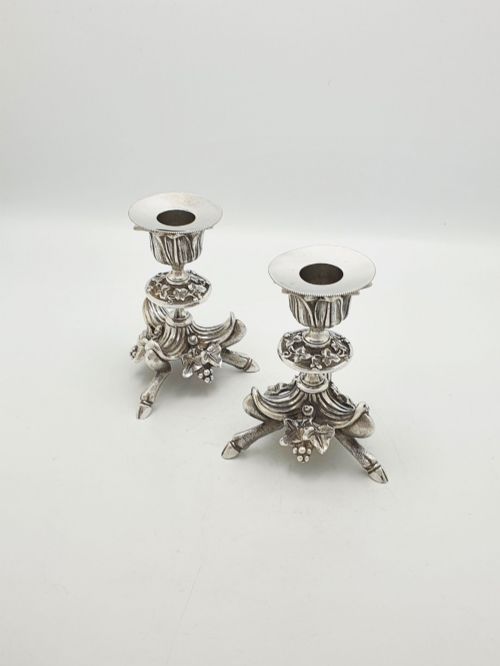
- Branched lighting devices holding multiple candles, often designed with figural or classical ornament. They form part of the larger group of dining and display items recorded in the period.
- Comport centerpiece
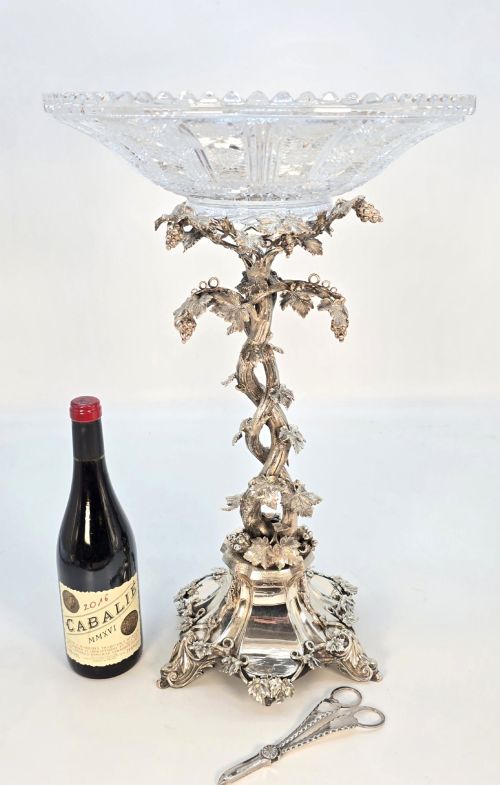
- A raised dish or bowl placed in the centre of a table for fruit or sweetmeats. These examples often combine engraved glass bowls with decorated metal stands.
Frequently Asked Questions
What is 19th century silver plate?
These objects are items made from base metals or nickel alloys coated with a thin layer of silver through electroplating during the Victorian era.
They include functional dining pieces, lighting, and decorative wares designed to mimic solid silver.
How were these items used?
They served practical and decorative functions in Victorian households, from holding food and wine at dinner parties to illuminating rooms.
Many pieces were designed specifically for formal dining rituals, tea services, and dressing table organisation.
How do I clean silver plate?
Maintenance requires gentle washing with mild soap and warm water, followed by drying with a soft cloth to protect the metal layer.
Harsh abrasives and chemical dips must be avoided because they can wear away the thin silver coating over the base metal.
How can I identify the maker?
Makers mark their pieces with specific stamp impressions, initials, or registry numbers usually located on the base or underside.
These marks point to the manufacturing firm, and registration numbers can sometimes provide a specific year of design.