

Vintage Champagne Cooler
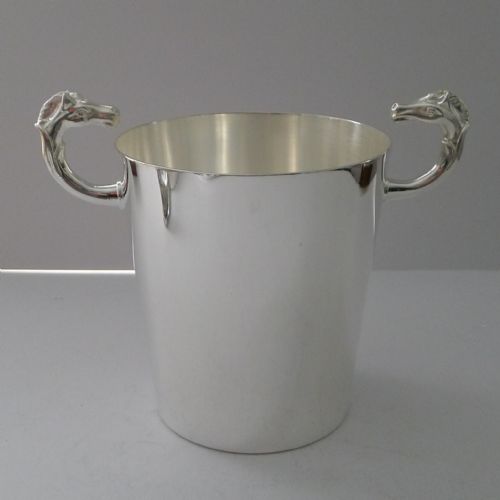
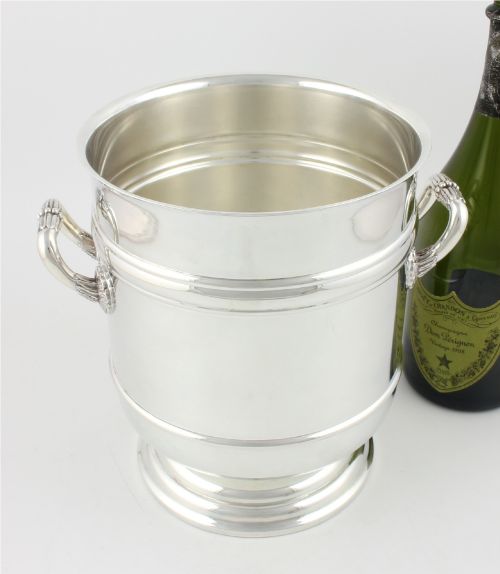
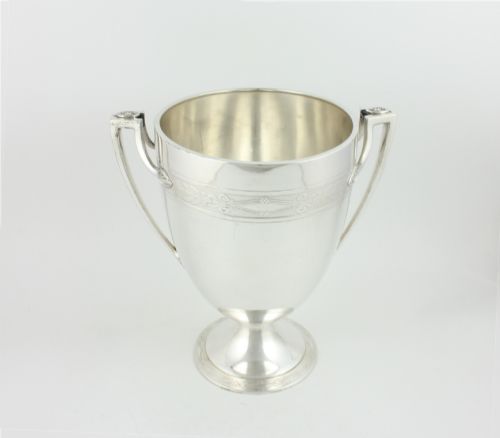
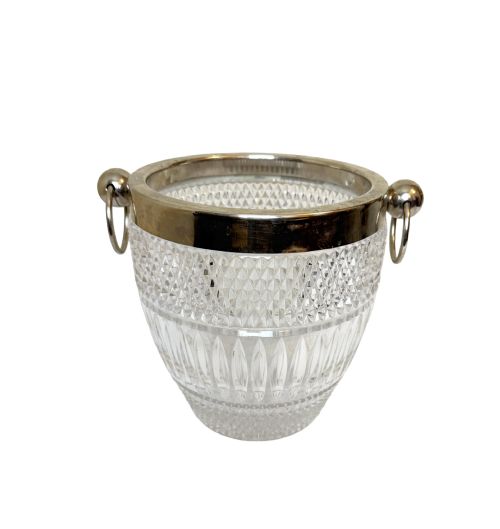
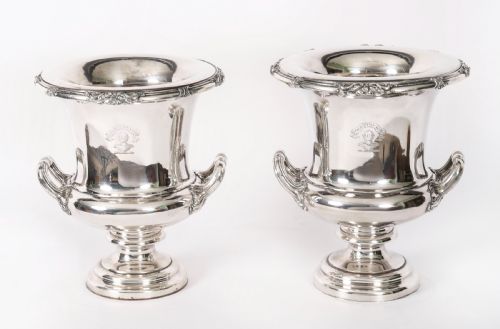
These vintage champagne coolers are practical silver plate and crystal vessels designed to keep bottles chilled, offering enduring style for hosting.
Identifying vintage champagne cooler pieces
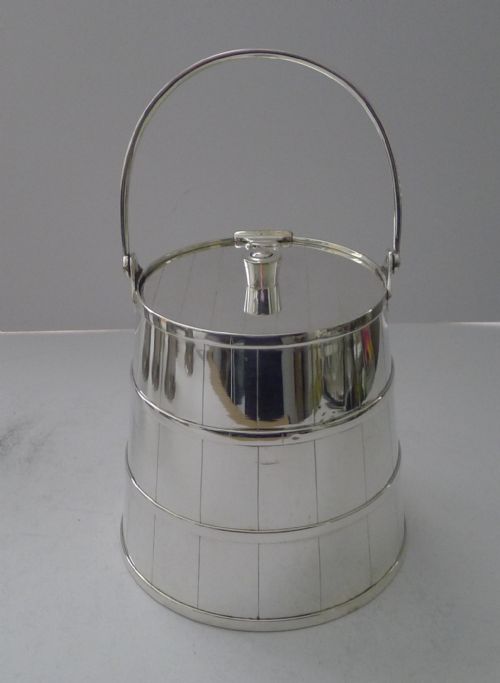
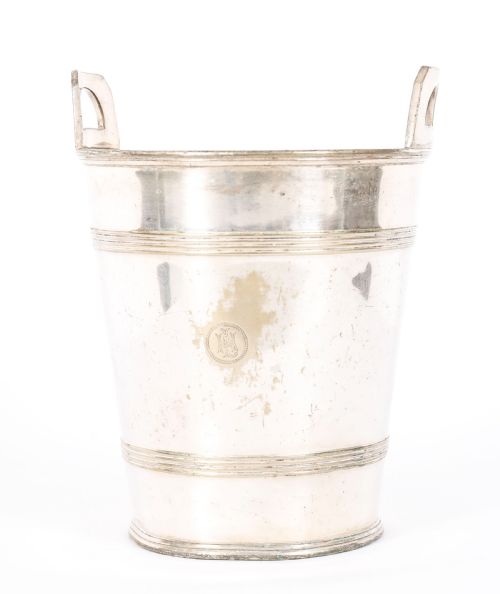
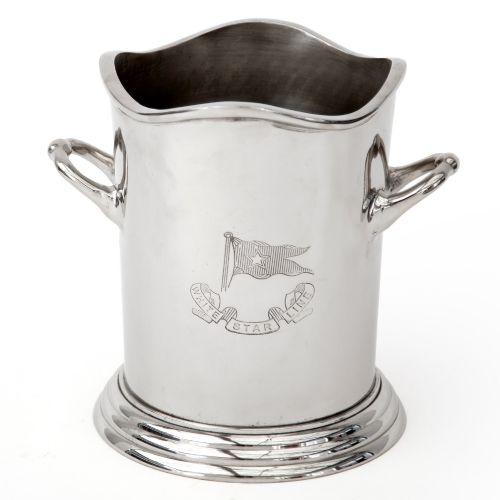
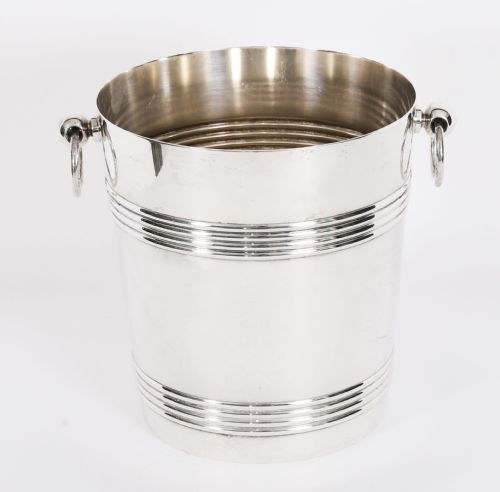
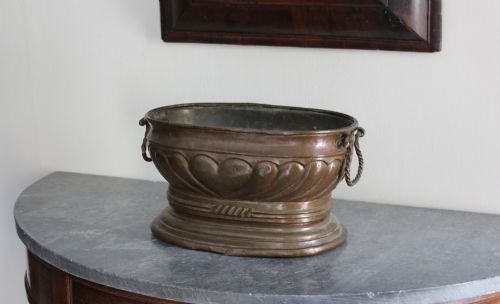
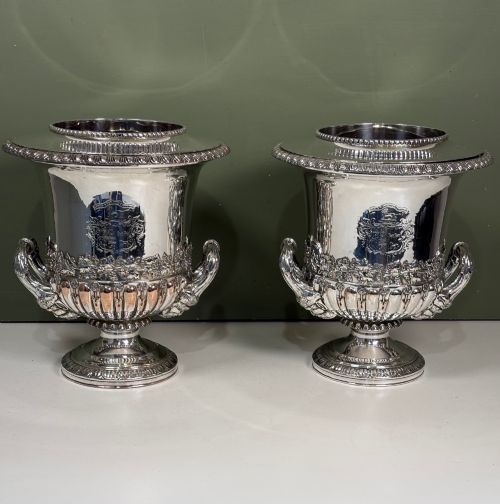
A vintage champagne cooler brings both functional service and period design to the table, emerging in various forms across the nineteenth and twentieth centuries. When searching for a vintage champagne cooler, a buyer encounters champagne buckets, wine coolers, ice buckets, and garden urns adapted for the purpose.
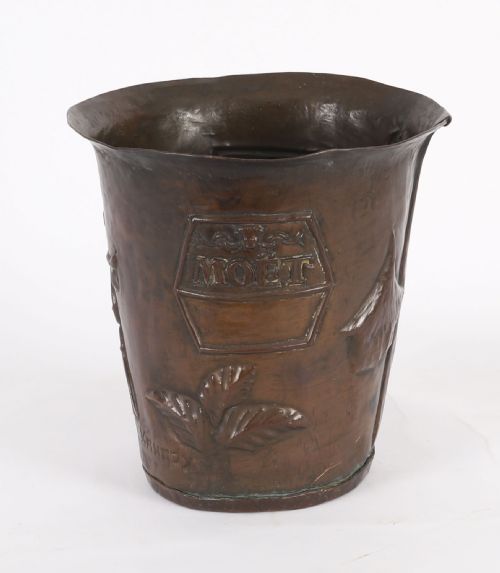
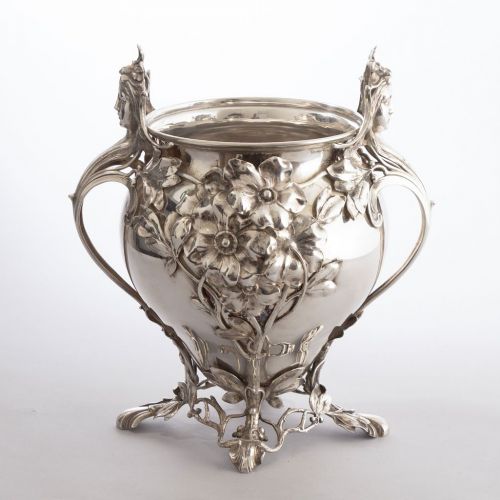
The pieces on this page span the nineteenth century, nineteen-ten, nineteen-thirty, and nineteen-forty, reflecting distinct historical shifts in dining habits. Victorian classicism sits alongside flowing Art Nouveau tendrils and geometric Art Deco lines.
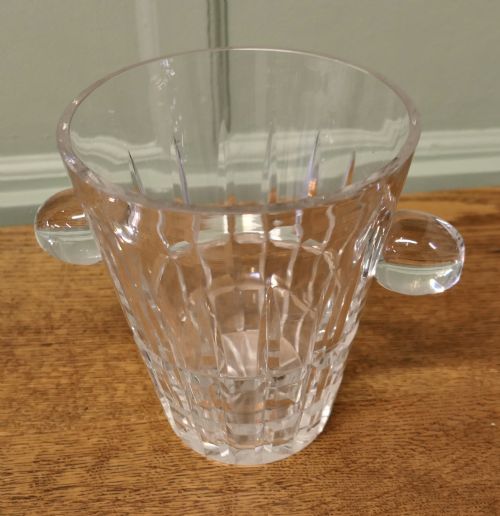
French and English origins dominate the selection, ranging from heavy lead crystal bodies to glazed terracotta cisterns and plated metal forms. Buyers most frequently meet silver plated buckets and French Art Deco designs when exploring these listings.
Distinguishing quality across the range
Quality rests in the substance of the materials and the crispness of decorative detailing, separating heavier lead crystal and substantial metal castings from lighter wares. The depth of the silver plating and the integrity of the underlying metal dictate longevity.
Artistic execution defines the finer pieces, particularly where hand-wrought Art Nouveau tendrils or precise Art Deco geometric forms demonstrate superior workshop skill. Recognised makers and signed pieces elevate the status of a cooler well beyond standard utilitarian vessels.
Retail Price Guide 2026
Typical UK retail prices for vintage champagne cooler, calculated from the Sellingantiques database of over a million retail prices indexed since 2003. This retail price guide relies exclusively on Sellingantiques data; no external sources or auction records are used, so the figures do not describe the wider market.
Listings feature periods from the nineteenth century through to nineteen-forty, spanning Victorian classicism, Art Nouveau, and Art Deco styles in metal, crystal, and terracotta.
WMF·Lipscombe & Co·Christofle Gallia France·Elkington
The Vintage Champagne Cooler Glossary
- Silver plate
- A thin layer of silver bonded to a base metal such as copper or brass. This technique allowed makers to produce luxurious dining wares at a lower cost than solid silver.
- Art Deco
- A design style from the nineteen-thirties characterised by sleek geometric shapes, stylised motifs, and modern industrial materials like chrome.
- Art Nouveau
- A decorative movement featuring fluid, organic lines inspired by natural forms such as tendrils, flower heads, and plant stems.
- Lead crystal
- Glass containing metal oxide that increases weight, brilliance, and clarity, frequently utilised for heavy bucket bodies.
- Terracotta
- Fired unglazed or glazed clay, sometimes employed for large cisterns and garden urns adapted to cool wine.
Frequently Asked Questions
What materials are these coolers made from?
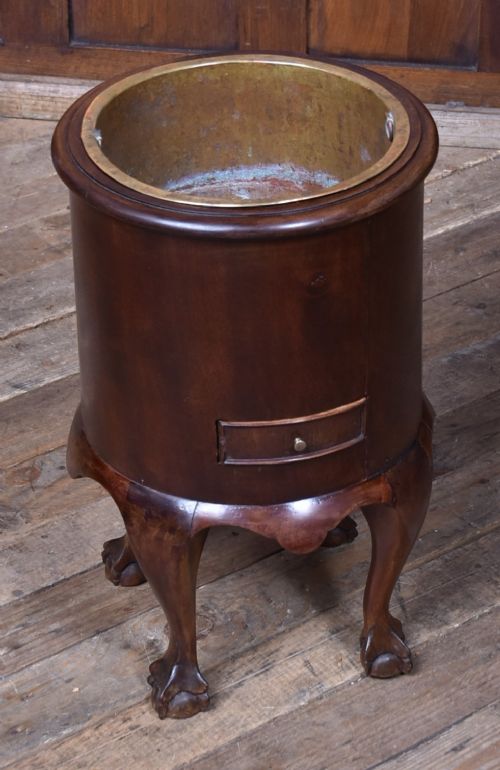
The selection includes silver plate, standard metal, chrome, wood, lead crystal, and glazed terracotta. These materials reflect the diverse manufacturing traditions of nineteenth and twentieth-century workshops.
Heavier examples often combine thick lead crystal bodies with silverplated hardware, while others rely entirely on polished metal or glazed ceramic.
How do I identify an Art Deco cooler?
Art Deco coolers typically date from around nineteen-thirty and feature streamlined geometric forms, clean lines, and polished chrome or silver plate finishes. They reflect the modern aesthetic of the interwar period.
French and English examples from this era often eschew floral decoration in favour of bold, architectural silhouettes and sturdy ring or side handles.
Were these vessels used exclusively for champagne?
While primarily designed to hold champagne and wine bottles with ice, many pieces serve interchangeably as ice buckets or general wine coolers. Large nineteenth-century terracotta garden urns also functioned as wine cisterns.
Their robust construction and waterproof interiors made them versatile table and garden accessories for entertaining guests.
How do I care for silver plated coolers?
Silver plated surfaces require gentle cleaning with non-abrasive cloths and appropriate metal polishes to preserve the finish. Avoiding harsh chemical cleaners prevents damage to the underlying plating.
Regular, careful maintenance keeps the reflective shine intact while protecting the historic metalwork from unnecessary tarnishing.