
Vintage Ice Bucket
A vintage ice bucket keeps wine and spirits chilled while bringing tactile metal and glass to the table.
Vintage Ice Bucket
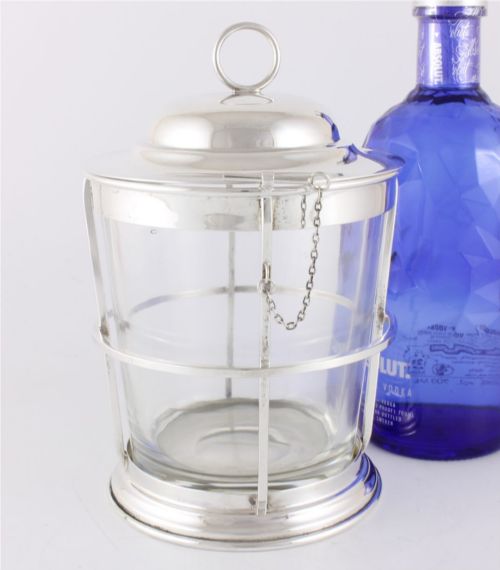
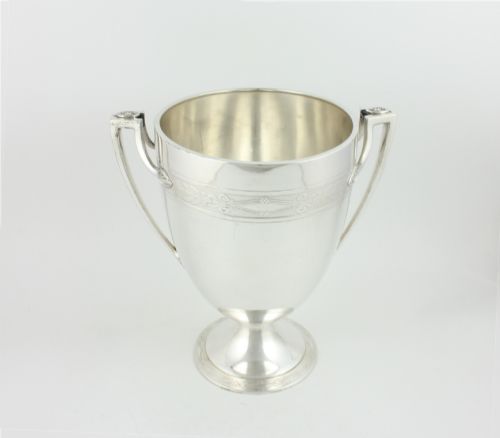
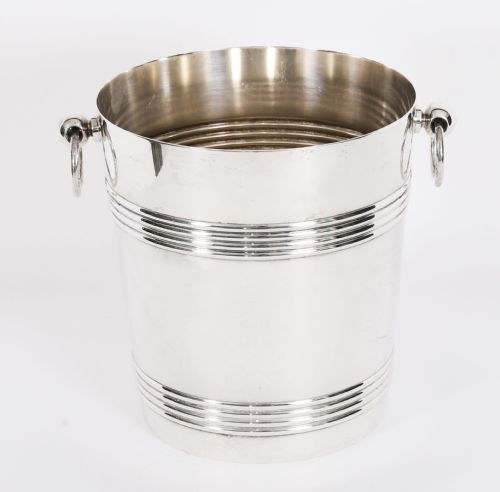
A vintage ice bucket encompasses utilitarian barware, champagne coolers and biscuit barrels adapted for entertaining across the nineteenth and twentieth centuries. Buyers examine pieces ranging from early twentieth-century silver plate to mid-century crystal and brass vessels.
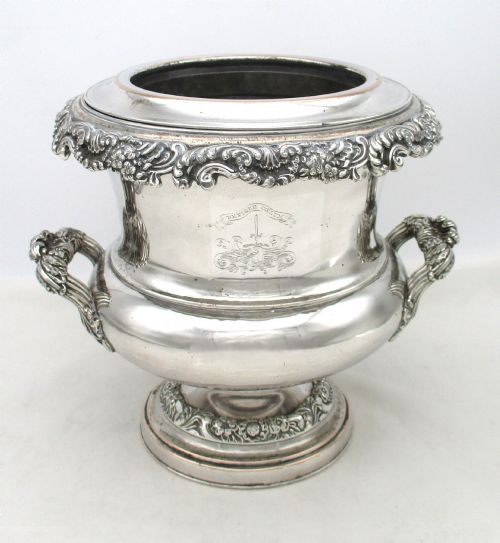
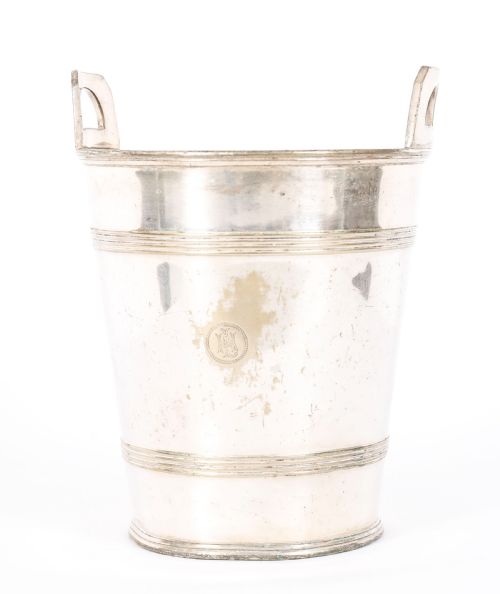
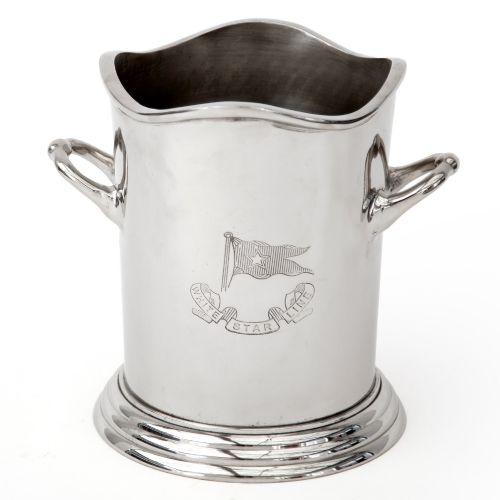
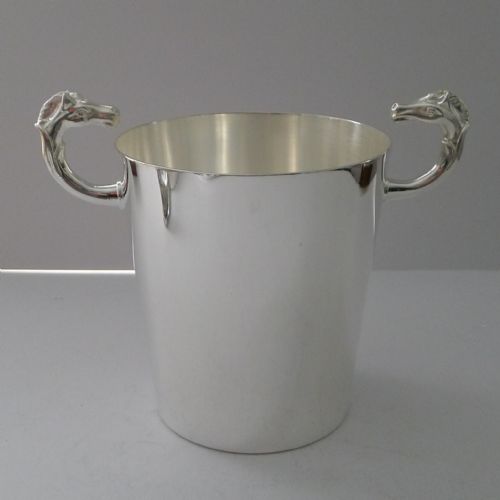
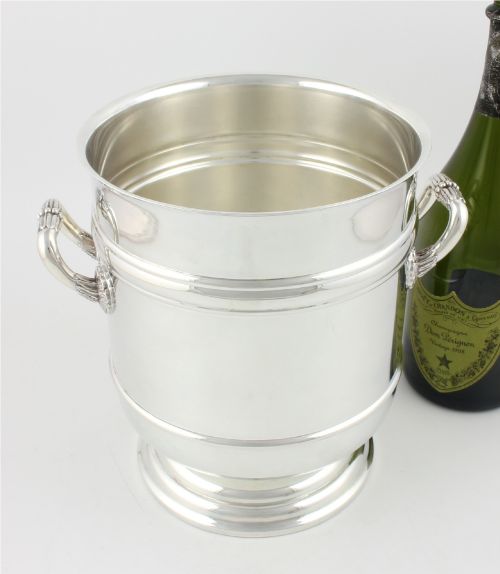
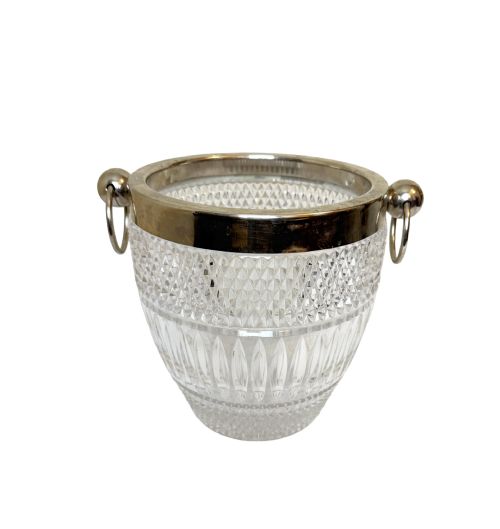
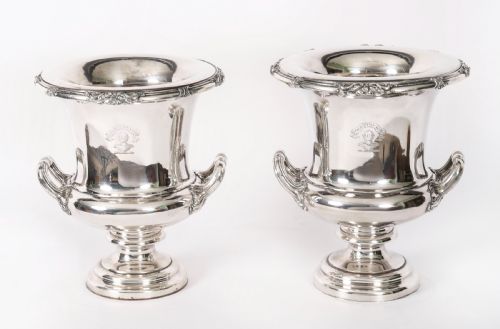
The version most commonly encountered on this page is the silver-plated ice bucket from the Art Deco period or the early 1900s, often complete with a cut glass liner and tongs.
Makers and workshops across England and France produced these vessels in forms that echo styles from Georgian to Mid-Century Modern.
How they were made
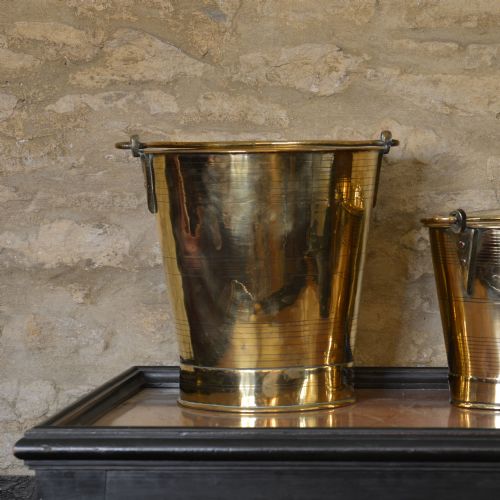
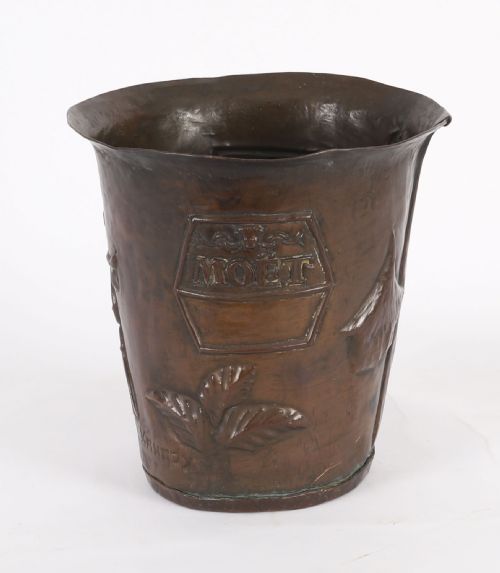
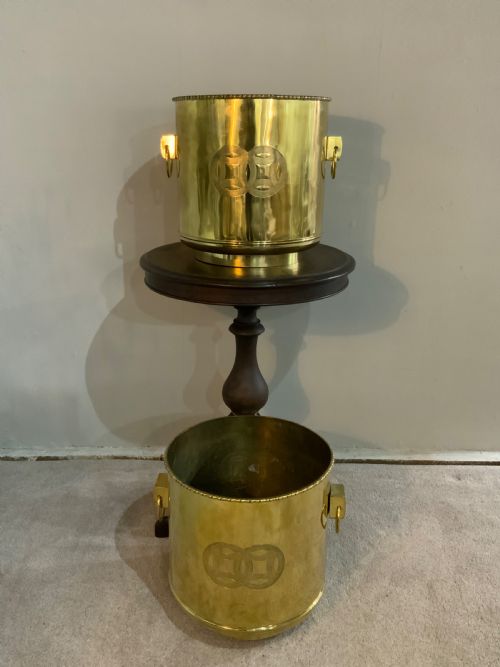
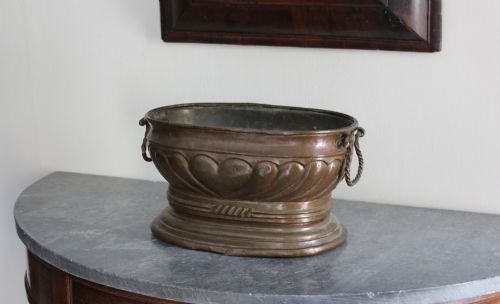
Silversmiths plated base metals such as copper or brass with silver, or worked directly in solid metals like copper and brass, sometimes adding cast mounts.
Glassmakers blew and hand-cut crystal, glass and Bristol blue vessels to fit inside metal frames or stand independently as pails.
Vintage Ice Bucket Retail Price Guide 2026
Typical asking prices for vintage ice bucket among the pieces listed under this phrase on Sellingantiques today, from the lower quarter to the upper quarter. They describe what is for sale here now, not the wider market.
Materials across these listings include silver plate, copper, brass, cut crystal and oak.
What varies in quality
Quality rests in the weight of the metal, the crispness of chased crests or tendrils, and the depth of hand-cut facets in crystal liners.
Substantial handles, secure mounts and maker marks from established workshops separate utilitarian vessels from finer presentation pieces.
Hutton Sheffield·Hermes Paris·Christofle·PH Vogel·Mappin and Webb·IMA·Barker Ellis·WMF·Dawson·Elkington and Co
The Vintage Ice Bucket Glossary
- Silver plate
- A layer of silver bonded to a base metal such as copper or nickel brass. This technique allowed makers to produce substantial vessels at a lower cost than solid silver.
- Cut glass
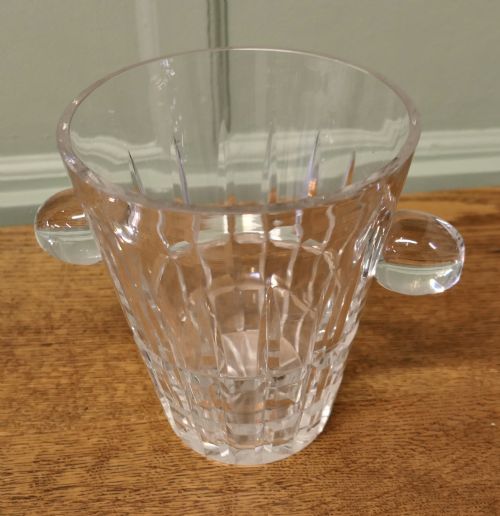
- Glass decorated by grinding facets or patterns into the surface with a wheel. It catches the light and adds considerable weight to ice buckets.
- Old Sheffield plate
- An early method of fusing a thin sheet of silver to a copper ingot before rolling and shaping. It yields a rich surface where the base copper occasionally shows through with age.
- Biscuit barrel
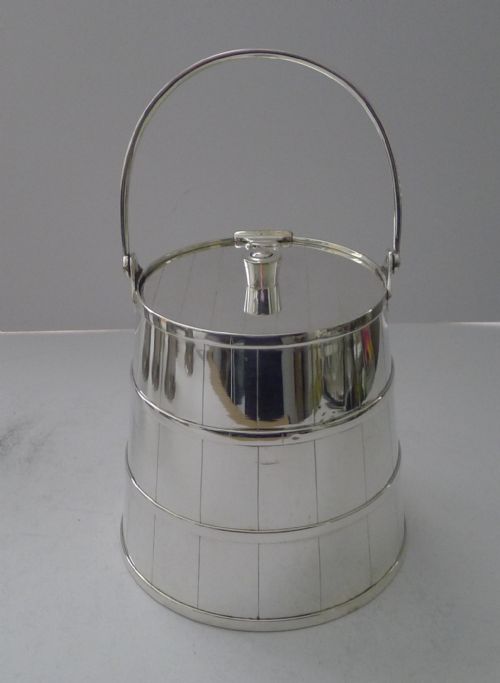
- A covered container originally designed for dry biscuits at tea, frequently repurposed as an ice bucket. They often feature swing handles and ceramic or glass bodies.
- Champagne cooler
- A deep vessel designed to hold bottles upright in ice. These are typically larger and heavier than standard ice pails.
Vintage Ice Bucket: Frequently Asked Questions
What were ice buckets used for?
These vessels held ice cubes or chilled wine and champagne bottles during dining and cocktail parties. Some started as biscuit barrels or presentation bowls before finding use in barware.
Over the decades, hosts utilised them on sideboards and dining tables to keep drinks cold throughout long meals.
How do I clean a silver plated ice bucket?
Wash the metal gently with warm soapy water and a soft cloth to remove dust and fingerprints. Avoid harsh abrasives that wear away the thin silver layer.
Polish the surface occasionally with a specialised silver cream, taking care around engraved crests or applied mounts.
Are glass liners original?
Many ice buckets from the early twentieth century paired hand-cut crystal or glass liners with silver-plated frames. A well-fitted liner sits securely within the rim without excessive wobbling.
Replacements do occur, so matching the period cut and rim measurements helps confirm authenticity.
How do I date these pieces?
Makers marks stamped onto the base often point to specific decades or active years of nineteenth and twentieth-century workshops. Stylistic clues like Art Deco geometry or Edwardian motifs also narrow down the era.
Construction methods, such as Old Sheffield plating techniques versus later electroplating, provide further chronological markers.