

Antique Champagne Bucket
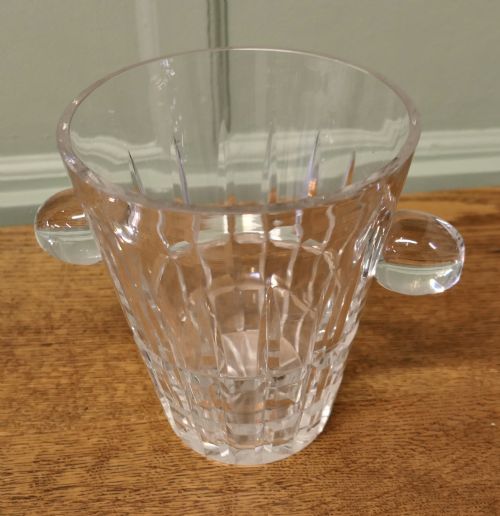
An antique champagne bucket brings heavy metal, timber and crystal to the table to hold ice and bottles for proper service.
Antique Champagne Bucket
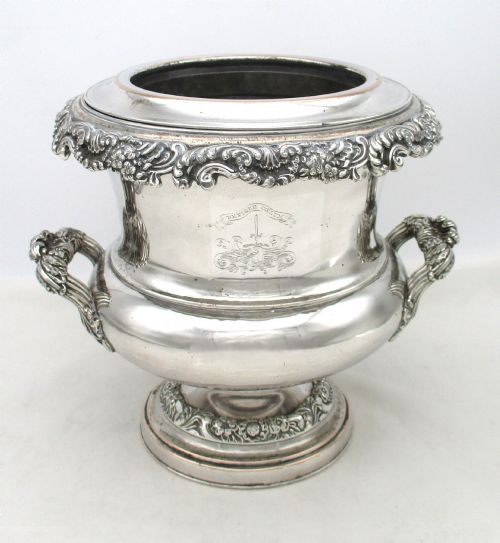
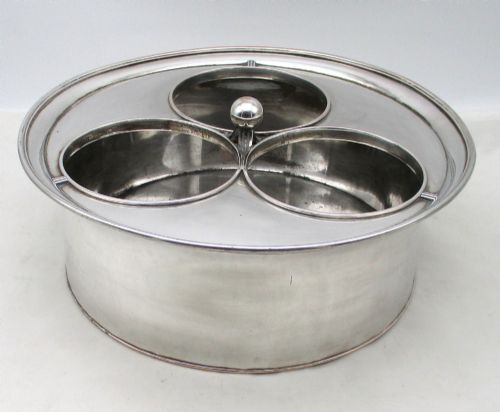
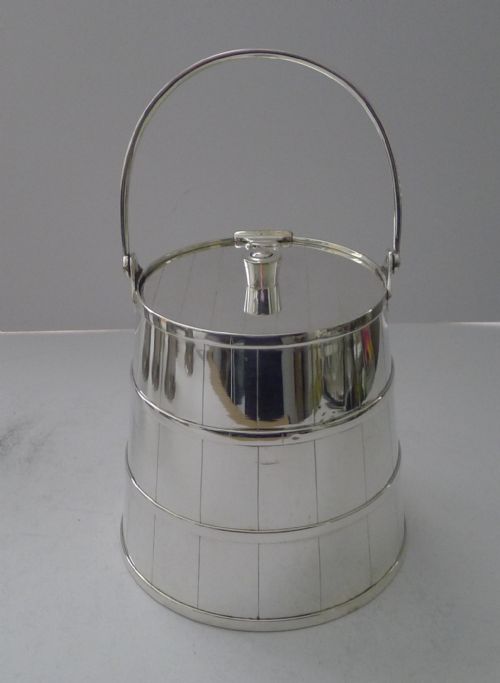
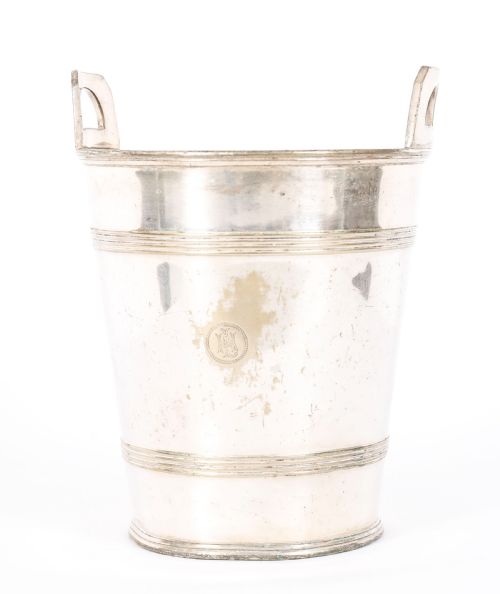
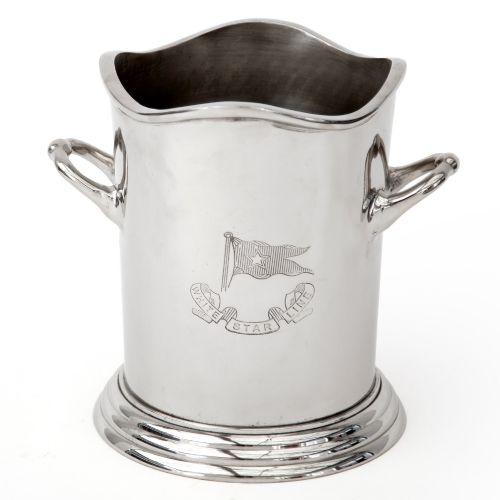
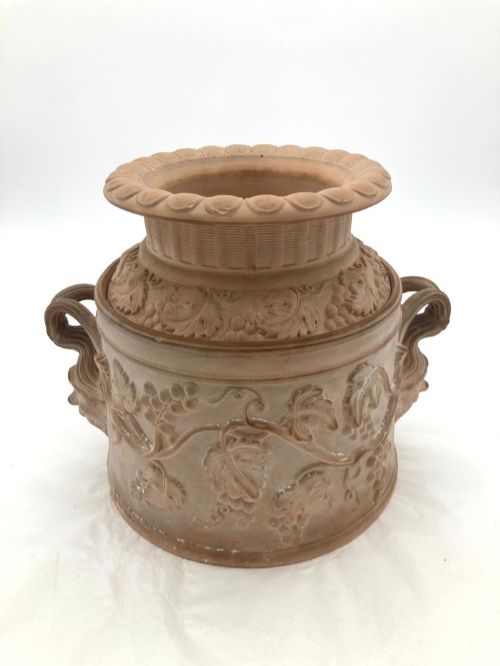
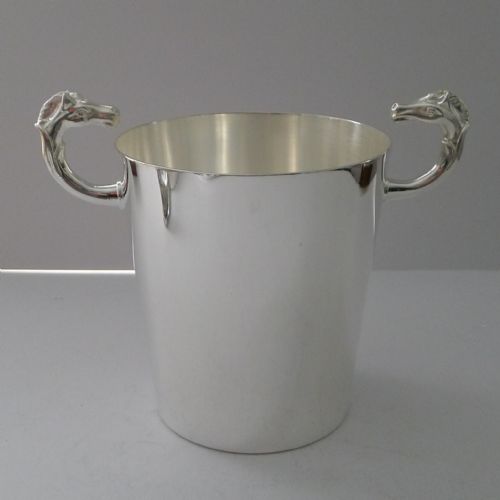
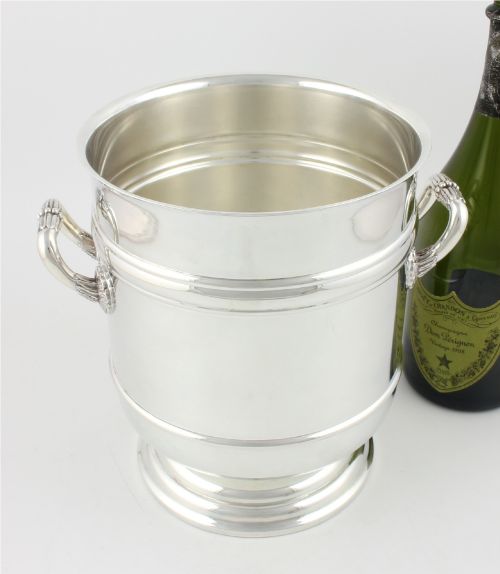
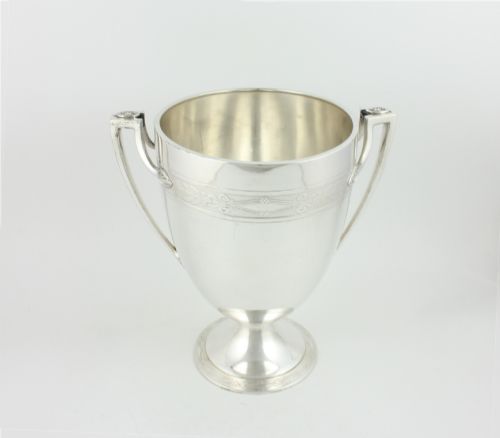
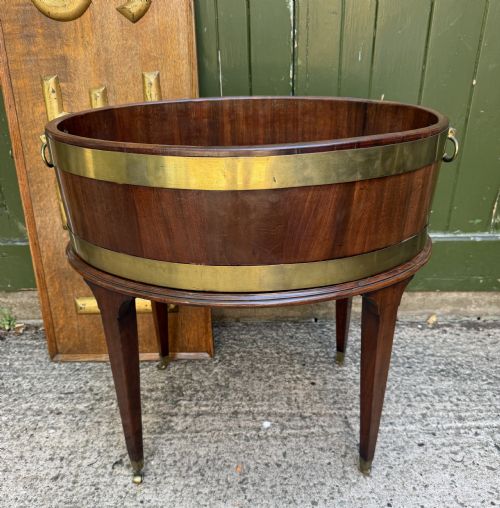
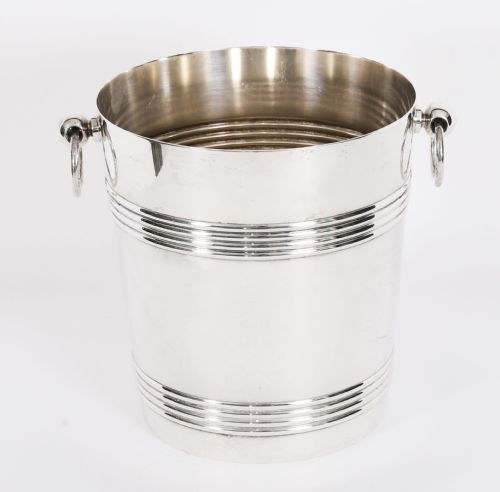
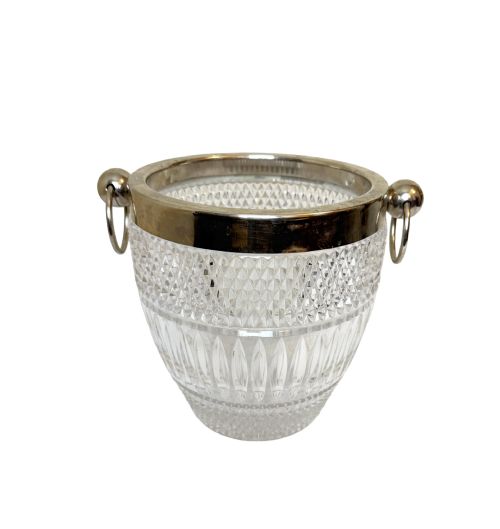
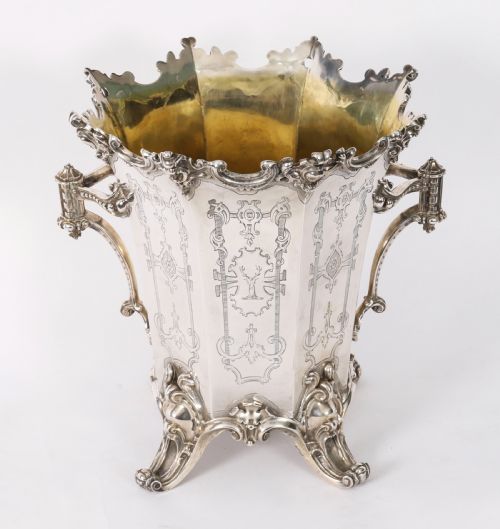
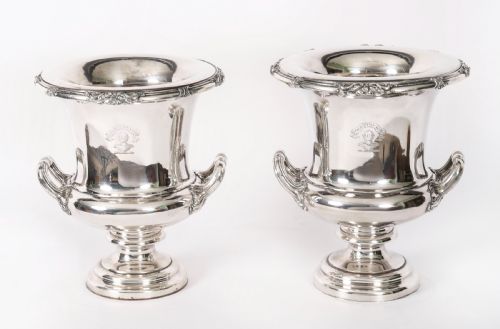
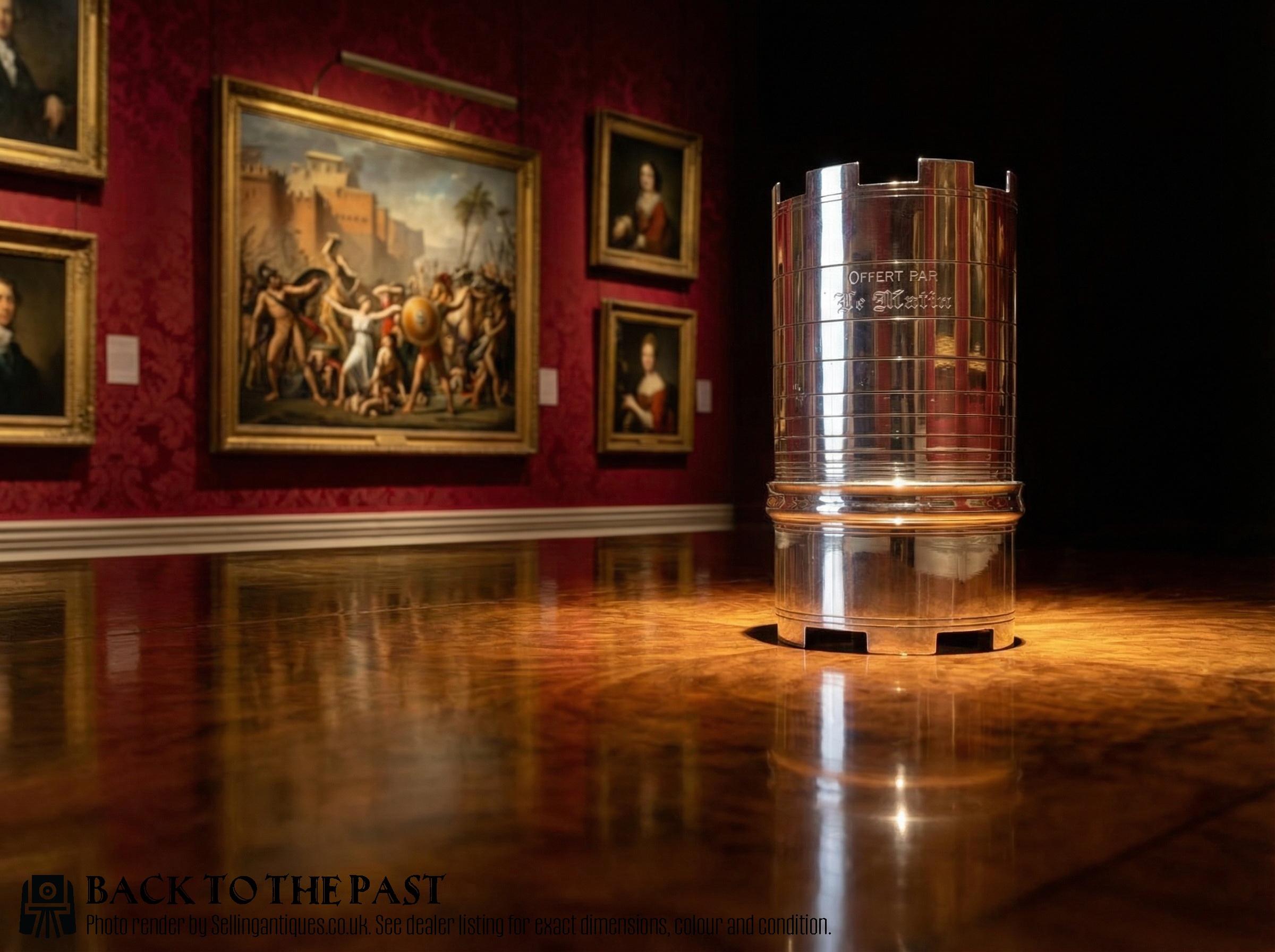
An antique champagne bucket takes several distinct forms, ranging from silver-plated vessels and trophy vases to coopered wooden jardinières and brass-bound buckets on stands. These pieces originate across the eighteenth, nineteenth and early twentieth centuries, reflecting changing dining habits and social entertaining customs.
Silver-plated and copper examples dominate the selection, often produced by prominent makers in Sheffield, Paris and London during the Victorian and Edwardian eras. Buyers frequently encounter vessels featuring twin handles, heraldic crests, or cast floral motifs characteristic of Art Nouveau and Art Deco designs.
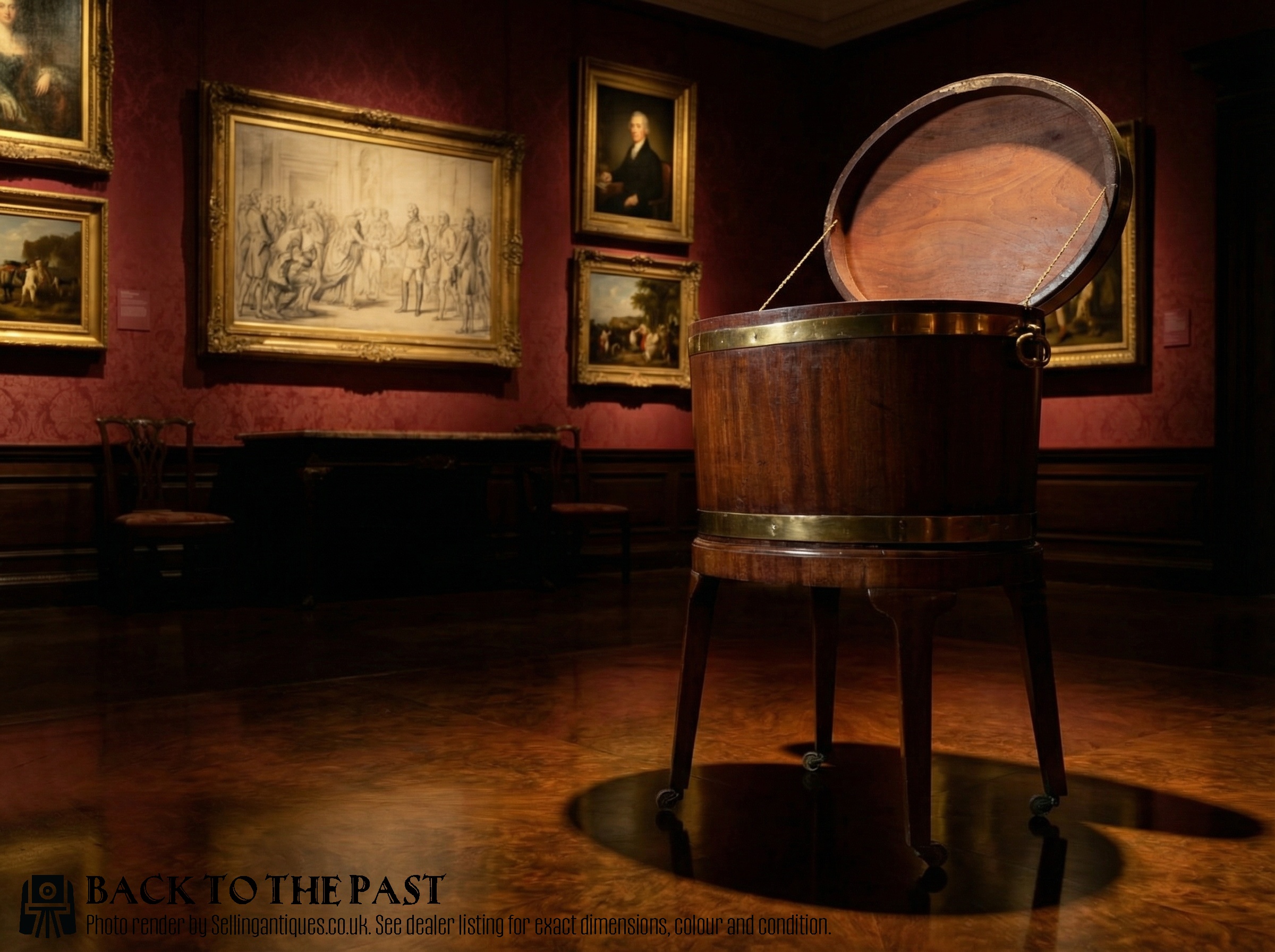
Wooden vessels, including mahogany and oak examples with metal linings, serve as substantial wine coolers or log baskets adapted for table use. These timber pieces often stand on dedicated frames or feature traditional coopered stave construction.
Assessing craftsmanship and condition
Quality rests in the weight of the metal, the crispness of cast details such as tendrils and armorial crests, and the structural integrity of coopered staves. Superior silver-plated examples show even wear on the base metal without excessive replating, while finer wooden pieces retain original brass fittings and waterproof linings.
The reputation of the maker and the presence of documented hallmarks or maker stamps elevate certain items above standard production pieces. Design complexity, such as floor-standing frames, multi-bottle capacity, or matched pairs, also distinguishes high-end dining accessories.
Antique Champagne Bucket Retail Price Guide 2026
Typical asking prices for champagne bucket among the pieces listed under this phrase on Sellingantiques today, from the lower quarter to the upper quarter. They describe what is for sale here now, not the wider market.
Listings feature silver plate, copper, brass, mahogany, and cut crystal across Georgian, Victorian, and Art Deco styles.
Hutton Sheffield·Christofle·Elkington Mason And Co·Mappin And Webb·Walker And Hall·Puiforcat Paris·WMF
The Antique Champagne Bucket Glossary
- Old Sheffield Plate
- A composite material made by fusing a thin sheet of silver to a thicker copper base before shaping. This technique was widely employed before the invention of electroplating.
- Coopered
- Built from narrow wooden staves fitted together edge-to-edge and bound with metal hoops, much like a traditional barrel. This method ensures structural strength for holding liquids.
- Silver Plate
- A thin layer of silver applied to a base metal substrate, such as copper or white metal. Electroplating largely replaced earlier fusion methods during the nineteenth century.
- Jardinière
- An ornamental pot or stand designed to hold plants or flowers, often adapted or repurposed as a wine cooler or ice bucket. These pieces frequently feature brass bands and fixed handles.
- Art Nouveau
- A decorative art style characterised by flowing, organic lines inspired by natural forms like plants and flowers. Pieces from this period often display stylised tendrils and floral heads.
Antique Champagne Bucket: Frequently Asked Questions
Were these buckets originally used for ice?
Many of these vessels served multiple purposes at the dining table, functioning interchangeably as wine coolers, ice buckets, or presentation bowls depending on the occasion.
Larger floor-standing models and oversized tubs held multiple bottles alongside ice, while smaller tabletop pails kept individual vintages chilled throughout a meal.
How do I clean an antique silver plated bucket?
Standard silver cleaning cloths and mild non-abrasive polishes help maintain the metallic surface without stripping away remaining layers of silver plate.
Harsh chemical dips should be avoided, particularly on Old Sheffield Plate where excessive cleaning can expose the underlying copper core.
Can I use an antique wooden cooler for modern dining?
Wooden vessels featuring original metal liners remain suitable for holding ice and bottles during contemporary gatherings.
If the interior lining is absent or compromised, inserting a modern waterproof container protects the historic timber from moisture damage.
How do I identify the period of a metal cooler?
Stylistic indicators such as neoclassical handles, Art Nouveau floral tendrils, or geometric Art Deco lines provide the primary clues for dating a piece.
Maker marks, stamping techniques, and underlying construction methods offer further evidence to narrow down the decade of manufacture.