


George III Cellarette
A george iii cellarette is a dedicated timber vessel designed for storing bottled wine near the dining table.
George III Cellarette
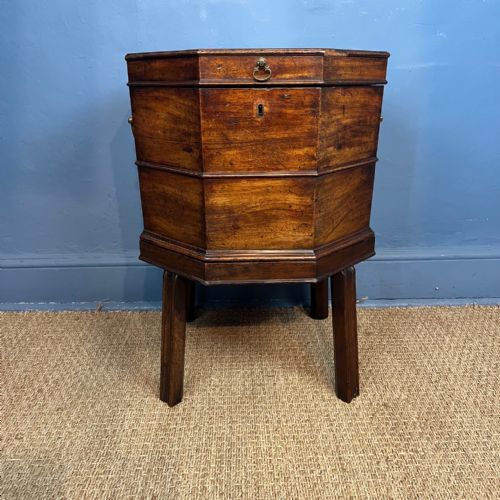
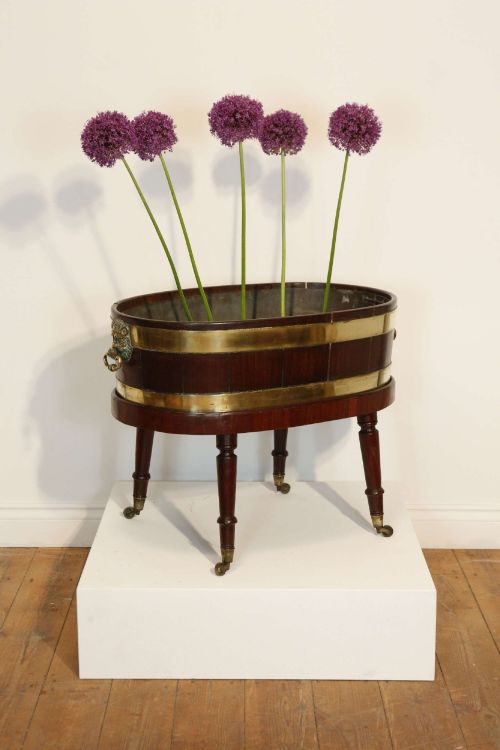
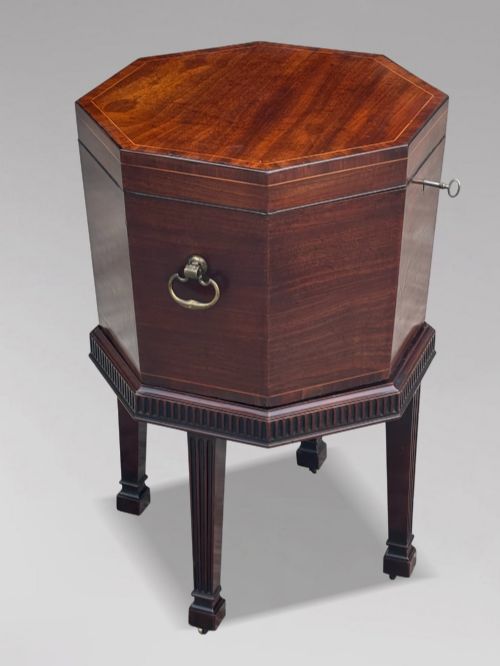
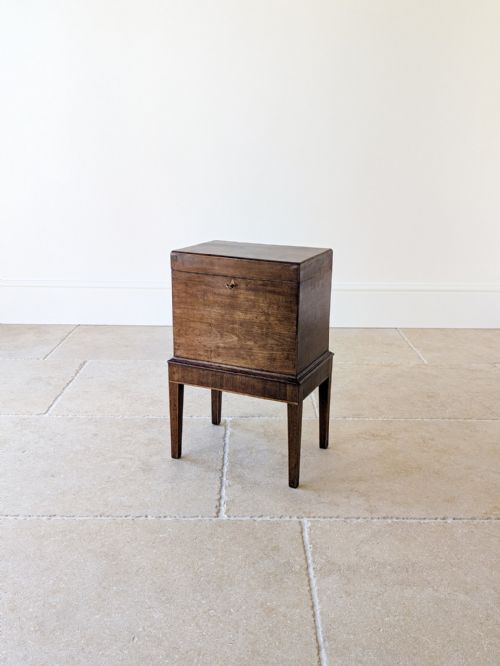
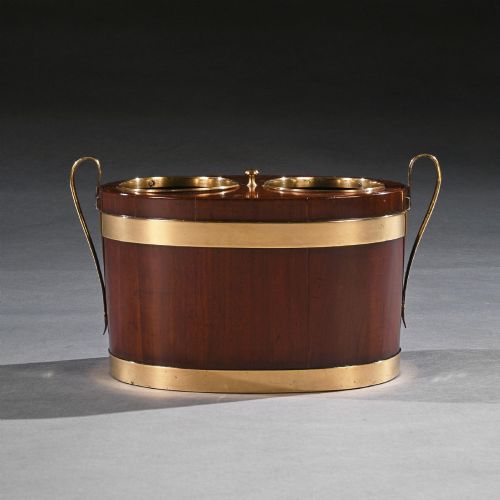
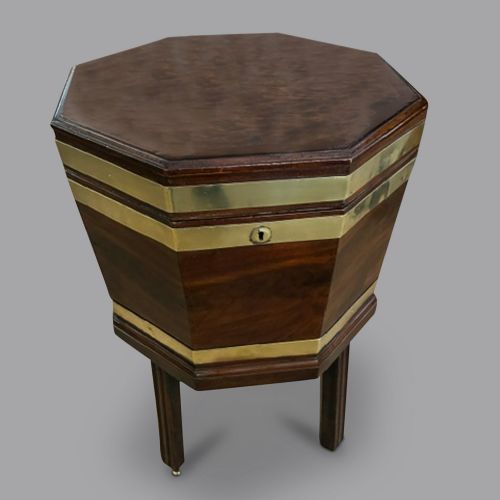
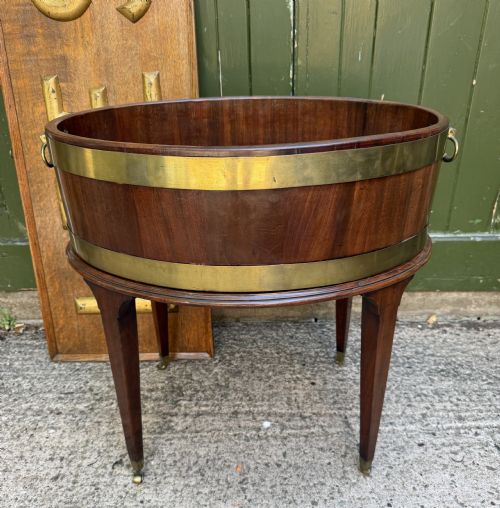
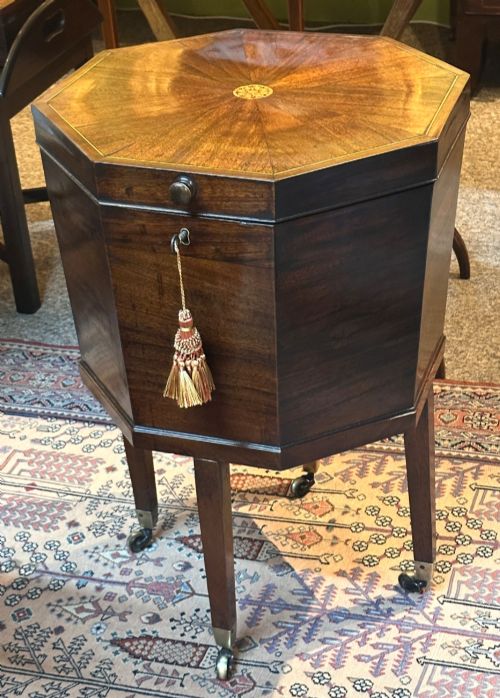
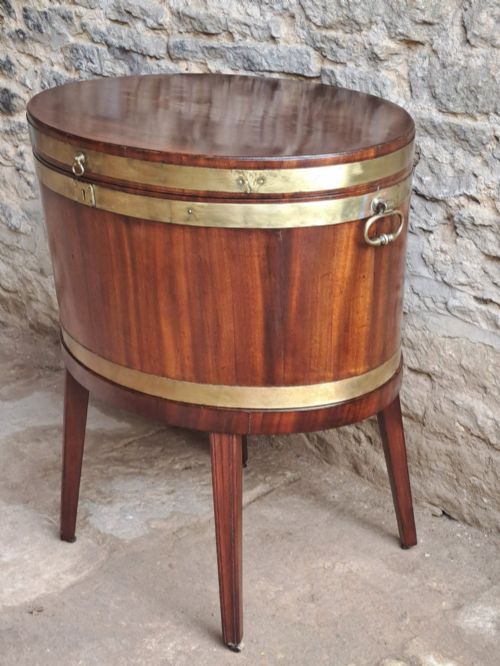
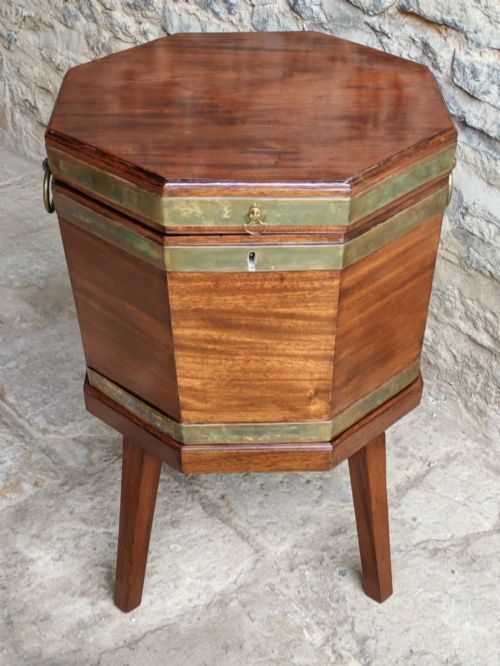
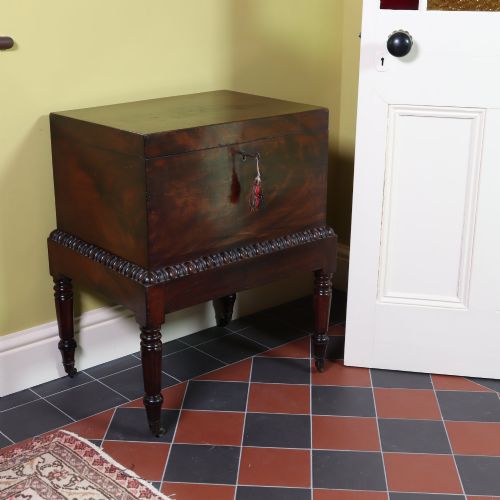
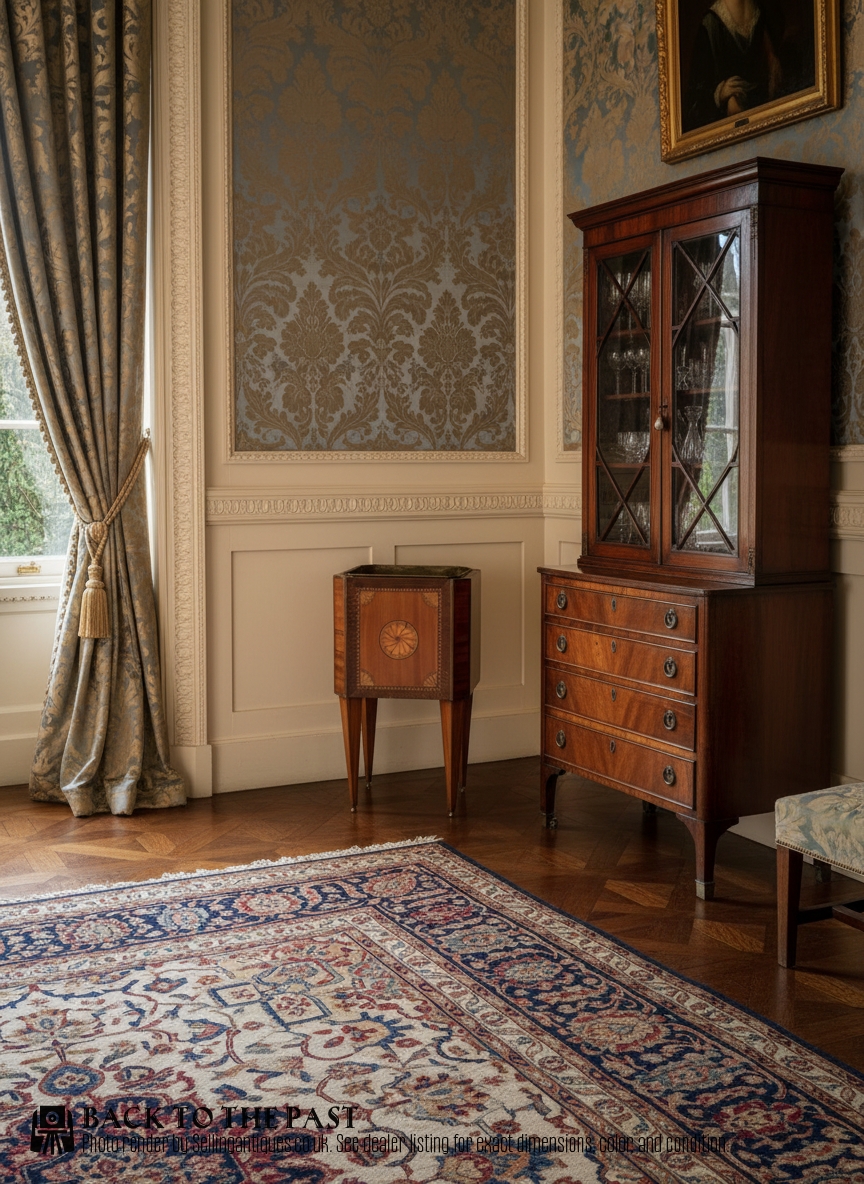
A george iii cellarette is a robust timber container engineered to hold wine bottles securely in the dining room during the Georgian era. The pieces seen here span oval, octagonal and sarcophagus forms, frequently designed to sit directly on the floor or upon dedicated stands.
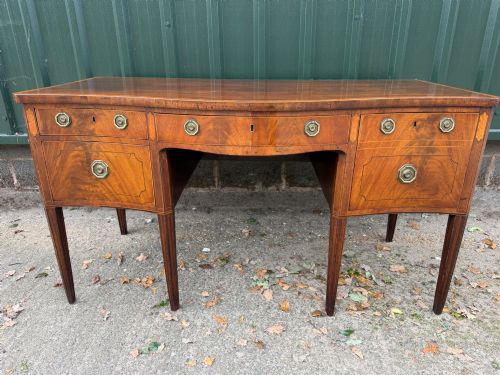
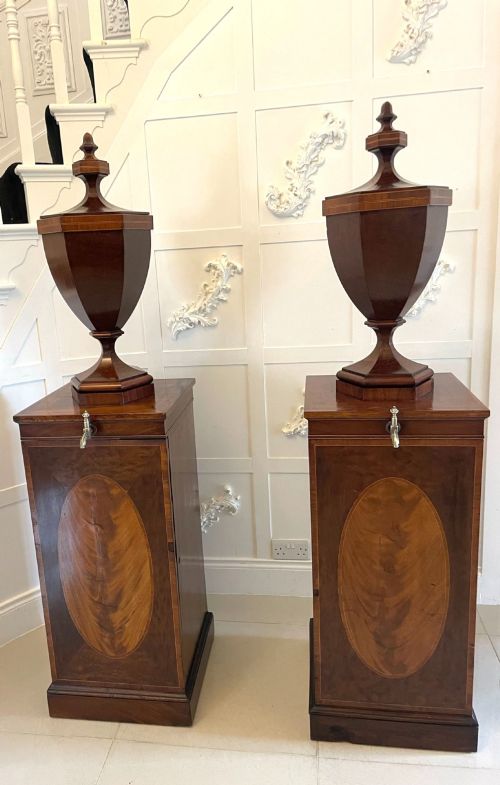
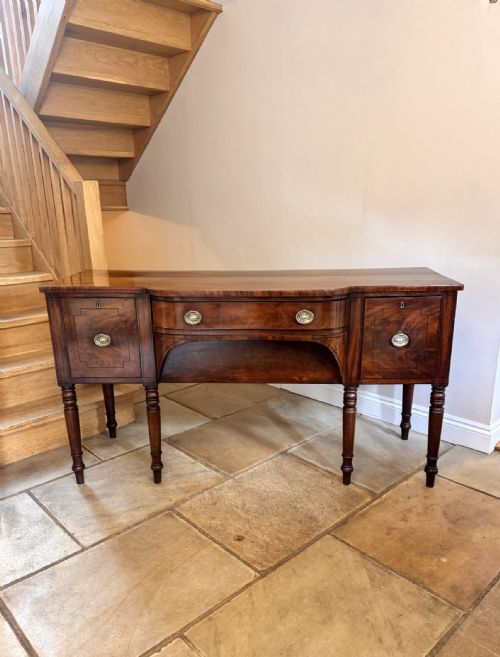
The versions most commonly met on this page are mahogany vessels embellished with brass banding, boxwood inlay or flame grain veneers. Sideboards and wine coolers also appear alongside traditional cellarettes, reflecting the varied dining room furniture of the eighteenth century.
Materials and Construction
Cabinet makers relied primarily on solid mahogany and rich veneers, often accented with satinwood and boxwood inlay to define geometric panels. Metal components such as brass bands, carrying handles and internal zinc linings were integrated to reinforce the wooden frames and manage ice or moisture.
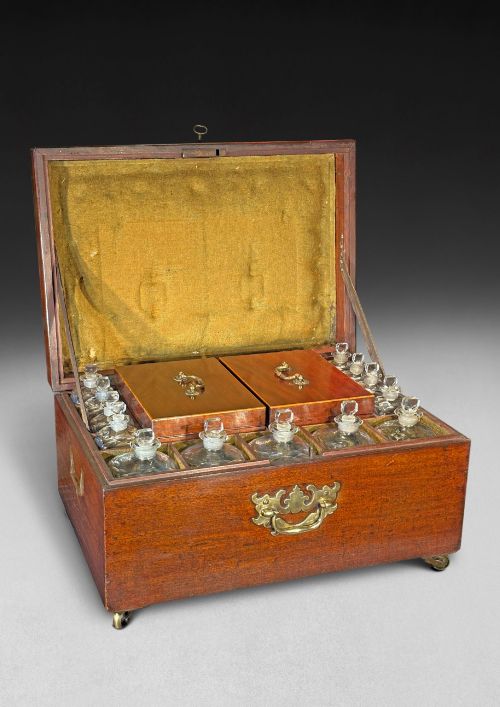
Joinery techniques included tight stave construction for curved octagonal and oval bodies, alongside dovetailed box frames for rectangular decanter cases. Interior partitions were fitted to separate individual glass bottles and prevent rolling during use.
George III Cellarette Retail Price Guide 2026
Typical asking prices for george iii cellarette among the pieces listed under this phrase on Sellingantiques today, from the lower quarter to the upper quarter. They describe what is for sale here now, not the wider market.
Listings span the Georgian and Victorian periods, incorporating materials such as mahogany, satinwood, brass, boxwood inlay and zinc linings.
Markers of Quality
Superior examples distinguish themselves through the choice of timber, notably highly figured flame mahogany or carefully contrasted satinwood banding. The refinement of the brass mounts and the crispness of the inlay demonstrate the skill of the original workshop.
Proportion and structural integrity separate standard utility pieces from exceptional decorative items. Original stands, well-preserved internal lead or zinc linings, and smooth joinery elevate the standing of a piece within this category.

Samual Norman
The George III Cellarette Glossary
- Cellarette
- A lockable container used for storing wine bottles near the dining table. They were often lined with metal to hold ice for chilling bottles.
- Brass Banding
- Flat strips of brass fitted around the circumference of a wooden vessel. These bands provided structural reinforcement and decorative contrast against dark mahogany.
- Flame Mahogany
- A veneer cut from the branch junction of a mahogany tree, yielding a distinctive feather-like pattern. It was widely utilised on prominent surfaces of late eighteenth-century furniture.
- Inlay
- A decorative technique where contrasting woods such as boxwood or satinwood are inserted into recesses cut into the primary surface. This created fine borders and geometric motifs.
- Wine Cooler
- A freestanding basin or bucket utilised for chilling wine during meals. Examples from this period frequently take the form of oval tubs or urns on pedestals.
George III Cellarette: Frequently Asked Questions
How were they used originally?
Hosts placed these containers on the floor or on dedicated stands beside the dining table. Servants filled the interior compartments with ice or cold water to chill the wine before pouring.
Many examples included locks to secure valuable vintages from household staff, reflecting the high cost of imported wine during the eighteenth century.
How do I care for the wood?
Keep these timber pieces away from direct heat sources and strong sunlight to prevent the mahogany and veneers from drying out. Maintain a stable indoor humidity to protect the antique joinery.
Apply a traditional wax polish occasionally to nourish the grain and preserve the historic patina without using modern silicone sprays.
How do I distinguish revival pieces?
Revival items dating from the Victorian era or later often display different internal construction methods and machine-cut timber characteristics. Hardware fixings and secondary woods frequently differ from authentic eighteenth-century standards.
Examining the wear patterns, wood shrinkage and interior linings helps determine whether an item belongs to the Georgian period or a later nineteenth-century revival workshop.