
Georgian Wine Chest
A georgian wine chest is a specialised piece for cooling or storing bottles, prized for rich timber and confident proportions.

Georgian Wine Chest
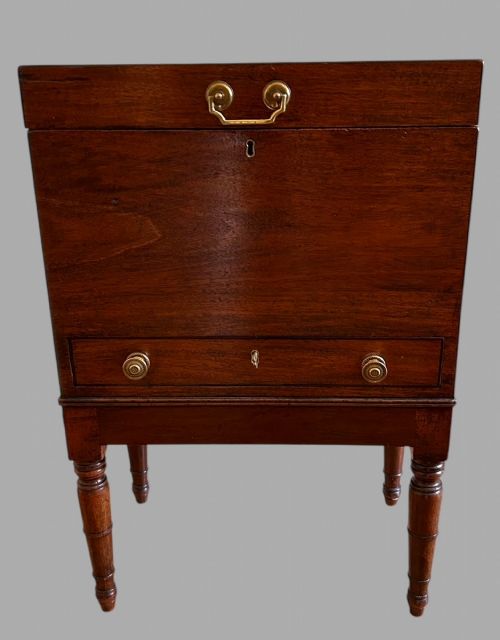
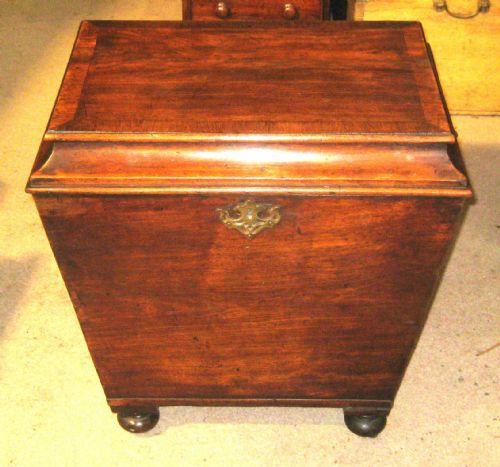
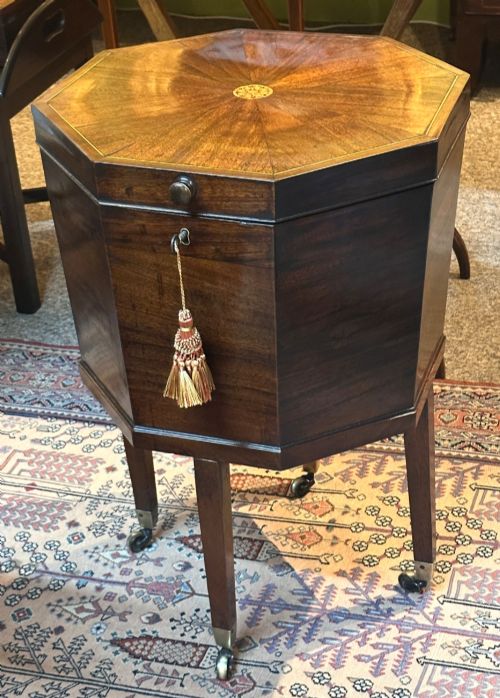
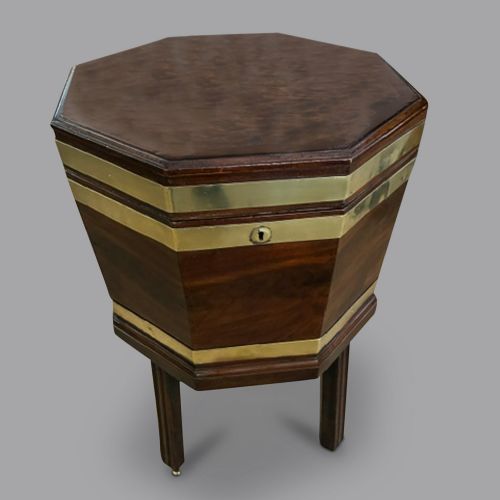
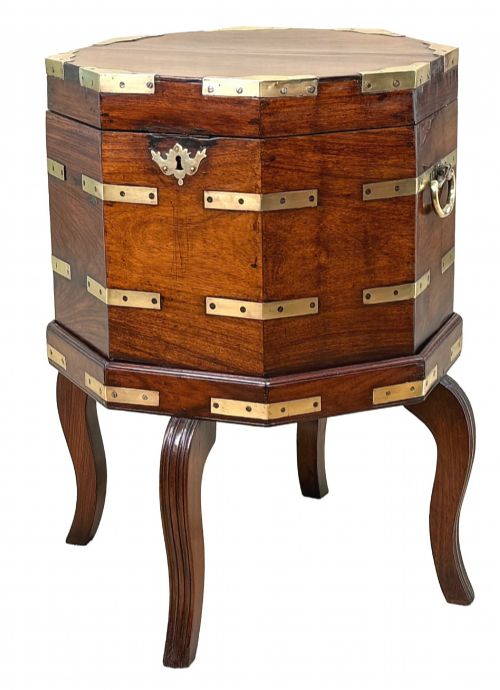
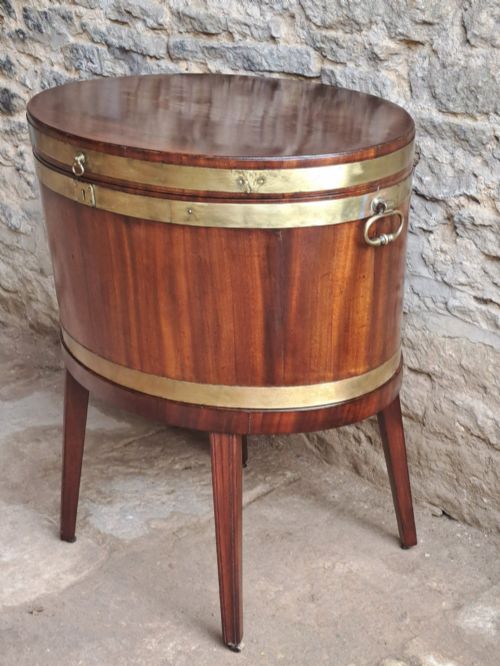
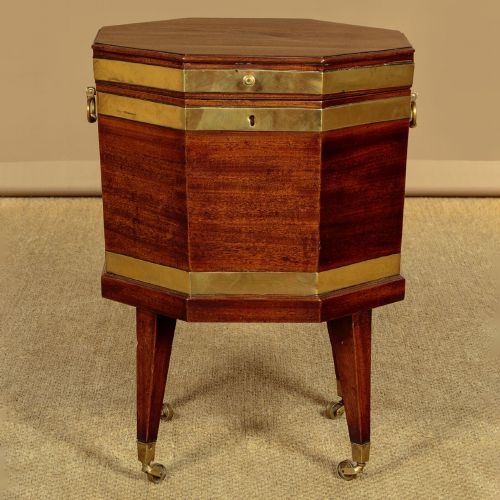
The materials span solid and flame mahogany, satinwood, pollard oak, and padouk, often accented with brass banding and boxwood inlay. Pieces originate across the Georgian, Regency, and William IV periods, alongside later Victorian interpretations.

Materials and construction methods
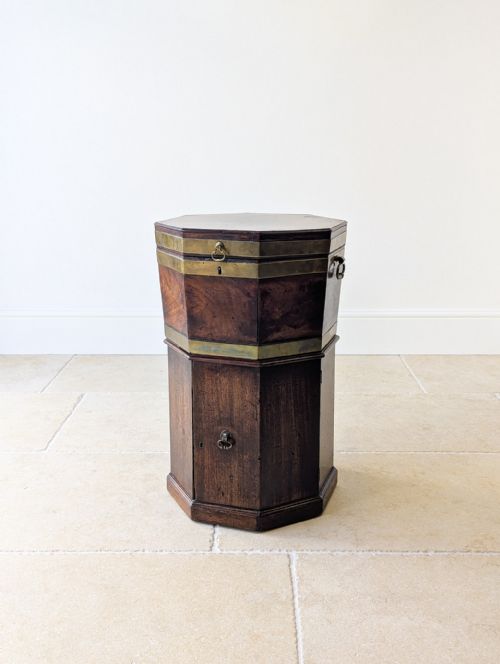
Cabinetmakers utilised dense timbers like mahogany, kingwood, and walnut, frequently selecting flame mahogany veneers to create striking surface grain. Metal components such as brass bands, ormolu mounts, and carrying handles provided both structural reinforcement and decorative contrast.
Internal arrangements often featured lead liners designed to hold ice and bottles securely. Joinery relied on traditional techniques to construct heavy storage boxes capable of withstanding the weight of liquid and dense wood.
Georgian Wine Chest Retail Price Guide 2026
Typical asking prices for georgian wine chest among the pieces listed under this phrase on Sellingantiques today, from the lower quarter to the upper quarter. They describe what is for sale here now, not the wider market.
Certain chests feature lead linings that secretly harboured centuries of ice water for thirsty diners.
Judging quality and craftsmanship
The standard of timber selection and the depth of natural patina dictate the visual appeal of a piece. Finer examples display carefully matched flame veneers and well-preserved brass mounts rather than plain or heavily restored surfaces.
Proportion and architectural detail separate standard boxes from exceptional commissions. Refined pieces incorporate crisp string inlay, original lead liners, and matched stands that elevate the design beyond simple utility.
Edwards and Roberts·Gillows·Gillingtons
The Georgian Wine Chest Glossary
- Cellarette
- A lockable chest or box designed for storing and cooling wine bottles. They typically sit on the floor or upon a dedicated stand.
- Sarcophagus
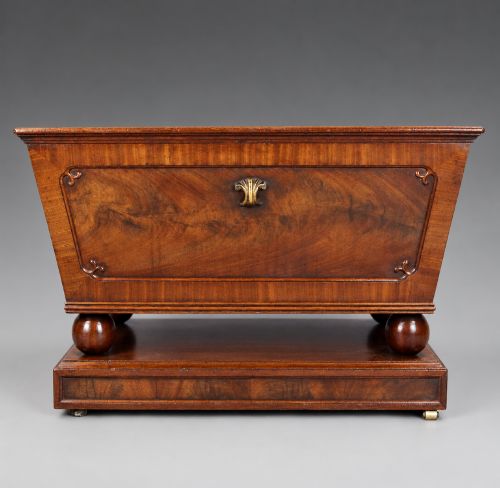
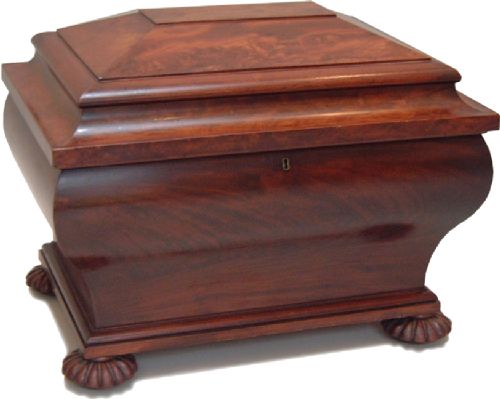
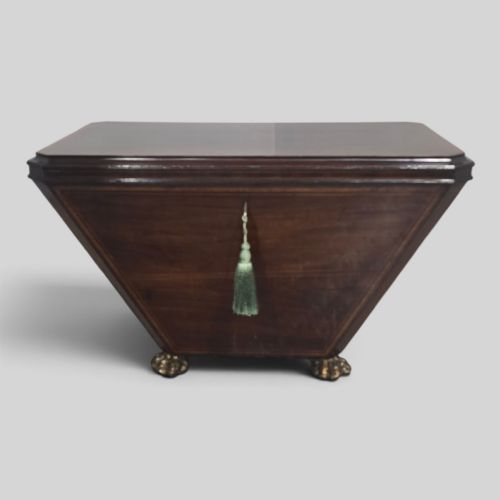
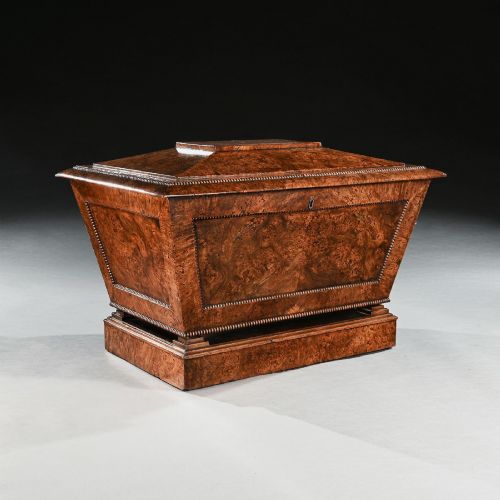
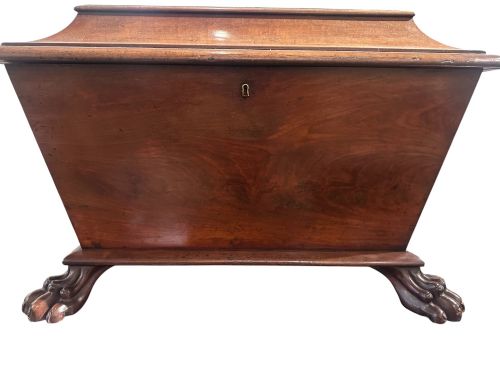
- A monumental coffin-shaped form popular during the Regency period. These wine chests feature sloping lids and carved paw feet.
- Patina
- The surface sheen and colour developed by wood over centuries of handling and polishing. Good examples exhibit a deep, warm glow.
- String inlay
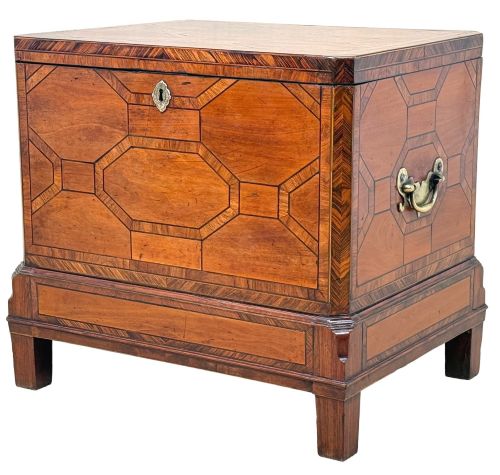
- A narrow line of contrasting timber inlaid into the surface of the wood. It creates delicate geometric borders on the panels.
Georgian Wine Chest: Frequently Asked Questions
What is a georgian wine chest?
A georgian wine chest is a period storage box built to keep wine bottles cool or secure. These containers range from octagonal floor chests to sarcophagus-shaped coolers.
Craftsmen built them primarily in mahogany, incorporating lead linings and metal handles to manage heavy loads of ice and glass.
How were cellarettes used historically?
Dining rooms of the eighteenth and nineteenth centuries utilised these chests to hold bottles close to the table during meals. Servants would pack the interior with ice or cold water to chill the wine.
Many featured internal partitions to separate individual bottles and prevent them from clinking together.
How do I date a wine chest?
Dating relies on observing the combination of timber, hardware, and overall silhouette. Earlier pieces from the eighteenth century tend toward octagonal or oval shapes with bracket feet.
Later Regency examples embrace the sarcophagus form with heavy brass paws and classical motifs, while Victorian items often show revival styling.
Are lead liners original?
Many surviving chests retain their original lead interior linings, which were soldered into place to contain meltwater. Finding an intact liner adds significant authenticity to the piece.
Some interiors have lost these linings over time due to repairs or conversion into general storage boxes.
Where should I place one?
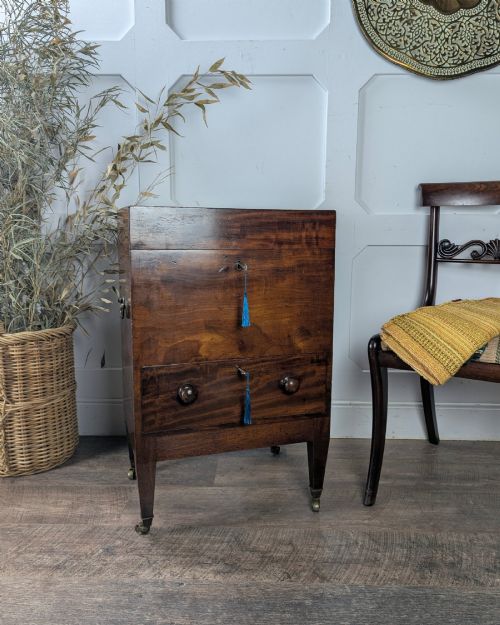
These chests function well as freestanding decorative items in dining rooms, living spaces, or hallways. Their substantial wooden presence anchors a room nicely.
Beyond holding bottles, they serve effectively as storage trunks for blankets or books while maintaining a strong historic focal point.