



Antique Dining Room Cellarette
These antique dining room cellarette pieces are designed to hold wine bottles near the table, offering both practical storage and period presence.

Antique Dining Room Cellarette
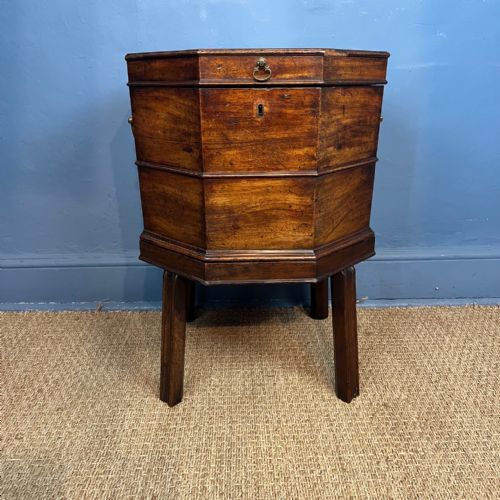
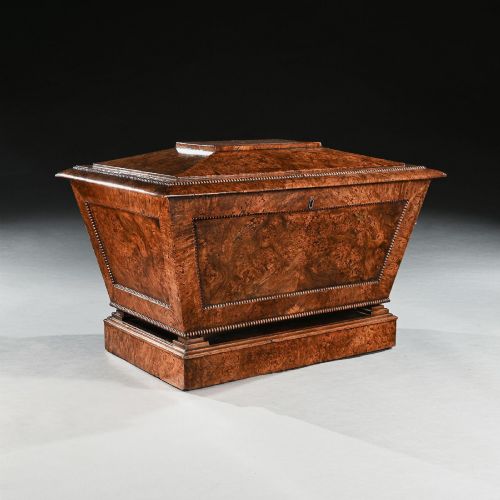
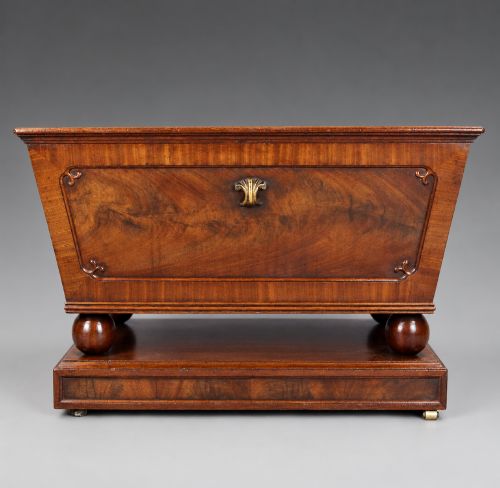
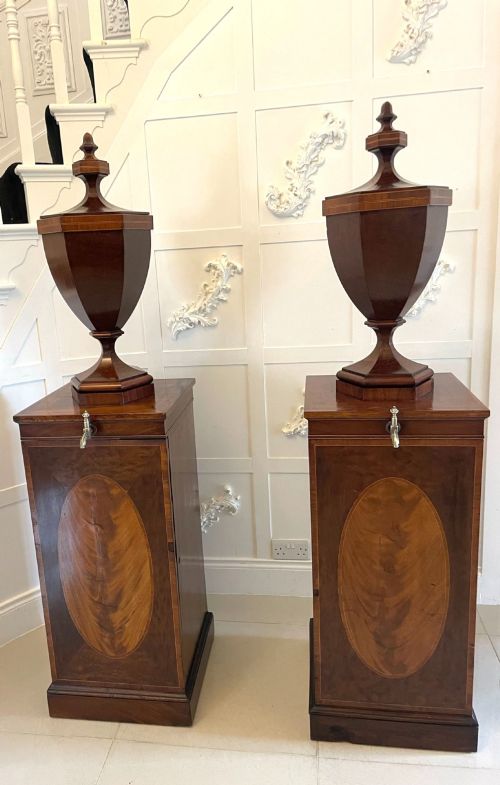
An antique dining room cellarette provides dedicated storage for wine during meals, taking forms such as wine coolers, open wine coolers, and sarcophagus cellarettes. These items date from the Georgian, Regency, William IV, and Victorian periods, spanning the nineteenth century and the year eighteen hundred.
The selections on this page appear primarily in mahogany, flame mahogany, and figured walnut, with occasional examples in ebonised wood. Styles range across Georgian, Regency, and William IV designs, reflecting the formal dining customs of their eras.
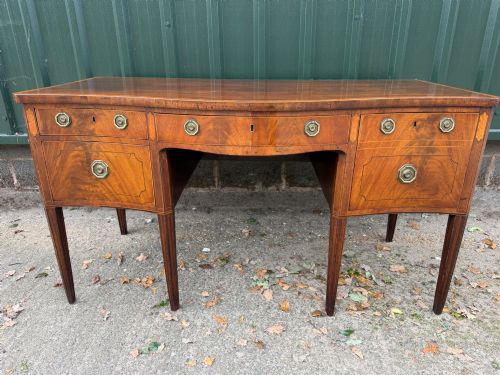
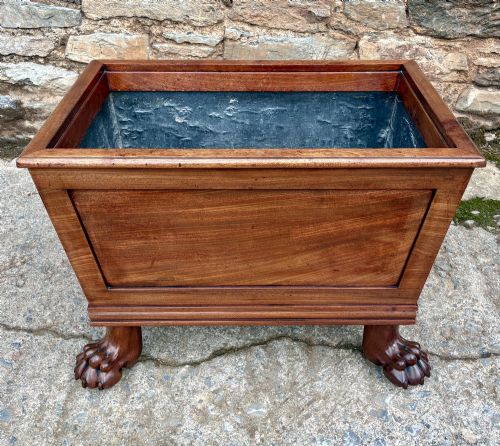
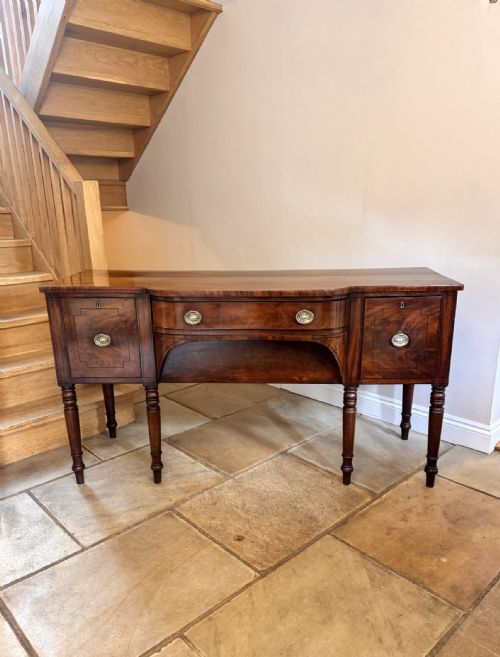
Buyers encounter substantial case pieces, serpentine shapes, and open jardiniere forms suited for floor placement beside the dining table. Each variation serves the fundamental purpose of cooling or holding wine bottles close at hand.
How they were made
Cabinetmakers utilised dense timbers, notably mahogany, flame mahogany, and figured walnut, to build robust bodies capable of holding heavy bottles. These woods were chosen for their rich grain patterns and durability in domestic settings.
Metal components such as brass fittings and internal zinc linings were incorporated to handle ice and water safely. Ebonised wood details also appear on select pieces, adding contrast to the primary timber construction.
Antique Dining Room Cellarette Retail Price Guide 2026
Typical asking prices for dining room cellarette among the pieces listed under this phrase on Sellingantiques today, from the lower quarter to the upper quarter. They describe what is for sale here now, not the wider market.
What varies in quality
Quality rests in the selection of timber veneers, where highly figured flame mahogany or figured walnut elevates the visual impact of the piece. The choice of timber grain defines the upper tier of these examples.
Execution of form marks the difference between standard and exceptional work, seen in serpentine shaping and balanced proportions. Refined detailing in brass hardware and interior metal linings further separates finer pieces.
The Antique Dining Room Cellarette Glossary
- Cellarette
- A lockable container or box used to store wine bottles in the dining room. These pieces sat on the floor near the dining table.
- Sarcophagus
- A distinct burial-chest form adopted by cabinetmakers for large wine coolers and cellarettes during the Regency period. This architectural shape featured heavy proportions and curved or panelled sides.
- Flame mahogany
- A veneer cut from the branch junction of the mahogany tree, producing a distinctive flickering flame pattern. Cabinetmakers prized this figure for principal display surfaces.
- Jardiniere
- An ornamental stand or container used to hold plants or flowers, which shares forms with open wine coolers of the nineteenth century.
- Serpentine
- A shaped outline consisting of a convex curve flanked by two concave curves. This contour appears on the fronts of finer case pieces.
Antique Dining Room Cellarette: Frequently Asked Questions
What is an antique dining room cellarette?
An antique dining room cellarette is a specialised piece of furniture designed to store and cool wine bottles for use during formal meals. These containers were typically positioned on the floor near the dining table.
They reflect the dining habits of the Georgian, Regency, and Victorian periods, combining functional metal linings with decorative timber cabinetry.
How were these cellarettes used originally?
These pieces were kept in the dining room to hold wine bottles and ice during long meals, reducing the need for servants to fetch bottles from the cellar.
Internal zinc or metal linings allowed ice to be packed around the bottles to keep the wine chilled throughout the dining experience.
What woods are commonly found?
Mahogany is the predominant timber used for these pieces, often appearing as flame mahogany with highly decorative grain patterns. Figured walnut and ebonised wood also occur across the available selections.
Cabinetmakers selected these dense hardwoods for their strength and their ability to take a high polish.
How do you identify a Regency period piece?
Regency pieces often display classical architectural influences, such as sarcophagus shapes, heavy proportions, and bold brass mounts. The style emerged around eighteen hundred and continued into the early nineteenth century.
Makers working in this style utilised mahogany and incorporated specific structural forms like serpentine fronts and open jardiniere designs.
Can these pieces be used today?
These items function effectively in modern homes as decorative storage containers for bottles, logs, or plants. Their robust construction suits them for continued domestic use.
Placing them in a dining room or living space maintains their original association with hospitality and entertaining.