

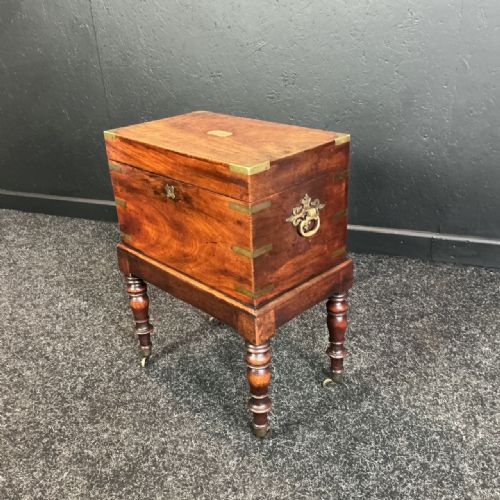
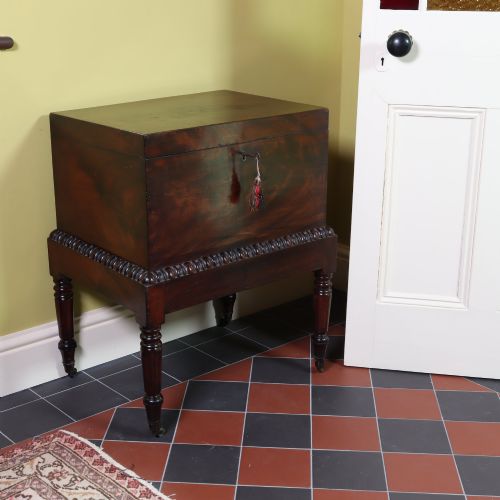




Mahogany Sarcophagus Cellarette
A mahogany sarcophagus cellarette is a classical form of wine cooler designed to store bottles in the dining room.
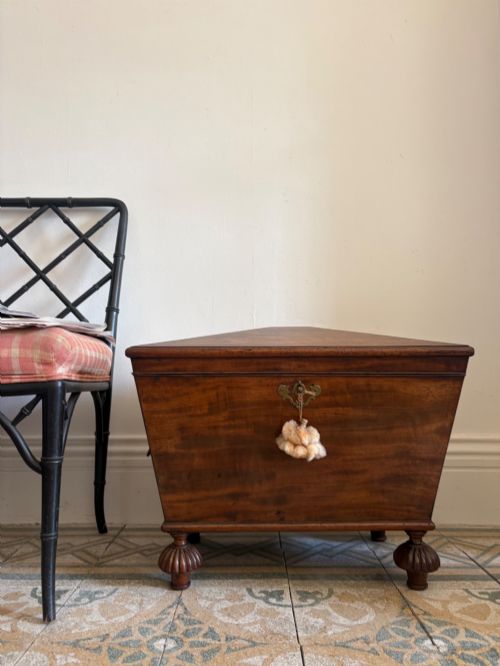
Mahogany Sarcophagus Cellarette
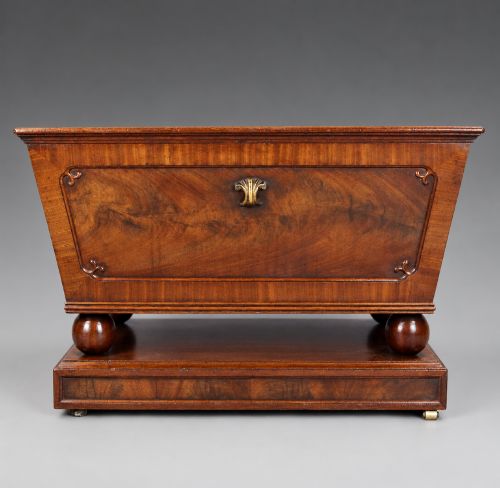
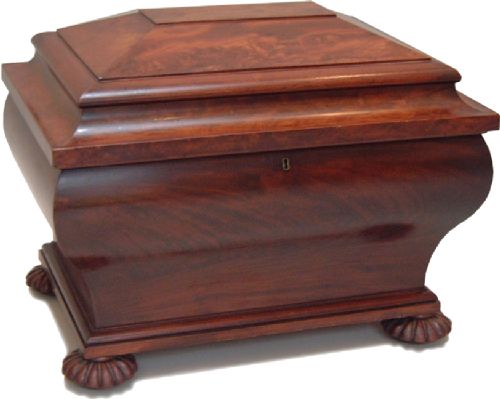
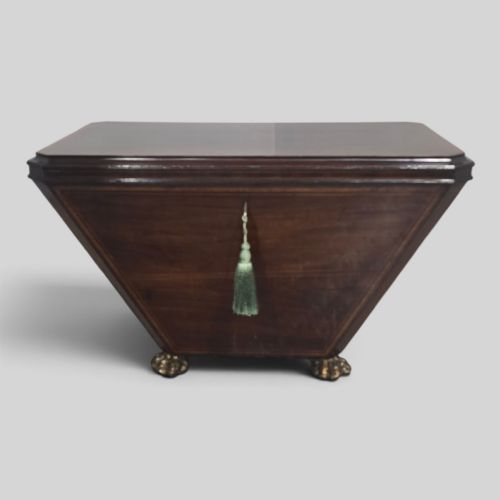
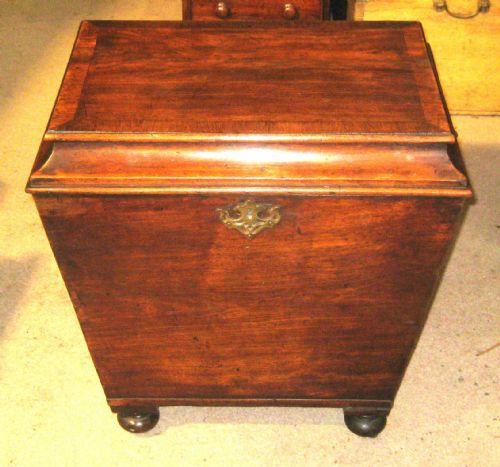
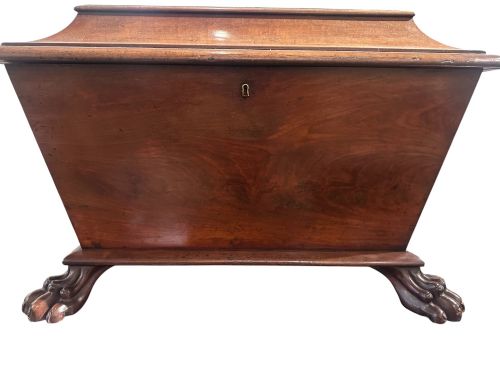
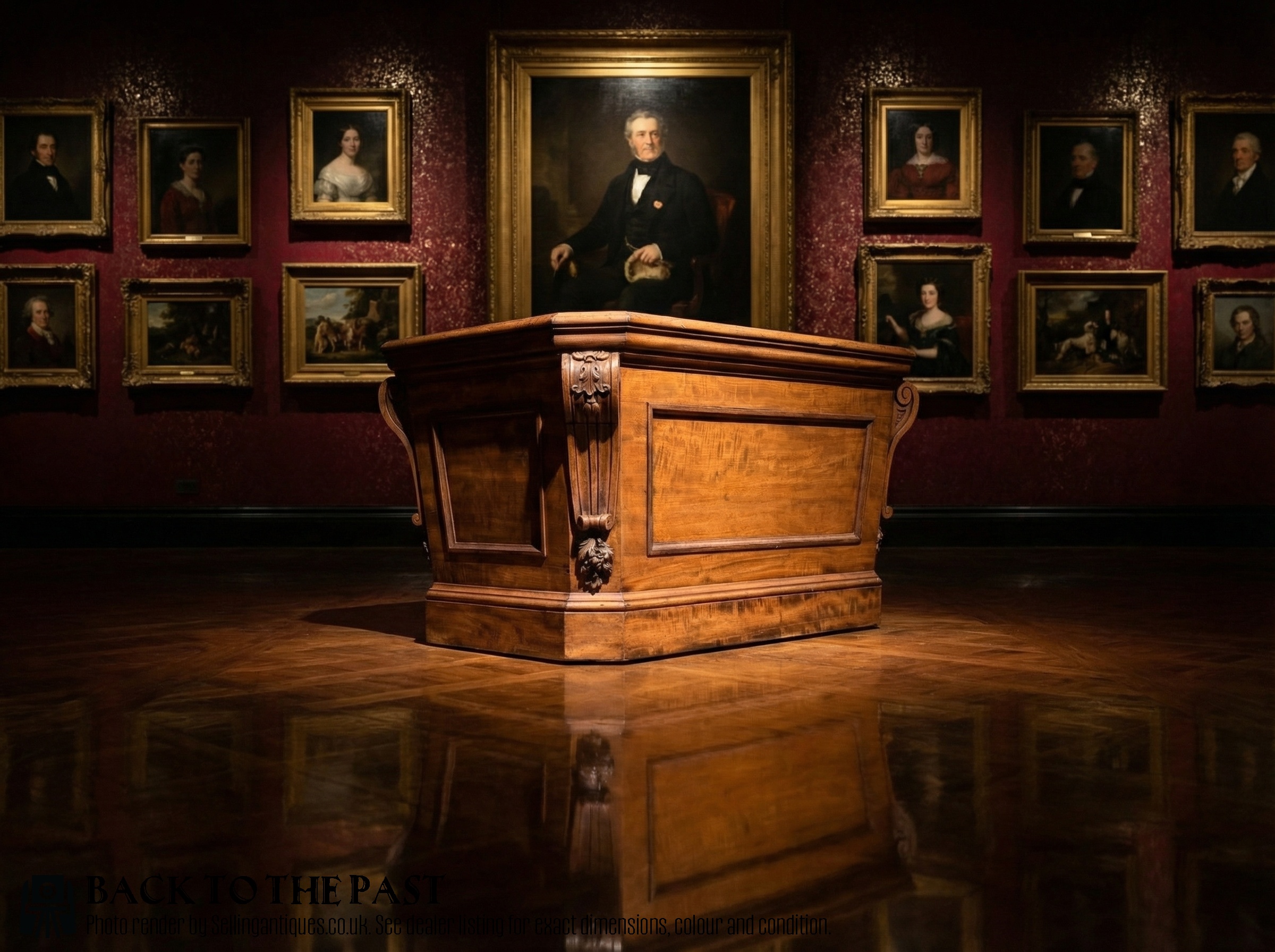
A mahogany sarcophagus cellarette sits low on the floor during formal dinners to keep wine cool near the table. These pieces take the distinct architectural form of an ancient stone coffin, featuring curved sides, heavy lids and often classical feet.
The version most commonly met on this page dates from the Georgian and Regency periods, spanning the late eighteenth century into the nineteenth century. Makers constructed these containers in solid timber or with rich veneers, shaping them to hold several bottles within fitted interior compartments.
How they were made
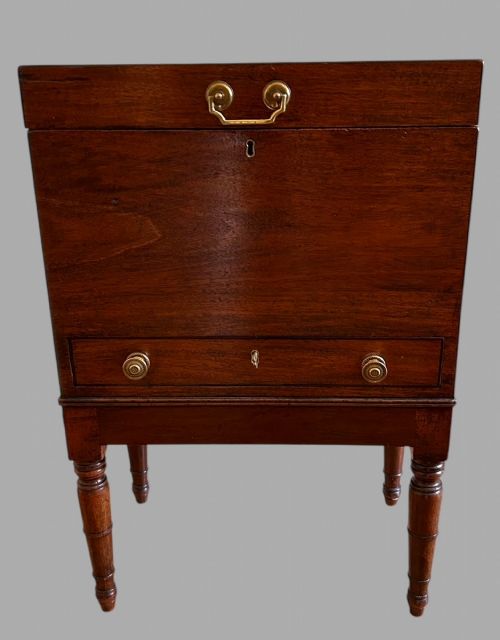
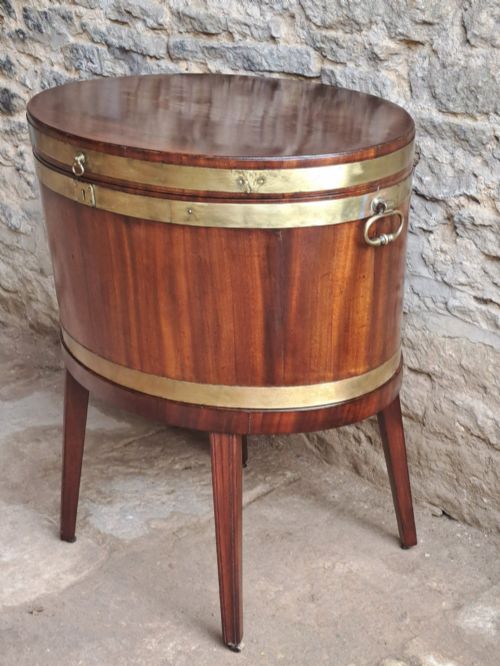
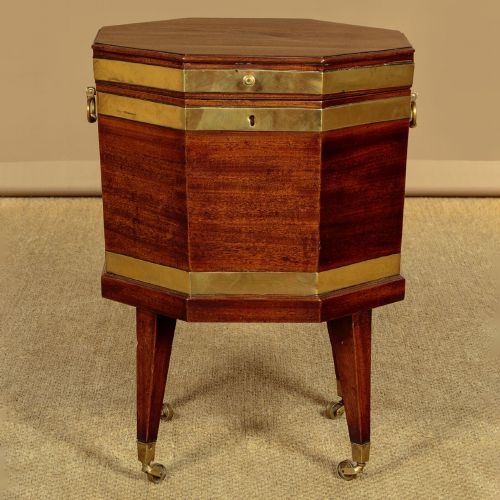
Cabinet makers utilised dense timbers such as mahogany and flame mahogany over sturdy pine or oak carcases, often selecting highly figured grains for the primary visual surfaces. Metal fittings played a structural and decorative role, with brass bands, drop handles and ormolu mounts securing the heavy wooden sections.
Inlaid details incorporated contrasting materials like boxwood, satinwood and ebonised wood to trace geometric lines across the panels. Interiors frequently retained lead linings designed to hold ice and water for chilling wine bottles during long meals.
Mahogany Sarcophagus Cellarette Retail Price Guide 2026
Typical asking prices for mahogany sarcophagus cellarette among the pieces listed under this phrase on Sellingantiques today, from the lower quarter to the upper quarter. They describe what is for sale here now, not the wider market.
Listings feature mahogany, flame mahogany, brass, ormolu, boxwood inlay, ebonised wood and satinwood across George III, Regency, William IV and Victorian periods.
What varies in quality
The fineness of the timber figure dictates the initial visual impact of the piece, with richly rippled flame mahogany standing apart from plain straight grain. Cabinet work shows in the tightness of the mitres, the crispness of carved paw feet and the integration of classical mouldings.
Hardware and interior fittings separate standard examples from exceptional ones. Original lead liners, substantial brass lion-mask ring handles and precise string inlay indicate workshop standards from makers such as Gillows or Edwards and Roberts.
Edwards and Roberts·Gillows
The Mahogany Sarcophagus Cellarette Glossary
- Sarcophagus
- A monumental coffin shape with a pitched or domed lid and sloping sides, adapted by Regency cabinet makers for wine coolers. This classical silhouette gives the cellarette its architectural presence.
- Flame mahogany
- A distinct veneer cut from the fork of the mahogany tree where the branch meets the trunk. This timber exhibits a characteristic rolling flame pattern prized in high-status furniture.
- Ormolu
- Gilded bronze mounts applied to furniture for decorative contrast against dark wood. This technique appears on finer Regency and French-influenced pieces.
- Cellarette
- A lockable container designed for holding bottles of wine in the dining room before the widespread use of fitted sideboards. Interiors generally feature wooden divisions or lead-lined compartments.
- Boxwood inlay
- Narrow strips of pale boxwood inserted into grooves cut into the darker mahogany surface. This technique creates sharp linear borders and geometric panels.
Mahogany Sarcophagus Cellarette: Frequently Asked Questions
How were cellarettes used?
Cellarettes stood beneath the sideboard or beside the dining table during meals to keep wine bottles chilled and secure. Servants filled the internal lead-lined compartments with ice or cold water to lower the temperature of the wine before serving.
Because heavy spirits and wines were valuable commodities, many of these containers featured working locks. This allowed the host to store the household bottle collection safely away from the dining staff.
What periods do they date from?
The majority of these pieces originate in the Georgian and Regency eras, spanning from the late eighteenth century through the early nineteenth century. Surviving examples also emerge from the William IV, Victorian and Edwardian periods, alongside later revival pieces.
Stylistic shifts trace the transition from understated George III designs to the bold classical revival forms popular during the Regency. Later nineteenth-century items often adapt these earlier proportions with Victorian interpretations.
How do I identify a Regency example?
Regency pieces lean heavily on classical architectural motifs drawn from Roman and Greek antiquity. Look for distinct sarcophagus shapes, carved paw feet, lion-mask ring handles and heavy brass mountings.
Designers of this period favoured bold flame mahogany veneers combined with dark ebony or brass inlay. The overall silhouette appears heavier and more sculptural than earlier eighteenth-century wine boxes.
Do original lead liners survive?
Some pieces retain their original internal lead linings, which were soldered into place to hold melting ice. These linings show marks of historical use and age.
Many examples have lost their liners over the decades due to moisture corrosion or conversion into general storage boxes. The presence of the original lead interior adds to the historical completeness of the piece.