




Antique Wooden Wine Chest
These antique wooden wine chests are robust storage vessels crafted to keep bottled vintage cool and secure, sought after for their rich timber figuring and stately dining room presence.
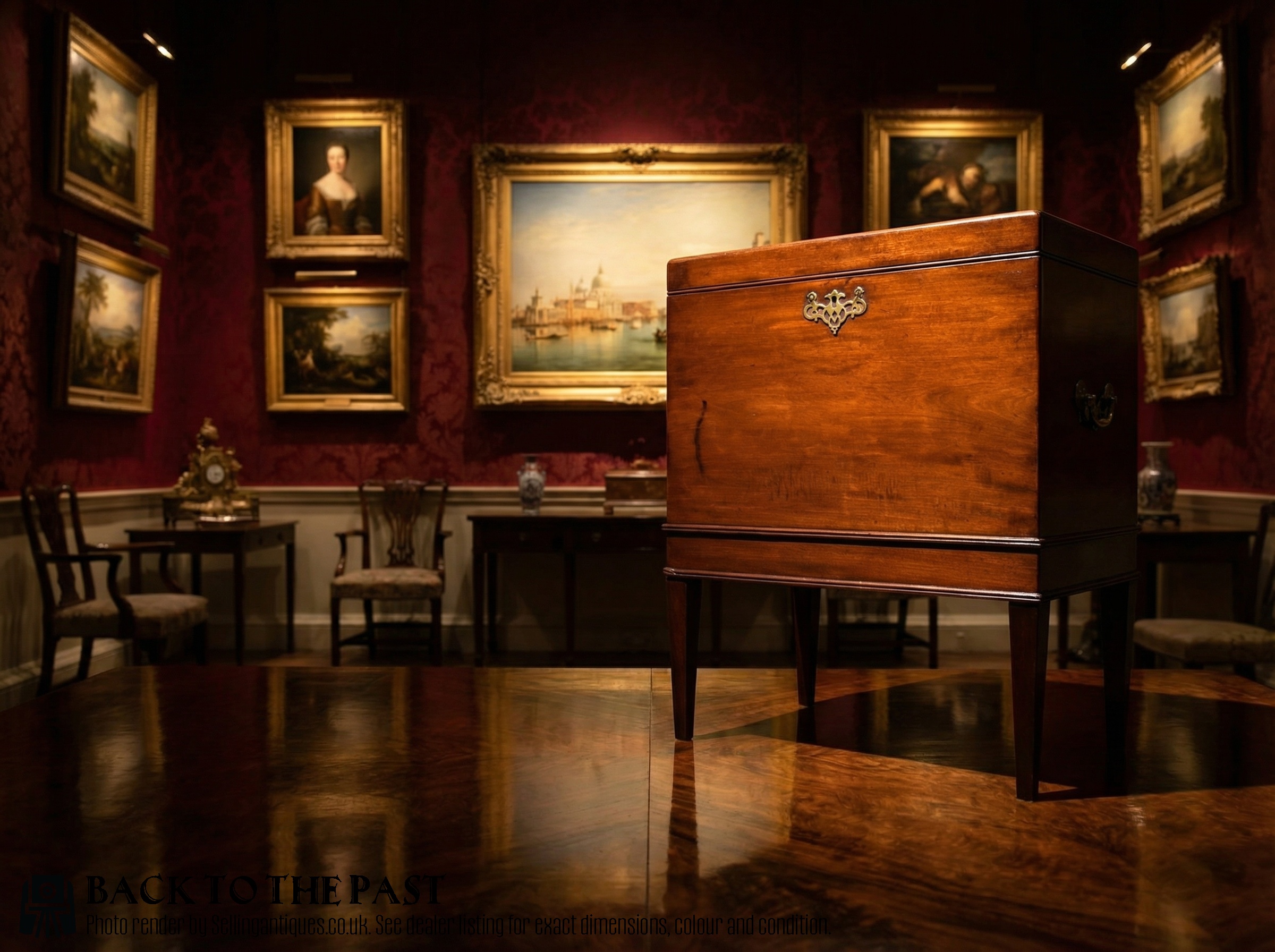
Antique Wooden Wine Chest
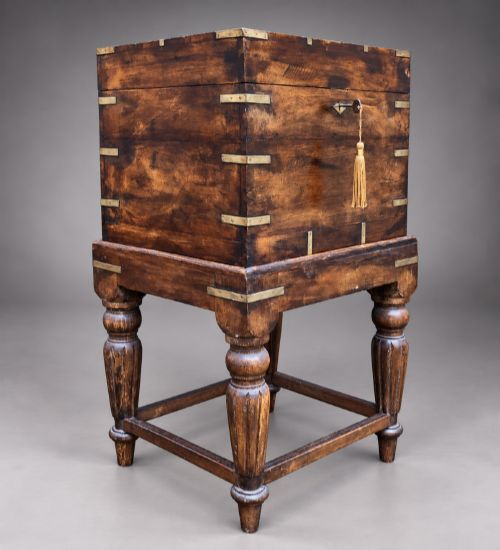
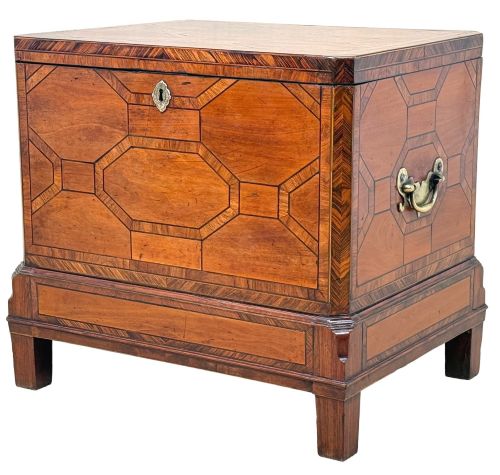
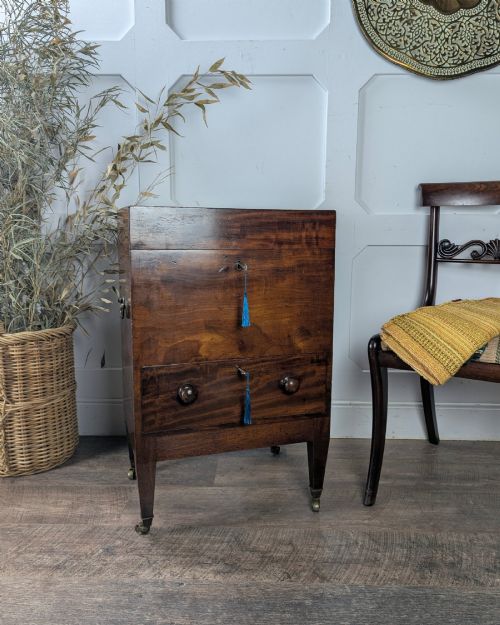
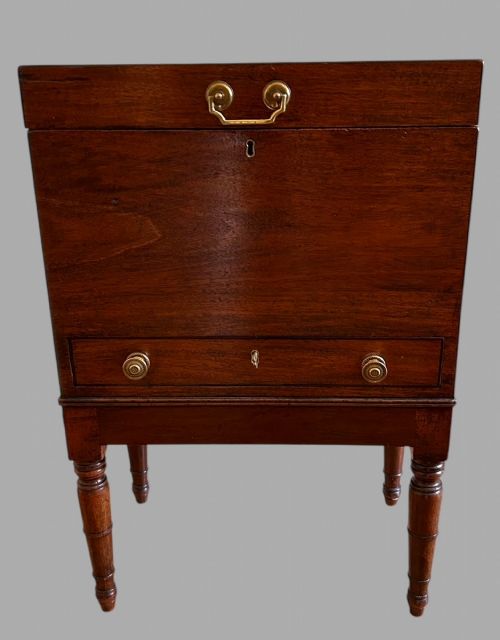
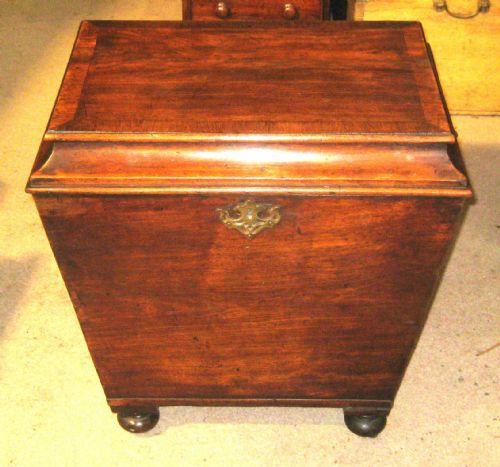
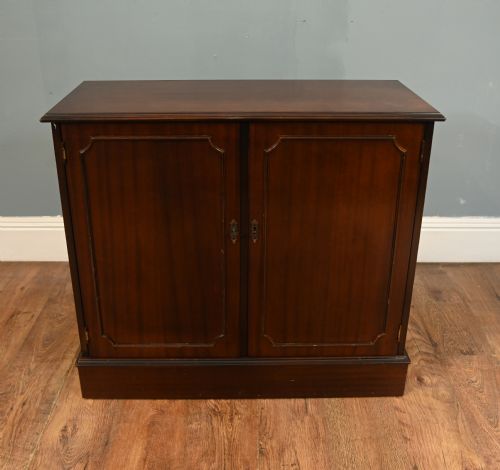
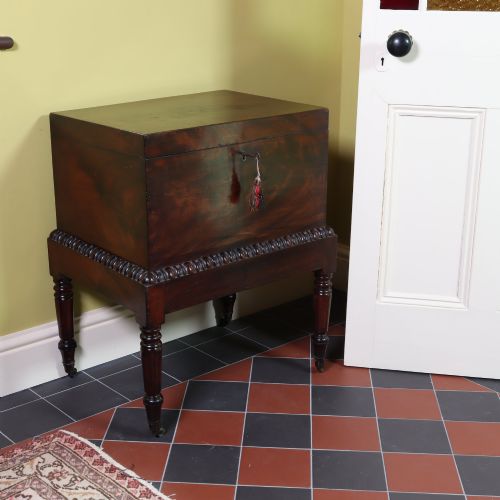
An antique wooden wine chest is a traditional storage piece designed to hold bottles safely in dining rooms or cellars. Buyers searching for an antique wooden wine chest will discover a variety of forms including cellarettes, wine coolers, and campaign chests spanning the Georgian, Regency, and Victorian periods.
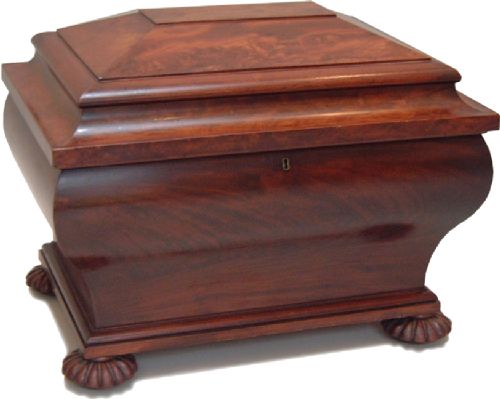
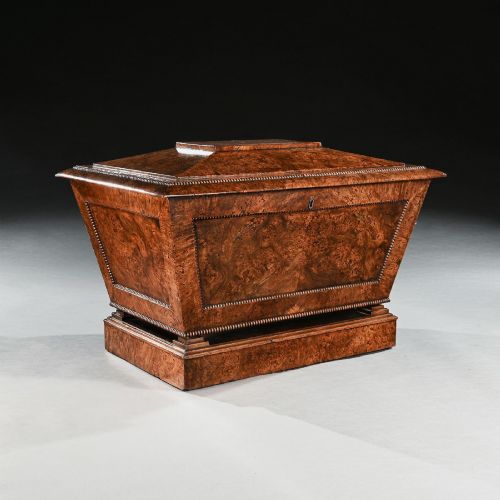
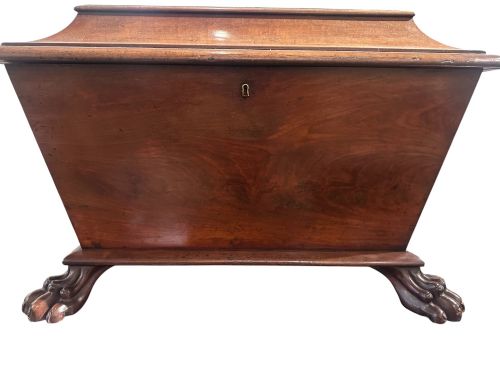
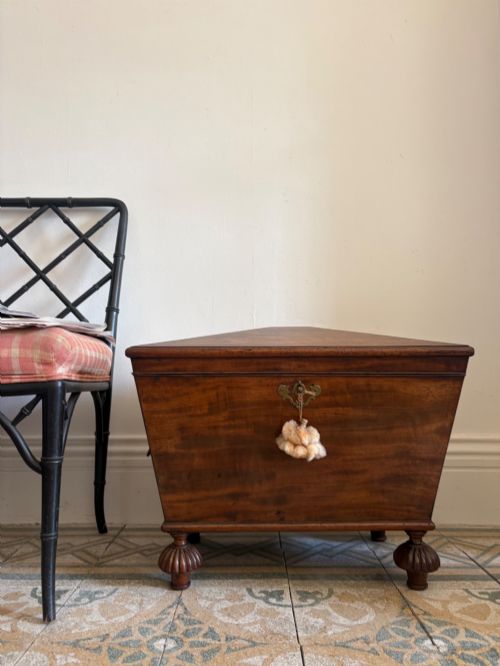
The most common examples on this page are mahogany cellarettes and sarcophagus-shaped wine coolers dating from the Georgian and Regency eras. These pieces often feature fitted interiors designed to cradle individual bottles securely.
How they were made
Cabinet makers utilised dense hardwoods such as mahogany, pollard oak, satinwood, and walnut to construct the main bodies of these chests. Flame mahogany veneer and boxwood inlay frequently adorn the exterior surfaces to create striking visual depth.
Internal fittings often incorporate lead linings to hold ice and water for chilling bottles, alongside metal or brass hardware including drop handles and hinged lifts. Joinery methods relied on sturdy dovetailing to withstand the heavy weight of stored liquid and timber.
Antique Wooden Wine Chest Retail Price Guide 2026
Typical asking prices for wooden wine chest among the pieces listed under this phrase on Sellingantiques today, from the lower quarter to the upper quarter. They describe what is for sale here now, not the wider market.
Listings feature examples spanning the 18th, 19th, and early 20th centuries, with particular concentration in the Georgian and Regency periods.
What varies in quality
The distinction between standard examples and the finest pieces rests on the choice of timber figuring and the subtlety of carved detail. Flame mahogany or pollard oak with a deep, rich patina commands higher regard than plain or unfigured boards.
Originality of internal components, such as lead liners and bottle dividers, elevates a piece significantly. Finer examples also display superior cabinet work, including crisp mouldings and well-preserved ormolu or brass mounts.
Gillingtons
The Antique Wooden Wine Chest Glossary
- Cellarette
- A lockable container or cabinet specifically designed to hold bottles of wine near the dining table. They frequently include lead-lined interiors for chilling.
- Sarcophagus
- A monumental coffin-like shape with a sloping lid and flared base, popular during the Regency period for wine coolers. This classical form lent architectural weight to dining spaces.
- Patina
- The deep gloss and surface character developed on aged wood through decades of handling, polishing, and exposure to light. Collectors value an undisturbed patina as a mark of age.
- Ormolu
- Gilt bronze mounts applied to furniture for decorative accent, often seen on Regency and French pieces. The technique involves applying a gold-mercury amalgam to bronze.
- Campaign chest
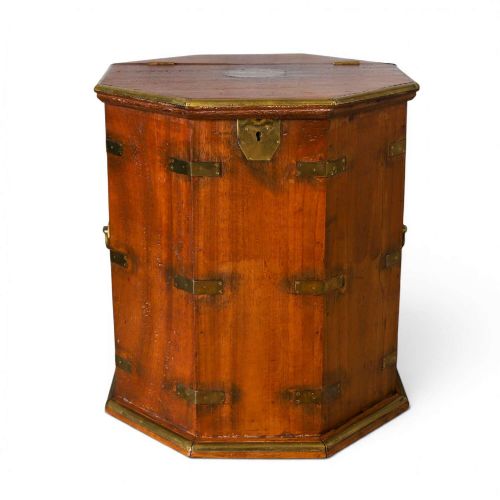
- A portable trunk made in sections with recessed brass handles and corner brackets, designed for military travel. Examples adapted for wine storage feature internal bottle compartments.
Antique Wooden Wine Chest: Frequently Asked Questions
What is a wine chest used for?
These chests were designed to store and cool wine bottles close to the dining table during formal meals. Inside, fitted compartments kept vintages organised while lead linings held ice.
Today, they serve equally well as side tables, cocktail cabinets, or decorative storage trunks in living spaces and studies.
How do I tell a Georgian chest from a Victorian one?
Georgian and Regency chests often display classical architectural motifs like paw feet, reeded columns, and sarcophagus outlines. Timbers tend to be richly figured flame mahogany or pollard oak.
Victorian pieces frequently adopt heavier proportions, darker finishes, and sometimes simpler rectangular trunk forms influenced by revival styles.
Are the lead linings original?
Many surviving chests retain their original lead interiors, which were soldered into place to hold melting ice for chilling bottles. These liners show authentic oxidation and wear from actual use.
Some pieces have had linings removed or replaced over the centuries to suit dry storage, which is common for items converted to general household use.
Can I use an antique wine chest as a coffee table?
Shorter box-style cellarettes and campaign chests adapt well as low tables or side stands in modern interiors. Their hinged lids provide convenient hidden storage for blankets or books.
Care should be taken to protect the polished wood top from moisture and heat rings by using appropriate coasters or trays.