

18th Century Mahogany Cellarette
An 18th century mahogany cellarette brings period pedigree and practical bottle storage to a dining room, holding wine at temperature.
18th Century Mahogany Cellarette
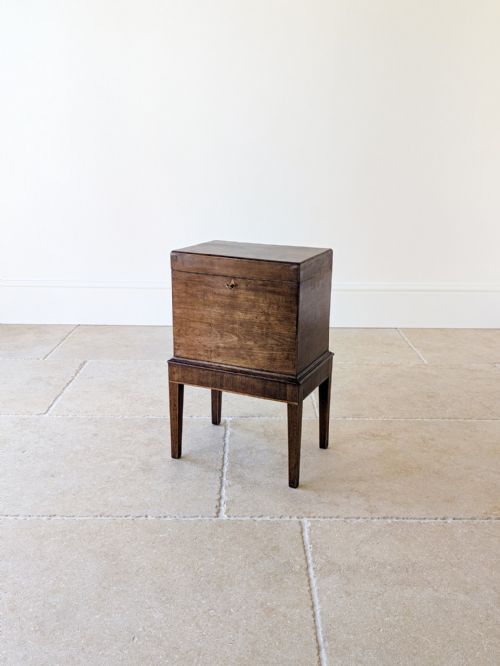
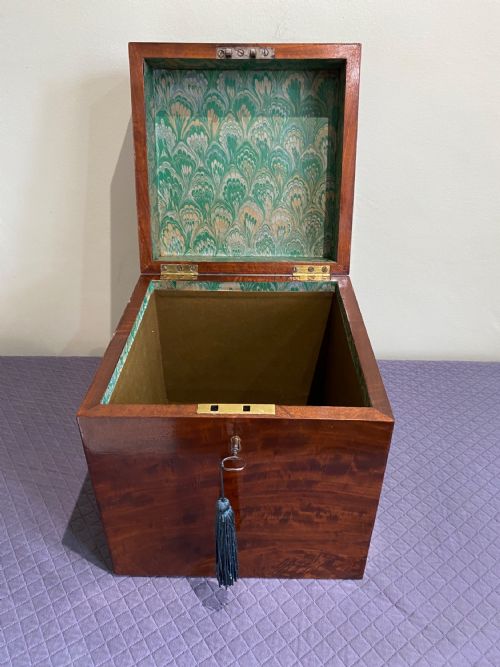
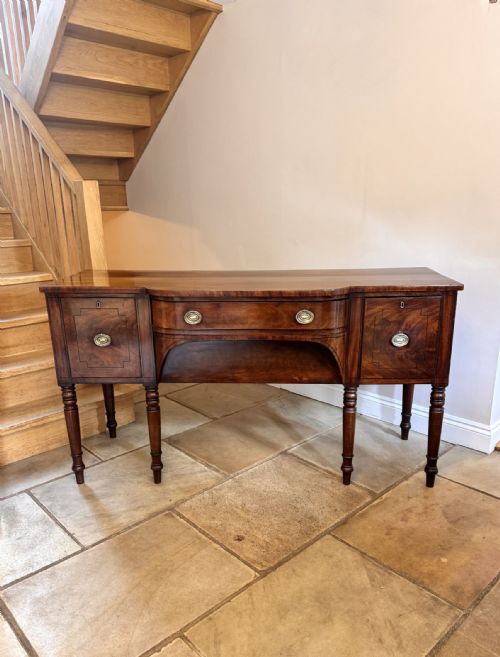
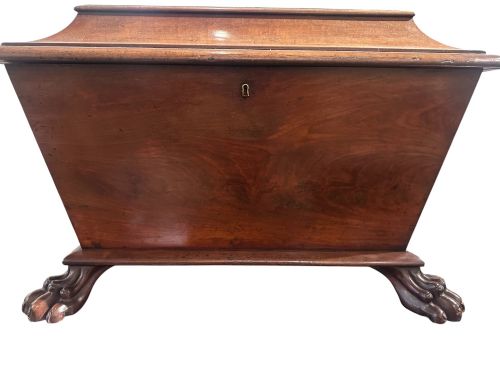
An 18th century mahogany cellarette is a dedicated timber container designed to hold wine bottles safely beneath the dining table or beside a sideboard. These pieces emerge chiefly from the Georgian and George III periods, spanning octagonal, oval, and rectangular forms.
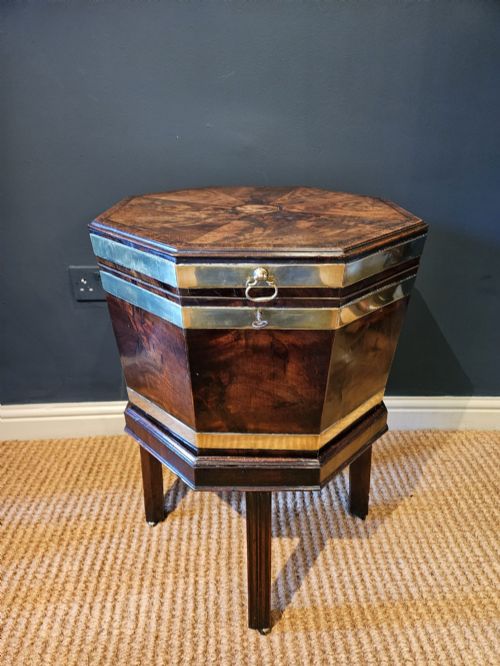
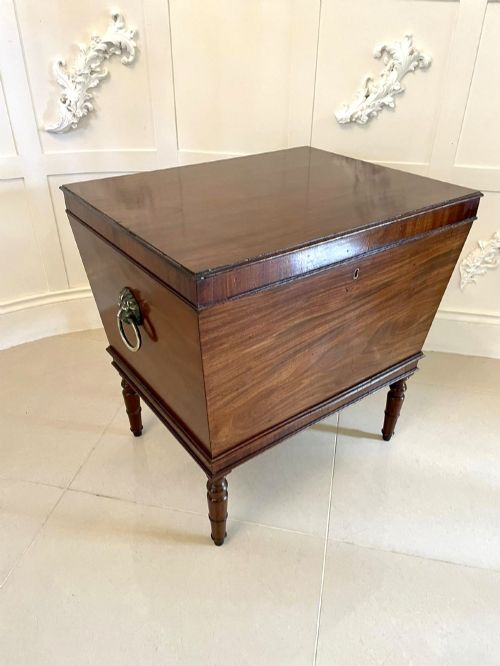
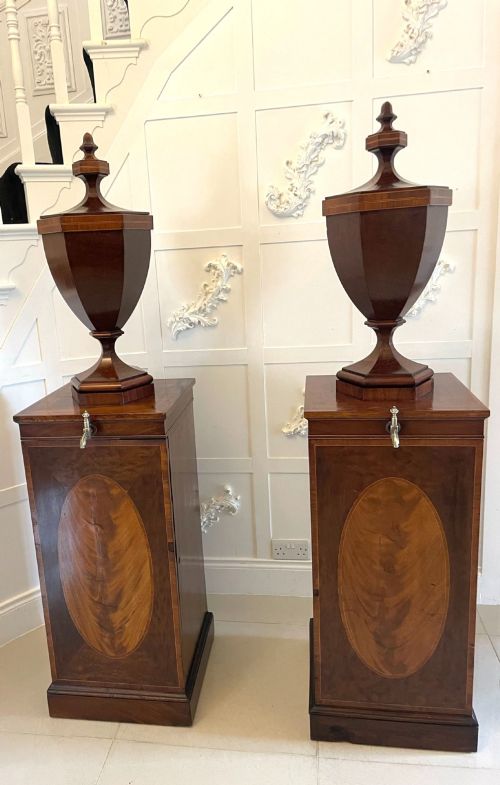
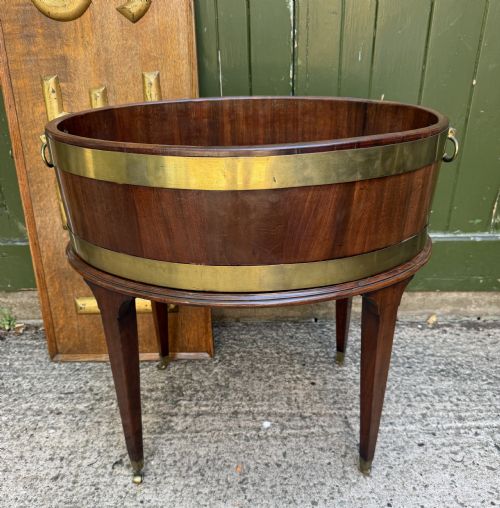
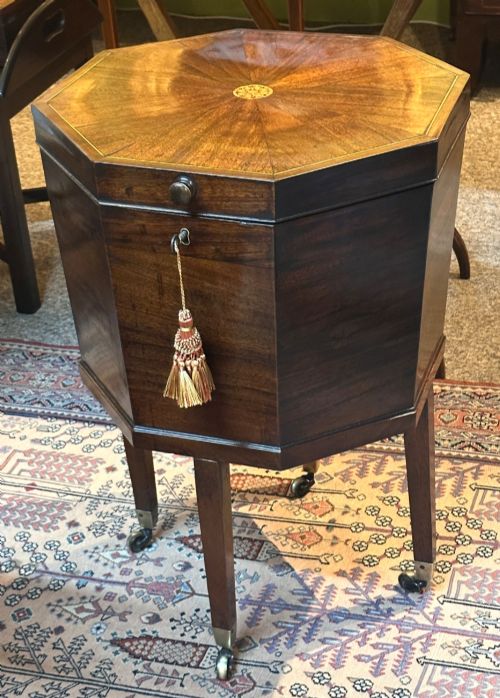
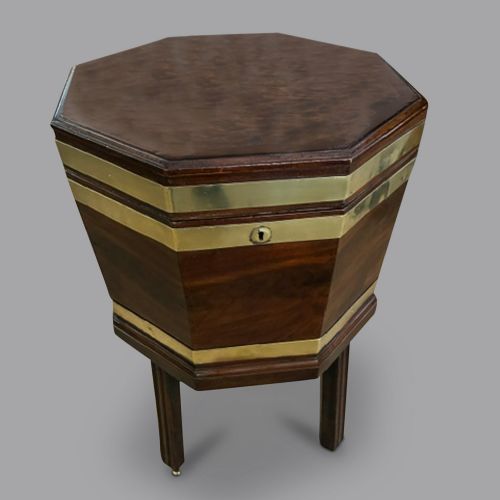
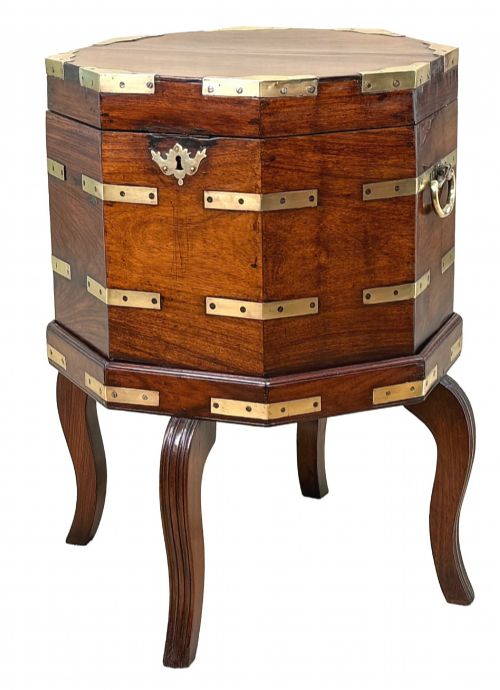
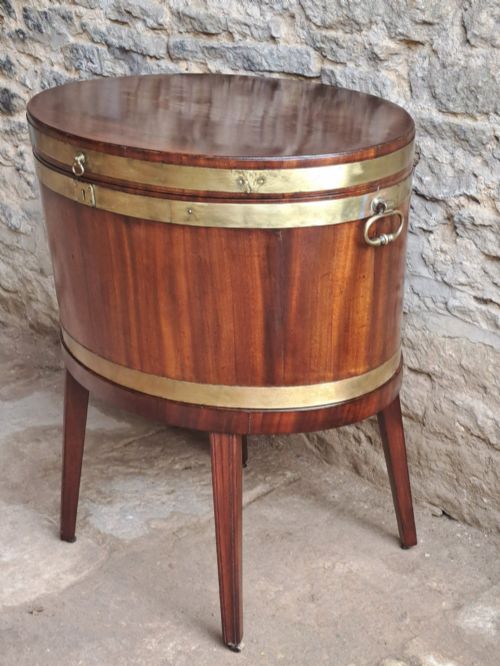
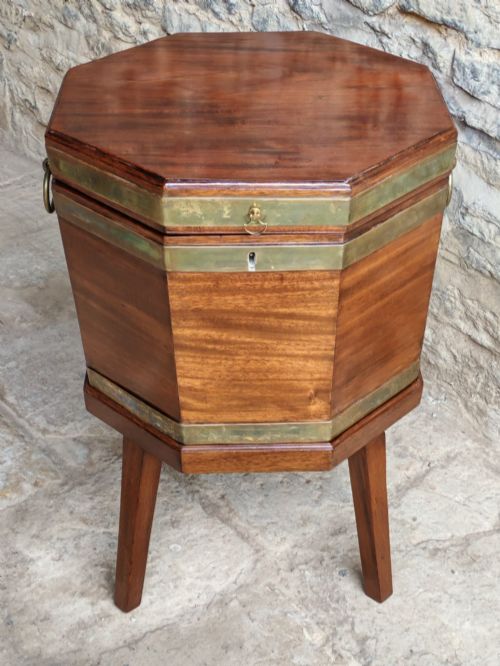
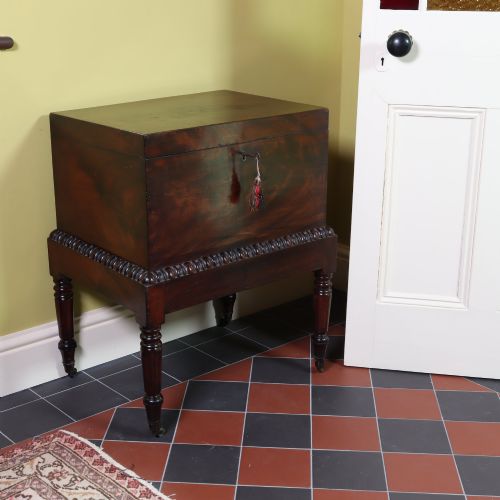
The version most frequently met on this page is the brass-bound octagonal or oval wine cooler resting on its own stand or short legs. Other iterations include flame mahogany boxes, pedestals with urns, and occasional Anglo-Indian padouk examples from the same era.
How they were made
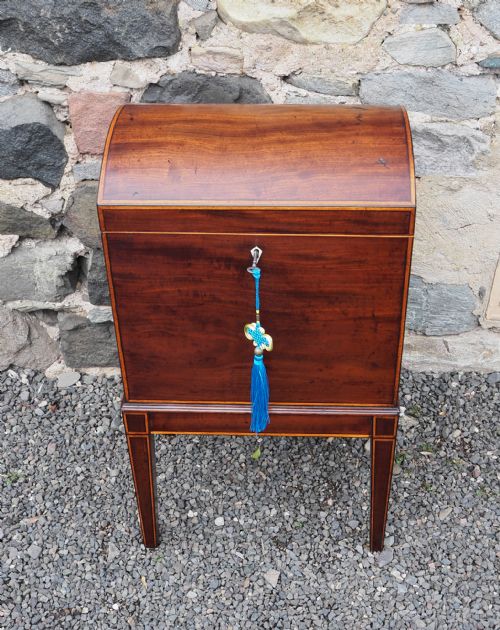
Cabinetmakers utilised dense tropical mahogany, frequently selecting figured or flame grains for the exterior surfaces. Boxwood inlay adds linear contrast to select panels, whilst walnut appears alongside the primary timber.
Cooperage techniques shaped the staves of octagonal and oval vessels, secured by heavy brass bands that encircled the body. Metal liners, zinc inserts, and glass components managed the ice and moisture required to chill bottles.
Several examples double as indoor jardinières for housing potted bush plants.
What varies in quality
The distinction between ordinary and exceptional examples rests in the selection of the mahogany veneer and the crispness of the brass fittings. Pieces retaining their original stands, handles, and internal divisions command greater consideration among collectors.
Patina and surface depth separate unrestored timber from over-finished items. The integration of boxwood inlay and the precision of the cooper's joints indicate the skill of the workshop.
The 18th Century Mahogany Cellarette Glossary
- Cellarette
- A lockable container used for storing wine bottles near the dining table. They evolved from simpler bottle boxes into substantial furniture pieces.
- Wine Cooler
- A vessel lined with metal or zinc to hold ice and cool wine during dining. Many share forms with cellarettes.
- Brass-Bound
- Fitted with structural metal hoops or bands that encircle the wooden body. This technique draws from traditional cooperage.
- Flame Mahogany
- Timber cut from the fork of the mahogany tree to produce a distinctive flickering flame pattern. It decorated high-status Georgian furniture.
- Padouk
- An exotic hardwood encountered in Anglo-Indian colonial pieces. It possesses a deep reddish hue similar to mahogany.
18th Century Mahogany Cellarette: Frequently Asked Questions
What is an 18th century mahogany cellarette?
It is a specialised wooden box or tub built to store and cool wine bottles during the Georgian period.
Cabinetmakers constructed them from dense mahogany, frequently adding brass bands and lead or zinc linings.
How were these wine coolers used?
Servants placed ice and bottles inside the lined interior to keep wine chilled before serving at the dining table.
They stood on the floor or on dedicated stands, keeping heavy glass bottles close to hand during long meals.
How do I date a Georgian cellarette?
Dating relies on stylistic shifts from mid-century forms towards George III neoclassical designs and Sheraton proportions.
Evidence of boxwood inlay, oval shapes, and brass binding typically points to the later decades of the eighteenth century.
Can I use an antique cellarette today?
Many owners utilise them as plant stands, jardinières, or contemporary magazine holders beside a modern sofa.
Their robust timber construction accommodates modern domestic functions while retaining period character.