

Mahogany Wine Box
A mahogany wine box keeps bottles secure and cool, offering traditional storage for any dining room.

What mahogany wine boxes are
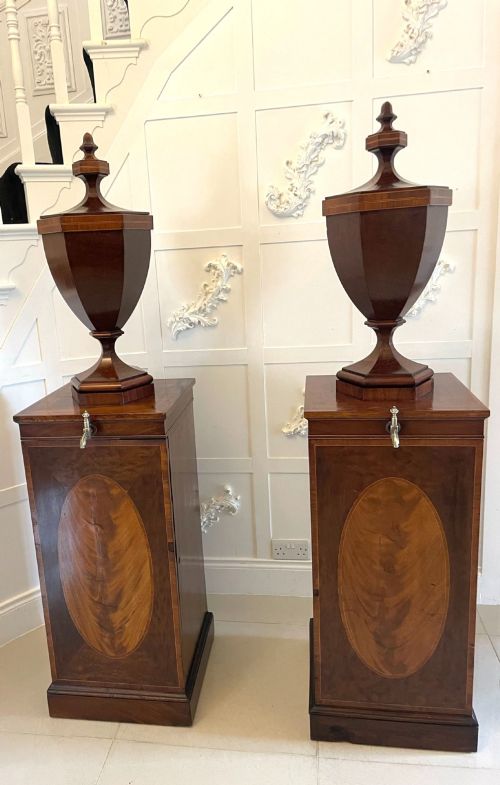
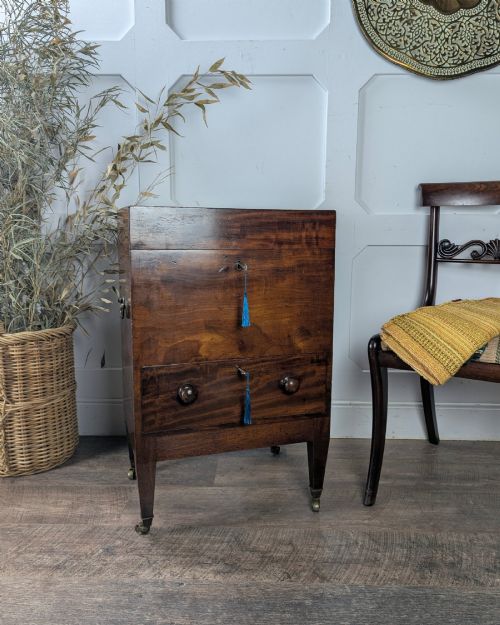
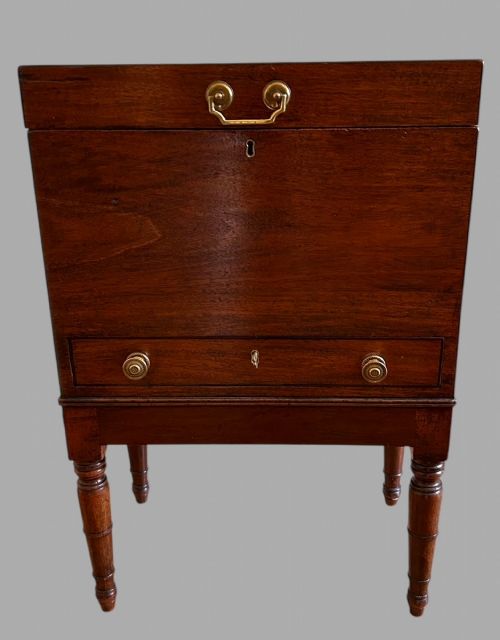
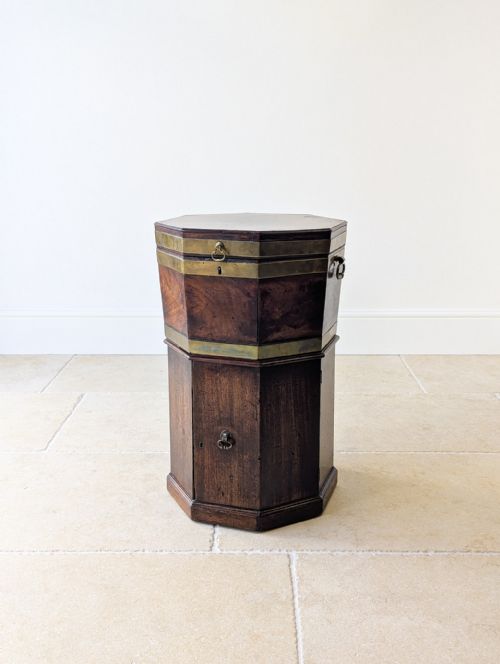
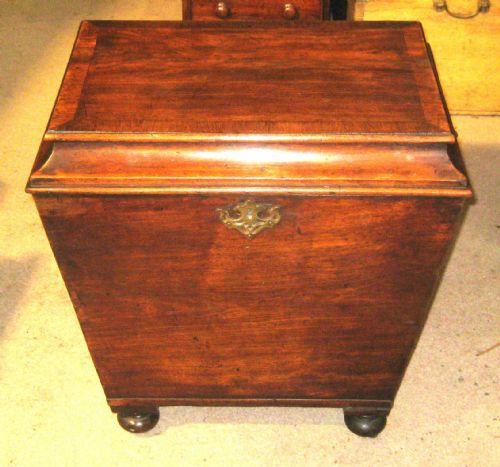
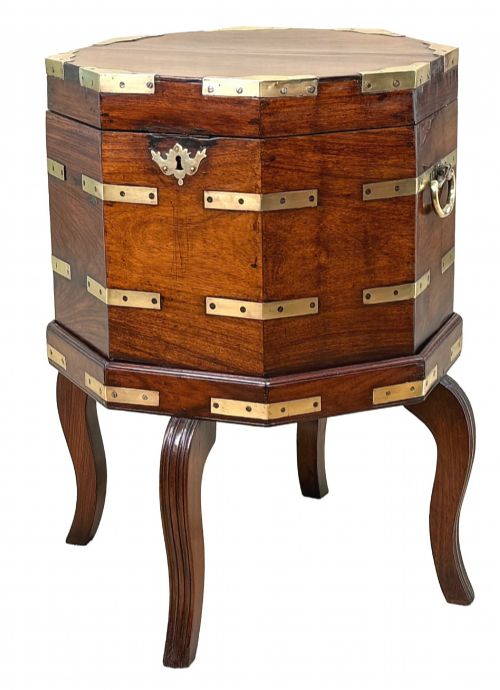
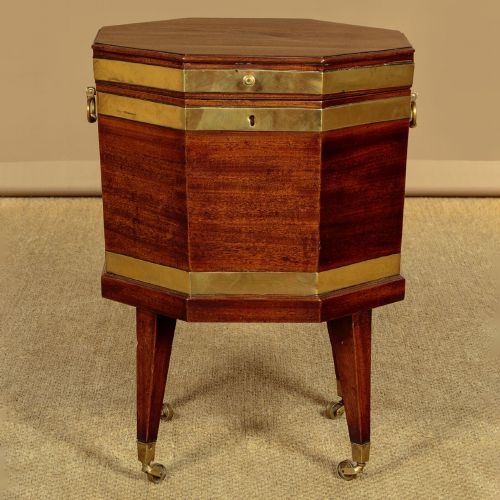
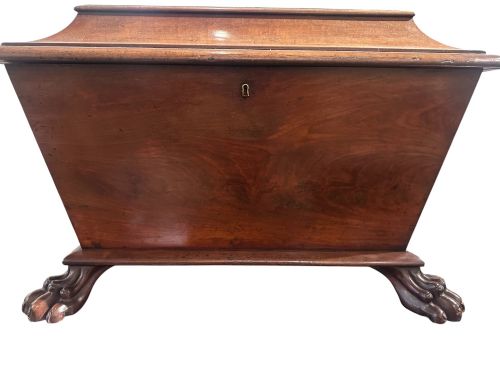
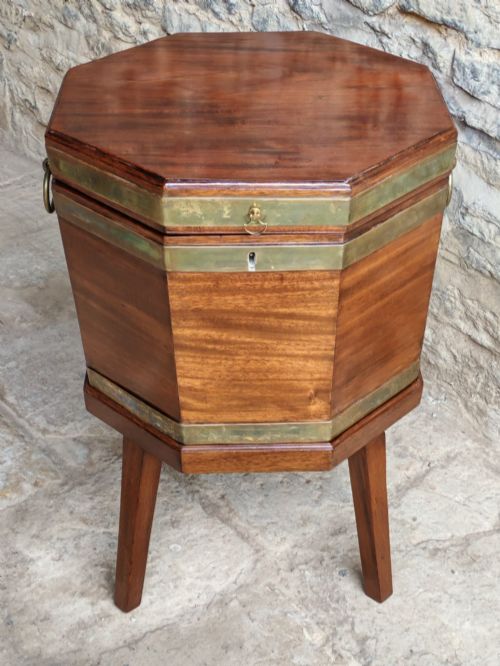
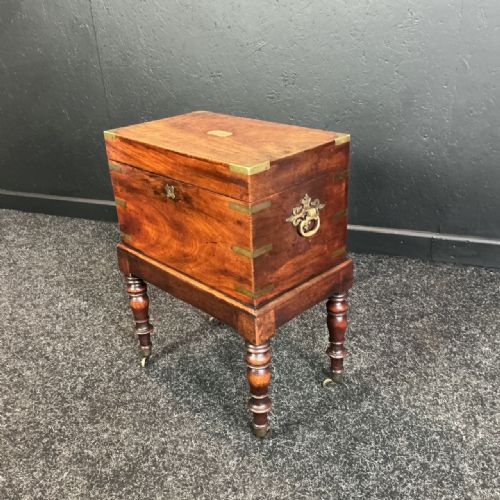
A mahogany wine box serves as a portable or stationary container for bottles, encompassing forms known as cellarettes and wine coolers. Buyers examining this category encounter pieces from the Georgian, Regency, and Edwardian periods.
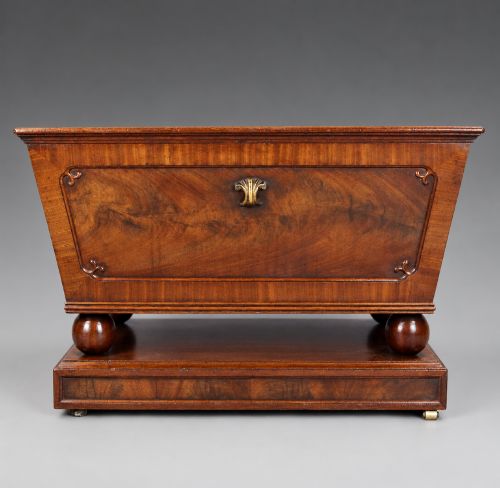
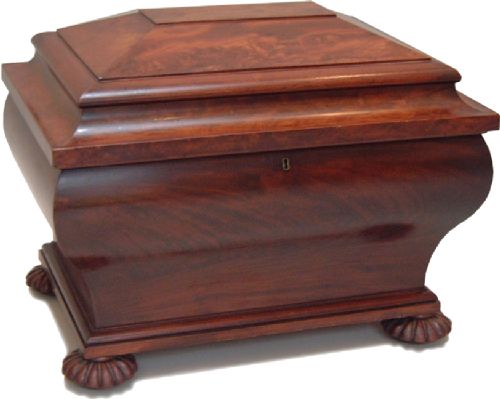
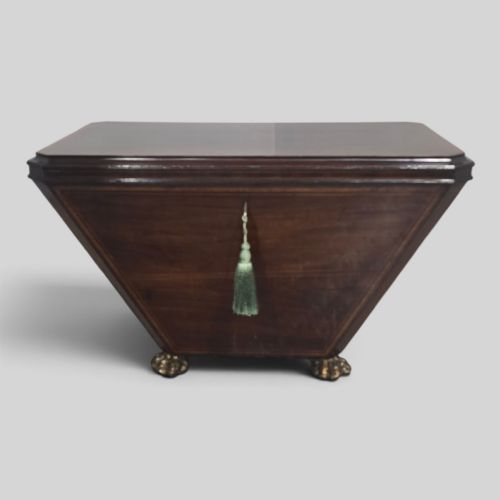
The items listed span simple storage boxes to large sarcophagus-shaped coolers, occasionally mounted on stands or finished with boxwood and satinwood inlay. Most examples date from the nineteenth century, including specific pieces from the George III and Sheraton design traditions.
Origins include English and Scottish workshops, reflecting the formal dining habits of past centuries. The selection bridges functional bottle storage and decorative cabinet-making.
How they were made
Cabinet-makers built these boxes using solid timber and veneers, frequently selecting flame mahogany and figured mahogany for the primary surfaces. Grain patterns were matched across lids and sides to create visual depth.
Construction incorporated brass fittings such as carrying handles, hinges, and escutcheons, alongside delicate boxwood inlay. Internal compartments were lined or fitted to hold individual bottles securely in place.
Retail Price Guide 2026
Typical UK retail prices for mahogany wine box, calculated from the Sellingantiques database of over a million retail prices indexed since 2003. This retail price guide relies exclusively on Sellingantiques data; no external sources or auction records are used, so the figures do not describe the wider market.
Some boxes kept the servants honest with sturdy locks, ensuring the household wine stayed accounted for.
What varies in quality
The refinement of the timber selection dictates the visual standing of each piece, with strongly figured flame mahogany commanding greater attention than plain boards. Subtle details such as fine boxwood and satinwood stringing separate standard utility boxes from high-status furniture.
Original hardware, including heavy cast brass handles and functional locks, preserves the integrity of the piece. The scale of the box, ranging from compact wine boxes to large sarcophagus cellarettes, determines its presence in a room.
The Mahogany Wine Box Glossary
- Cellarette
- A lockable container or box designed to hold bottles of wine or spirits near the dining table. They often feature internal dividers and robust carrying handles.
- Sarcophagus
- A monumental cabinet shape with a domed lid and tapered sides, popular during the Regency period for large wine coolers. This architectural form mimics ancient stone tombs.
- Flame mahogany
- A veneer cut from the fork of the mahogany tree where branches meet the trunk, producing a rippled, flame-like pattern. Furniture makers utilised this timber for decorative impact on primary surfaces.
- Boxwood inlay
- Narrow strips of pale boxwood inserted into grooves in the darker mahogany surface to create geometric borders or decorative motifs. This technique highlights the craftsmanship of Sheraton design.
Frequently Asked Questions
What is a mahogany wine box used for?
These boxes provided secure storage for wine and spirits in the dining room before fitted cellars became common.
Today they function as decorative side tables or storage containers for bottles and tableware.
How do I tell a Regency cellarette from an Edwardian one?
Regency pieces often display bold mahogany grains, brass lion-paw feet, and classical architectural forms like the sarcophagus.
Edwardian examples frequently incorporate lighter inlaid stringing and reflect revival styles of earlier eras.
Are these boxes lined for ice?
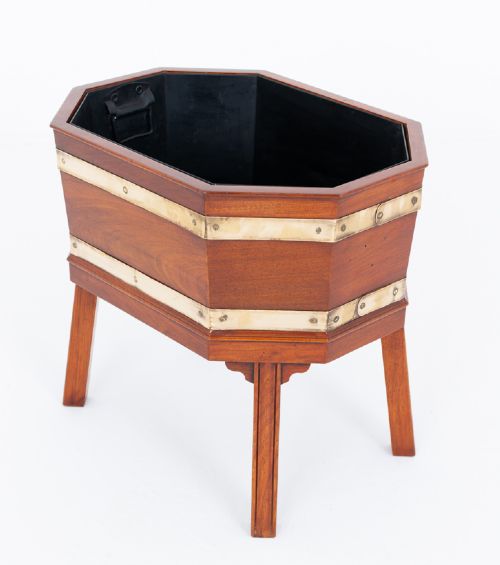
Some larger wine coolers and cellarettes feature lead or zinc linings designed to hold ice for chilling bottles.
Smaller wine boxes lack these linings and served purely for dry bottle storage and security.
Where were these pieces made?
The recorded examples originate primarily from English and Scottish cabinet-making workshops.
Regional variations appear in the choice of inlay woods and structural proportions.