

Antique Cellarette Box
An antique cellarette box is a sturdy storage piece designed to keep bottles cool or secure, and collectors prize them for their rich timbers and period craftsmanship.
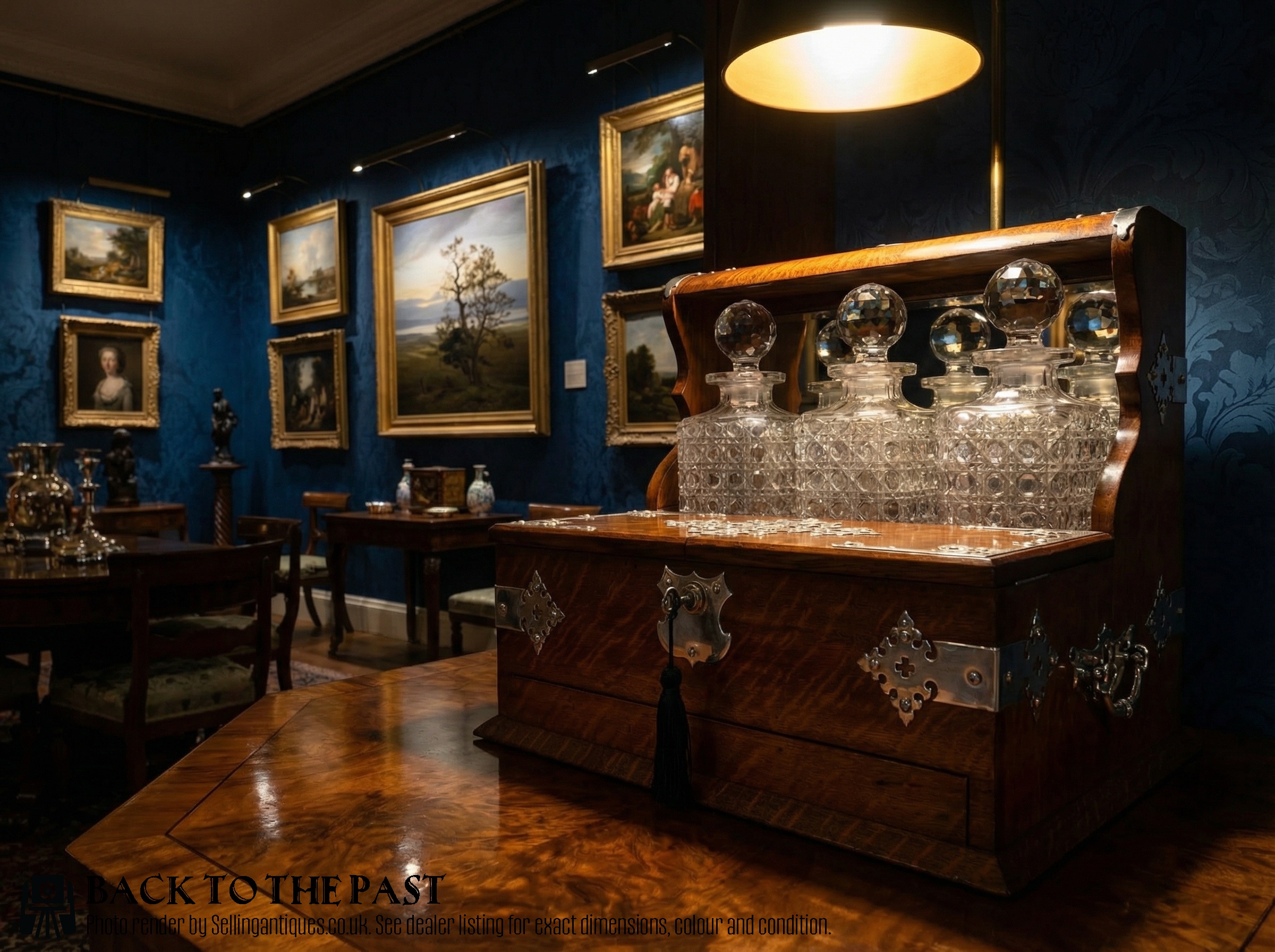
Antique Cellarette Box
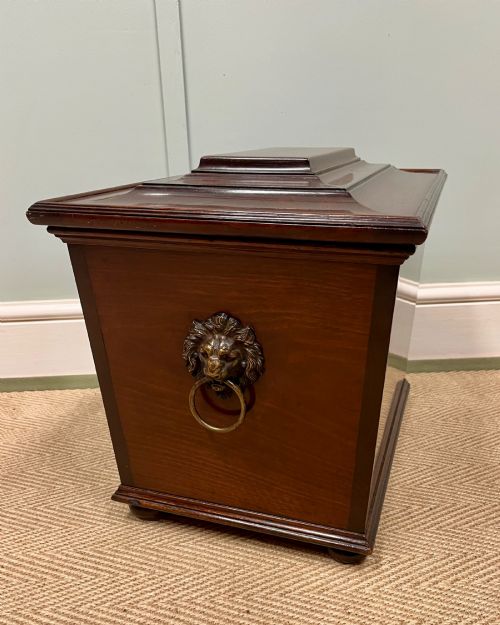
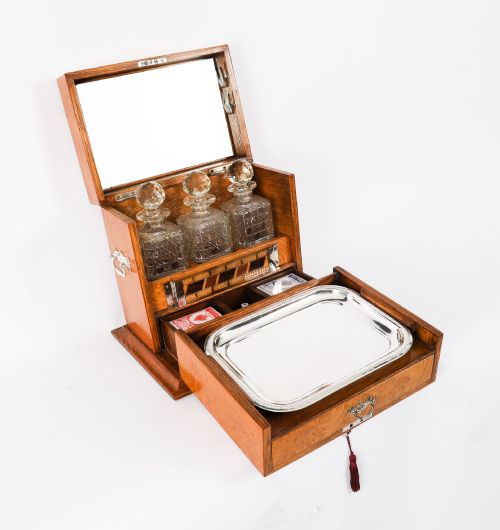
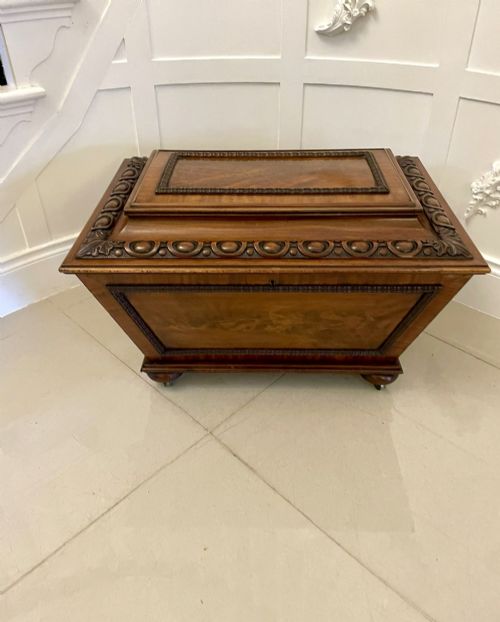
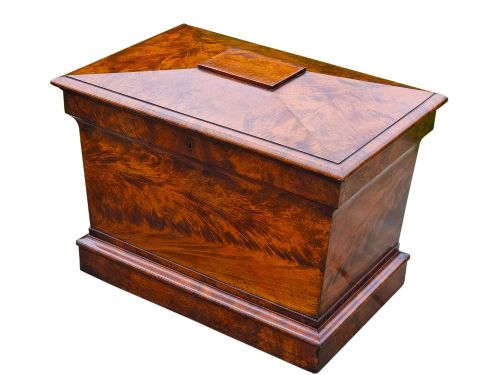
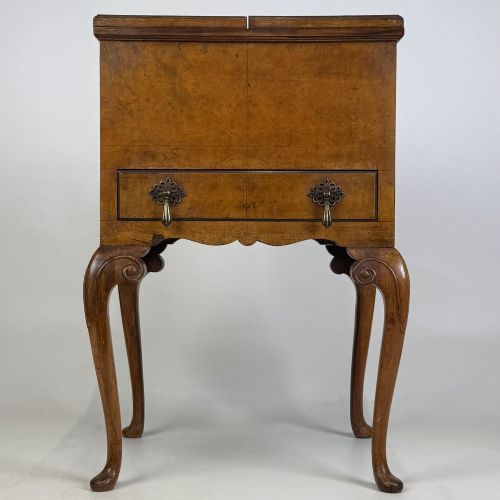
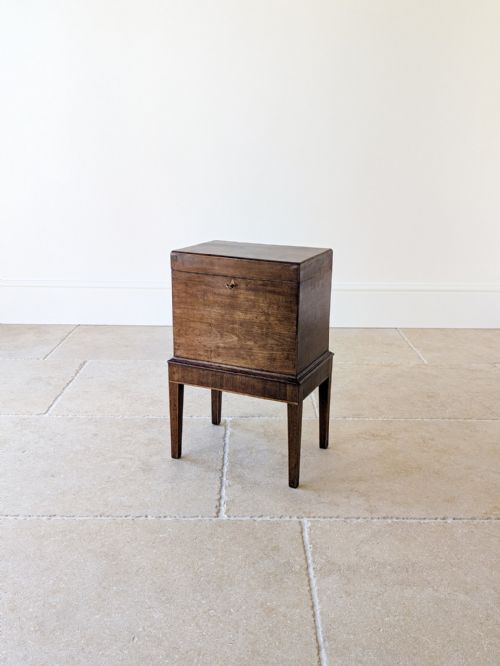
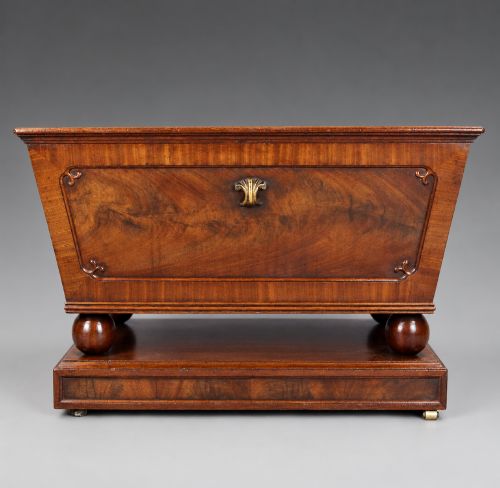
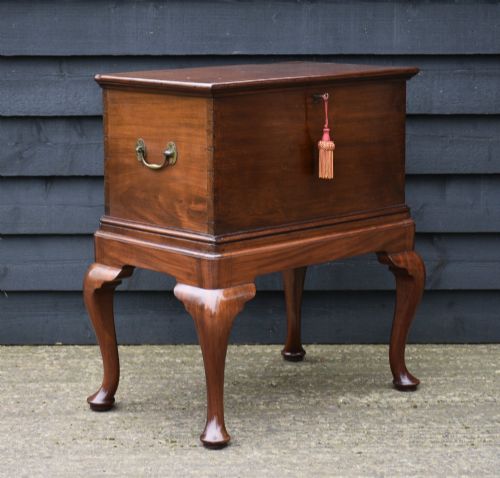
An antique cellarette box functions as a specialised container for wine and spirits, evolving from simple floor-standing boxes to elaborate sarcophagus forms on stands. The pieces seen here span the Georgian, Regency, and Victorian eras, alongside Edwardian and later interpretations.
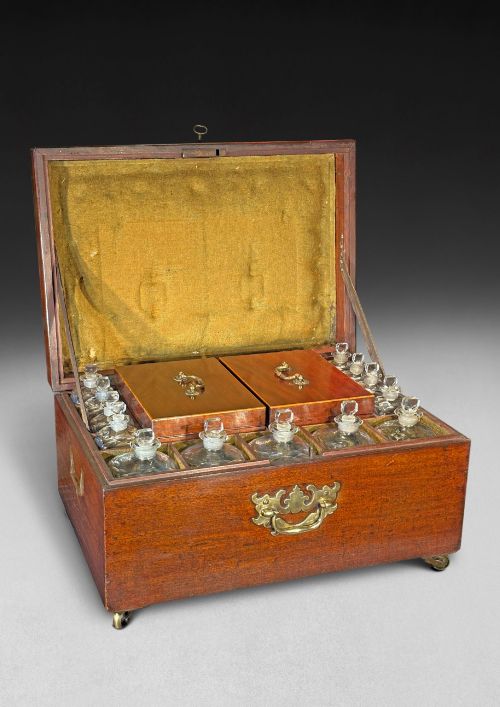
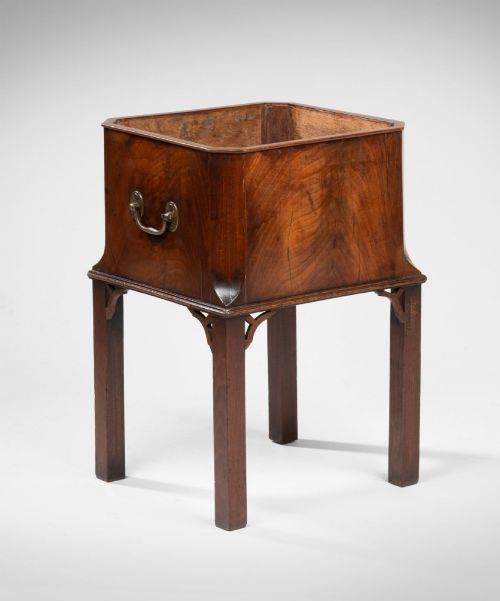
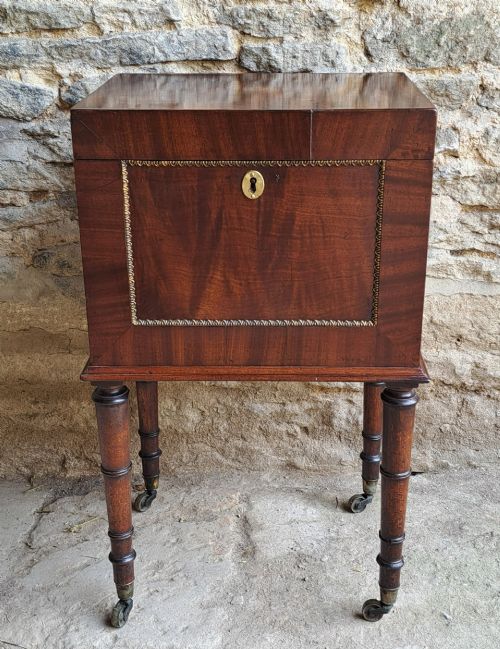
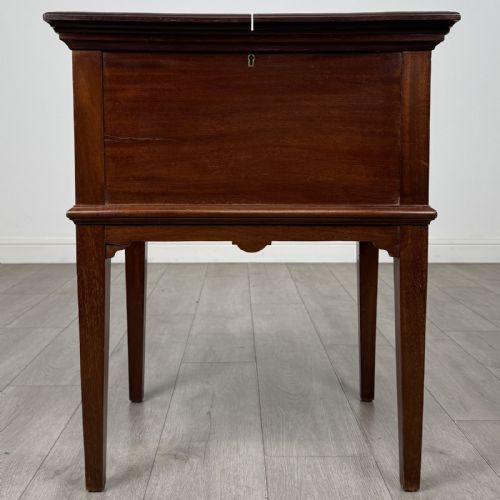
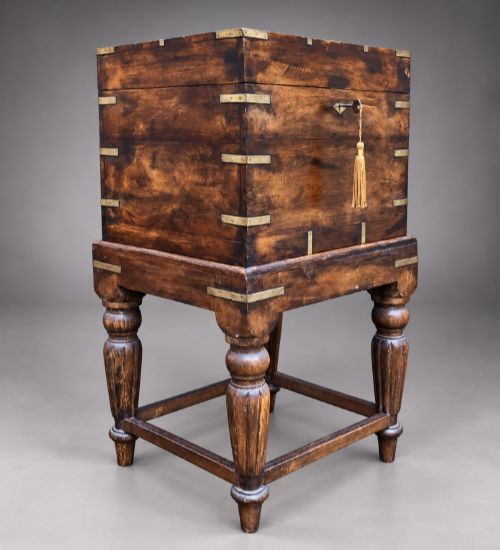
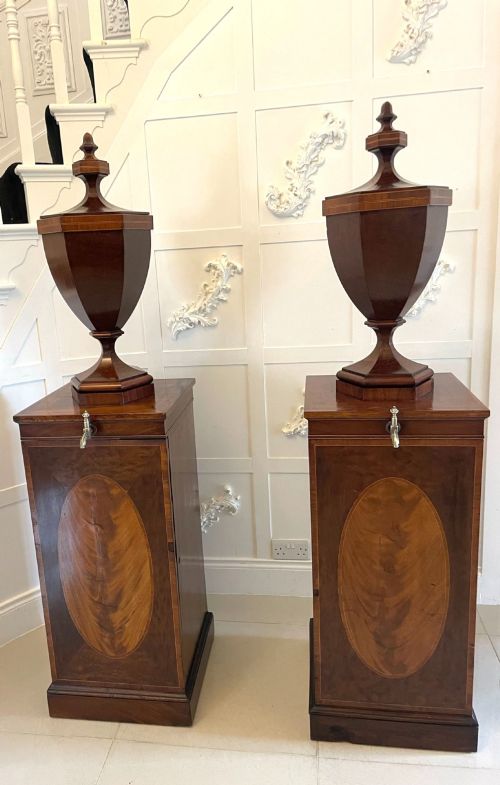
Buyers frequently encounter mahogany wine coolers and octagonal or oval boxes fitted with internal compartments. Certain examples incorporate brass banding, stands, or pedestals, reflecting the dining customs of the eighteenth and nineteenth centuries.
Materials and Construction
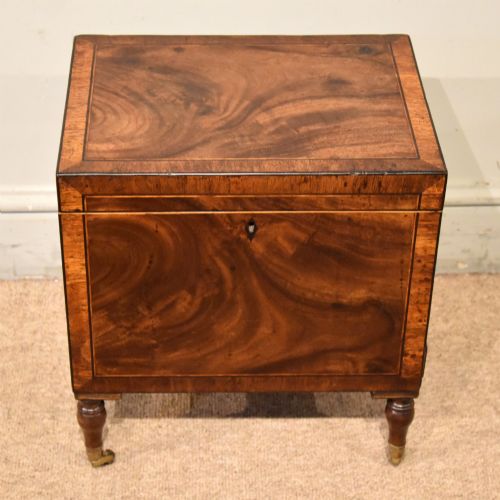
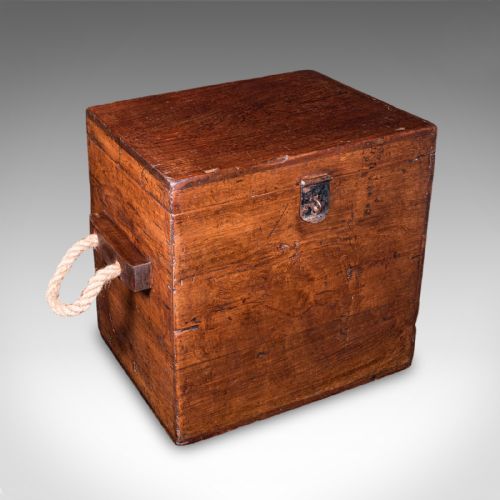
Cabinetmakers relied heavily on solid and veneered mahogany, frequently selecting flame mahogany, satinwood, and pollard oak to achieve varied grain patterns. Metal elements such as brass mounts, carrying handles, and internal lead linings provided both structural reinforcement and functional utility for ice and bottles.
Inlay work utilising boxwood and kingwood added linear detail to panels and lids, while joinery techniques ensured stability for heavy contents. Original stands and internal bottle dividers demonstrate the precise carpentry expected of period workshops.
Antique Cellarette Box Retail Price Guide 2026
Typical asking prices for cellarette box among the pieces listed under this phrase on Sellingantiques today, from the lower quarter to the upper quarter. They describe what is for sale here now, not the wider market.
Certain boxes hid the claret so securely that guests needed a designated drinks butler to unlock the indulgence.
Judging Quality
The distinction between standard examples and superior pieces rests on the choice of timber and the crispness of the carving or inlay. Highly figured veneers, intact lead linings, and original matching stands elevate a piece significantly.
Proportion and the retention of original surface patination dictate desirability among collectors. Subtle details such as quality brass hardware and well-preserved internal dividers separate ordinary storage boxes from exceptional examples.
Edwards and Roberts·Gillingtons
The Antique Cellarette Box Glossary
- Cellarette
- A lockable box or cabinet designed to hold wine bottles and decanters near the dining table. They often feature interior partitions and linings.
- Sarcophagus
- A monumental container shape featuring a domed or sloping lid, popular for Regency wine coolers. This classical form mimics ancient stone tombs.
- Tantalus
- A locking beverage stand that displays decanters while preventing unauthorized access to the contents. They typically incorporate a metal security bar.
- Patina
- The surface sheen and colour developed by wood over decades of handling and polishing. This ageing process indicates genuine period use.
- Padouk
- A dense tropical timber valued for its reddish hue and durability, seen in certain Anglo-Indian pieces. Craftsmen used it for robust colonial furniture.
Antique Cellarette Box: Frequently Asked Questions
What is an antique cellarette box?
An antique cellarette box is a specialised container built to hold wine bottles, decanters, and spirits near the dining table. These pieces kept beverages secure and accessible during meals.
Craftsmen constructed them in various forms, including octagonal boxes, sarcophagus shapes, and chests on dedicated stands. Their primary function was to manage wine storage before fitted dining room sideboards became common.
How were cellarettes used?
Servants placed wine bottles inside the box, often packing them with ice or cold water in a lead-lined compartment to lower the temperature. Locks on the lids prevented household staff or guests from accessing the spirits without permission.
Beyond dining rooms, travellers utilised campaign versions for portable storage during journeys. Over time, many transitioned into general decorative boxes or games compendiums.
How do I identify a Regency cellarette?
Regency examples frequently display classical architectural motifs, bold brass lion-paw feet, and heavy mahogany or pollard oak timbers. Sarcophagus forms with bold curves and recessed paneling are characteristic of this period.
Look for interior lead linings and robust ring handles designed for lifting the heavy box. The joinery and timber selection generally align with furniture produced during the early nineteenth century.
Where should I place a wine cooler?
These boxes function effectively as standalone decorative tables or lamp stands in reception rooms and hallways. Their sturdy tops and substantial proportions make them suitable surfaces for displaying objects.
Keep wooden pieces away from direct heat sources and strong sunlight to protect the polished mahogany or satinwood surfaces. Allowing clearance around the box ensures its brass handles and feet remain visible.