

Wooden Wine Cooler
These wooden wine cooler pieces are traditional serving vessels prized for holding bottles at table, offering rich timber grains and period presence.
Wooden Wine Cooler
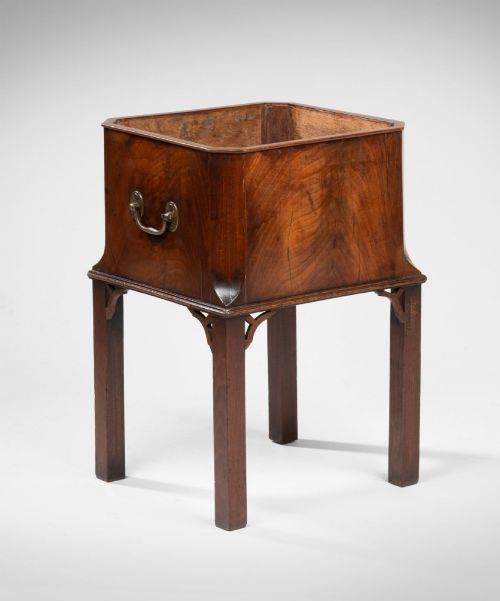
A wooden wine cooler serves as a practical vessel for chilling and presenting bottles during dining. When exploring wooden wine cooler examples, buyers encounter robust forms designed to hold ice and wine alongside related bucket and planter shapes.
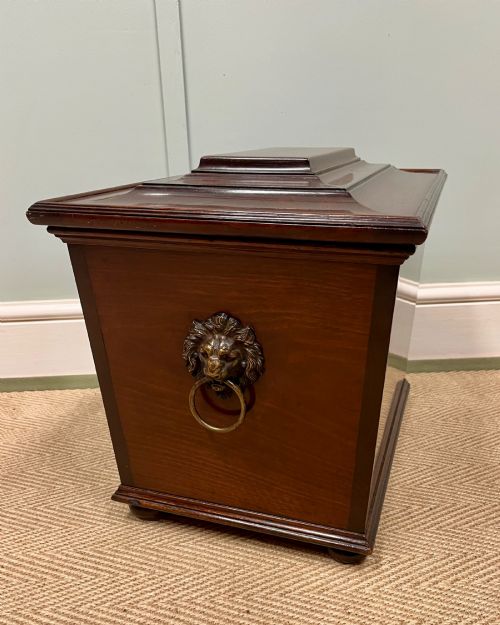
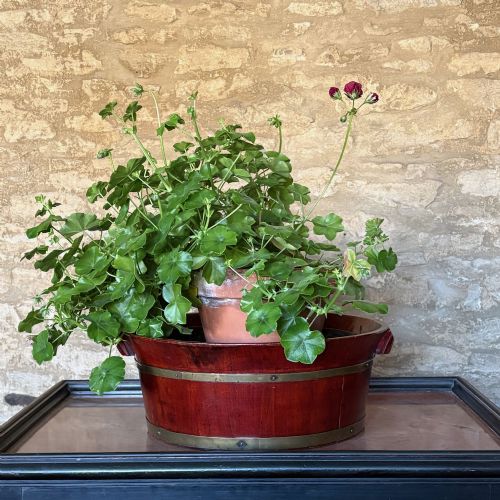
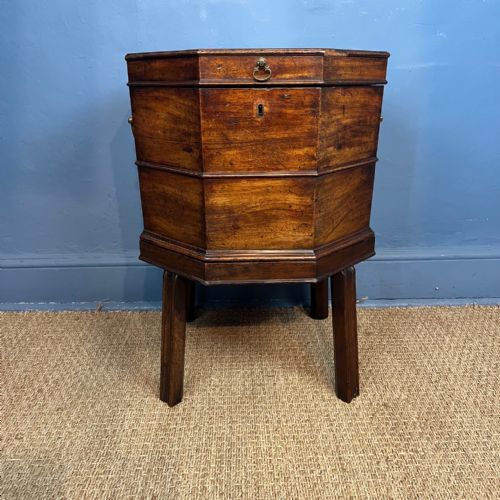
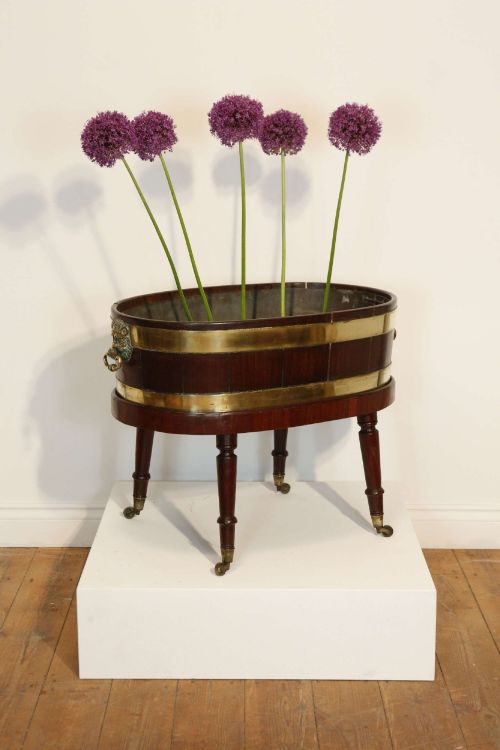
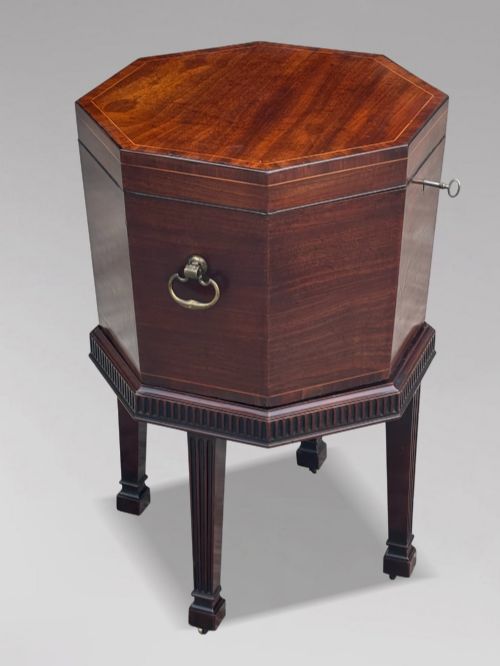
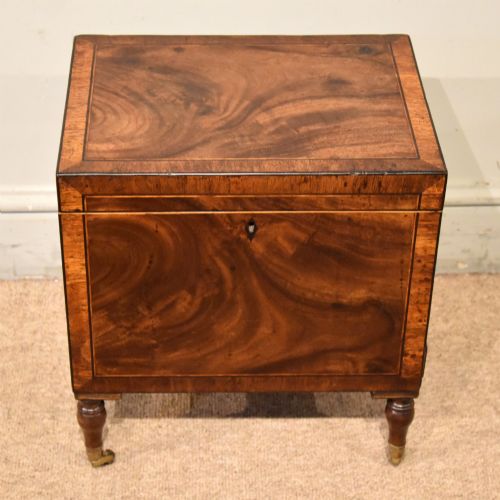
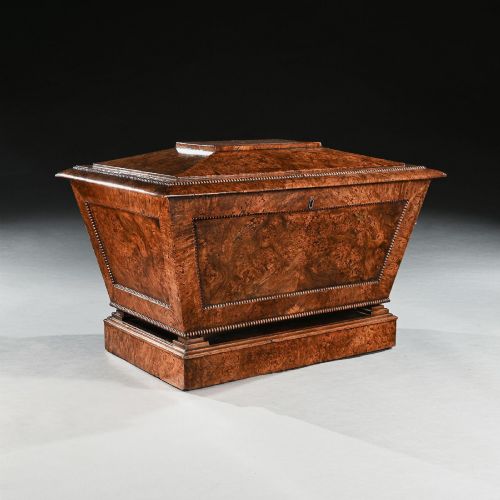
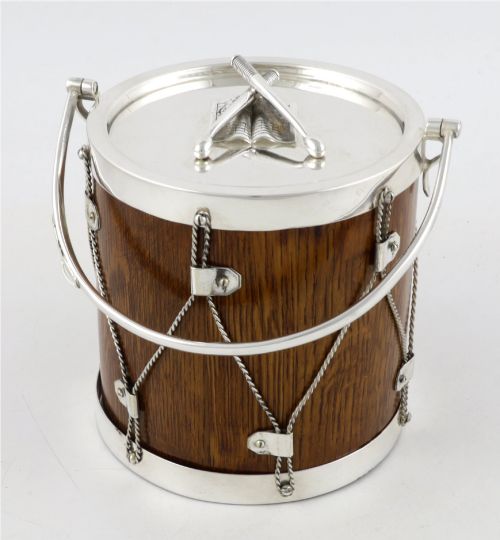
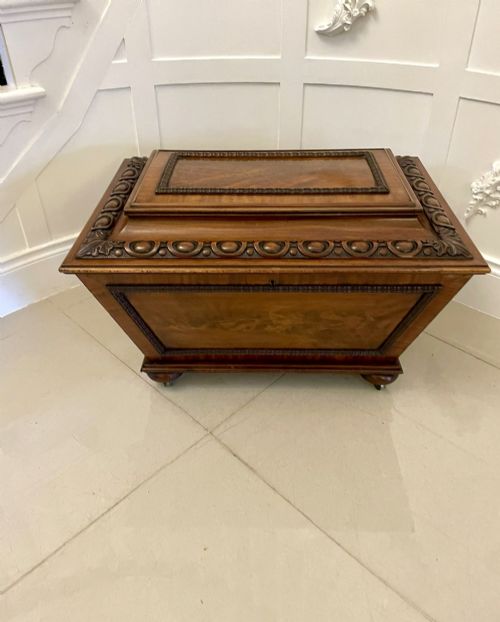
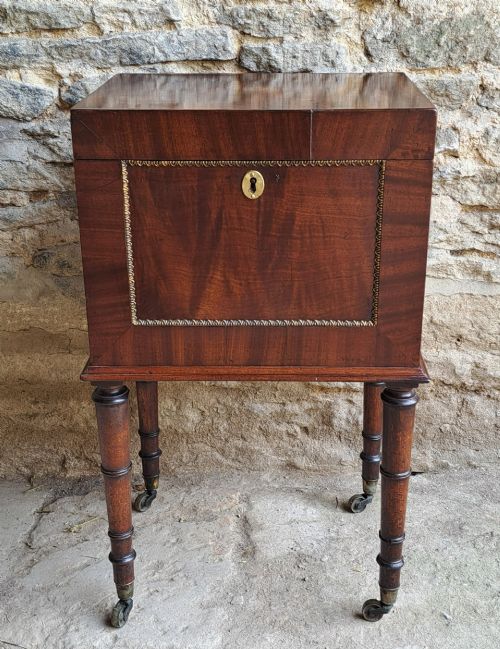
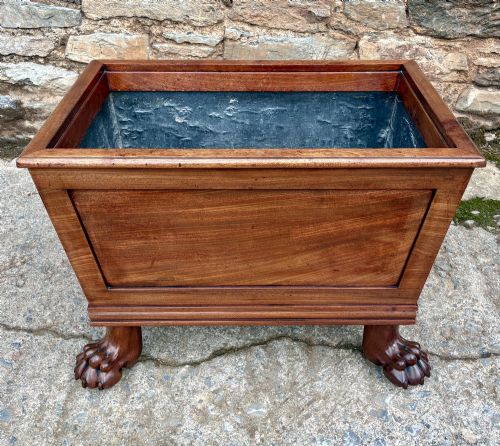
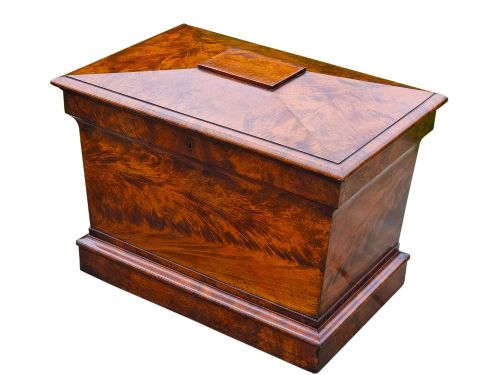
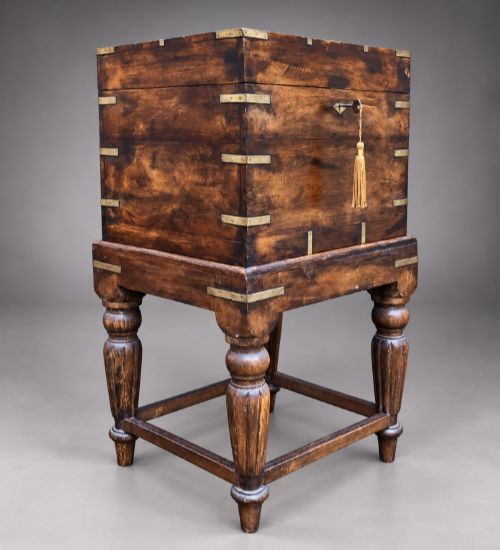
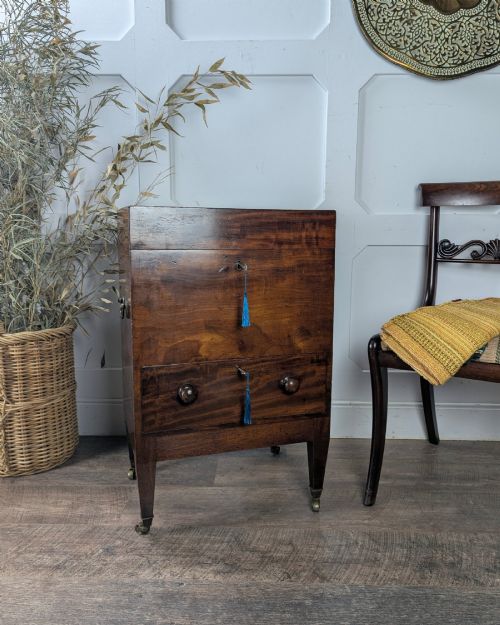
The selection ranges across several distinct eras, spanning Regency, Georgian, and Edwardian periods. Pieces often manifest as sarcophagus shaped wine coolers, cellarettes, or coopered tea stove buckets.
Origins and styling reflect diverse influences including Dutch traditional and Dutch colonial aesthetics. These variations provide distinct silhouettes ranging from heavy lidded sarcophagus chests to stave constructed stoved buckets.
How they were made
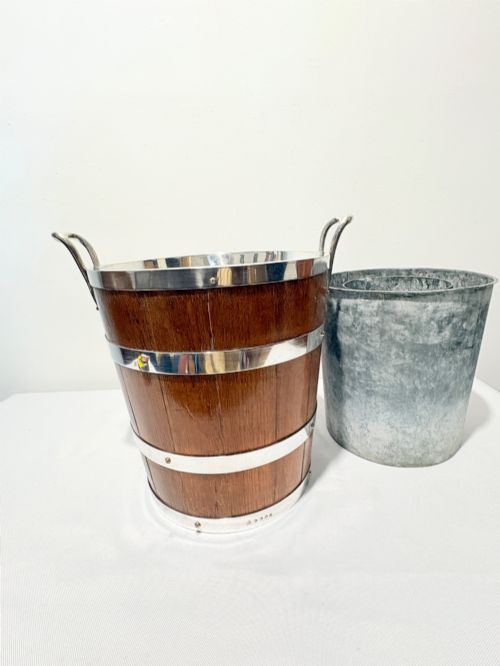
Construction relies heavily on traditional coopered wood techniques where curved staves are bound together to form deep cylindrical or bucket bodies. Cabinetmakers shaped these vessels from dense timbers such as mahogany, walnut, oak, and ebonised wood.
Metal components play a structural and decorative role, incorporating brass bands, liners, and mounts to reinforce the timber structures. Ebony detailing and contrasting inlays provide surface refinement on selected Dutch and English pieces.
Wooden Wine Cooler Retail Price Guide 2026
Typical asking prices for wooden wine cooler among the pieces listed under this phrase on Sellingantiques today, from the lower quarter to the upper quarter. They describe what is for sale here now, not the wider market.
Tea stove buckets doubled as warming devices by holding hot peat blocks beneath domestic tea equipment.
What varies in quality
Quality separates through the selection of timber and the precision of the cooperage. Finely figured mahogany and rich walnut grains elevate the visual presence of a sarcophagus cellarette.
The integrity of the construction and the fidelity of period styling determine distinction. Sharply defined brass work and well-preserved staves mark out superior examples.
Lister and Co
The Wooden Wine Cooler Glossary
- Cellarette
- A lockable container used for storing wine bottles near the dining table. They frequently take robust sarcophagus or chest forms.
- Coopered
- Built using wooden staves joined side by side and bound with hoops, a technique standard in barrel and bucket making.
- Sarcophagus
- A monumental chest form with a sloping lid, popular during the Regency period for large wine coolers.
- Jardiniere
- An ornamental pot or receptacle for holding plants or flowers, sharing construction methods with period buckets.
- Ebonised
- Wood treated with a finish to imitate expensive ebony. This dark staining technique appears on nineteenth-century Dutch pieces.
Wooden Wine Cooler: Frequently Asked Questions
What is a cellarette?
A cellarette is a large formal container designed to hold wine bottles near the dining table.
These pieces often feature heavy timber construction and secure lids to protect the contents.
How do I date a wine cooler?
Dating relies on examining the timber species, construction methods, and stylistic cues like Regency sarcophagus shapes.
Period markers also include brass hardware details and the specific type of coopered joinery used.
Where were these placed?
These vessels stood directly on the floor or dining room surfaces close to the table during formal meals.
Their substantial weight and decorative timber finishes suited grand domestic dining interiors.
What are coopered buckets?
Coopered buckets are assembled from vertical wooden staves fitted tightly together with metal or wood bands.
This historic method created watertight or sturdy containers for peat, tea, plants, or ice.