

Mahogany Sarcophagus Chest
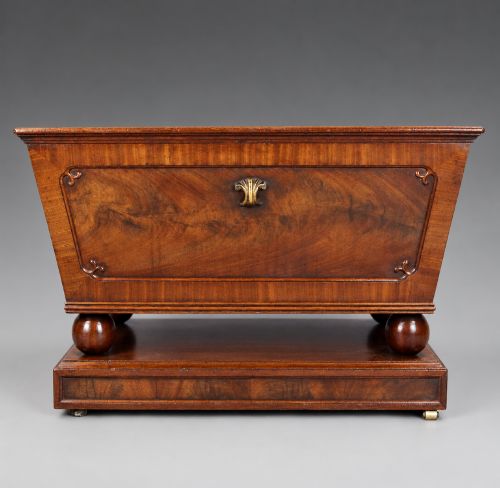
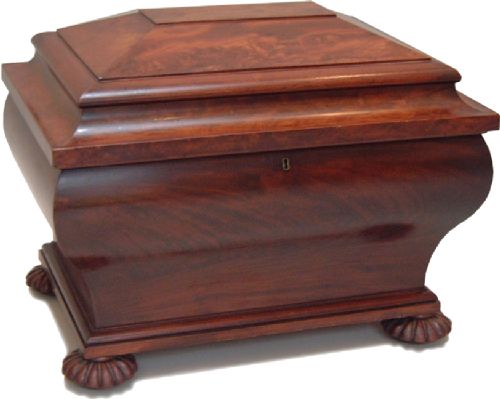
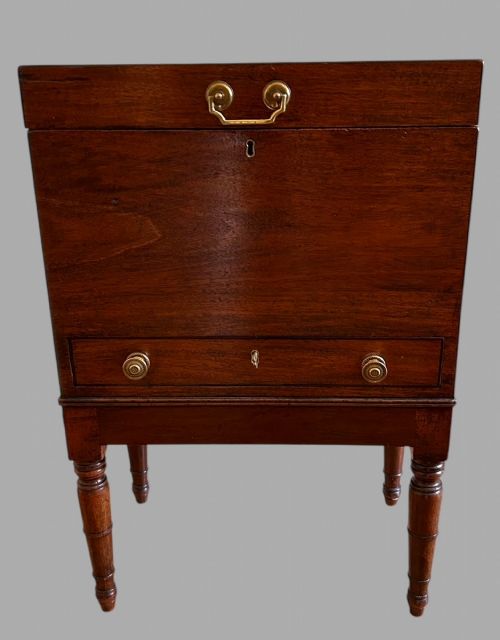
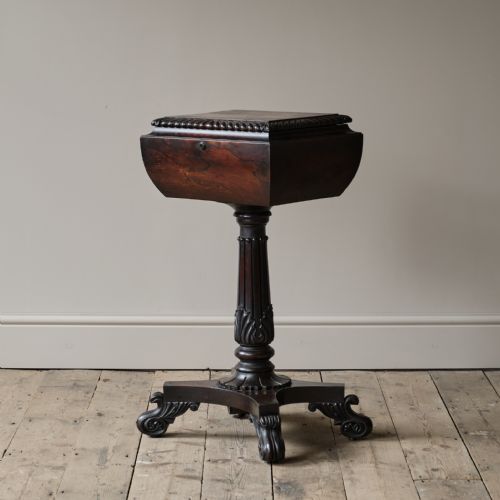
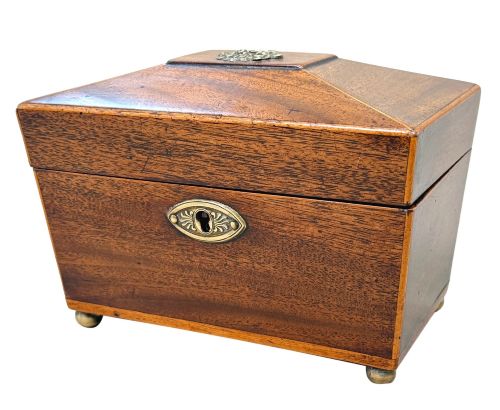
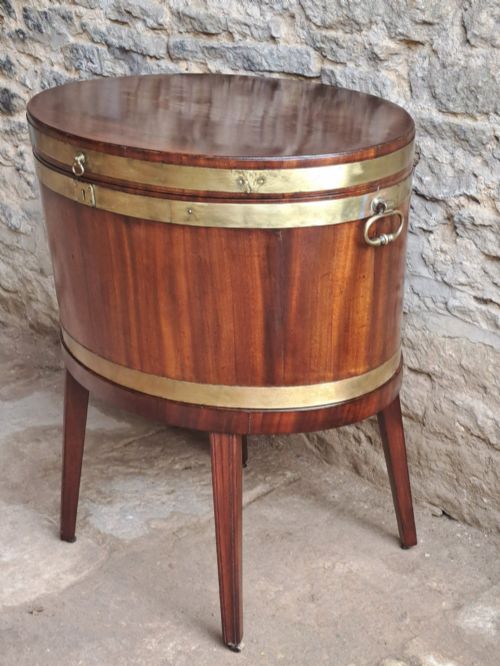
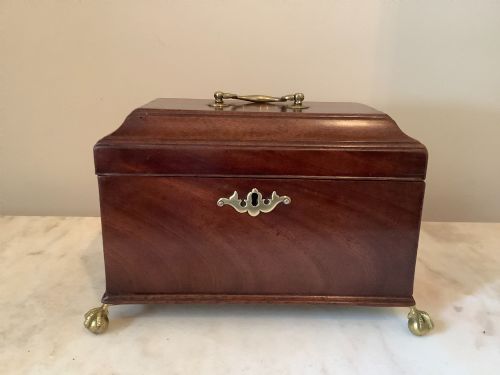
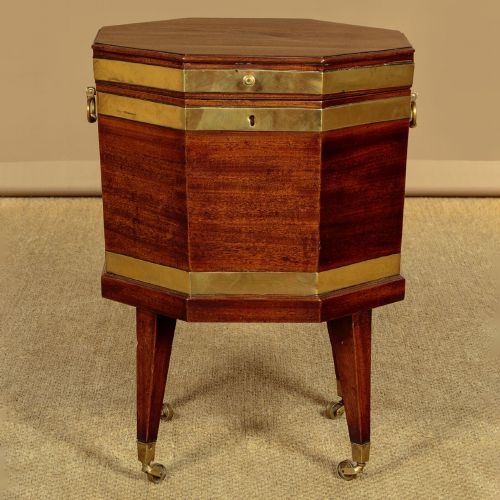
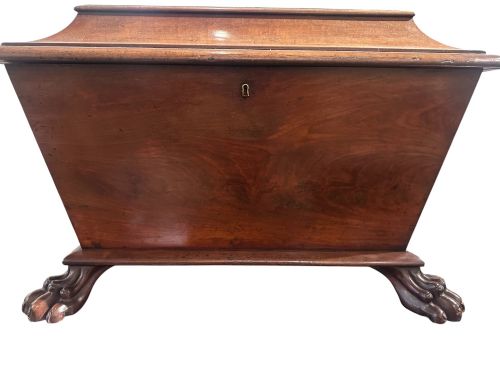
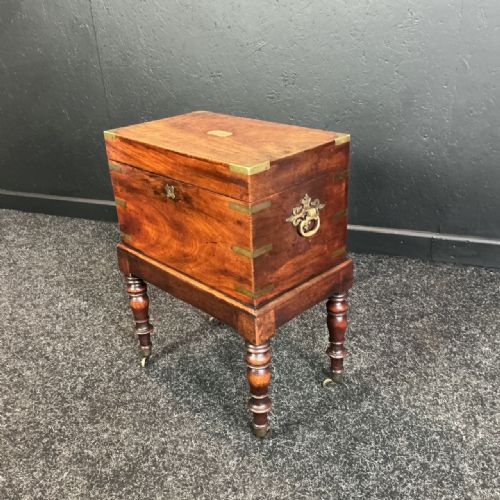
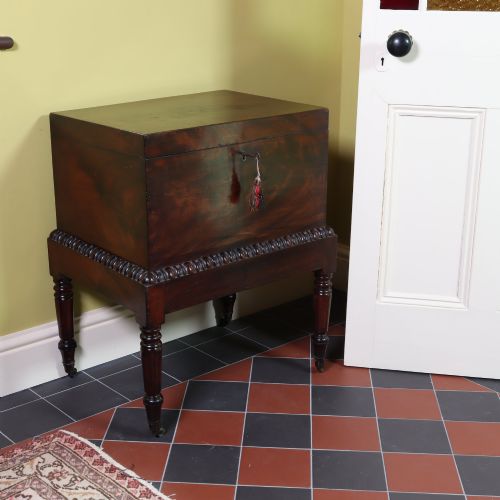
These mahogany sarcophagus chest examples are grand Regency wine coolers and cellarettes that bring striking architectural presence and period status to any dining room.
What They Are
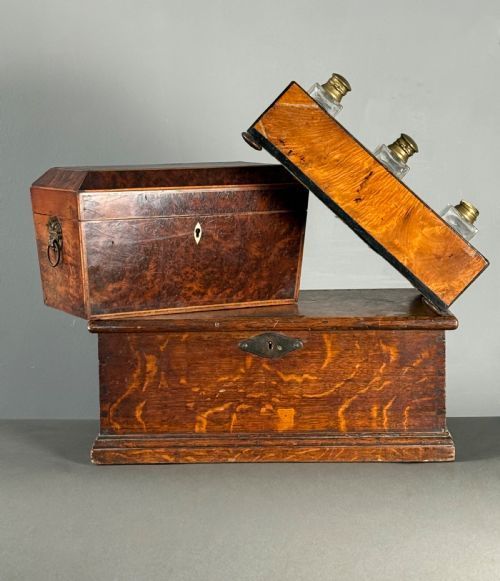
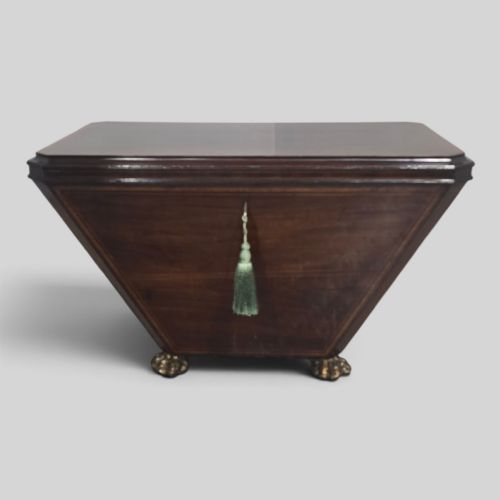
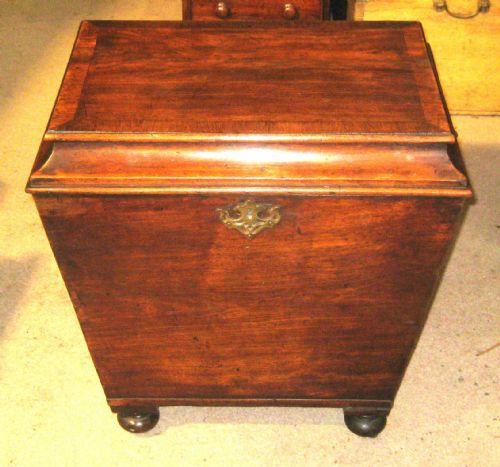
When you search for a mahogany sarcophagus chest, you are looking at substantial cellarettes and wine coolers built to hold bottles in formal dining settings. The examples seen on this page belong primarily to the Regency period and the wider nineteenth century, maintaining the distinctive tomb-like proportions that define the form. English and Scottish origins appear among these listings, showing regional variations in cabinet-making during the Georgian and Regency eras.
The dominant form takes the classic sarcophagus shape, often described in listings as wine coolers or cellarettes. These pieces reflect the formal entertaining habits of high-status households, where keeping wine at the proper temperature near the dining table was essential. The design draws directly on classical architectural motifs adapted for domestic furniture during the Regency style movement.
How They Were Made
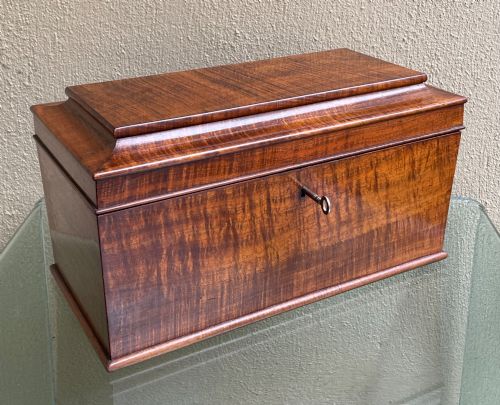
Cabinet-makers built these cellarettes using solid mahogany and flame mahogany veneers, selecting timbers for deep grain patterns and rich natural colour. Ebonised wood and brass details frequently accent the primary timber, providing sharp visual contrast along the moulded edges and mounts.
Metal components, including sturdy handles and liners, were integrated into the heavy wooden frames to handle the weight of bottles and ice. Construction relied on traditional joinery techniques capable of supporting large proportions without losing structural integrity over centuries of use.
Retail Price Guide 2026
Typical UK retail prices for mahogany sarcophagus chest, calculated from the Sellingantiques database of over a million retail prices indexed since 2003. This retail price guide relies exclusively on Sellingantiques data; no external sources or auction records are used, so the figures do not describe the wider market.
Listings for this phrase span the Georgian, Regency, and wider nineteenth-century periods, constructed from mahogany, brass, and ebonised wood.
What Varies in Quality
Quality in these pieces rests upon the selection of timber, particularly the grain figuration in flame mahogany veneers versus plain stock. Superior examples demonstrate finer control over proportions and carving, where classical details integrate seamlessly into the heavy sarcophagus silhouette.
The sophistication of secondary woods, brass mounts, and internal fittings further distinguishes exceptional cabinet-making from standard production. Pieces originating from specific regional centres, such as Scotland, often display distinct structural choices that set them apart.
The Mahogany Sarcophagus Chest Glossary
- Sarcophagus
- A monumental chest form resembling an ancient stone coffin, characterised by a domed lid and tapering body. This silhouette became popular for large wine coolers during the Regency period.
- Cellarette
- A lockable container designed to hold bottles of wine or spirits beneath the dining table or sideboard. These vessels protected valuable vintages from household staff.
- Flame Mahogany
- A veneer cut from the fork of the mahogany tree where the branch meets the trunk, creating a distinct flame-like pattern. This figured wood was prized for high-end cabinet work.
- Ebonised Wood
- Timber treated with a dark stain or finish to imitate expensive ebony. It appears on Regency furniture to create crisp linear contrasts against lighter woods.
Frequently Asked Questions
What is a mahogany sarcophagus chest used for?
These pieces served as wine coolers and cellarettes in formal dining rooms during the Georgian and Regency periods. They held wine bottles and ice close to the table during long dinner parties.
Today, buyers use them as statement furniture pieces, coffee tables, or deep storage chests in drawing rooms and hallways.
How old are these sarcophagus cellarettes?
The examples on this page date primarily from the Regency era and the broader nineteenth century, with some pieces attributed to the Georgian period.
Exact dating relies on construction methods, timber choice, and stylistic markers standard to British cabinet-making of the early eighteen-hundreds.
Are these pieces English or Scottish?
Listings for these cellarettes include both English and Scottish origins from the Georgian and Regency periods. Regional cabinet-makers adapted the classical sarcophagus form with local timber choices and construction habits.
Examining the secondary woods and internal framing helps identify the specific regional workshop behind a piece.
What materials are used in these coolers?
Makers constructed these items using solid mahogany and flame mahogany veneers over sturdy secondary timbers. Brass hardware and ebonised wood details frequently provide structural support and decorative contrast.
Metal elements inside the chest originally helped contain ice and moisture for chilling wine bottles.