

Regency Cellarette
A regency cellarette brings formal classical proportion to the dining room, designed to store and cool vintage bottles near the table.

Regency Cellarette
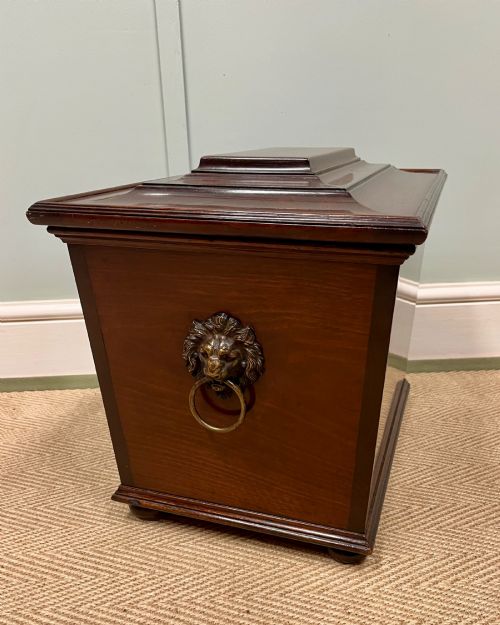
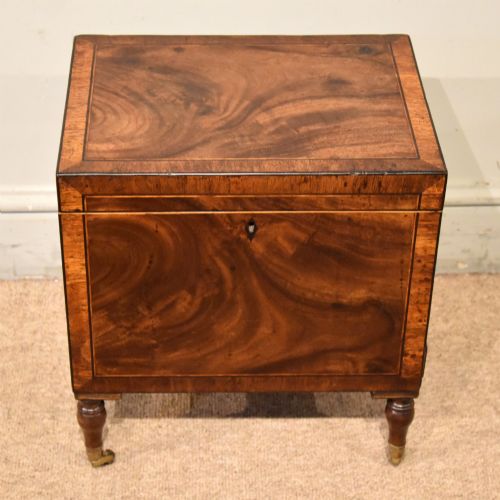
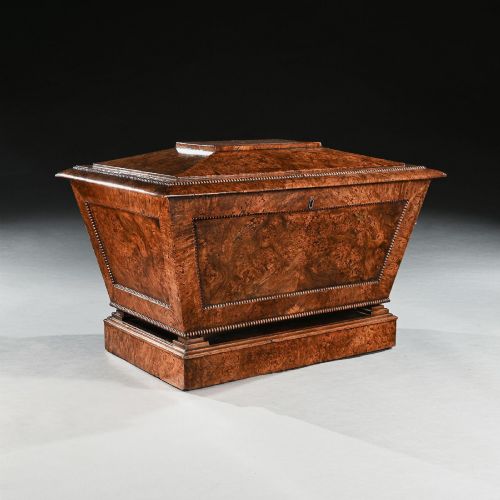
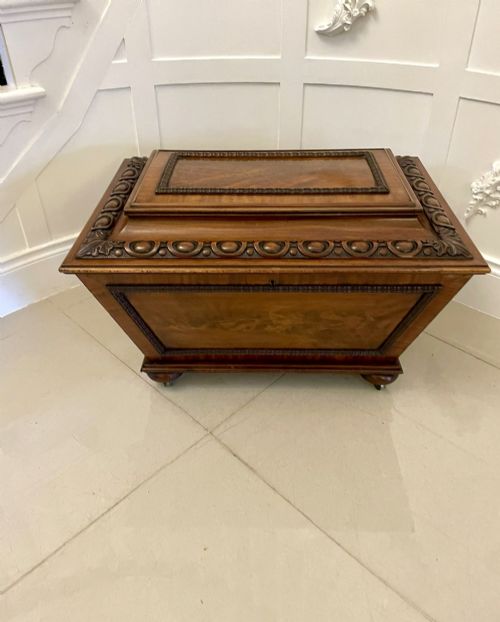
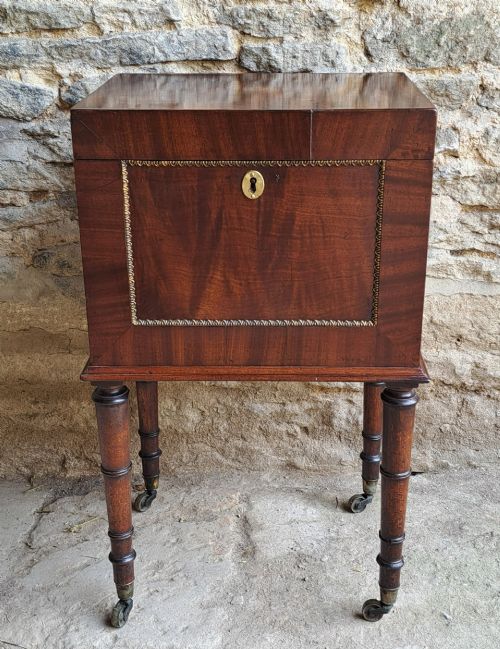
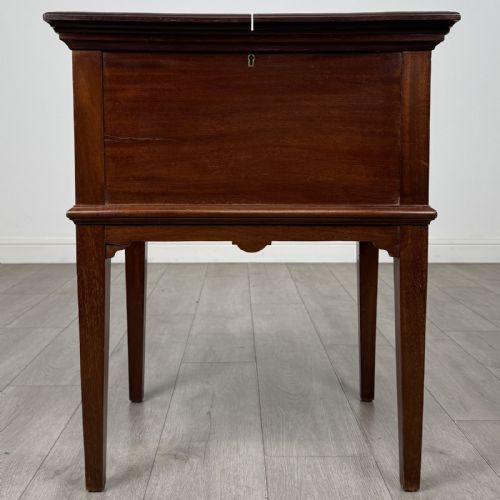
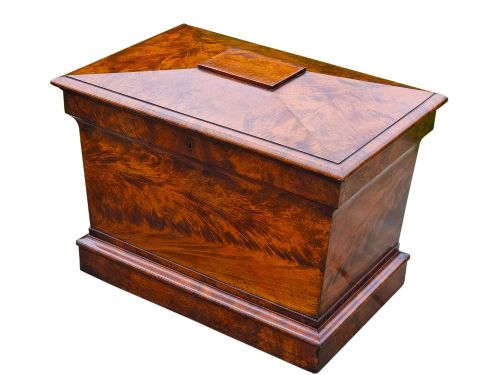
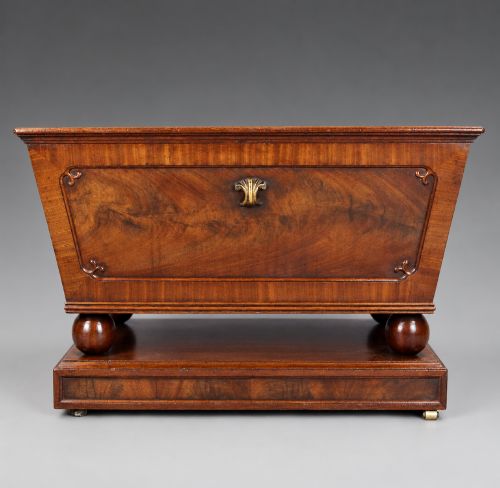
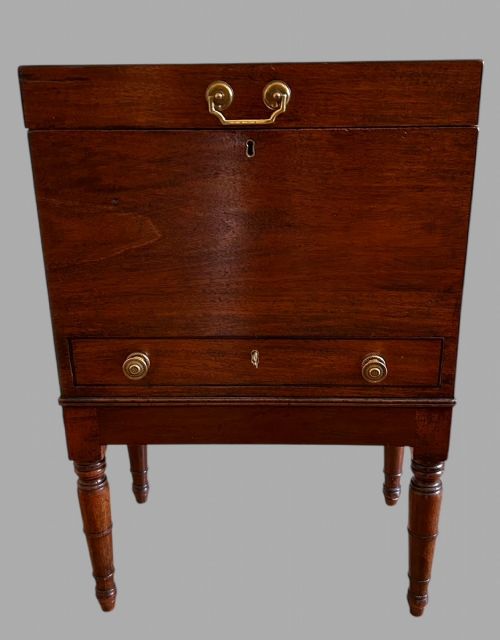
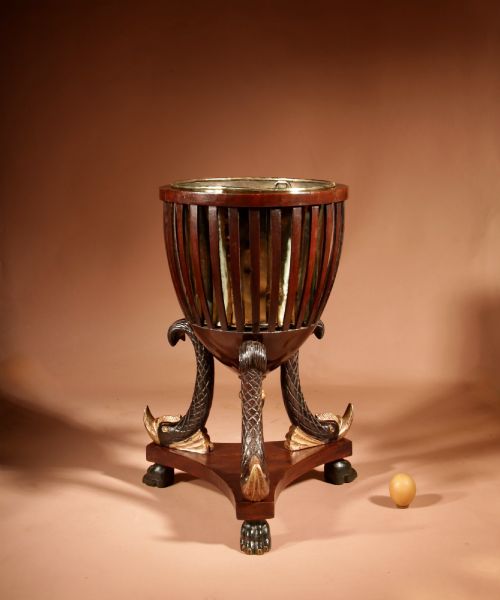
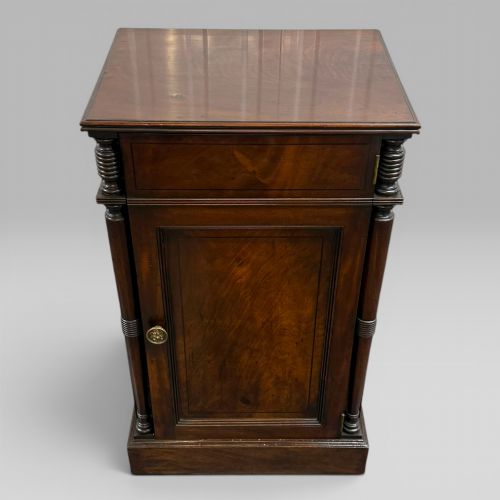
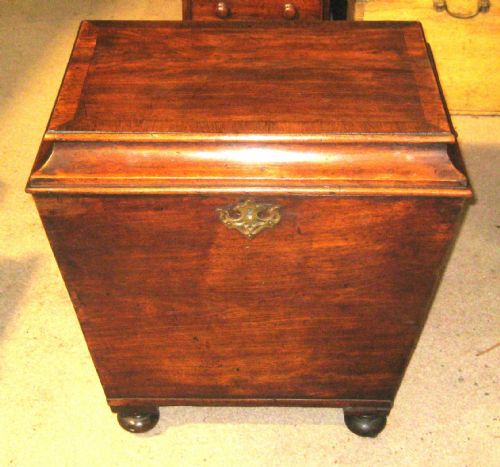
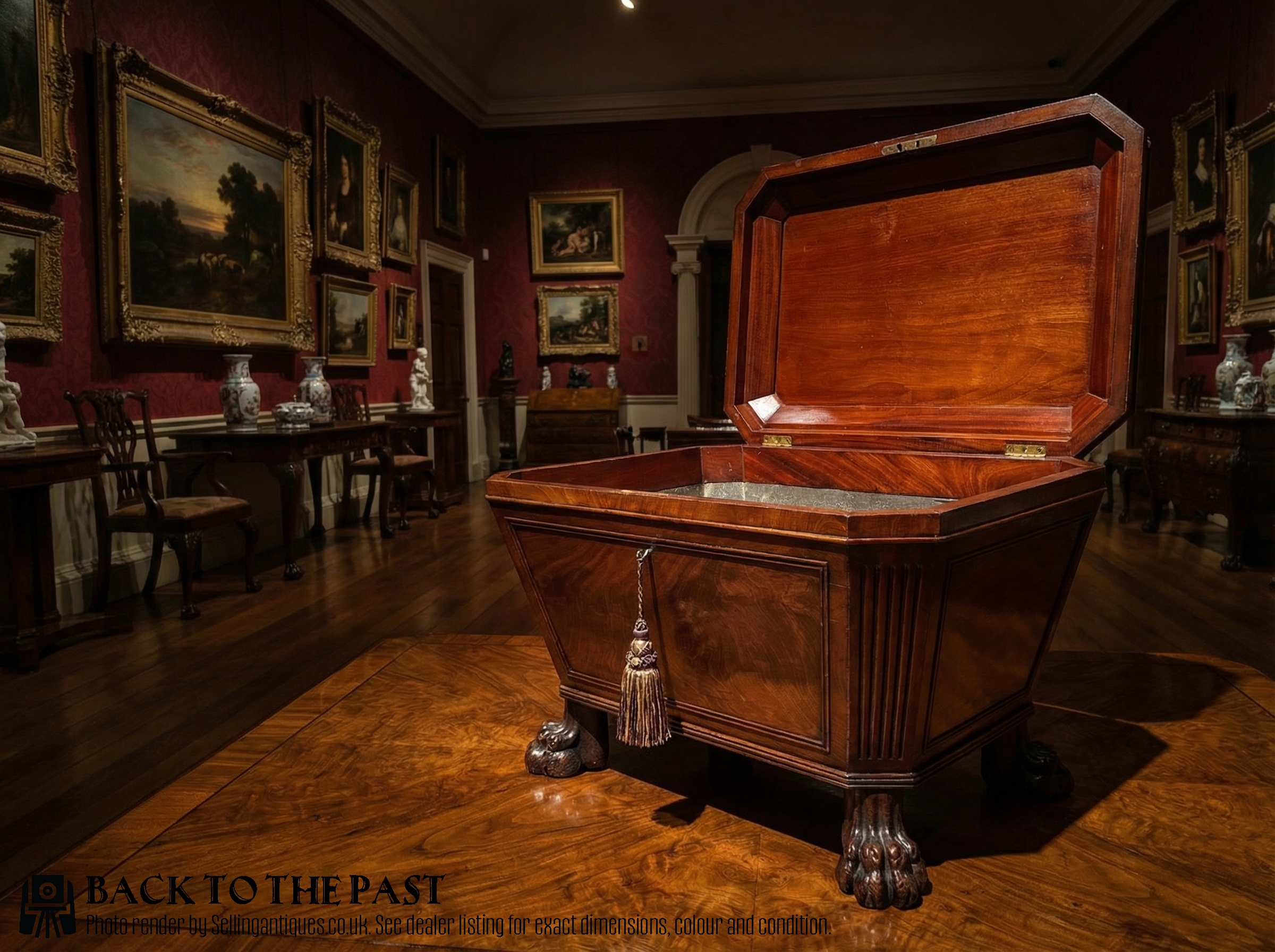
A regency cellarette is typically encountered as a sarcophagus-shaped box on feet, a pedestal form, or a coopered bucket designed for holding wine bottles and ice during formal dining.
The pieces seen in this collection date predominantly from the nineteenth century, spanning the Georgian, Regency, and William IV eras, with occasional later revivals.
Makers and cabinet-makers of the period drew upon classical architectural motifs, producing low-slung, substantial furniture containers intended to sit discreetly beneath sideboards or beside dining tables.
Materials and Construction
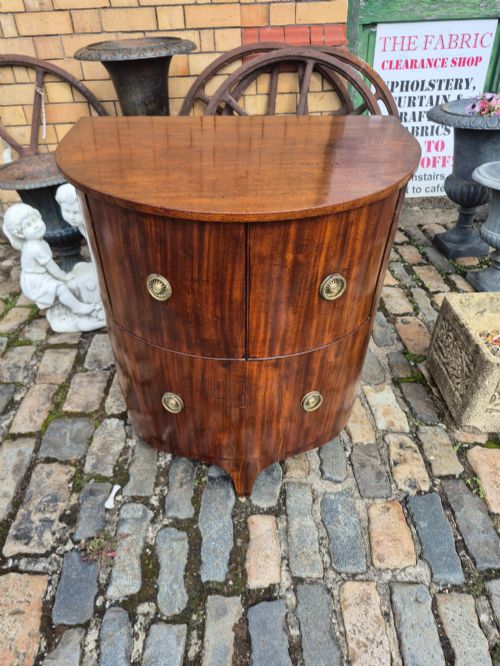
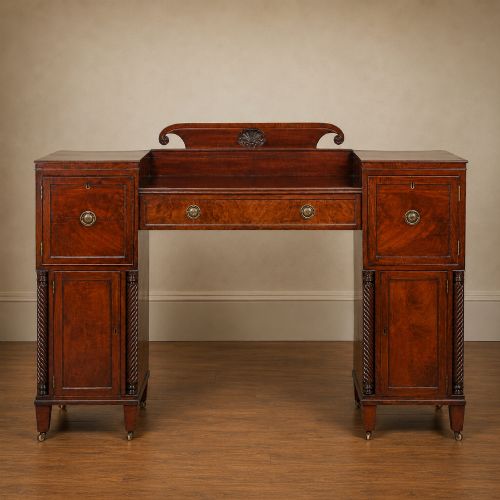
Cabinet-makers relied heavily on solid and veneered mahogany, frequently selecting flame mahogany, figured timber, or pollard oak to achieve strong visual grain patterns across large surfaces.
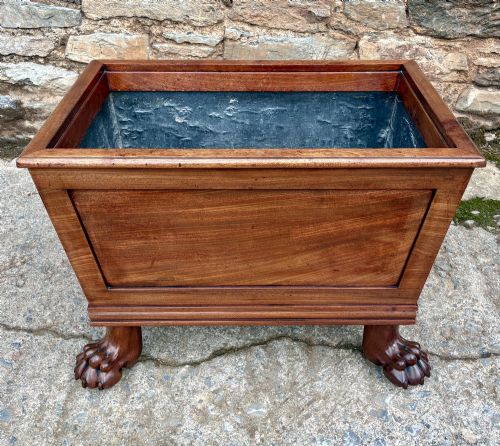
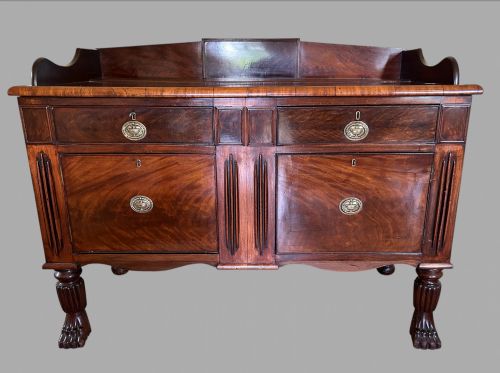
Metal components played a structural and decorative role, incorporating brass bands, brass lion paw feet, ormolu mounts, and internal lead or zinc liners designed to hold ice and water for cooling wine.
Regency Cellarette Retail Price Guide 2026
Typical asking prices for regency cellarette among the pieces listed under this phrase on Sellingantiques today, from the lower quarter to the upper quarter. They describe what is for sale here now, not the wider market.
Some containers include internal drainage plugs so servants could empty melted ice water without moving the heavy timber box.
Distinctions in Quality
Quality depends upon the selection of timber veneers and the crispness of carved details such as paw feet, lion handles, and classical moulding.
The survival of internal lead or zinc linings and original brass fitments distinguishes standard production boxes from exceptional examples attributed to prominent workshops.
Gillows·Robsons of Newcastle·Gillingtons
The Regency Cellarette Glossary
- Cellarette
- A lockable container or cabinet designed specifically for storing bottles of wine within the dining room. They often contained internal compartments and metal liners for ice.
- Sarcophagus
- A monumental container shape tapering slightly toward the base with a domed lid, heavily utilised during the Regency period for wine coolers.
- Coopered
- Built using vertical staves of wood bound together with metal hoops, a technique borrowed from barrel-making used to construct round wine buckets.
- Flame mahogany
- Timber cut from the branch junction of the mahogany tree, displaying a characteristic flickering flame pattern highly prized for decorative cabinet fronts.
Regency Cellarette: Frequently Asked Questions
How were regency cellarettes used?
These pieces sat in the dining room to hold wine bottles and ice during long meals. Servants would draw bottles from the container as needed throughout the evening.
Internal lead or zinc liners kept the contents chilled before the invention of modern refrigeration. The lockable lids ensured expensive vintages remained secure.
Where should I place a cellarette?
A cellarette traditionally sits beneath a sideboard or in the corner of a dining room. Its low proportions suit placement against empty wall spaces.
Many modern collectors also utilise them as occasional tables or plant stands in living spaces. Their substantial timber forms anchor a room visually.
How do I identify a Regency period piece?
Regency pieces display classical architectural influences such as paw feet, brass banding, and bold mahogany veneers. Dating relies on construction methods and timber characteristics.
Earlier examples from around eighteen hundred feature restrained classical lines, while later William IV variants often incorporate heavier carved scrollwork.
What is an internal liner made from?
Original internal liners are constructed from sheet lead or zinc to hold melting ice without damaging the surrounding timber. These metal inserts are frequently divided into individual bottle sections.
The presence of an original watertight liner adds authenticity to the piece.