




Antique Peat Bucket
An antique peat bucket brings texture to a hearth, holding fuel or serving as a planter with centuries of craft behind it.

Antique Peat Bucket
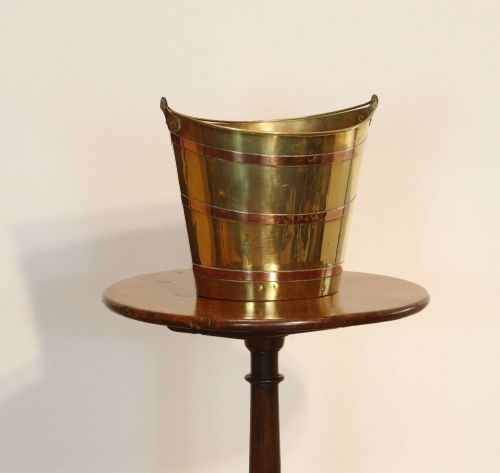
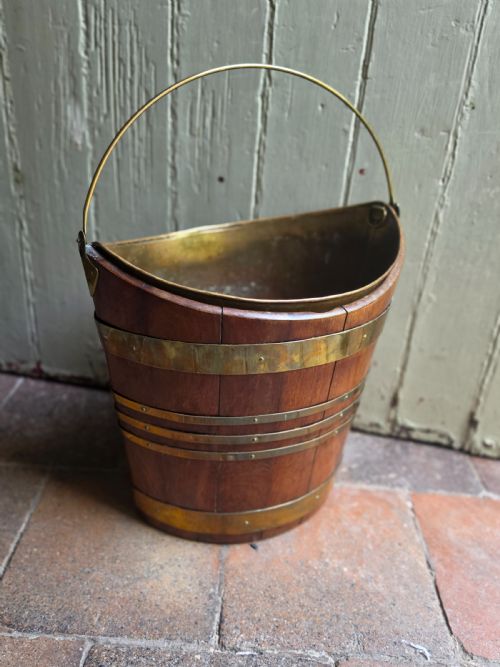
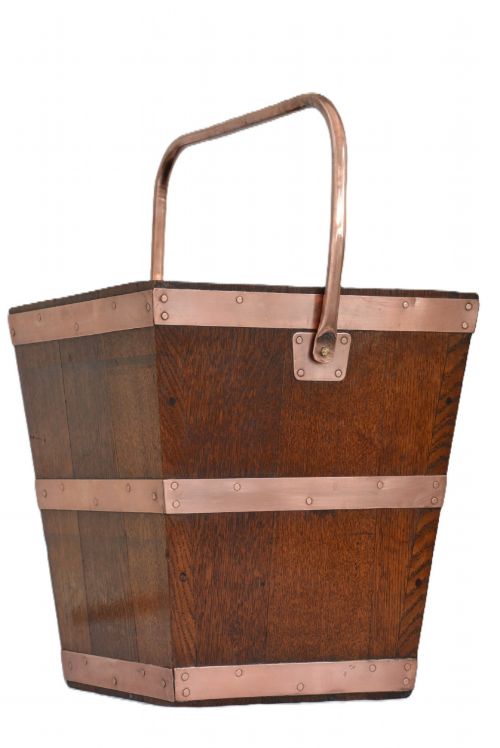
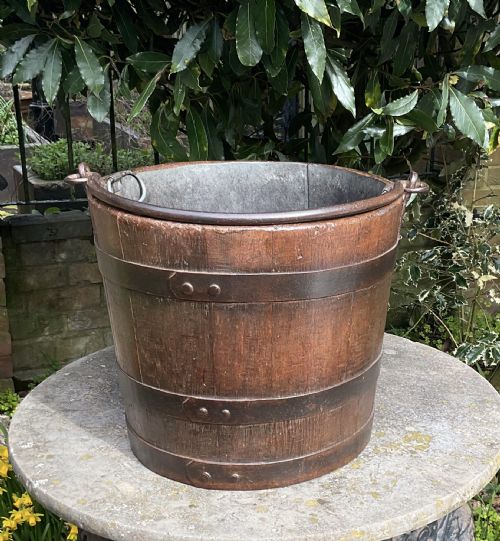
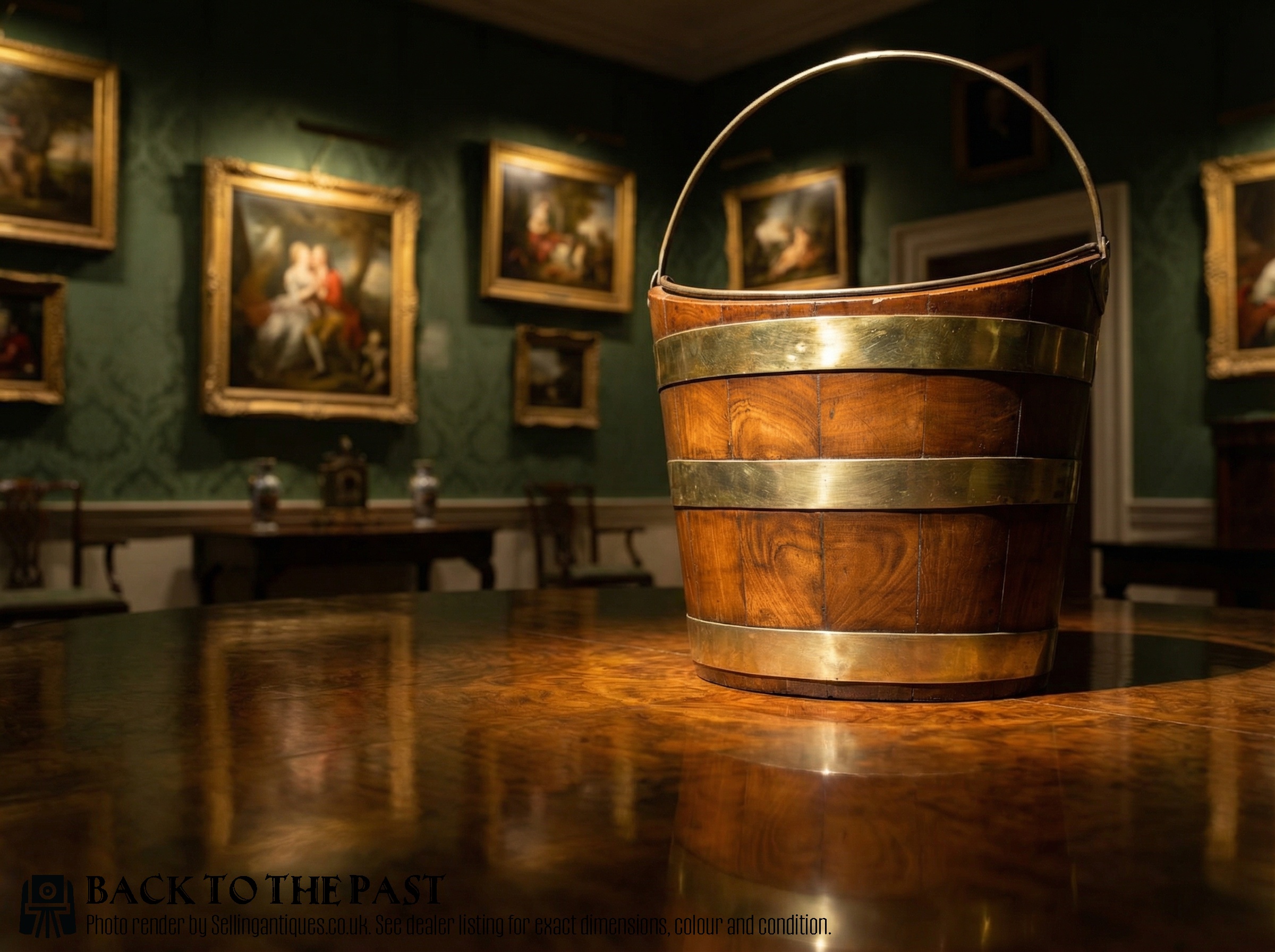
An antique peat bucket is a traditional fireside vessel designed to hold fuel, doubling in many historical forms as a tea stove or jardinière. Buyers seeking an antique peat bucket typically encounter coopered wooden staves bound with brass or iron bands, originating from Georgian or Victorian periods.
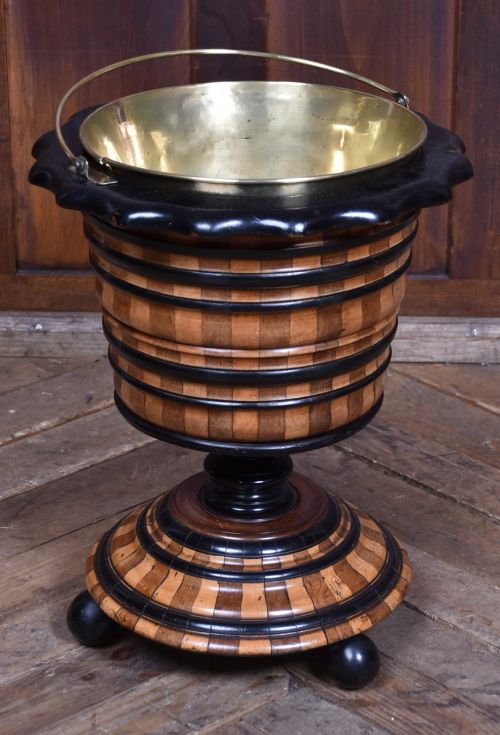
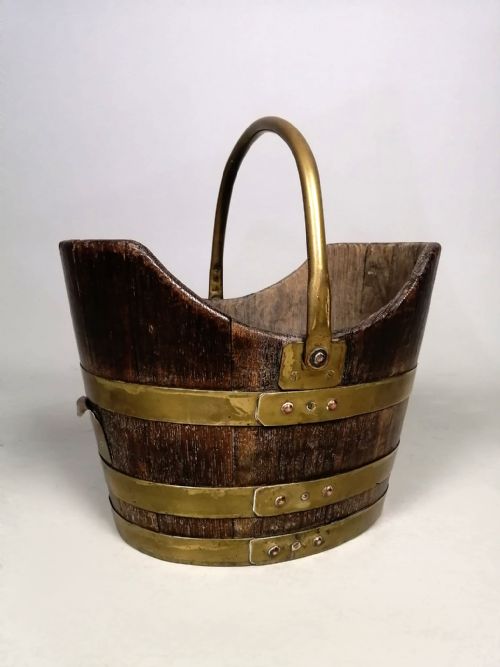
Many examples trace back to Dutch or English workshops, reflecting forms such as the boat-shaped schuitje or cylindrical barrels. These containers served functional roles beside the hearth before evolving into decorative interior accessories.
The selection ranges from early eighteenth-century brass seamed vessels to late nineteenth-century oak and mahogany bins. Their robust construction allows them to transition easily into modern settings as planters or storage bins.
How they were made
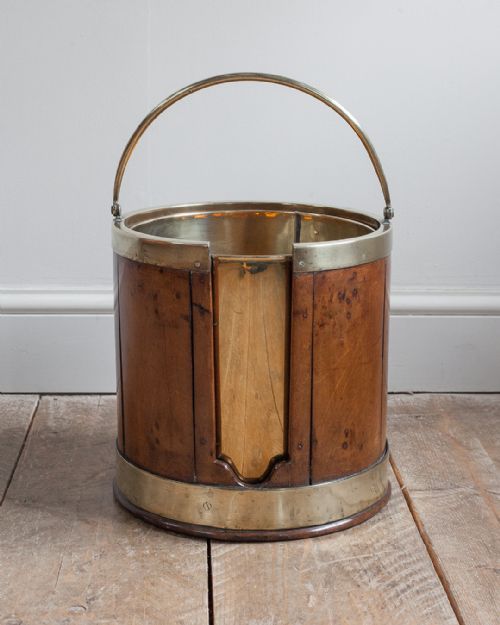
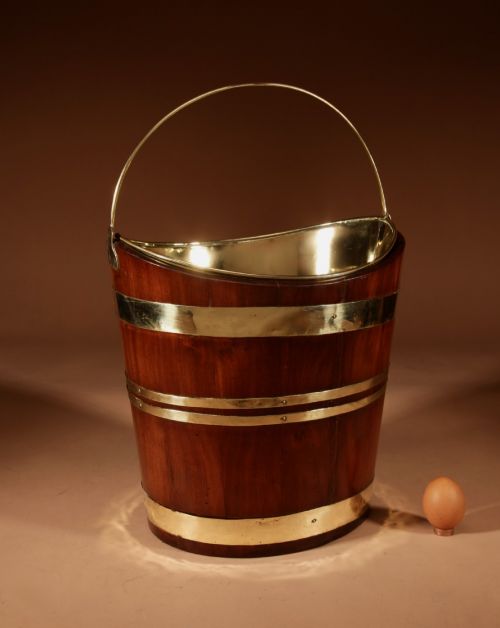
Coopering forms the structural core of wooden pieces, utilising curved staves of mahogany, oak, walnut, or fruitwood fitted tightly together. Metal bands in brass, copper, or iron are heated and fitted around the wood to contract and hold the staves firm.
Metal vessels rely on heavy sheet brass or copper joined with visible seams, often paired with dinanderie work or cast swing handles. Liners in metal or ceramic frequently protect the wooden interiors from moisture when utilised for plants or damp fuel.
Antique Peat Bucket Retail Price Guide 2026
Typical asking prices for peat bucket among the pieces listed under this phrase on Sellingantiques today, from the lower quarter to the upper quarter. They describe what is for sale here now, not the wider market.
Object forms recorded here span fireside accessories, oyster buckets, tea stoves, and planters.
What varies in quality
The sophistication of the timber selection and the precision of the coopering dictate the distinction between standard vessels and finer examples. Rich figure in the mahogany or walnut grain, combined with substantial gauge brass bands, marks the higher tier of production.
Originality of components, including the metal liners, swing handles, and mounting feet, governs the integrity of a piece. Retaining untouched surfaces and period fixings elevates the standing of these fireside accessories.
The Antique Peat Bucket Glossary
- Coopered
- Made by a cooper using curved wooden staves bound together with hoops. This technique ensures the watertight integrity of vessels like buckets and barrels.
- Schuitje
- A boat-shaped vessel or container form seen in Dutch designs. These pieces often feature tapered ends and raised profiles.
- Teestoof
- A Dutch foot warmer or stove container that held hot embers or peat. They frequently share forms with decorative hearth buckets.
- Dinanderie
- An umbrella term for medieval and later brass or bronze art objects originating from the Meuse Valley. It describes beaten and cast metalware vessels.
- Jardiniere
- An ornamental pot or stand for holding plants or flowers. Many antique peat buckets were repurposed into this role during the nineteenth century.
Antique Peat Bucket: Frequently Asked Questions
What is an antique peat bucket used for?
These vessels originally stored peat, coal, or ash beside the fireplace for daily hearth maintenance. Their substantial construction also suited them for holding warming embers or serving as tea stoves.
Today, buyers frequently utilise them as interior planters, log bins, or decorative storage containers. Their robust wooden and metal construction handles modern domestic tasks with ease.
How do I tell a Georgian peat bucket apart from a Victorian one?
Georgian examples, particularly those from the eighteenth century, often feature crisp mahogany framing with delicate brass banding and subtle bracket feet. Their proportions tend to emphasise clean architectural lines.
Victorian pieces frequently display heavier oak or walnut construction with more pronounced brass mounts and varied timber combinations. Late nineteenth-century iterations also lean into Arts and Crafts influences or elaborate coopered patterns.
Are Dutch peat buckets different from English ones?
Dutch examples often incorporate specific regional forms such as the boat-shaped schuitje or the teestoof, frequently utilising exotic woods like ebony alongside walnut. They also lean heavily into brass-bound butter barrel shapes and decorative metal liners.
English pieces tend to focus on traditional mahogany plate bucket forms and robust oak coal bins. They generally adhere to Georgian and Victorian cabinet-making standards of the period.
Can I use an antique peat bucket for plants?
Many of these vessels feature original metal liners designed to contain moisture and ash, making them suitable for housing potted plants. Ensuring a proper waterproof inner layer protects the historic wood staves from water damage.
Their sturdy coopered frames and decorative brass bands make them practical indoor jardinières. They sit easily in reception rooms or hallways while accommodating living greenery.