

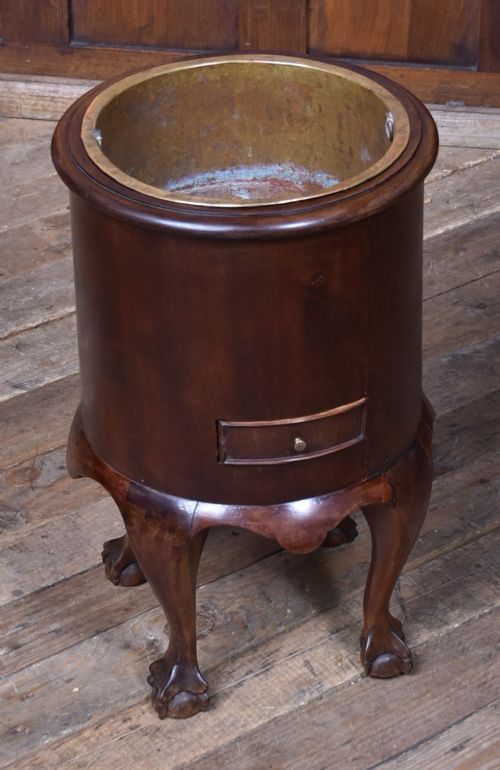


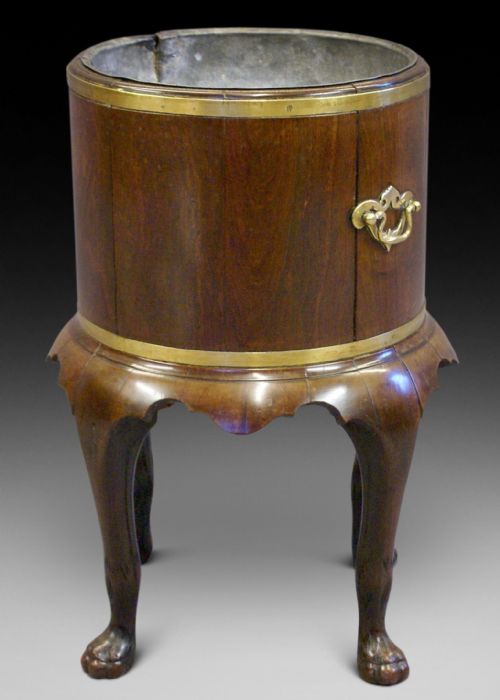


Antique Brass Lined Bucket
These antique brass lined bucket examples bring functional elegance to period interiors, offering practical luxury for wine cooling and display.
Antique Brass Lined Bucket
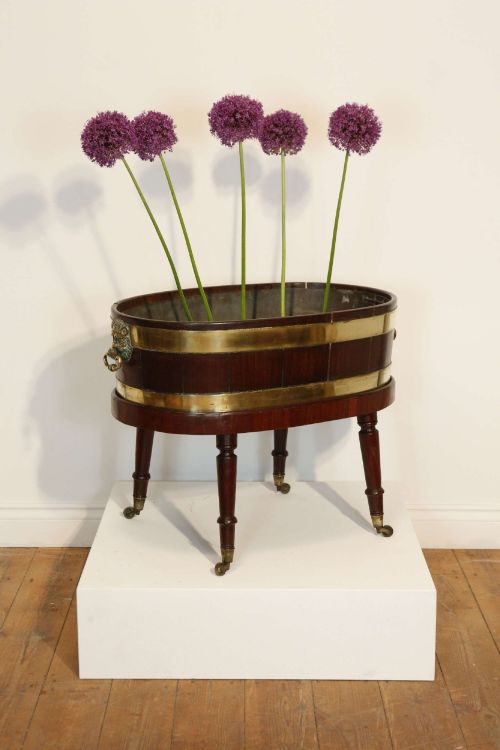
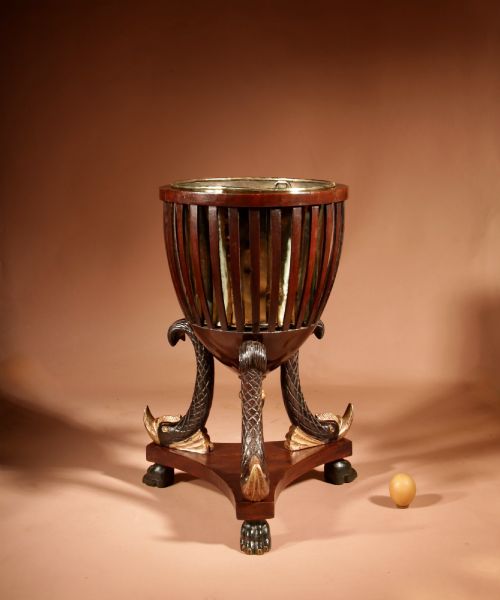
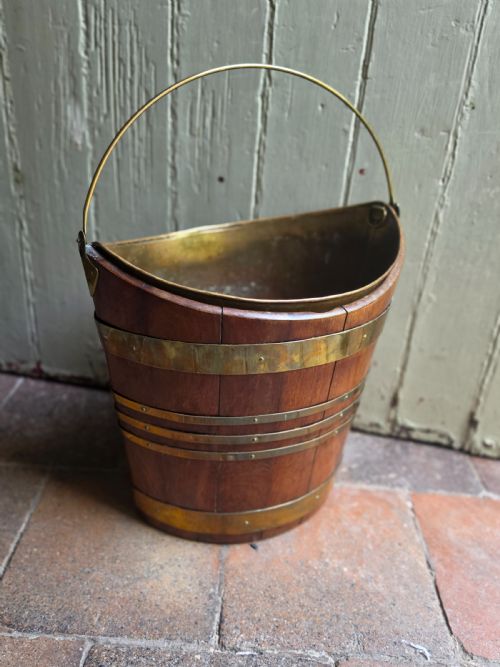
When you search for an antique brass lined bucket, you are looking at utilitarian vessels adapted for social rituals, primarily wine cooling, peat storage, and plant display. The pieces span Georgian, Regency, and Victorian periods, manifesting as wine coolers, cellarettes, jardinières, and peat buckets.
You are most likely to meet mahogany examples on this page, frequently constructed with cooperative techniques and secured with metal bands. These containers range from diminutive Georgian forms to large wine coolers, often featuring interior metal liners in zinc or brass.
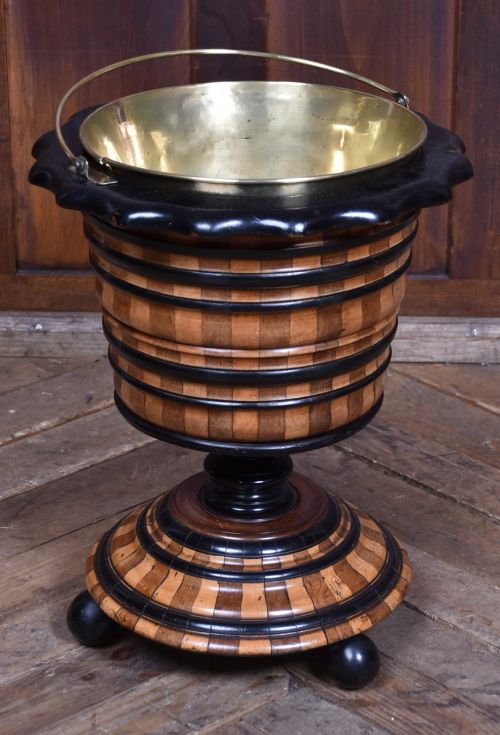
Styles stretch across English designs and continental interpretations, including Dutch colonial work and French Empire pieces. Forms vary from elliptical shapes to miniature jardinères and tea stoves, reflecting diverse domestic uses across the eighteenth and nineteenth centuries.
Assessing quality in construction and material
The standard of a piece rests upon the selection of timber and the precision of the coopering. Superior examples display carefully matched grain patterns, tight stave joints, and well-fitted metal liners that integrate seamlessly with the timber body.
Decorative detailing separates standard items from finer works. Finely executed brass binding, delicate inlay work, and original handles indicate higher craftsmanship during the Georgian and Victorian periods.
Antique Brass Lined Bucket Retail Price Guide 2026
Typical asking prices for brass lined bucket among the pieces listed under this phrase on Sellingantiques today, from the lower quarter to the upper quarter. They describe what is for sale here now, not the wider market.
Listings feature woods spanning mahogany, walnut, satinwood, and ebony, combined with brass and zinc linings across Georgian and Victorian periods.
The Antique Brass Lined Bucket Glossary
- Coopered
- Constructed using narrow staves of wood joined edge to edge and bound with metal hoops, much like a barrel. This method provides the structural strength required for holding liquids or heavy materials.
- Cellarette
- A lockable container used for storing wine bottles in the dining room before serving. They frequently feature internal divisions and metal linings.
- Jardinière
- An ornamental pot or stand designed to hold plants or flowers indoors. In this category, they often take the form of brass-lined wooden buckets.
- Teestoof
- A Dutch warming vessel, also known as a tea stove, used to keep teapots warm over hot embers. They often share forms with small peat buckets and jardinières.
- Elliptical
- Having an oval shape with curved sides, a common profile for seventeenth and eighteenth-century wine buckets designed to fit beneath sideboards.
Antique Brass Lined Bucket: Frequently Asked Questions
What were these buckets originally used for?
These vessels served practical domestic functions, primarily chilling wine bottles with ice and water, holding peat for hearth fires, or housing indoor plants. Their metal linings protected the wooden staves from moisture and damp contents.
Over time, wealthy households utilised them in dining rooms, drawing rooms, and parlours where both utility and decorative presentation mattered equally.
How do I tell a wine cooler from a peat bucket?
Wine coolers often feature interior divisions or lead linings specifically designed to hold bottles upright amidst ice. They frequently appear as larger mahogany or walnut vessels with secure carrying handles.
Peat buckets and tea stoves generally present deeper, open interiors intended to hold dry fuel or pots, sometimes accompanied by smaller dimensions or swing handles suited for hearthside transport.
Are the brass liners original to the buckets?
Many pieces retain their original fitted brass or zinc liners, which show appropriate signs of age, wear, and patination matching the exterior wood. These internal components were essential for containing moisture without damaging the surrounding timber structure.
Replacements do occur due to centuries of use, so inspecting how the metal sits within the staves helps determine originality.
How can I distinguish Georgian from Victorian pieces?
Georgian examples, dating from the eighteenth and early nineteenth centuries, typically favour rich mahogany with restrained brass banding and classical proportions. They reflect the restrained elegance of the period.
Victorian pieces often introduce broader timber selections, including walnut and mixed hardwoods, alongside more exuberant carving, inlay, and decorative mounts influenced by revival styles.