







Brass Bound Log Bucket
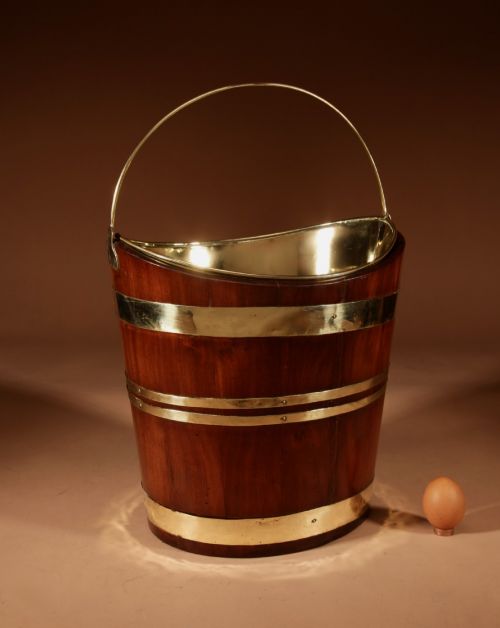
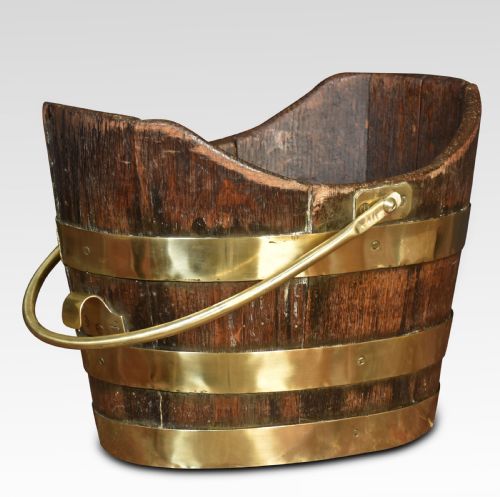
These brass bound log bucket examples combine heavy timber staves with metal reinforcement, offering a robust fireside vessel for domestic hearths.
Brass Bound Log Bucket
When you search for a brass bound log bucket, you are looking at sturdy fireside containers designed to hold fuel for a domestic hearth. The pieces listed here span the Georgian, Victorian, and Edwardian eras, with many dating back to the eighteenth and nineteenth centuries.
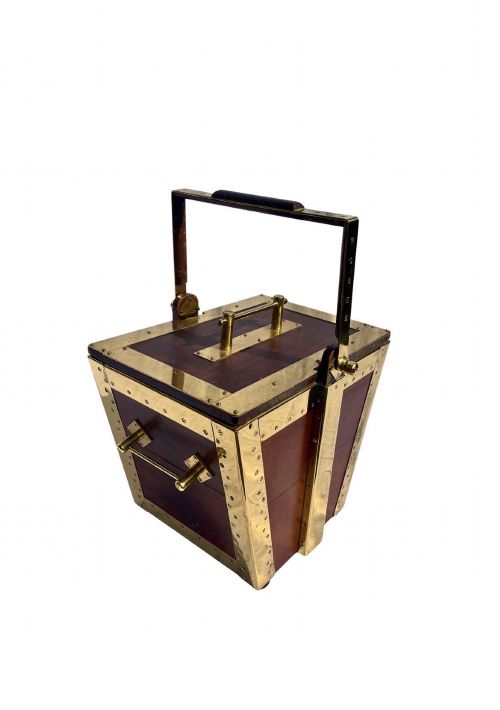
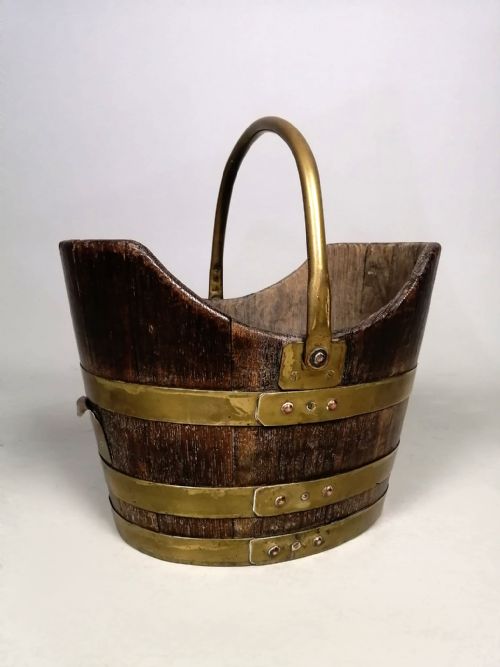
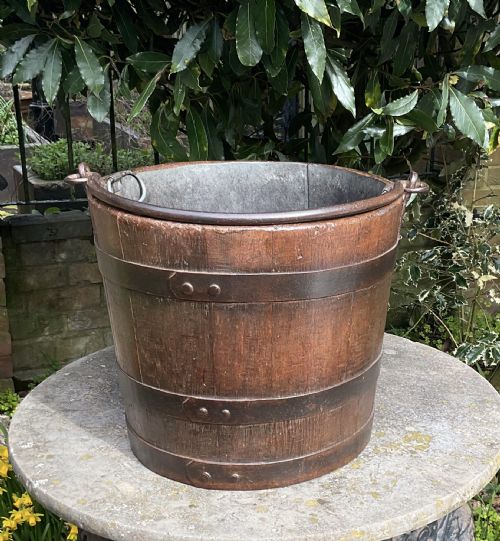
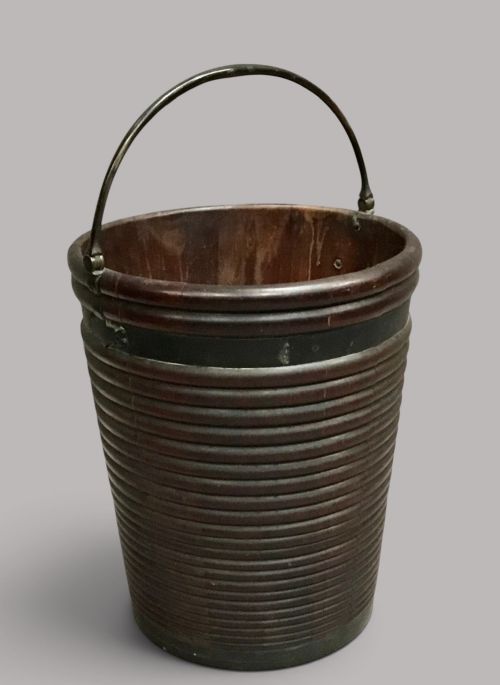
The most common versions met on this page are constructed from rich timber staves such as mahogany and oak, encircled by secure metal bands. Forms range from boat-shaped peat buckets and elliptical shapes to traditional coopered barrels and triangular bins.
Origins include English workshops, Scottish makers, and Dutch examples, reflecting diverse regional styles within the broader category of fireside storage. Buyers select these containers to combine practical fuel storage with traditional craftsmanship near the fireplace.
How they were made
The construction relies heavily on traditional cooperage techniques, where individual wooden staves of mahogany, oak, or walnut are fitted tightly together to form a cylindrical or tapered vessel. Iron and brass bands are then heated and fitted tightly around the timber, contracting as they cool to hold the staves firmly in place.
Metal components such as brass swing handles, lion-mask ring handles, and secure liners in zinc or metal complete the assembly for daily fireside use. This combination of sturdy timber and durable metal reinforcement allows the vessels to bear the weight of heavy logs, peat, and coal without shifting.
Brass Bound Log Bucket Retail Price Guide 2026
Typical asking prices for brass bound log bucket among the pieces listed under this phrase on Sellingantiques today, from the lower quarter to the upper quarter. They describe what is for sale here now, not the wider market.
Materials recorded across the listings include mahogany, oak, walnut, brass, iron, and zinc.
What varies in quality
The distinction between standard examples and the finest pieces often lies in the selection of timber and the precision of the cooperage work. Richly figured mahogany or carefully matched oak staves indicate a higher standard of manufacture from the workshop.
Detailing on the metalwork also separates tiers of quality, with heavier cast brass bands, well-formed lion-mask ring handles, and original internal liners showing superior attention to design and utility.
The Brass Bound Log Bucket Glossary
- Coopered
- A method of construction where curved wooden staves are joined side by side to create a watertight or heavy-duty cylindrical vessel. This technique is essential for building durable containers like barrels and buckets.
- Peat bucket
- A specialised fireside container historically used to store turf or peat for fuel. These often feature distinctive boat shapes or ribbed forms.
- Stave
- One of the narrow vertical strips of wood that fit together edge-to-edge to form the sides of a bucket or barrel. Timber selection for these pieces affects the overall strength of the vessel.
- Jardiniere
- An ornamental pot or stand designed to hold plants or flowers. Many surviving vessels transition into this role once retired from active hearthside duty.
Brass Bound Log Bucket: Frequently Asked Questions
How were these buckets used originally?
These vessels served near the hearth to hold fuel such as logs, coal, or peat for the open fire. They kept the immediate fireside area tidy while keeping fuel close at hand.
Over time, many examples transitioned into alternative domestic uses, including wine coolers or decorative planters for the home.
What woods are commonly found in these buckets?
Mahogany and oak appear most frequently across the surviving pieces, often complemented by walnut in certain regional styles. These dense hardwoods provided the structural integrity needed for daily handling.
Metal elements like brass and iron were then applied to reinforce the timber staves.
Do they include interior liners?
Many examples retain metal liners made of zinc or brass to protect the wooden base from moisture and debris left by fuel. These inserts helped prevent the timber from rotting when holding damp peat or coal.
Some pieces survive without their original liners, having been used for dry logs or alternative decorative purposes.
How do I care for a wooden fireside bucket?
Keep the timber conditioned with appropriate wax and avoid placing the container directly next to extreme heat sources that might dry out the wood. Regular dusting maintains the finish of both the timber staves and the brass bands.
Protect the interior if utilising the vessel for plants or damp items to preserve the historical fabric.