

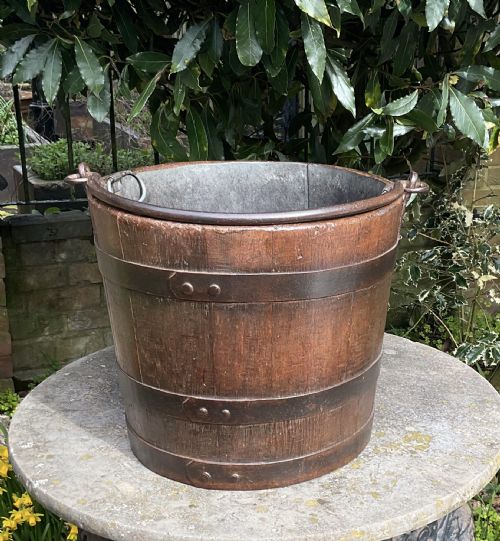


Antique Wood Bucket
An antique wood bucket brings centuries of functional craftsmanship into a room, serving as a wine cooler, log bin, or fireside accessory.
Antique Wood Bucket
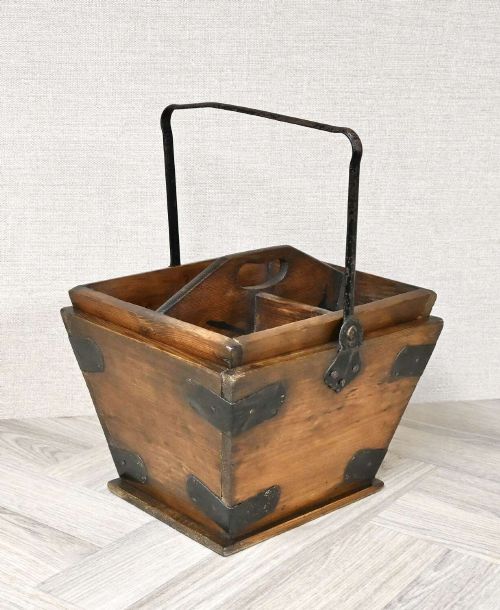
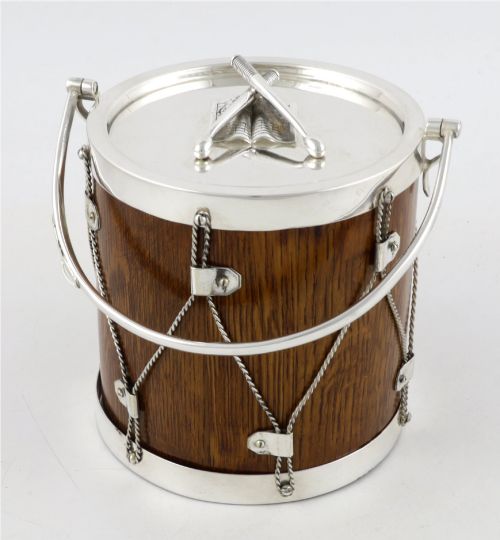
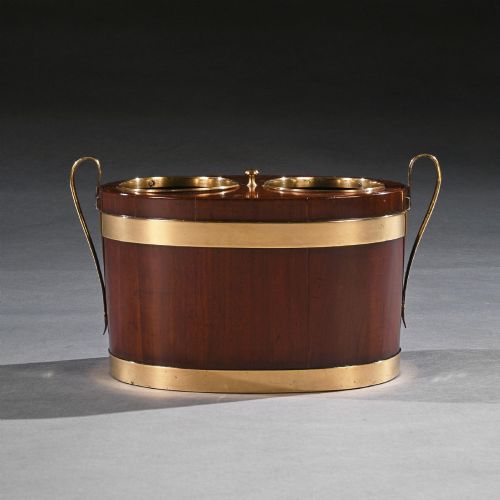
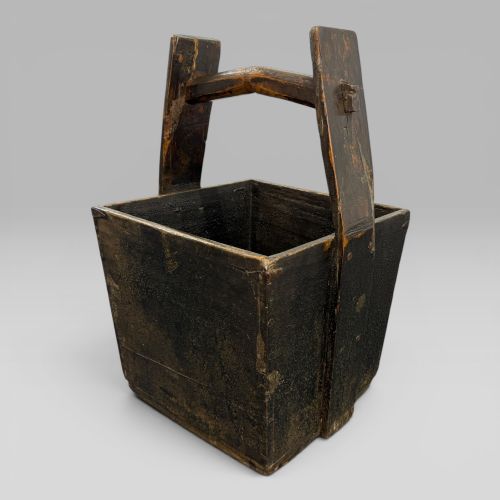
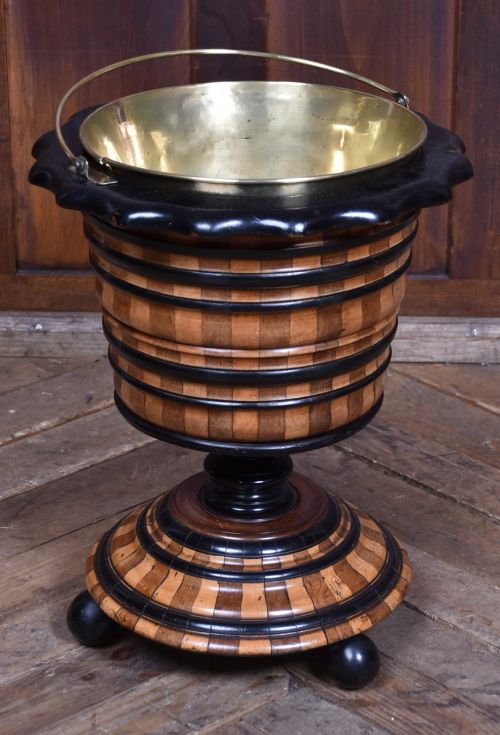
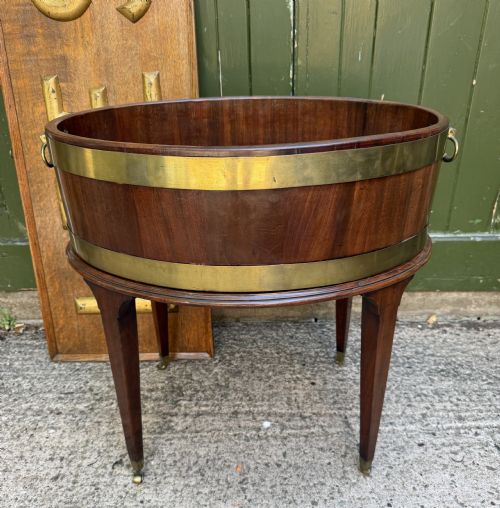
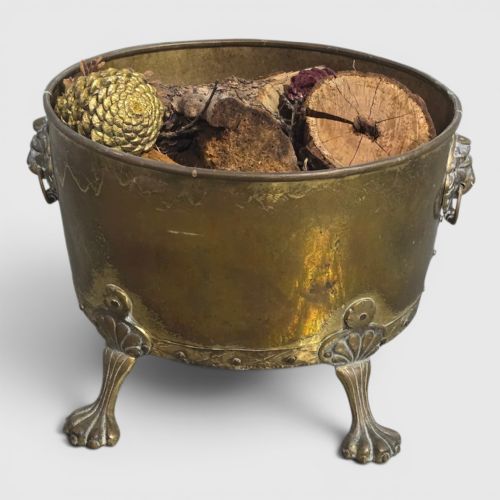
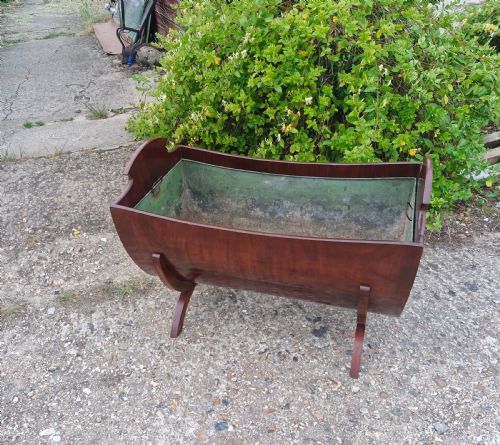
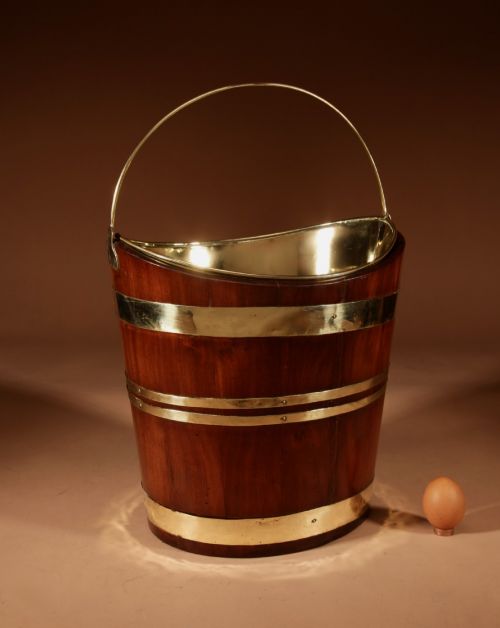
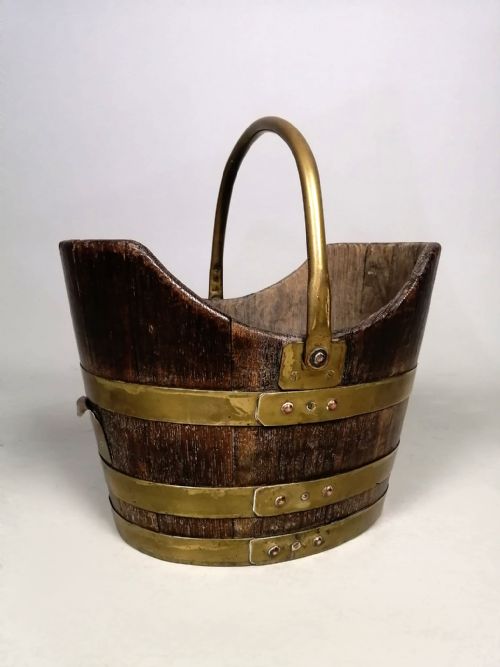
When searching for an antique wood bucket, collectors encounter a diverse group of vessels spanning the eighteenth, nineteenth, and early twentieth centuries, originally made for practical domestic tasks rather than display. The selection on this page ranges from formal George III mahogany wine coolers and boat-shaped peat buckets to rustic country oak log bins, pine storage barrels, and coopered fire buckets.
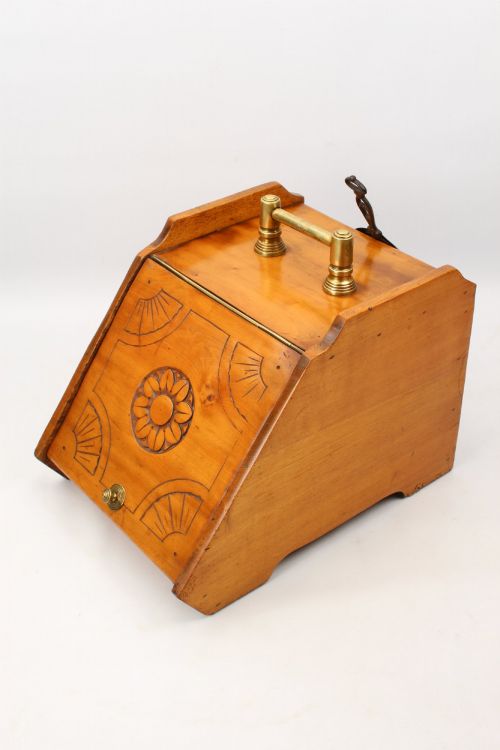
Many of these containers served specialised roles beside the hearth or dining table, including Dutch tea stoves, coal scuttles, and plate buckets. The forms reflect both refined English country houses and traditional Dutch domestic life, often constructed with sturdy metal liners or brass bands to hold fuel, water, or plants.
How they were made
Traditional cooperage forms the structural core of these pieces, bringing together curved wooden staves of oak, mahogany, walnut, elm, or fruitwood bound by tight hoops of brass or iron. Cabinetmakers shaped fine woods like mahogany for formal dining room wine coolers, sometimes incorporating intricate inlay, brass handles, and matching stands.
Rustic examples rely on solid joints, hand-carved elements, and exposed metal fastenings, utilising indigenous timbers suited to daily agricultural or household labour. Liners made of metal or brass were frequently fitted inside to protect the timber from moisture when used for ice, peat, or water.
Antique Wood Bucket Retail Price Guide 2026
Typical asking prices for wood bucket among the pieces listed under this phrase on Sellingantiques today, from the lower quarter to the upper quarter. They describe what is for sale here now, not the wider market.
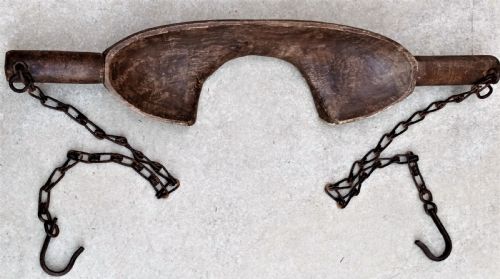
Dairy maids once relied on carved wooden shoulder yokes to balance heavy pails across the farmyard, turning routine chores into a steady, swinging march.
What varies in quality
The distinction between ordinary utility items and exceptional pieces rests upon the choice of timber and the precision of the cooper's work. Finely figured mahogany, rich walnut grain, and intricate brass banding elevate formal wine coolers and peat buckets far above plain utilitarian storage barrels.
Proportion and originality dictate long-term appeal, particularly where stands, liners, and swing handles remain intact without extensive replacement. Pieces that retain their original patination and well-fitted construction display the true standard of the maker's craft.
The Antique Wood Bucket Glossary
- Coopered
- Constructed from wooden staves fitted together side by side and bound with metal or wooden hoops. This technique is essential for holding liquids or loose materials securely.
- Peat bucket
- A deep container designed to hold peat fuel for indoor fires, frequently featuring a brass liner and a swing handle for carrying. Many surviving examples originate from Dutch or Scottish workshops.
- Jardinière
- An ornamental pot or stand for holding plants and flowers, often adapted from traditional bucket forms during the nineteenth century. These items frequently display fine woodwork and brass fittings.
- Plate bucket
- A cylindrical vessel traditionally used in Georgian dining rooms to store and transport ceramic plates. They typically feature vertical staves and reinforced rims.
- Teestoof
- A Dutch foot warmer or small stove designed to hold hot embers beneath a seat or inside a wooden housing. These pieces often include pierced lids and metal liners.
Antique Wood Bucket: Frequently Asked Questions
How were antique wood buckets used?
These vessels fulfilled numerous domestic duties near the hearth and dining table, from holding coal, logs, and peat for fires to chilling wine and storing plates.
Over time, many of these utilitarian containers were repurposed as decorative planters, jardinières, or umbrella stands within country houses and parlours.
What woods were used for these buckets?
Cabinetmakers and coopers utilised a wide range of native and imported timbers depending on the intended function and style of the piece. Formal wine coolers and peat buckets typically feature rich mahogany or walnut, sometimes enhanced with inlay.
More rustic items rely on sturdy domestic woods such as oak, elm, fruitwood, beech, and pine, paired with iron or brass bands for structural reinforcement.
How do I identify a Georgian bucket?
Georgian pieces, particularly those dating from the eighteenth century, usually display refined mahogany construction with sophisticated brass banding and oval or boat-shaped profiles.
They often served as table wine coolers or plate buckets in formal dining rooms, contrasting with the heavier, more rustic Victorian fuel bins.
Are original metal liners common?
Many surviving peat buckets, tea stoves, and wine coolers retain their period metal or brass liners, which protected the wooden staves from moisture and heat.
Because these liners endured heavy use with damp fuel or ice, their presence adds significantly to the historical completeness of the piece.
How should I care for a wood bucket?
Keeping wooden containers away from direct heat sources and sudden temperature fluctuations prevents the staves from drying out and shrinking.
Applying a traditional wax polish maintains the natural lustre of the timber and preserves the historic surface patination without sealing the grain.