
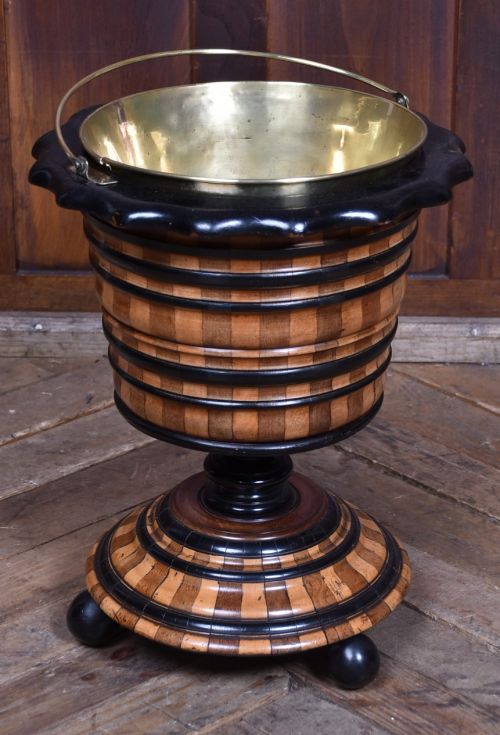
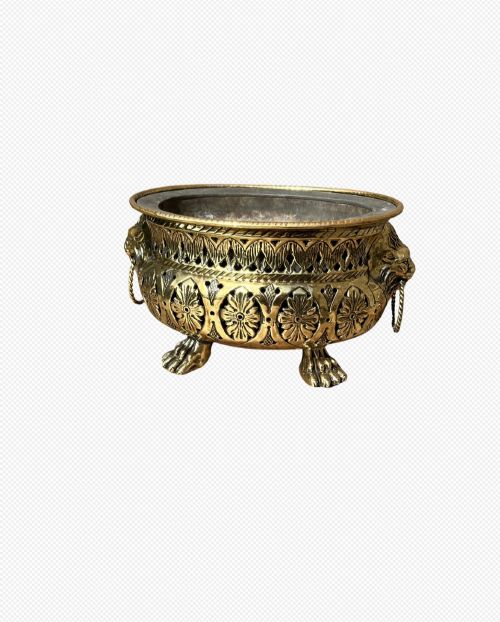
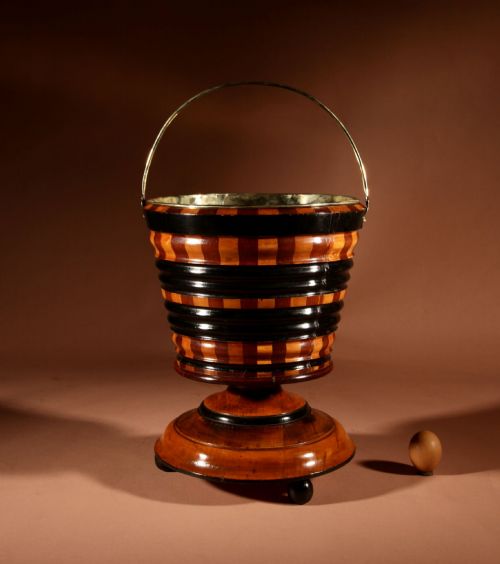
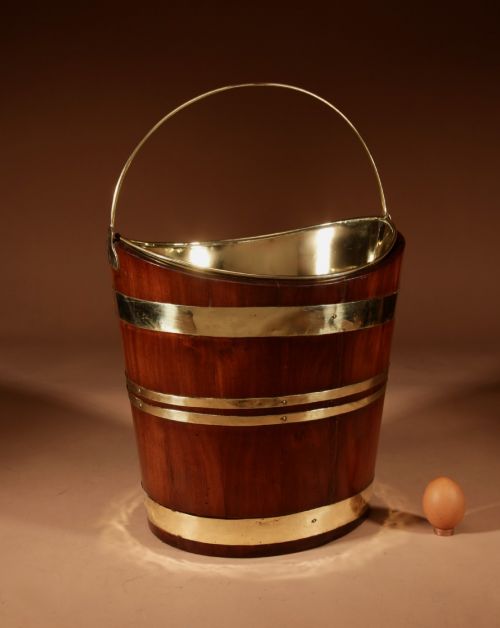





Brass Liner Planter
A brass liner planter brings warmth and texture to a room, combining rich timber and gleaming metal for practical interior display.
Brass Liner Planter
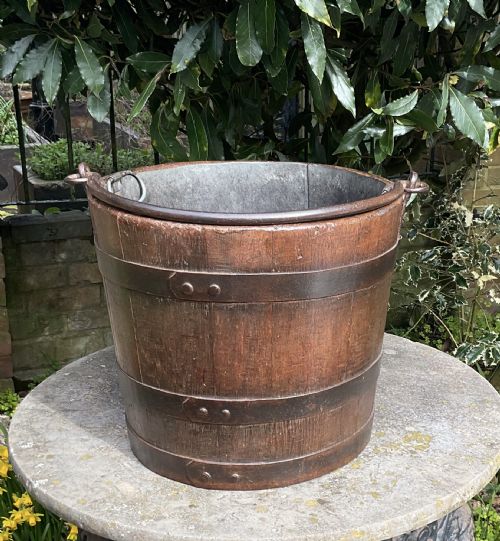
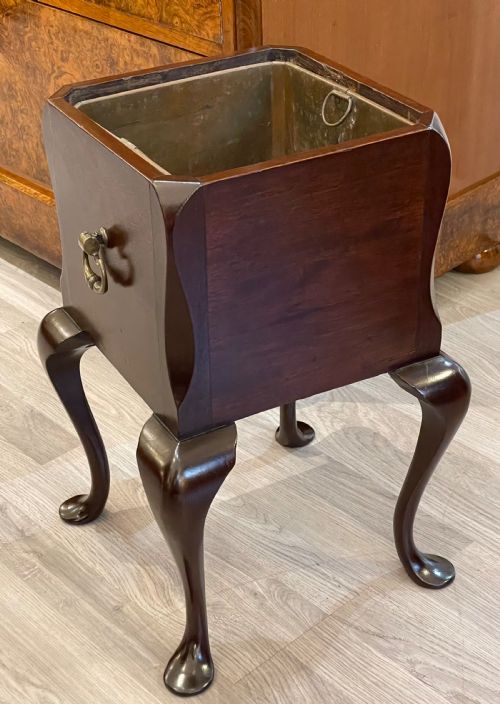
When you search for a brass liner planter, you encounter a specialised vessel designed to hold plants or manage fuel beside the hearth. These pieces bridge decorative arts and functional utility, taking the form of coopered buckets, boat-shaped vessels, and standing jardinieres.
The selections span several distinct eras, drawing heavily on Georgian, Victorian, and Edwardian periods alongside Dutch traditional designs. Mahogany, walnut, ebonised wood, and mixed hardwoods form the primary bodies, whilst the metal liner sits inside to protect the timber from moisture.
Forms vary from floor-standing wine coolers and coal buckets to table tea stoves and peat buckets. The British and continental traditions meet in these items, showing how domestic equipment evolved to serve both the parlour and the drawing room.
Materials and construction
Coopered construction forms the backbone of many pieces, using shaped vertical staves bound together by tight metal bands to create watertight wooden cylinders. Mahogany, oak, and walnut provide durable bodies, sometimes enhanced by marquetry inlay or satinwood and rosewood veneers.
Metalwork plays a central role through pierced brass panels, cast mounts, and removable brass inserts designed to contain soil or water. Cabinetmakers shaped these vessels with the same joinery techniques applied to fine furniture, ensuring structural integrity alongside decorative presence.
Some containers started life warming tea kettles before ending up holding ferns.
Distinctions in quality
Quality rests in the precision of the cooperage, the weight and thickness of the brass fittings, and the integrity of the timber selection. Finer examples display tight joints, carefully figured grain, and hand-pierced metalwork rather than stamped uniformity.
The relationship between the wooden exterior and the internal metal liner reveals the maker's original intention and care. Pieces featuring original brass liners and cohesive proportioning stand apart from standard utility items.
The Brass Liner Planter Glossary
- Coopered wood
- Construction method using curved wooden staves bound with metal hoops, traditionally used for barrels and buckets.
- Jardiniere
- An ornamental pot or stand for holding plants or flowers, typically designed for interior display.
- Teestoof
- A Dutch warming stove or foot warmer, often adapted historically to serve as a small planter or bucket.
- Marquetry
- Decorative inlay work where pieces of wood veneer are fitted into a background to create intricate patterns.
- Cellarette
- A lockable container used for holding bottles of wine or spirits, often sharing forms with early planters.
Brass Liner Planter: Frequently Asked Questions
What is a brass liner planter used for?
These vessels serve primarily to hold potted plants, floral arrangements, or greenery inside the home while protecting furniture and floors from moisture. Historically, many of these same forms held peat, coal, or wine.
The inclusion of a metal insert allowed owners to water plants directly without damaging the surrounding timber structure. Today, they function chiefly as decorative jardiniere stands and distinctive cachepots.
How do I care for antique wood and brass?
Maintain the timber surfaces with occasional applications of traditional wax to nourish the grain and preserve the finish. Avoid placing damp pots directly onto unprotected wooden sections.
Polish the brass liner and fittings sparingly using a mild, non-abrasive cleaner to maintain their character. Keeping these items away from direct heat sources prevents the wood staves from drying and shrinking.
Are these planters watertight?
Many pieces retain their original metal liners, which were designed to hold moisture for live plants. However, centuries of use can create small fissures in older metal inserts.
It is sensible to test the liner independently before placing a potted plant inside to ensure it remains completely secure. Modern plastic saucers can also sit discreetly within the brass liner for absolute safety.
How can I tell a Georgian piece from an Edwardian one?
Georgian examples generally display restrained mahogany forms with classical proportions and simple brass banding. Their construction reflects eighteenth-century cabinetmaking priorities.
Edwardian pieces often embrace a wider range of revived styles, sometimes incorporating lighter satinwood or more exuberant brass decoration. The specific wood species and joinery details usually clarify the manufacturing period.
What is a Dutch schuitje?
A schuitje, meaning little boat in Dutch, refers to the distinctive boat-like curved shape found on certain continental peat buckets and planters. These pieces feature swept ends and tapered sides.
Cabinetmakers utilised this profile to create elegant table or floor vessels that echoed maritime forms. They frequently appear in mahogany with robust brass mounts and handles.