




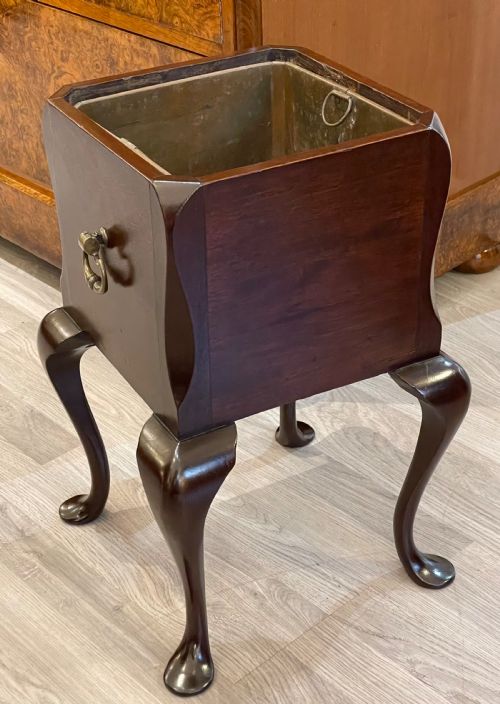


18th Century Jardiniere
An 18th century jardiniere brings living foliage indoors through hammered metals and glazed earthenwares shaped for botanical display.
18th Century Jardiniere
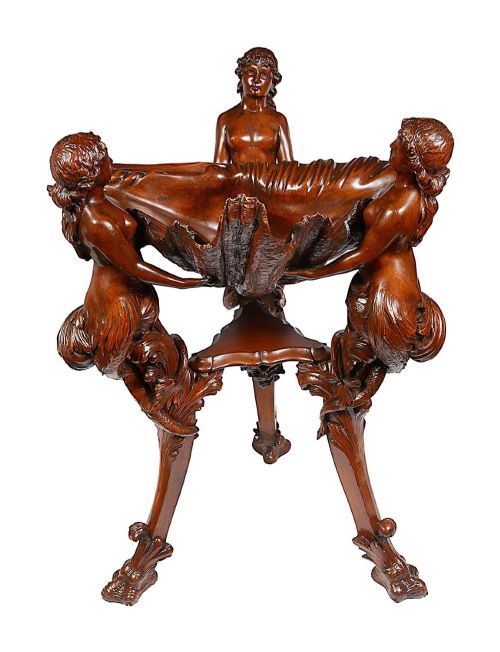
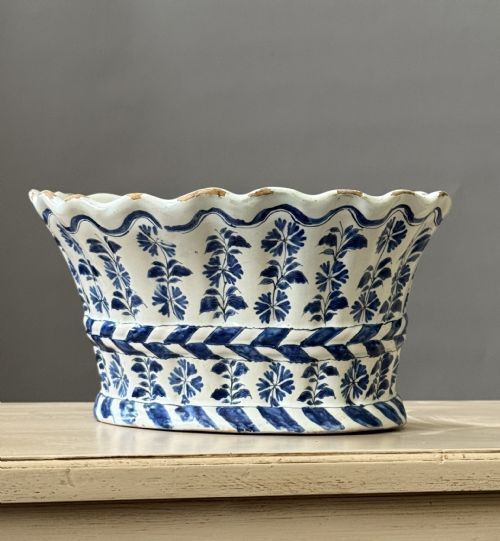
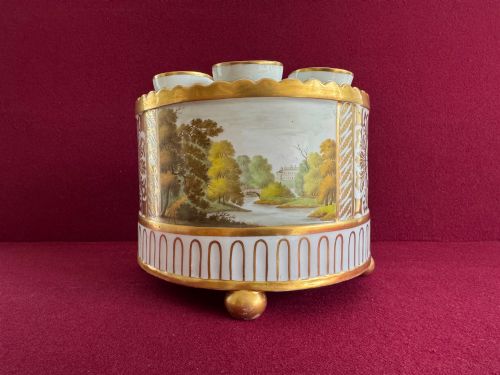
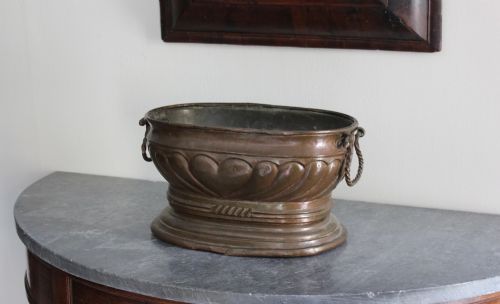
An 18th century jardiniere functions as a vessel designed specifically to hold plants and flowers within domestic interiors. These pieces encompass forms described variously as planters, bough pots, wine coolers, and wine cisterns across the inventory.
How they were made
Metal vessels utilise hand-beaten brass and copper, frequently secured with brass banding or combined with timber frames. Cabinetmakers constructed wooden examples using mahogany, walnut, satinwood, and rosewood, often enhanced with marquetry inlay.
Ceramic pieces rely on porcelain, tin-glazed earthenware, and glaze techniques, representing both European Delftware and Asian export manufacturing methods.
18th Century Jardiniere Retail Price Guide 2026
Typical asking prices for 18th century jardiniere among the pieces listed under this phrase on Sellingantiques today, from the lower quarter to the upper quarter. They describe what is for sale here now, not the wider market.
One listed painting depicts a Madonna holding the infant Christ alongside Saint John, named after Raphael's famous work 'La Belle Jardinière'.
What varies in quality
Quality rests upon the execution of surface decoration and the integrity of material construction. Hand-painted ceramic glazes and intricate marquetry woodwork demonstrate higher artisan skill than simpler utility pieces.
The integration of supportive metal fittings, such as secure brass bands on wooden staves or robust handles on copper bowls, distinguishes superior domestic vessels.
The 18th Century Jardiniere Glossary
- Bough pot
- A vessel designed to hold cut branches or flower boughs for indoor decoration. These containers often feature pierced lids to keep stems upright.
- Wine cistern
- A large metal or ceramic basin originally used for chilling multiple wine bottles in ice. Their deep waterproof wells made them easily adaptable as plant holders.
- Tin-glazed earthenware
- Pottery coated with a tin oxide glaze that turns white and opaque when fired. This surface provides a smooth ground for painted decoration.
- Marquetry
- The art of applying thin veneers of various coloured woods to a structural carcass to form decorative patterns. This technique appears on decorative planters and stands.
- Arita Imari
- Japanese porcelain produced in the town of Arita and exported to Europe. These wares feature characteristic underglaze blue and overglaze iron red and gold.
18th Century Jardiniere: Frequently Asked Questions
What is an 18th century jardiniere used for?
These vessels served primarily to hold potted plants, cut flowers, or boughs inside domestic rooms. Their waterproof interiors protected household furniture from moisture.
Many examples double as wine coolers or cisterns, reflecting the multi-purpose nature of large decorative bowls during the period.
How do I identify a Georgian jardiniere?
Georgian examples typically feature rich timbers such as mahogany or walnut, frequently accented with brass bands and carrying handles. English pieces often take the form of coopered staves resembling miniature barrels.
Matching stands or furniture pieces built specifically to elevate the planter also point toward eighteenth-century English domestic design.
Are these vessels waterproof?
Metal vessels constructed from solid brass or copper generally retain water well, though soldered joints require gentle care. Wooden planters often feature fitted metal liners to protect the timber staves.
Earthenware and porcelain pieces hold water through their glazed ceramic bodies, but older glazes can develop hairline crazing over centuries.
What is the difference between a jardiniere and a bough pot?
A jardiniere functions broadly as an ornamental pot for growing plants or holding floral arrangements. A bough pot specifically denotes a container meant for leafy branches.
Bough pots frequently incorporate removable lids with multiple holes to arrange stems neatly, whereas jardinieres feature open tops.