




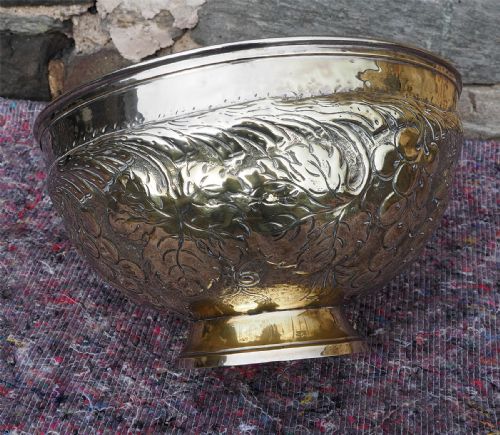
Brass Champagne Bucket
A brass champagne bucket brings weight and gleam to a room, holding ice and bottles with the heft of genuine period manufacture.
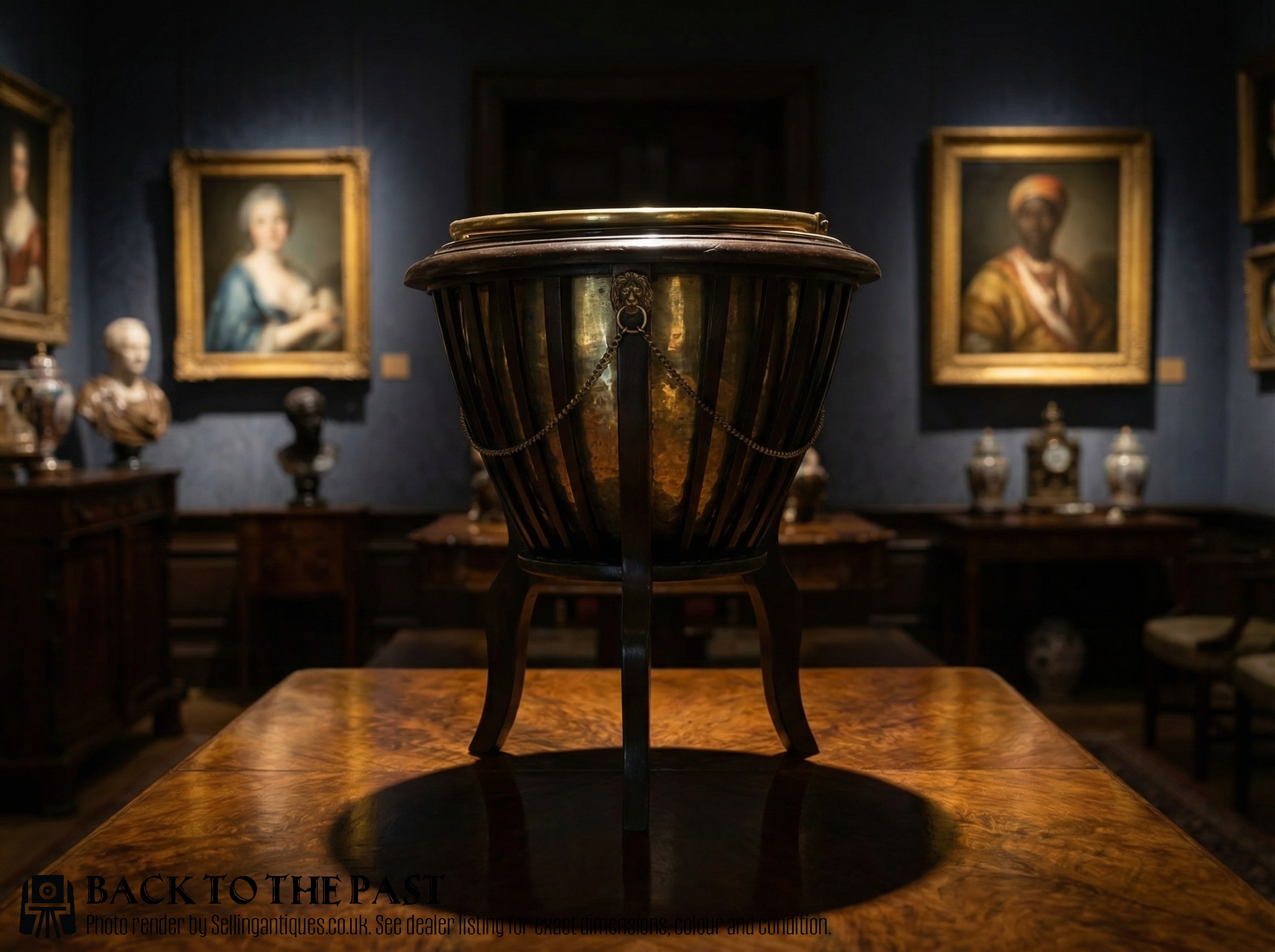
Brass Champagne Bucket
When you search for a brass champagne bucket, you encounter vessels designed to chill wine or serve as planters, spanning from the Georgian period through to Edwardian times. These pieces draw on materials like copper, mahogany, oak, and zinc alongside brass, reflecting utilitarian origins shifted into decorative domestic use.
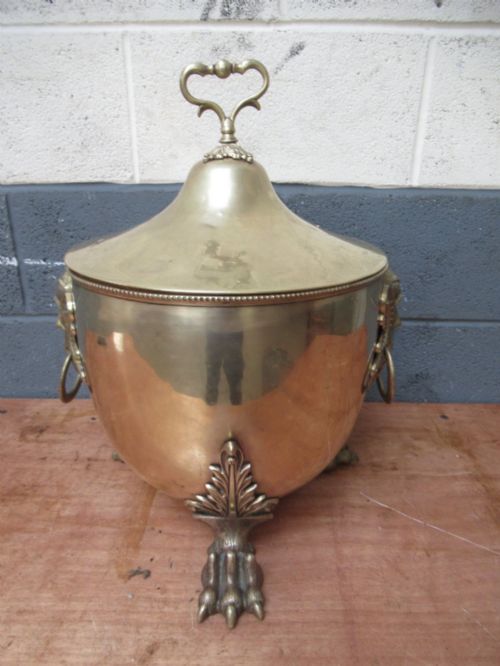
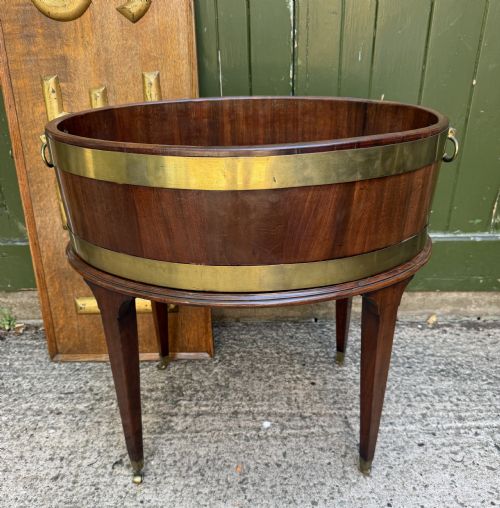
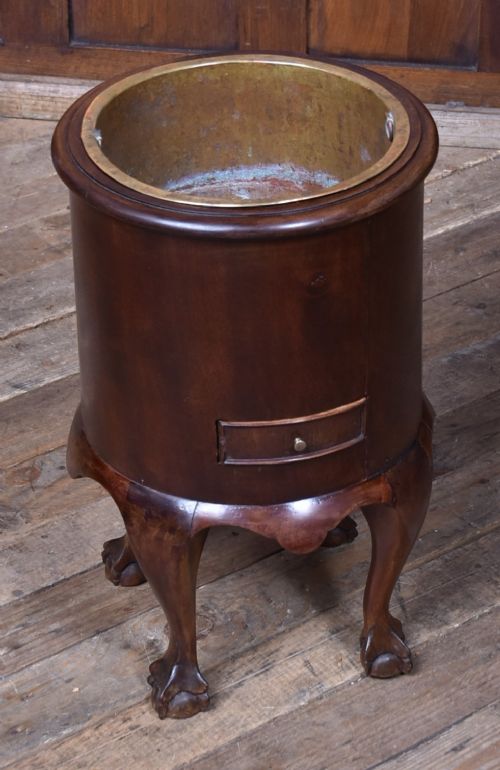
You are most likely to meet mahogany buckets bound with brass bands from the Georgian era or heavy cast brass and copper vessels from French and English workshops of the nineteenth century. Many double as jardinières or table wine coolers, showing the versatility of vessels originally built for heavy entertaining.
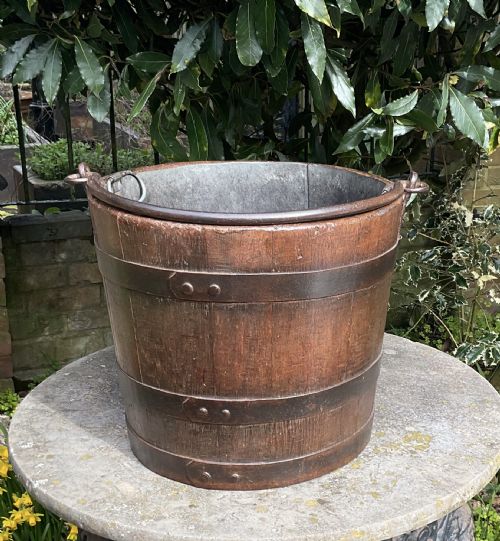
The form ranges from oval coopered timber staves secured with brass hoops to freestanding stands and two-handled trophy vases cast in solid metal. Whether dating from the eighteenth century or the early nineteen hundreds, each piece carries the marks of hand-assembly and period dining rituals.
What varies in quality
The distinction between standard utility items and finer examples lies in the weight of the metal, the precision of the cooperage, and the crispness of any cast mounts. Heavy gauge brass and well-fitted timber staves indicate robust original construction that survives centuries of handling.
Proportion and surface finish dictate desirability, particularly where hand-beaten hammering, original liners, or patinated mahogany meet integrated stands. Pieces retaining their fitted interiors and sturdy brass bands command attention for their integrity.
Listings feature items from the eighteenth, nineteenth, and early twentieth centuries, spanning Georgian, Victorian, Edwardian, and Art Nouveau periods.
The Brass Champagne Bucket Glossary
- Coopered
- Built from vertical wooden staves joined edge to edge and bound with metal hoops. This method was essential for watertight vessels like buckets and wine coolers.
- Jardinière
- An ornamental pot or stand for holding plants or flowers. Many period wine coolers served this dual purpose in grand rooms.
- Gilt bronze
- Bronze mounted with a finely applied layer of gold. This material often appears on French decorative mounts and handles.
- Zinc liner
- A metal insert placed inside wooden buckets to protect the timber from melting ice and water. Original liners add authenticity to period coolers.
- Trophy vase
- A large, two-handled vessel modelled after athletic prizes. In later nineteenth-century work, these forms were adapted into heavy champagne buckets.
Brass Champagne Bucket: Frequently Asked Questions
How do I clean a brass bucket?
Use a soft cloth and warm soapy water to remove surface dust without disturbing the aged surface. Avoid harsh chemical polishes that strip the historic character from the metal.
Dry the piece thoroughly immediately after washing to prevent spotting, particularly on brass and copper surfaces that react to moisture.
Can I use an antique bucket for ice?
Many period vessels retain their original zinc or metal liners, making them structurally capable of holding ice and bottles. You should check the internal lining for leaks before filling.
If the piece lacks a waterproof liner, place a modern plastic insert inside to protect the historic timber or unsealed metal from standing water.
How do I date a brass wine cooler?
Examine the construction methods, such as hand-cut dovetails, the gauge of the brass, and the style of the handles or feet. Georgian pieces often show simpler mahogany grain and heavy brass hoops.
Later Victorian and Edwardian examples frequently incorporate elaborate cast ornament, silver plating, or distinct maker styles associated with Art Nouveau and Arts and Crafts movements.