


Antique Brass Bucket
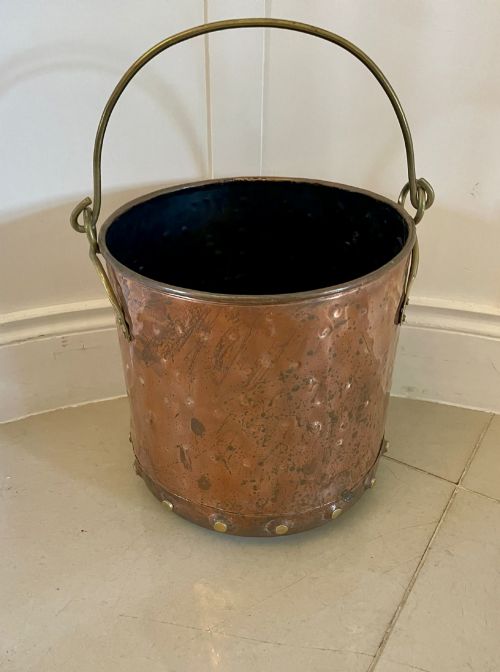
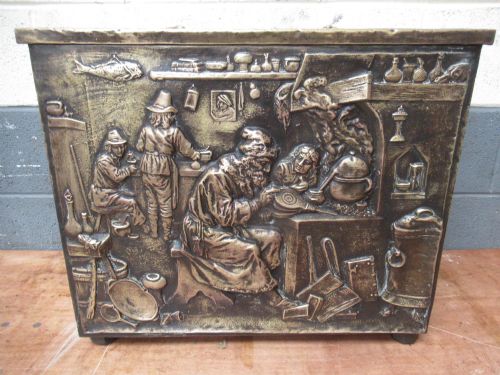
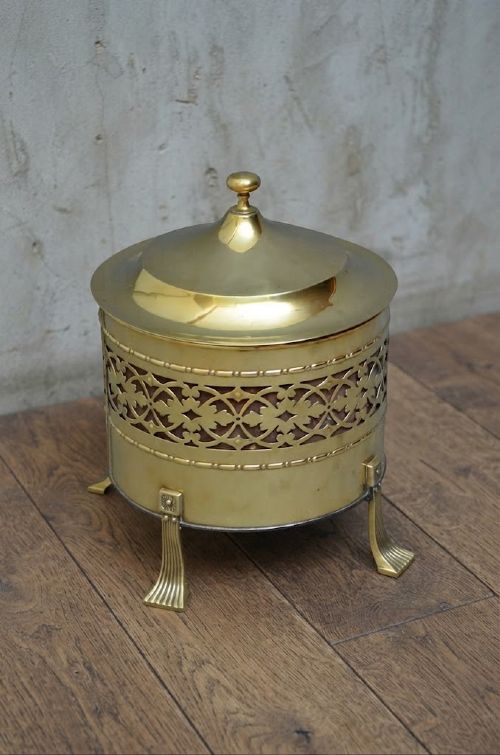
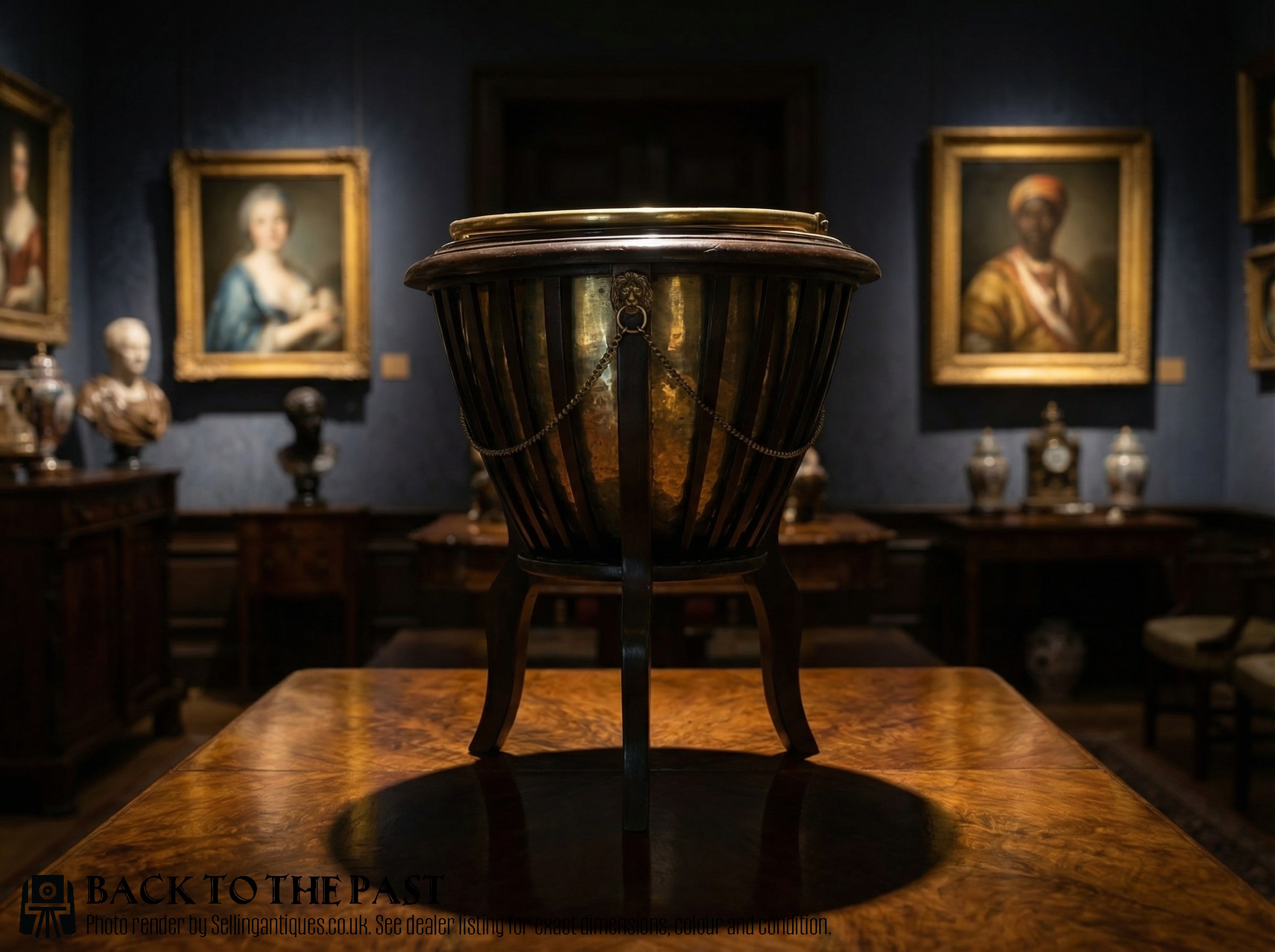
An antique brass bucket brings substantial metalwork and rich timber framing into a room as a functional container or planter.
Antique Brass Bucket
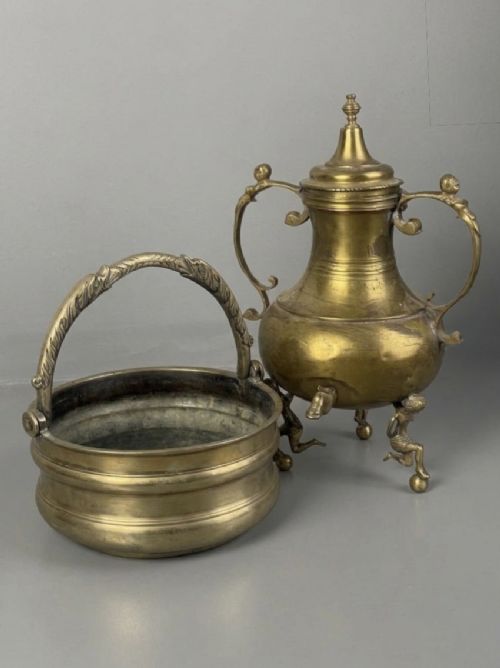
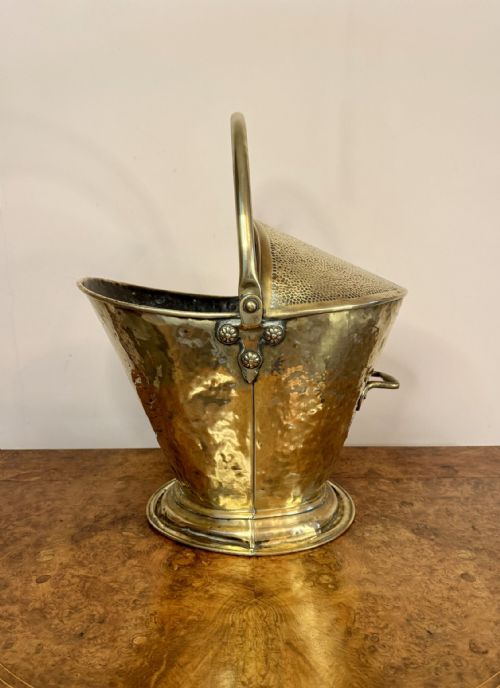
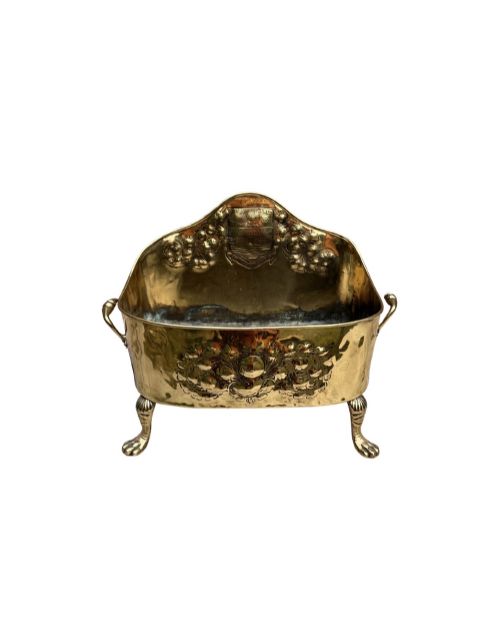
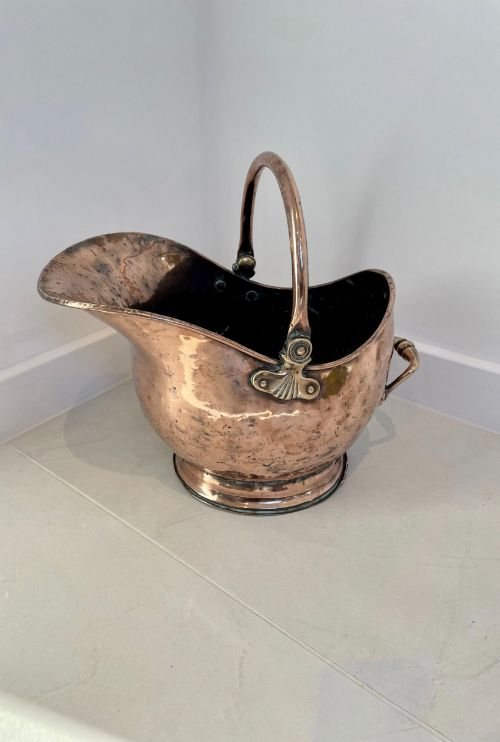
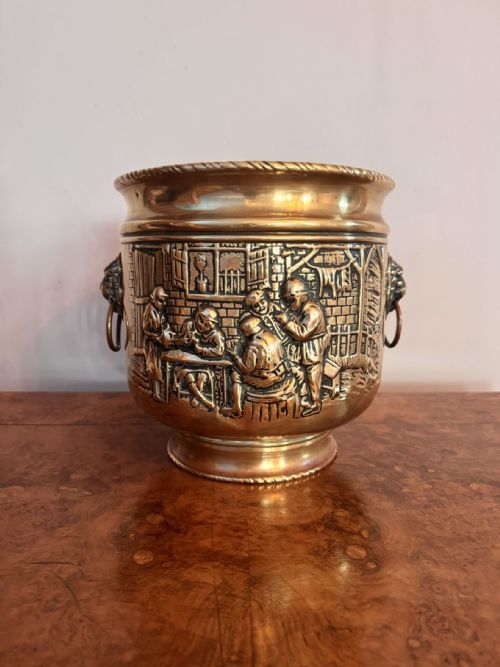
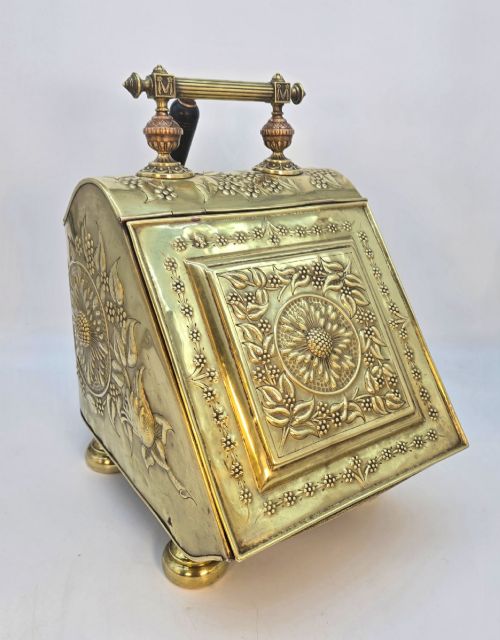
The term antique brass bucket covers a wide family of heavy domestic vessels, including coal scuttles, log bins, wine coolers, and jardinières shaped for the hearth or table. Buyers seeking one of these pieces will encounter domestic metalware designed for utility alongside decorative receptacles intended to hold plants or fuel.
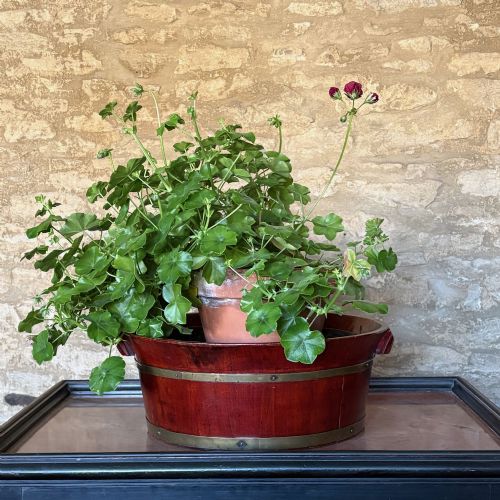
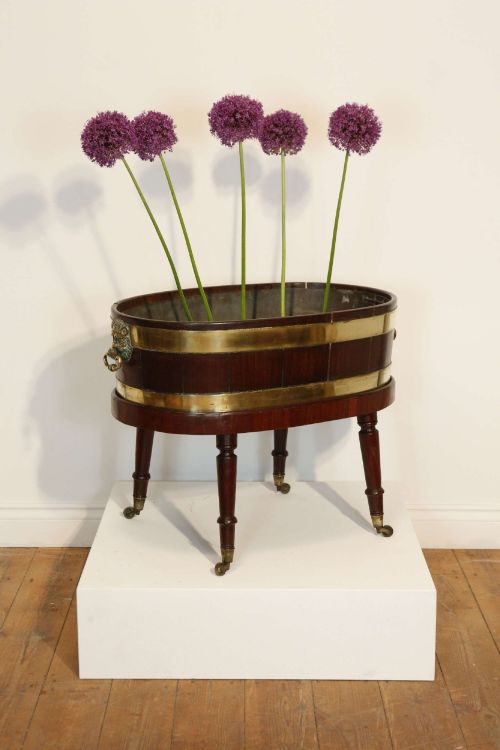
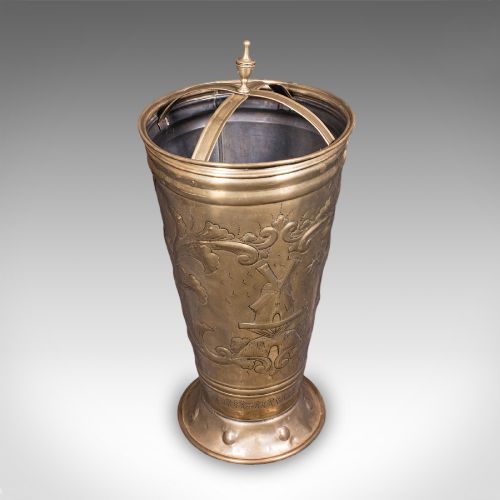
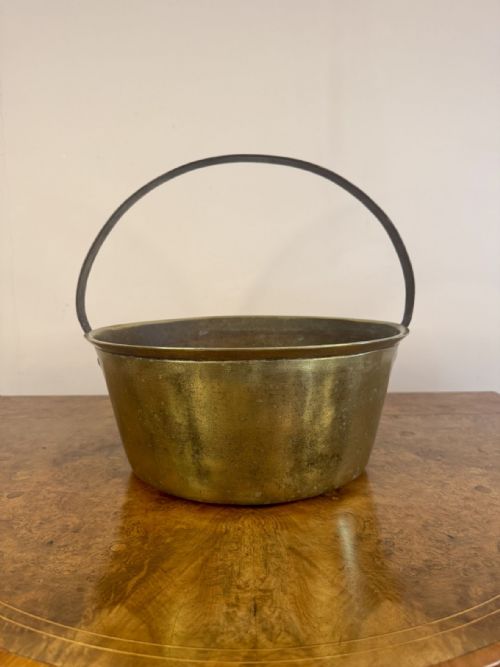
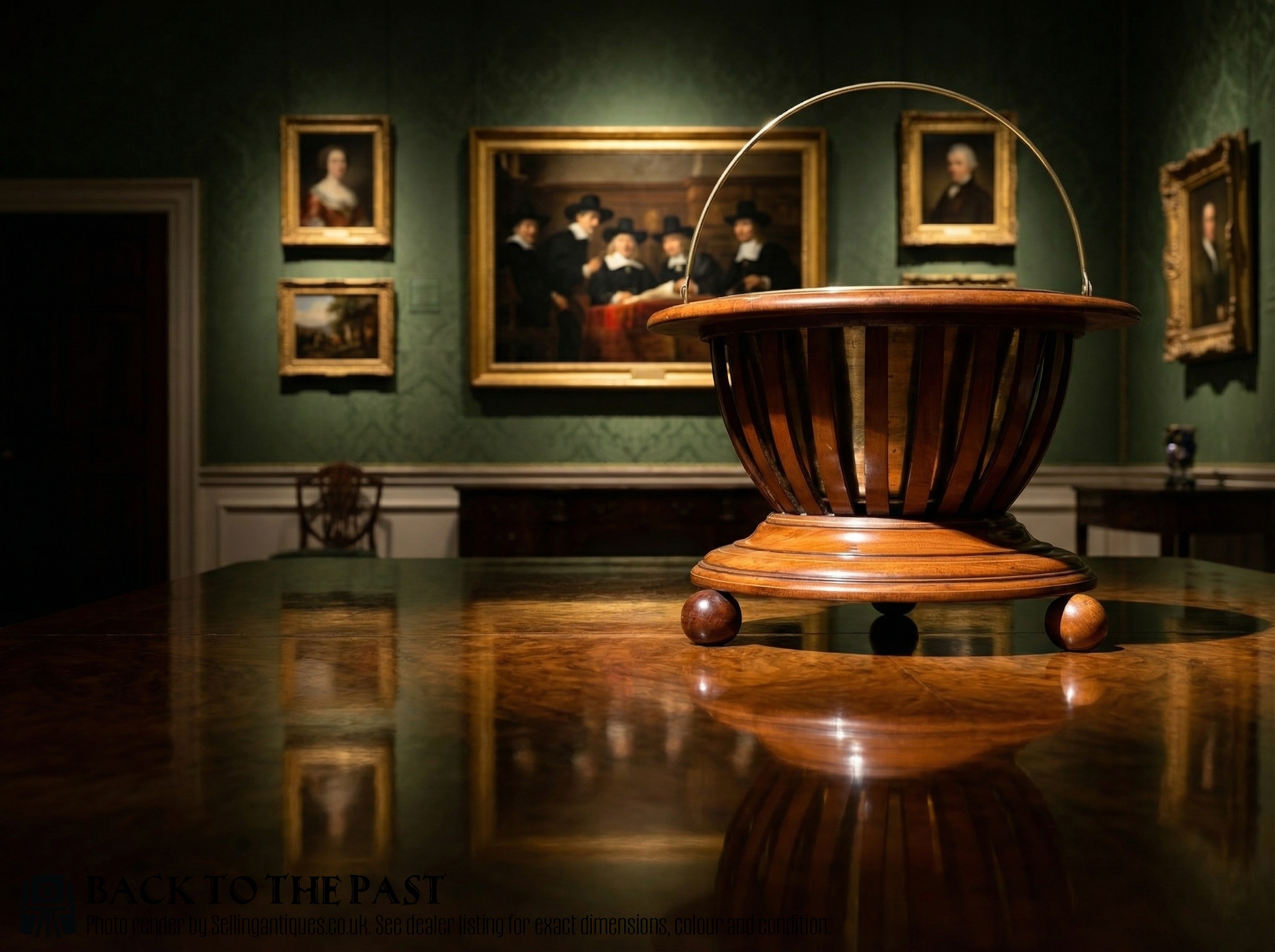
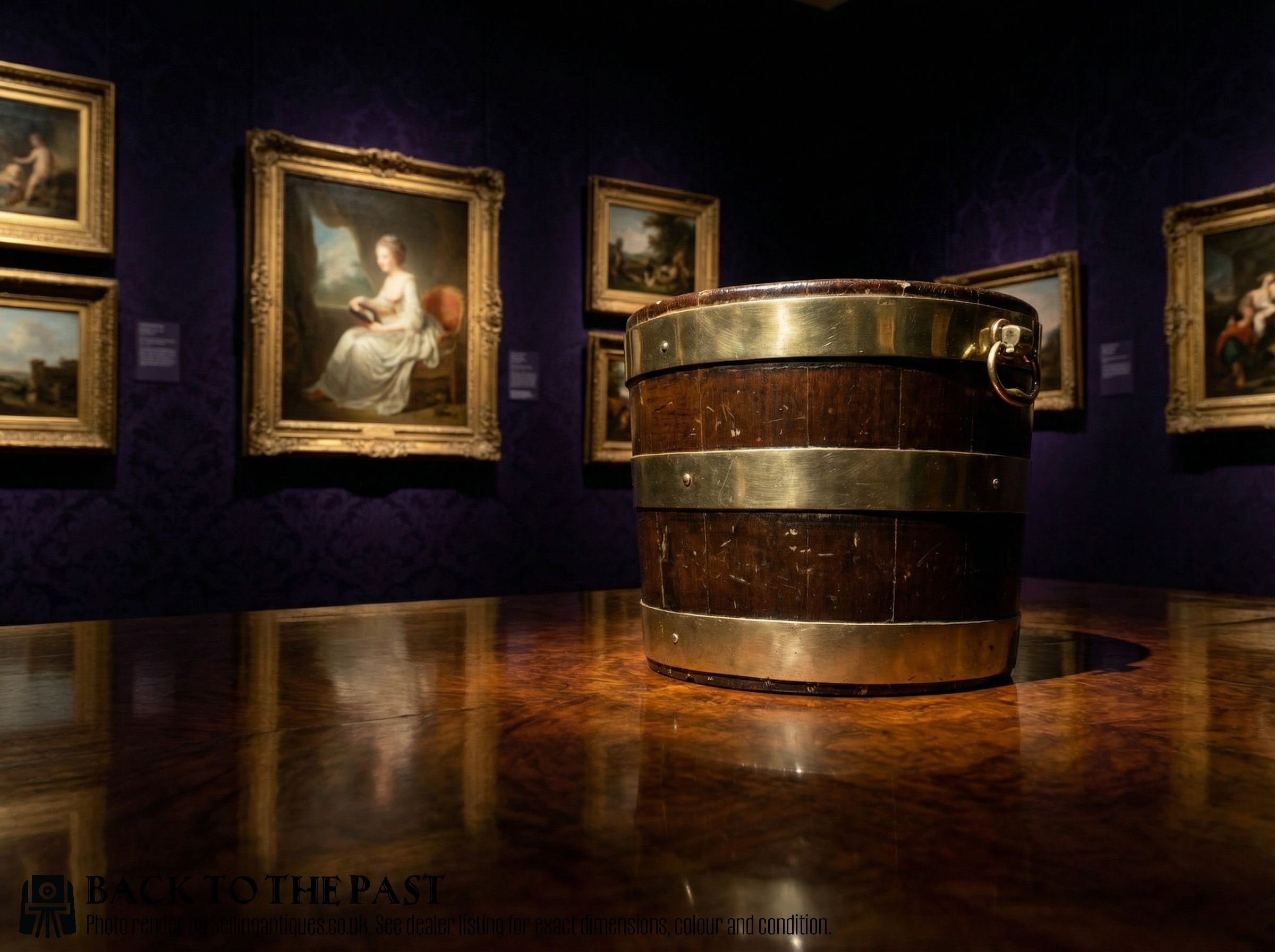
Victorian and Edwardian examples dominate the available selection, often taking the form of embossed coal buckets or handled cauldrons with swing arms. Earlier Georgian iterations lean towards coopered mahogany vessels bound tightly in heavy brass bands for the dining room.
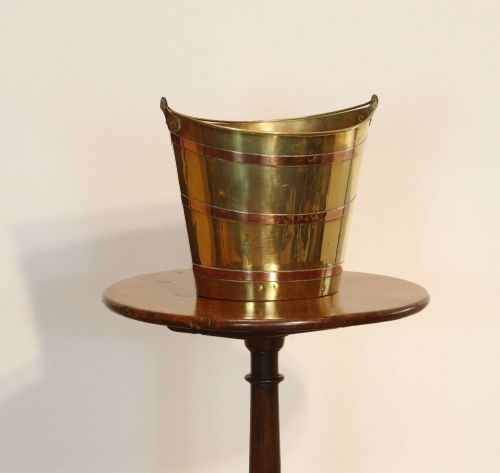
Dutch and English designs frequently cross paths in these listings, showing distinct styles such as footed cauldrons, boat-shaped peat buckets, and riveted cylindrical bins. Whether deployed beside a fireplace or repurposed as an indoor planter, each object relies on sturdy construction from past centuries.
Materials and Techniques
Makers constructed these vessels primarily from sheet brass and beaten copper, frequently combining both metals within a single piece through riveting or soldered seams. Handles, lion mask mounts, and claw feet were cast separately and attached firmly to the main body.
Wooden examples utilise coopered staves of oak or mahogany, shaped tightly together and secured by heavy brass bands rather than glue alone. Artisans finished metal surfaces either by hand hammering, embossing floral motifs, or polishing the sheet brass to a bright finish.
Antique Brass Bucket Retail Price Guide 2026
Typical asking prices for brass bucket among the pieces listed under this phrase on Sellingantiques today, from the lower quarter to the upper quarter. They describe what is for sale here now, not the wider market.
Listings feature brass, copper, mahogany, oak, and iron across Victorian, Georgian, and Edwardian periods.
Assessing the Craft
Quality rests in the weight of the metal and the integrity of the original construction, distinguishing heavy cast components from thin modern sheet metal. Pieces featuring hand-hammered detailing, secure dovetail or coopered joints, and intact period liners show superior original intent.
The harmony of mixed materials also defines the better items, where brass bands sit flush against richly grained mahogany or copper bodies display crisp, deliberate riveted seams without replacement hardware.
Henry Loveridge
The Antique Brass Bucket Glossary
- Coopered
- Constructed from wooden staves bound together with metal hoops, much like a traditional barrel. This method gave strength to wine coolers and peat buckets.
- Jardiniere
- An ornamental pot or stand designed to hold growing plants or flowers. These vessels often double as decorative cachepots.
- Scuttle
- A metal coal holder featuring a sloping mouth and a swing handle for carrying fuel to a fireplace. Many include a matching scoop.
- Coal Bin
- A lidded or open floor vessel used for storing larger quantities of fuel beside the hearth. They frequently incorporate brass bands and drop handles.
- Campaign
- Portable furniture or equipment designed for military officers on the move. Anglo-Indian examples often feature sturdy brass mounts for travel.
Antique Brass Bucket: Frequently Asked Questions
How were antique brass buckets originally used?
These vessels served practical daily duties around the home, primarily holding coal or peat by the fireplace or chilling wine at the dining table.
Over time, many shifted into decorative roles as planters or umbrella stands once central heating reduced the need for hearth scuttles.
How do I clean an antique brass bucket?
Most owners simply dust the surface with a dry cloth to preserve the mellow oxidation accumulated over decades of age.
Applying harsh metal polishes removes the historic patina and can weaken thin embossed details on Victorian and Georgian surfaces.
Are wooden buckets with brass bands genuine?
Coopered timber vessels bound in brass bands date largely to the Georgian and Victorian periods, utilised as wine coolers or plate buckets.
Examining the grain of the oak or mahogany and the handmade nature of the brass joints helps confirm the period authenticity.
Can I use an antique bucket as a planter?
Many examples adapt readily to holding potted plants, provided the inner base remains watertight or houses a modern plastic liner.
Direct contact with wet soil accelerates corrosion on older metal surfaces, making a protective inner container essential for preservation.