



Fireside Coal Container
These fireside coal container examples combine utility and hearthside decoration, forged in copper, brass, and oak from the Victorian era onward.

Fireside Coal Container
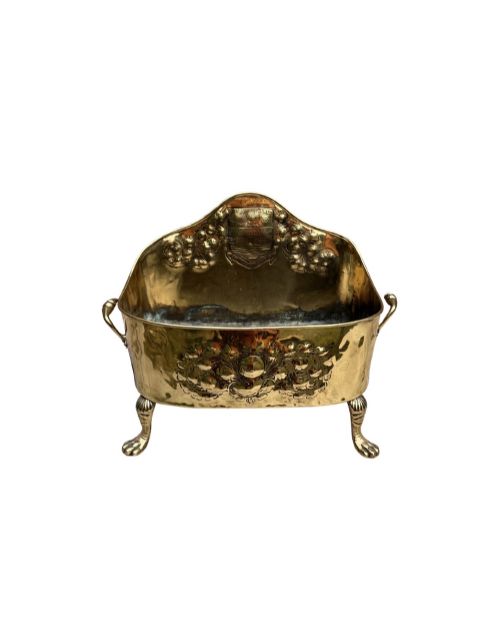
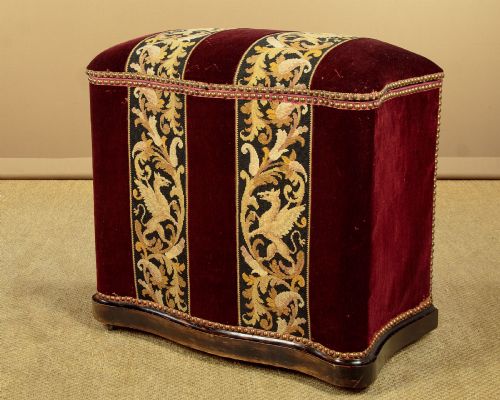
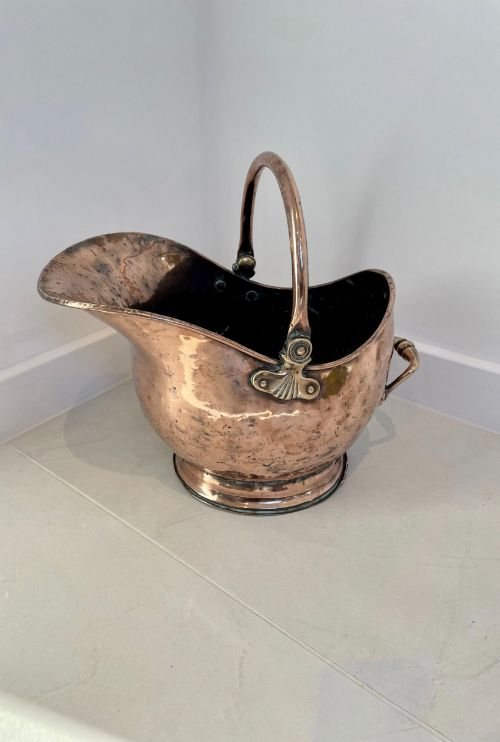
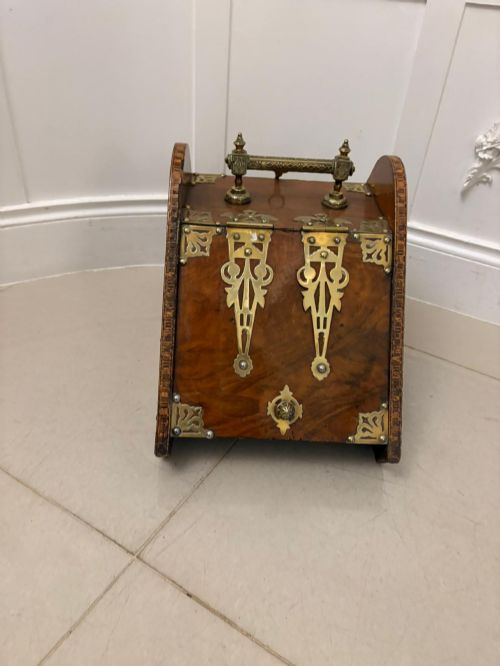
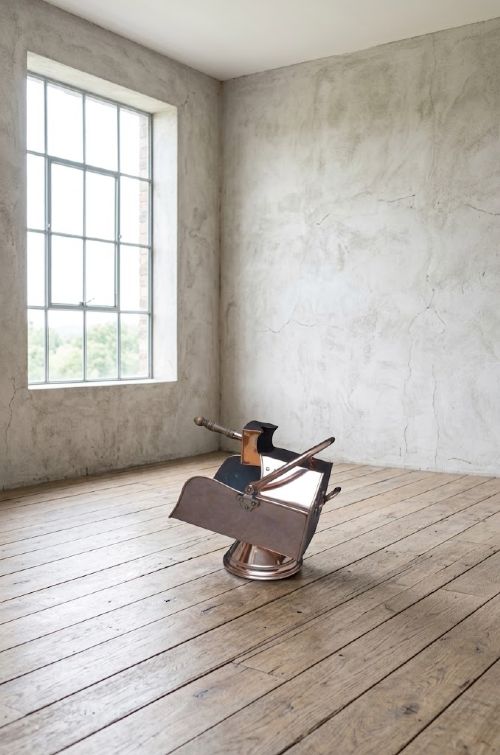
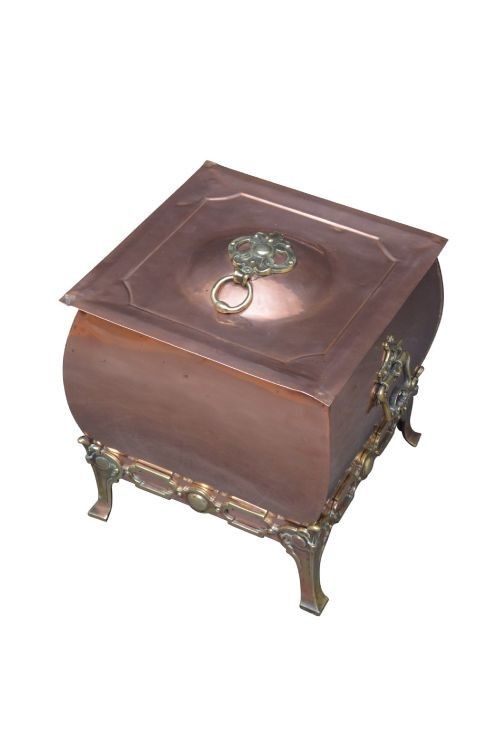
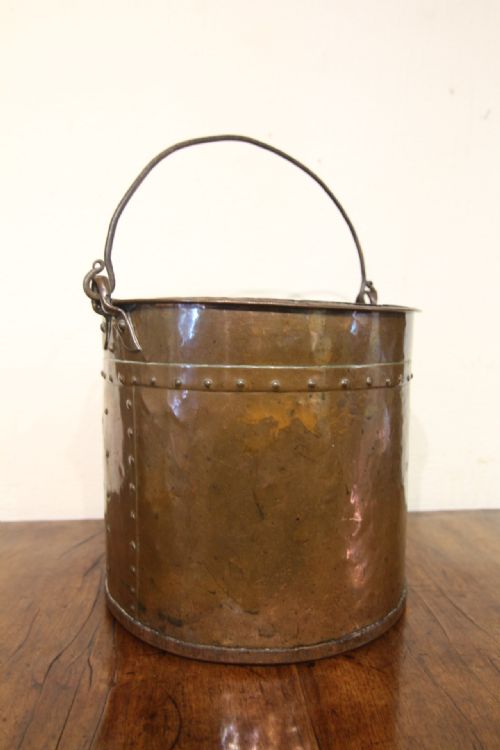
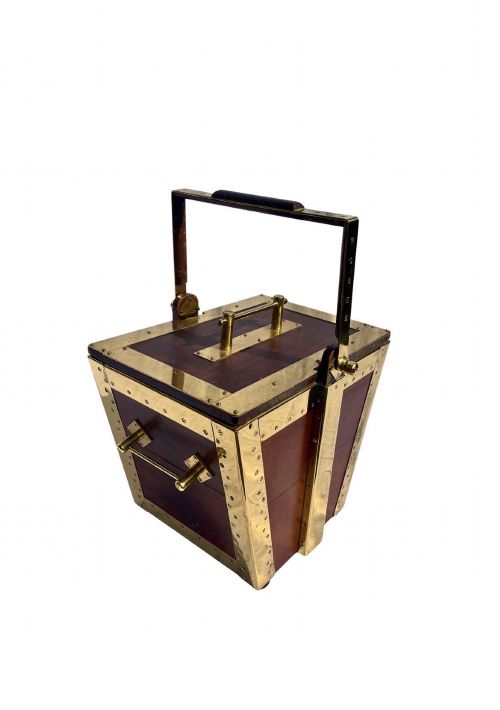
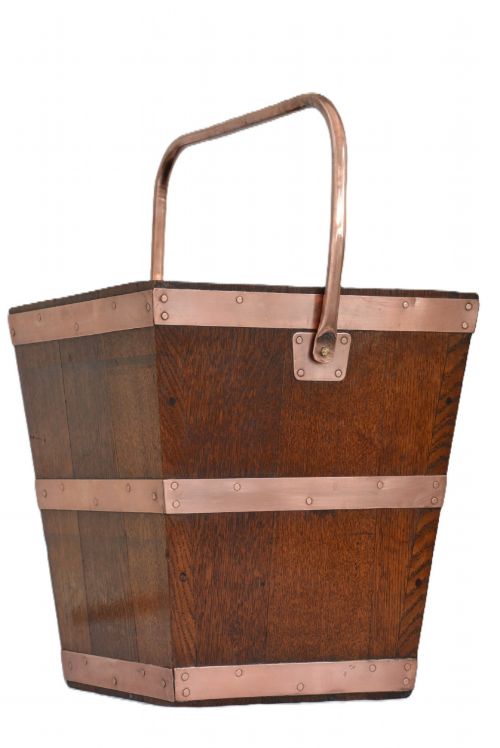
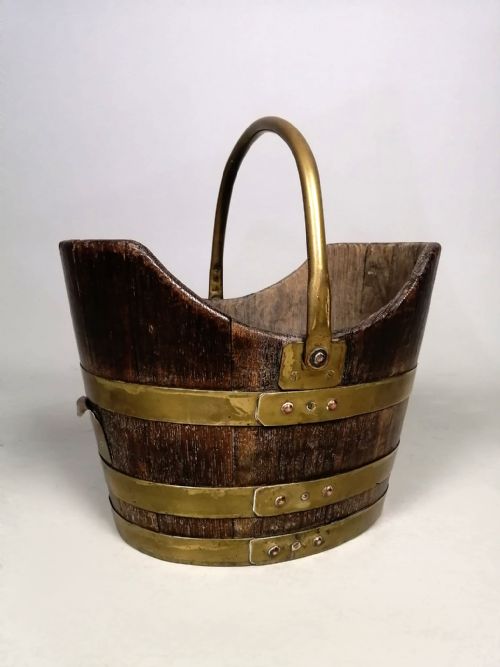
A fireside coal container serves to store fuel beside the hearth, taking the form of buckets, scuttles, helmets, and boxes. The examples seen on this page span the Victorian and Edwardian periods, stretching from the nineteenth century into the twentieth.
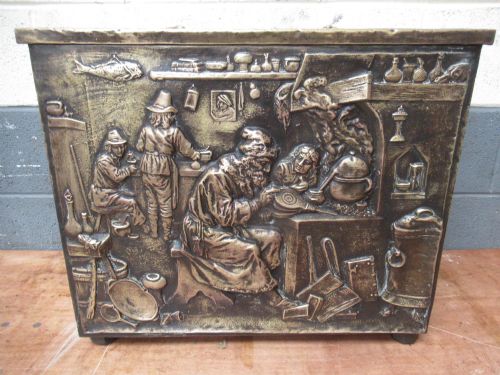
Brass and copper dominate the metal versions, often paired with iron handles or linings. Wooden pieces appear in oak, frequently taking the form of coopered buckets or Purdonium boxes fitted with interior shovels.
Stylistic influences range from plain country utility to the decorative flourishes of Arts and Crafts and Art Nouveau designs. Many pieces double as plant pots or log bins in modern rooms.
Materials and construction
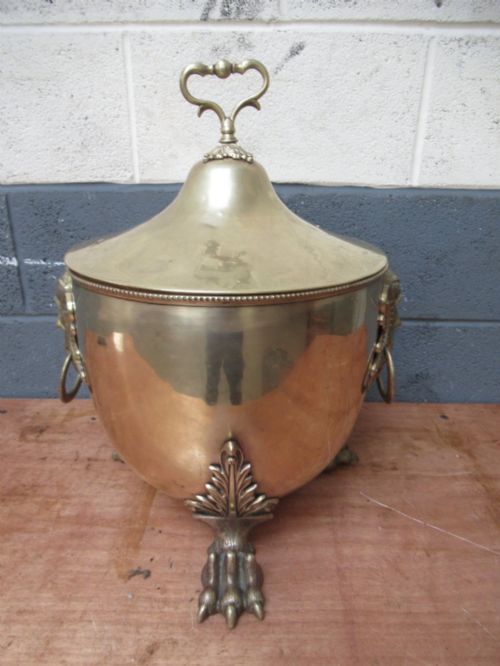
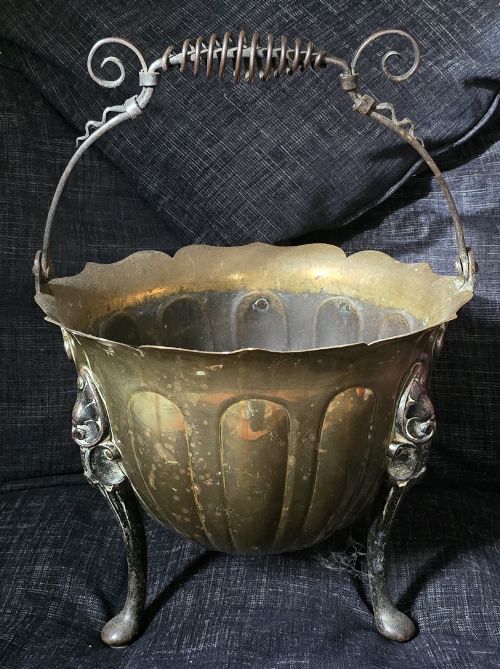
Metal containers rely on sheet brass and copper, joined with visible rivets or formed into helmets and buckets with rolled rims. Wrought iron and galvanised metal provide sturdy frames and handles for heavy fuel storage.
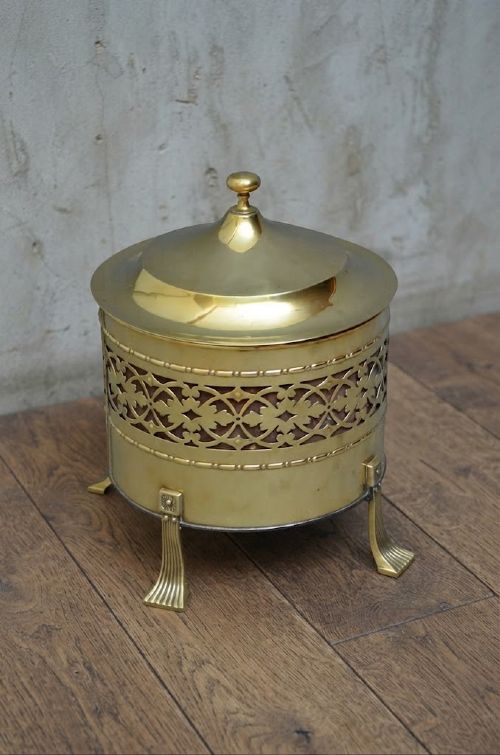
Wooden items utilise traditional coopering techniques with staves and bands, or joinery in solid oak for lidded coal boxes. Embossed details, fretwork designs, and hand-beaten tavern scenes distinguish the decorative Arts and Crafts pieces.
Fireside Coal Container Retail Price Guide 2026
Typical asking prices for fireside coal container among the pieces listed under this phrase on Sellingantiques today, from the lower quarter to the upper quarter. They describe what is for sale here now, not the wider market.
Materials span copper, brass, oak, wrought iron, and galvanised metal.
Judging quality
Quality rests on the weight of the metal gauge and the integrity of the original construction, such as hand-riveted copper seams rather than machine stamping. The presence of original matching shovels, interior metal liners, and sturdy wrought iron frames elevates a piece.
Decoration varies from plain utilitarian surfaces to intricate repoussé tavern scenes and pierced fretwork. Superior examples retain their structural stability and authentic patination across brass, copper, and oak surfaces.
Henry Loveridge·Benham and Froud·Petrus Ramus
The Fireside Coal Container Glossary
- Coal helmet
- A metal bucket with a flared, sloping rim resembling a helmet, designed for pouring fuel cleanly.
- Purdonium
- A lidded wooden coal box featuring a sloping front drop-down panel and an internal metal scoop or tray.
- Coopered
- Built from wooden staves bound together with metal hoops, much like a traditional cask or barrel.
- Repoussé
- A metalworking technique where the design is hammered into relief from the reverse side.
- Fretwork
- Ornamental openwork pattern cut through metal or wood using a fine saw or pierce-cutting.
Fireside Coal Container: Frequently Asked Questions
What is a fireside coal container used for?
These vessels hold coal, logs, or peat beside an open fireplace for easy access.
Today they also function as umbrella stands, planters, or general storage bins in living spaces.
How do I identify a Victorian coal scuttle?
Victorian examples typically feature heavy gauge brass or copper construction with riveted seams and swing handles.
Many incorporate embossed decoration, ceramic handles, or match with an original brass shovel.
Can I use these metal buckets for plants?
Many copper and brass buckets serve well as indoor plant pots or log holders.
Checking for a watertight original metal liner helps protect floors from moisture.